

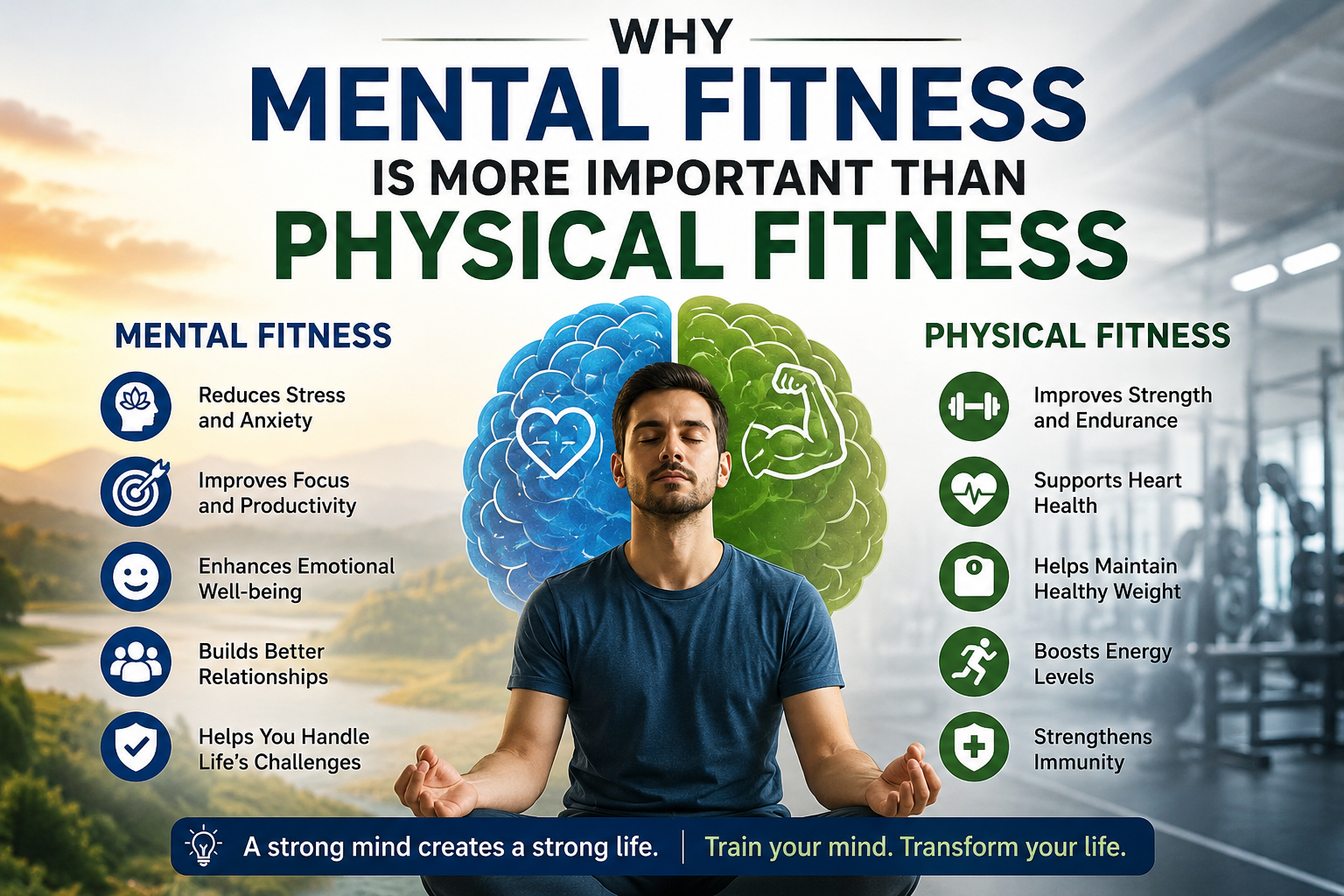
For decades, physical fitness has dominated the health industry. People focused heavily on weight loss, gym workouts, muscle building, and physical appearance.
In today’s fast-paced digital world, stress, anxiety, burnout, emotional exhaustion, and information overload have become common problems. Millions of people are beginning to realize that a healthy body means very little without a healthy mind.
Mental fitness is no longer only about avoiding mental illness. It is about improving emotional resilience, focus, productivity, confidence, and overall quality of life. This growing awareness is why mental wellness trends are dominating conversations across workplaces, schools, social media, and healthcare systems worldwide.
In this article, we will explore why mental fitness matters more than ever, how it impacts daily life, and practical ways to improve your mental strength naturally.
What Is Mental Fitness?
Mental fitness refers to the ability to maintain a healthy psychological state, manage stress effectively, stay emotionally balanced, and think clearly under pressure.
Just like physical fitness strengthens the body, mental fitness strengthens the mind.
A mentally fit person can:
- Handle stressful situations calmly
- Stay focused and productive
- Build healthy relationships
- Adapt to challenges quickly
- Maintain emotional stability
- Recover faster from setbacks
- Sleep better and think positively
Mental fitness is not about being happy all the time. Instead, it is about developing the mental strength needed to navigate life’s challenges effectively.
Why Mental Fitness Is Becoming More Important
1. Modern Life Is More Stressful Than Ever
Technology has made life faster, but not necessarily easier.
People are constantly connected to:
- Social media notifications
- Work emails
- Online meetings
- News updates
- Digital distractions
This “always online” lifestyle increases stress and mental fatigue. Many people feel mentally exhausted even when they are physically inactive.
Mental fitness helps individuals manage this constant pressure without feeling overwhelmed.
2. Burnout Is Rising Globally
Burnout has become one of the biggest health concerns worldwide.
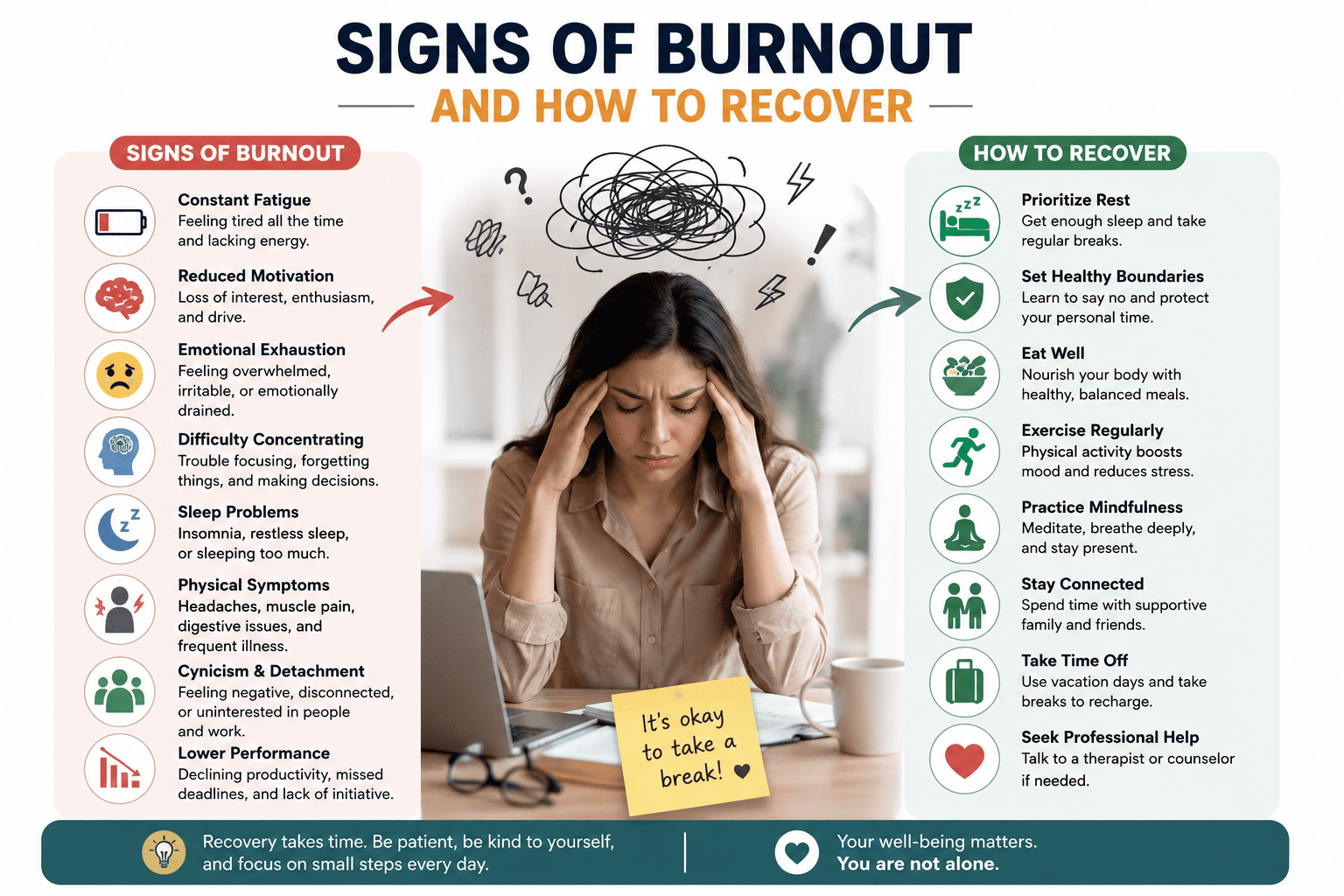
Working long hours, lack of sleep, financial pressure, and digital overload can lead to emotional exhaustion. Symptoms of burnout include:
- Lack of motivation
- Mental fatigue
- Anxiety
- Poor concentration
- Sleep problems
- Irritability
A strong mental fitness routine helps reduce burnout and improve emotional recovery.
3. Mental Health Affects Physical Health
The mind and body are deeply connected.
Poor mental health can contribute to:
- High blood pressure
- Heart disease
- Weight gain
- Weak immunity
- Digestive issues
- Chronic fatigue
Stress hormones like cortisol can negatively affect the body when elevated for long periods.
Improving mental wellness often leads to better physical health outcomes as well.
Mental Fitness vs Physical Fitness
Physical Fitness Focuses On:
- Strength
- Weight management
- Endurance
- Cardiovascular health
- Muscle growth
Mental Fitness Focuses On:
- Emotional resilience
- Stress management
- Focus and concentration
- Positive thinking
- Self-awareness
- Emotional intelligence
Both are important, but mental fitness directly affects every area of life, including physical health, relationships, career performance, and happiness.
Without mental stability, maintaining physical health also becomes difficult.
Signs Your Mental Fitness Needs Improvement
Many people ignore early warning signs of poor mental wellness.
Here are common indicators:
- Constant stress or overthinking
- Trouble sleeping
- Difficulty concentrating
- Low motivation
- Feeling emotionally drained
- Mood swings
- Increased irritability
- Social withdrawal
- Lack of confidence
- Feeling overwhelmed by small problems
Recognizing these signs early can help prevent long-term mental health challenges.
Benefits of Strong Mental Fitness
Better Stress Management
Mentally strong people handle pressure more effectively and recover faster from difficult situations.
Improved Productivity
Mental clarity increases focus, creativity, and decision-making ability.
Healthier Relationships
Emotional intelligence improves communication and reduces conflicts.
Better Sleep Quality
Reduced stress and anxiety help the brain relax naturally.
Increased Confidence
Mental fitness builds self-awareness and emotional stability.
Higher Life Satisfaction
People with strong mental wellness often feel more fulfilled and balanced.
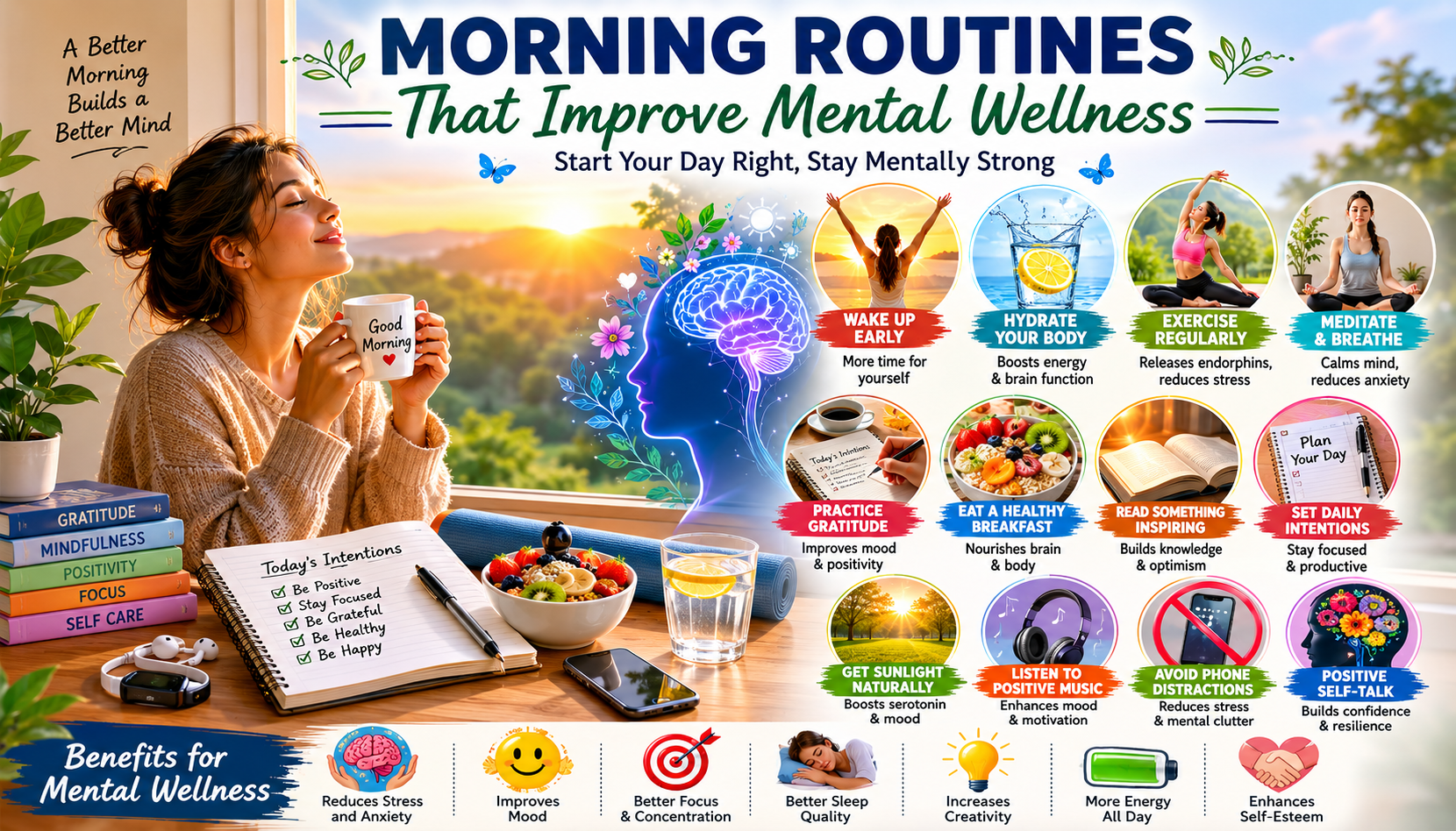
How To Improve Mental Fitness Naturally
1. Practice Daily Mindfulness
Mindfulness helps calm the mind and improve focus.
Simple mindfulness activities include:
- Meditation
- Deep breathing
- Quiet reflection
- Gratitude journaling
Even 10 minutes daily can improve emotional balance.
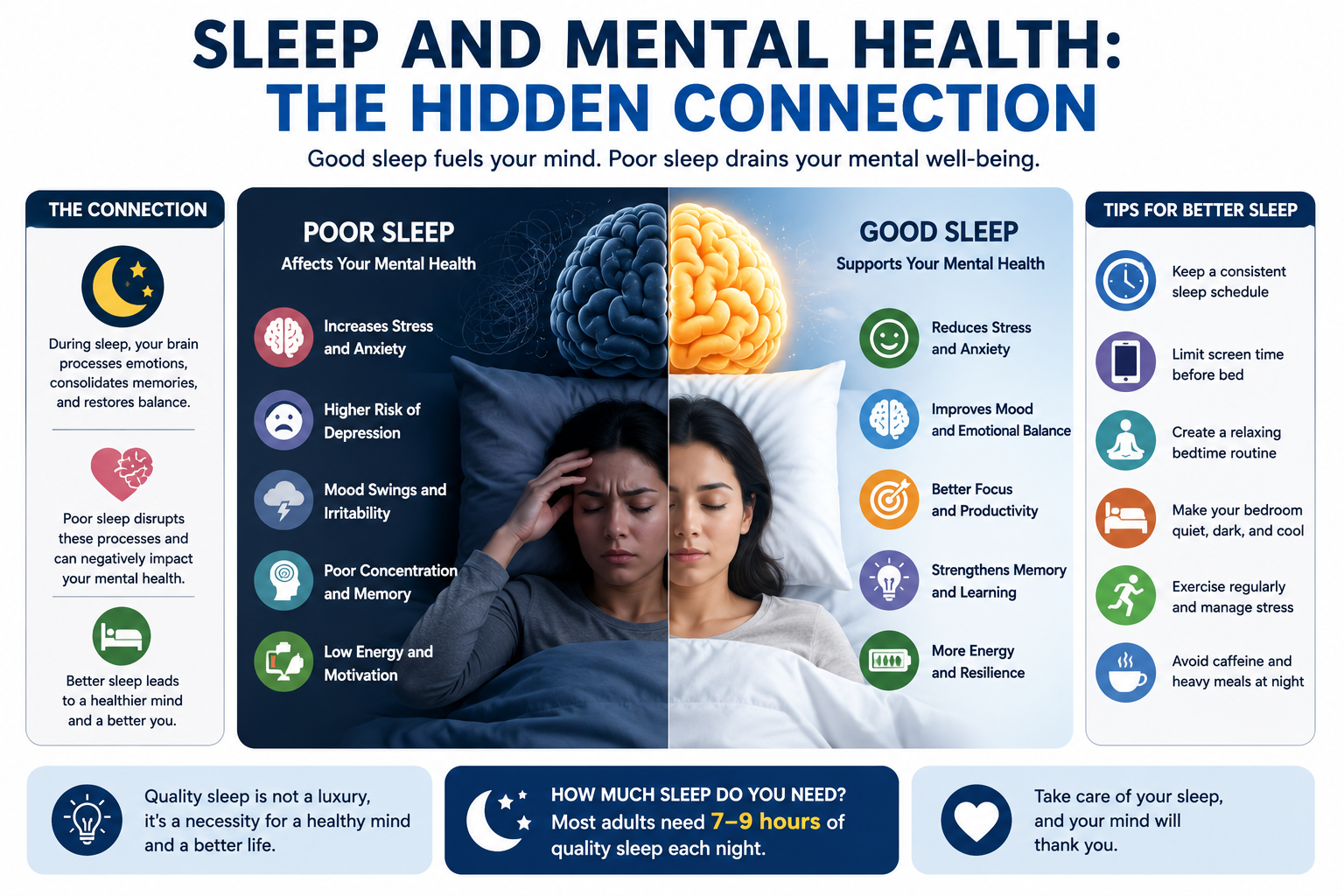
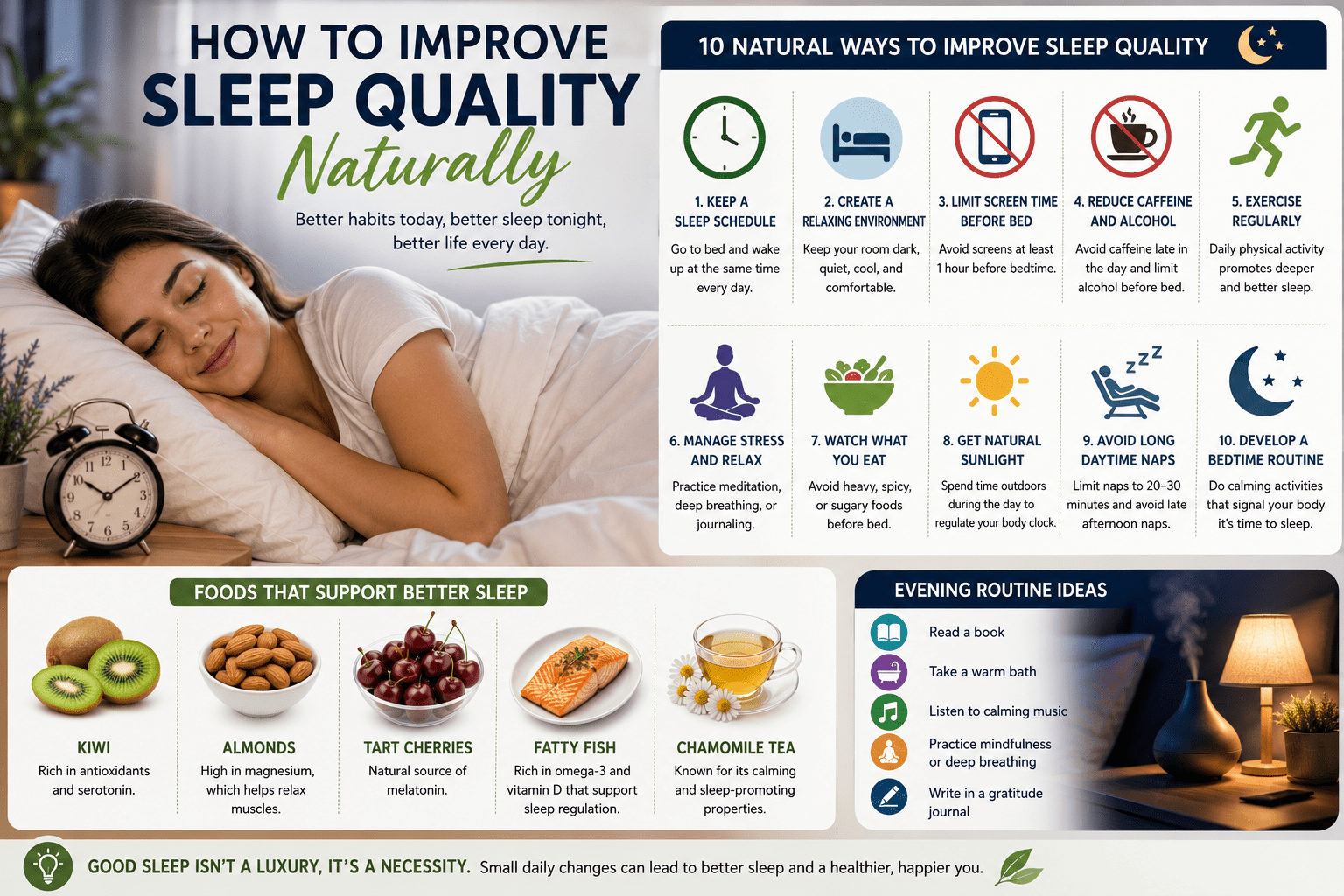
2. Get Quality Sleep
Sleep is essential for brain recovery and emotional health.
Tips for better sleep:
- Avoid screens before bed
- Maintain a regular sleep schedule
- Reduce caffeine intake at night
- Keep your bedroom cool and quiet
3. Exercise Regularly
Physical activity boosts mood by releasing endorphins.
You do not need intense workouts. Simple activities like:
- Walking
- Yoga
- Cycling
- Stretching
can significantly improve mental health.
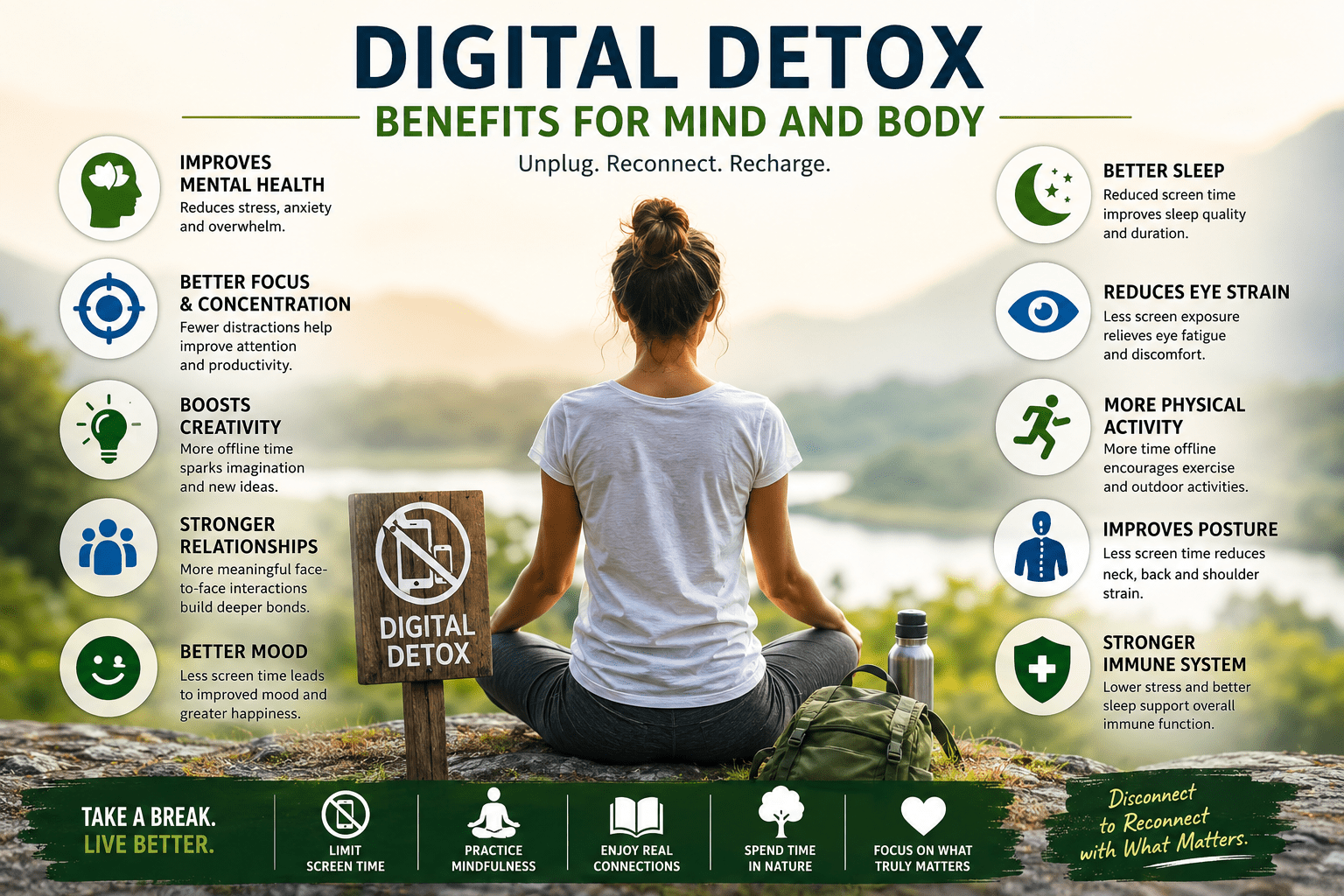
4. Limit Social Media Usage
Excessive social media consumption can increase anxiety, comparison, and stress.
Try:
- Digital detox periods
- Screen-time limits
- Following positive content
- Taking breaks from notifications
5. Build Meaningful Relationships
Human connection is essential for emotional wellness.
Spend time with:
- Family
- Friends
- Supportive communities
Talking openly about emotions can reduce stress significantly.
6. Eat Brain-Healthy Foods
Nutrition affects mental performance.
Foods that support brain health include:
- Nuts and seeds
- Leafy vegetables
- Fatty fish
- Fruits
- Whole grains
Hydration also plays a key role in mental clarity.
The Future of Wellness Is Mental Wellness
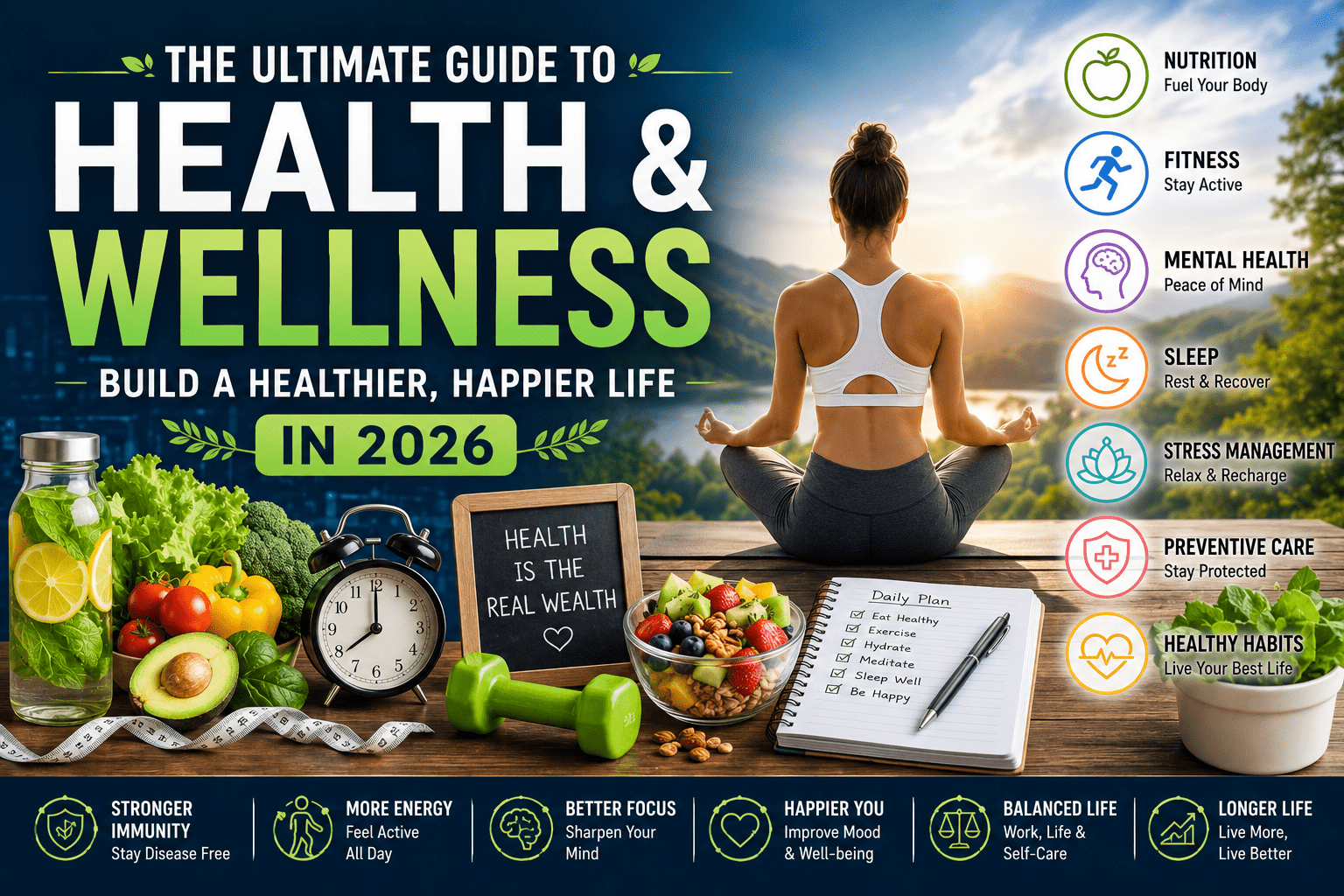
In 2026, wellness trends are shifting from appearance-based health to emotional well-being and sustainable living.
People now value:
- Inner peace
- Emotional stability
- Work-life balance
- Mindful living
- Stress management
Mental fitness is becoming the foundation of long-term health and happiness.
Companies are introducing mental wellness programs, schools are teaching emotional intelligence, and healthcare systems are prioritizing preventive mental care.
This shift proves that mental fitness is not a luxury — it is a necessity.
Final Thoughts
Physical health will always matter, but mental fitness is what helps people truly enjoy life.
A strong mind improves decision-making, relationships, productivity, confidence, and overall well-being. In a world filled with stress and digital overload, protecting mental health has become more important than ever.
By practicing mindfulness, managing stress, building healthy habits, and prioritizing emotional wellness, anyone can improve their mental fitness naturally.
Remember: a healthy body works best with a healthy mind.
Also read Nature and Connection: The Healing Power of Green Prescriptions and Social Wellness








Leave a Reply