

Introduction
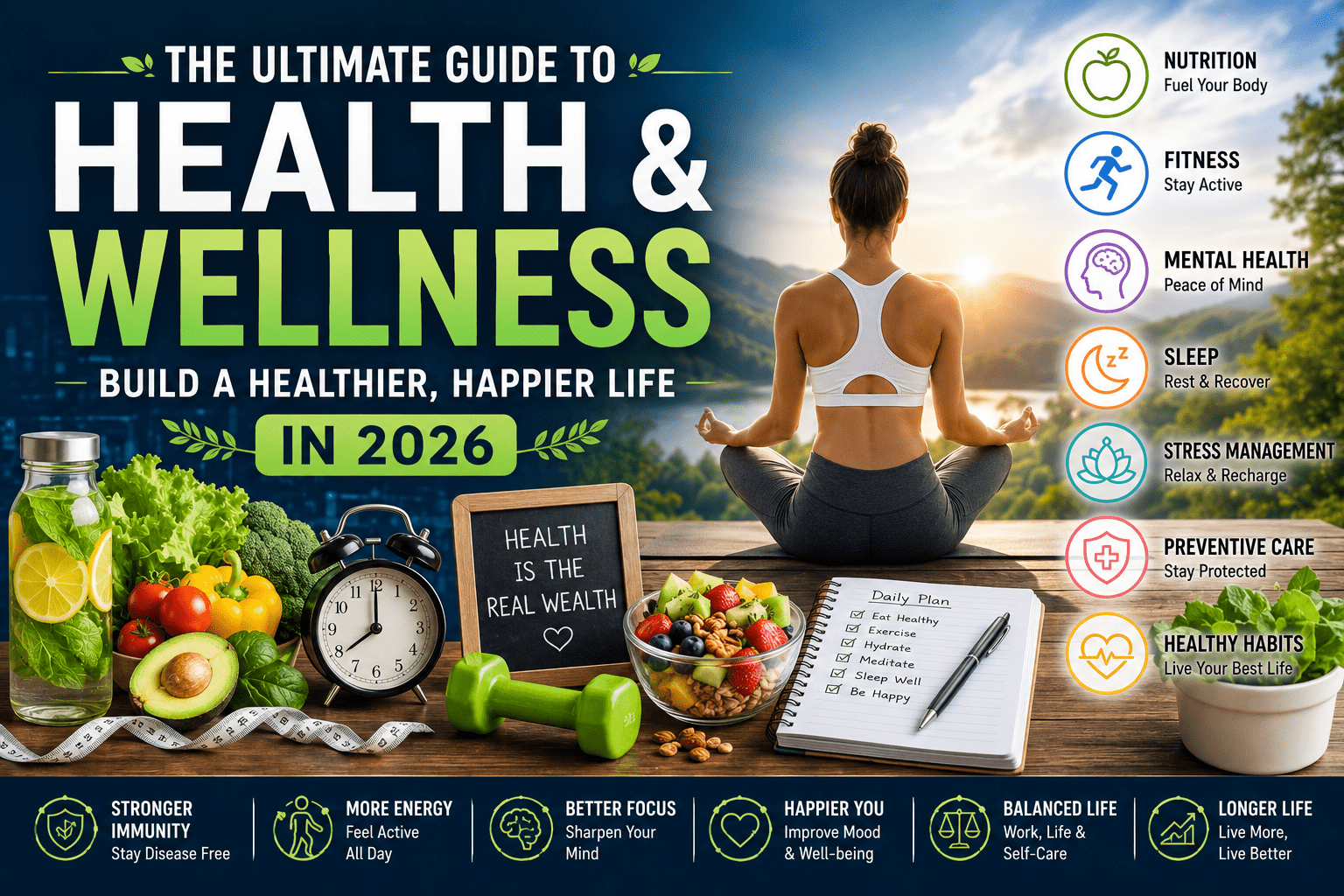
Good health is the foundation of a successful and fulfilling life. In today’s fast-paced world, maintaining physical fitness, mental well-being, healthy eating habits, quality sleep, and preventive healthcare is more important than ever. Health and wellness go beyond avoiding illness—they involve making informed choices that improve your overall quality of life.
Whether you’re looking to lose weight, boost energy, reduce stress, improve sleep, or simply adopt healthier habits, this comprehensive guide will help you understand every aspect of modern wellness.
What is Health and Wellness?
Health refers to your physical, mental, and social well-being, while wellness is the active process of making healthy choices every day. Together, they form the foundation for living a balanced and productive life.
The main dimensions of wellness include:
- Physical wellness
- Mental wellness
- Emotional wellness
- Social wellness
- Financial wellness
- Occupational wellness
- Environmental wellness
- Spiritual wellness
Why Health Matters
Maintaining good health can:
- Increase energy levels
- Improve productivity
- Reduce the risk of chronic diseases
- Enhance mental clarity
- Improve sleep quality
- Boost immunity
- Increase life expectancy
- Improve overall happiness
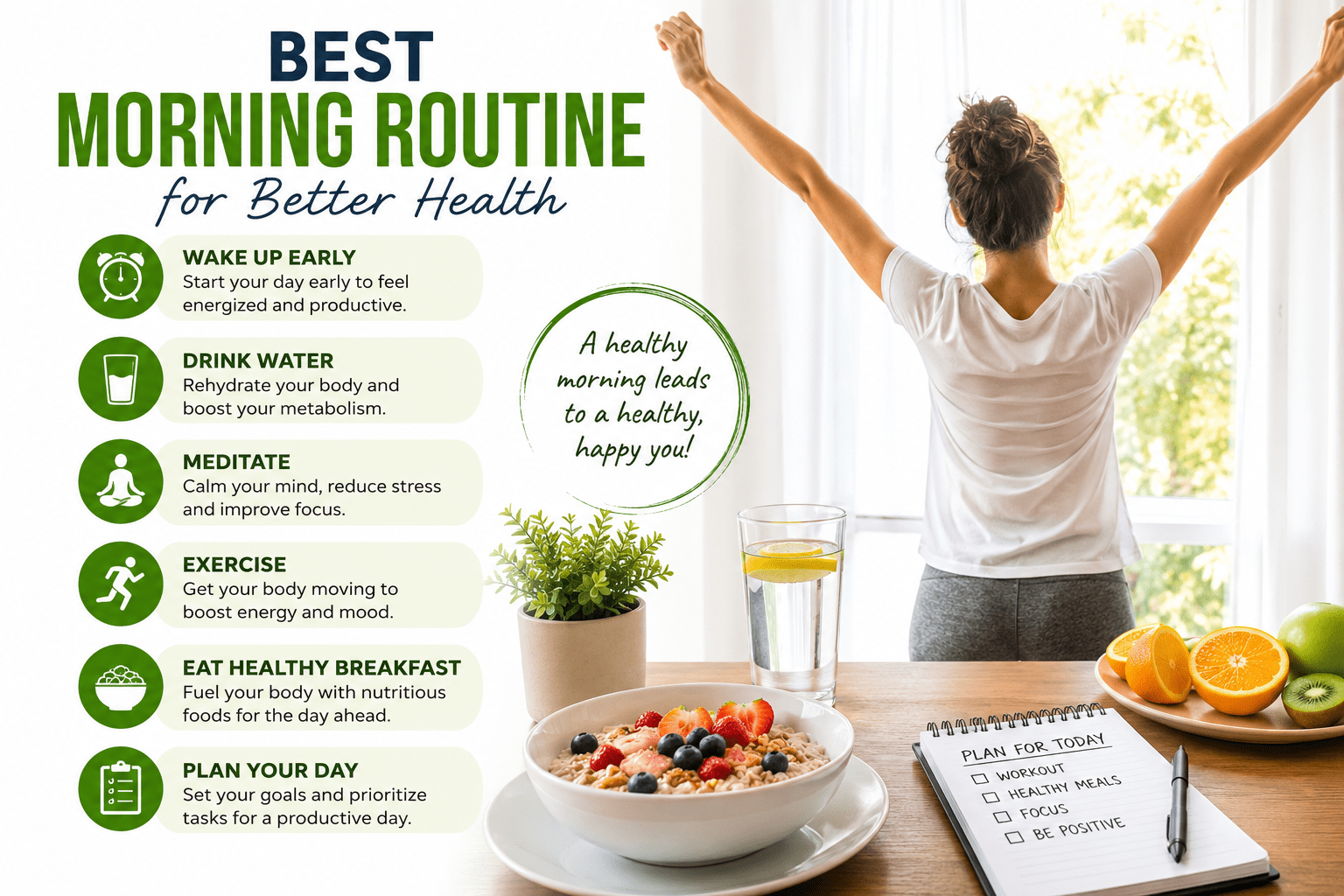
Building Healthy Habits
Healthy habits create long-term improvements.
Examples include:
- Drinking enough water
- Eating balanced meals
- Exercising regularly
- Sleeping 7–9 hours
- Managing stress
- Avoiding smoking and excessive alcohol
- Scheduling regular health checkups
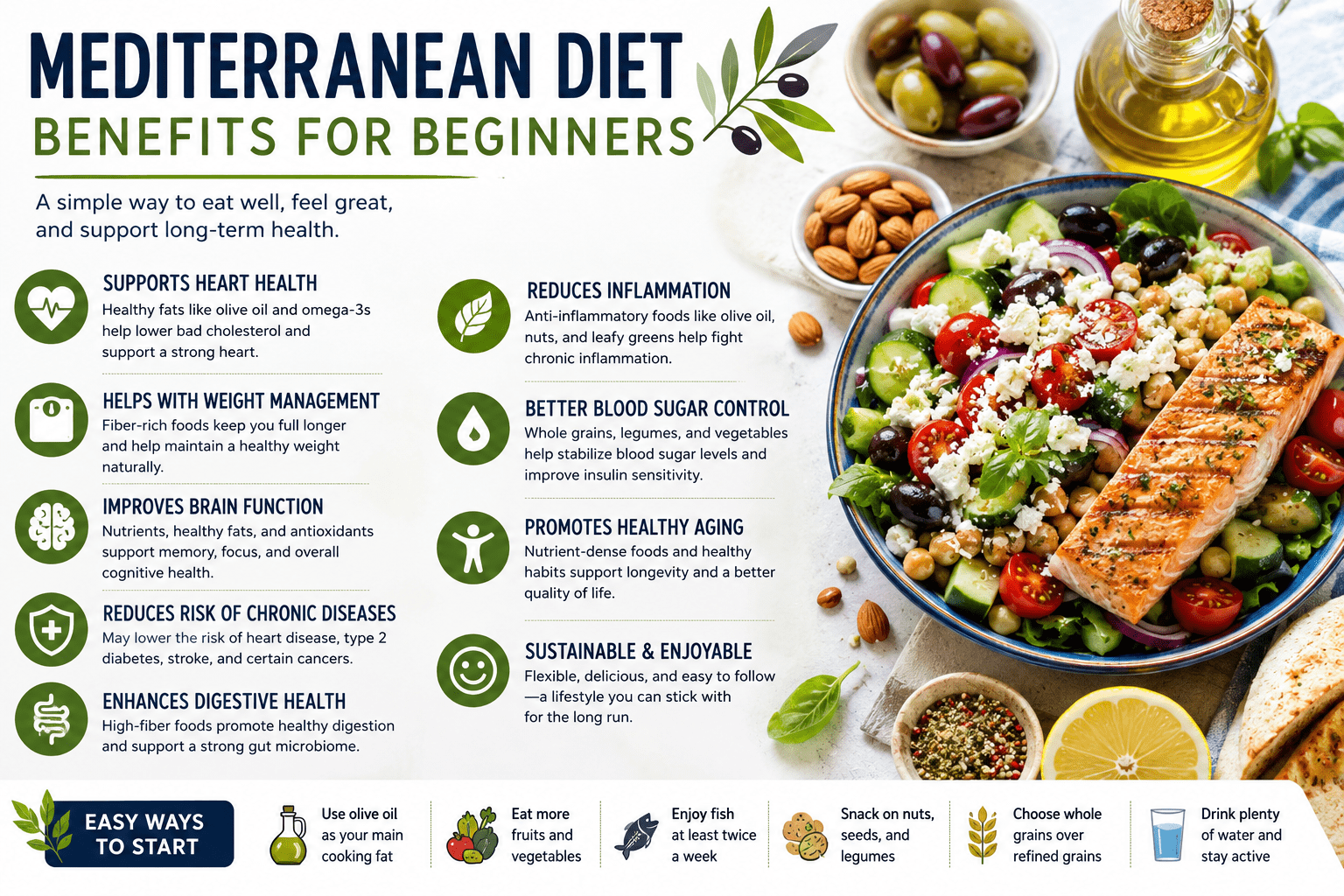
Nutrition and Healthy Eating
A nutritious diet supports every system in your body.
Key Nutrients
- Protein
- Healthy fats
- Complex carbohydrates
- Vitamins
- Minerals
- Fiber
Healthy Eating Tips
- Eat more fruits and vegetables.
- Include lean protein in every meal.
- Limit ultra-processed foods.
- Reduce added sugar.
- Choose whole grains.
- Practice portion control.
Physical Fitness
Exercise improves heart health, strength, flexibility, and mental well-being.
Types of Exercise
Cardio
- Walking
- Running
- Cycling
- Swimming
Strength Training
- Weight lifting
- Resistance bands
- Bodyweight exercises
Flexibility
- Yoga
- Stretching
- Pilates
Aim for at least 150 minutes of moderate physical activity each week, along with muscle-strengthening activities on two or more days.
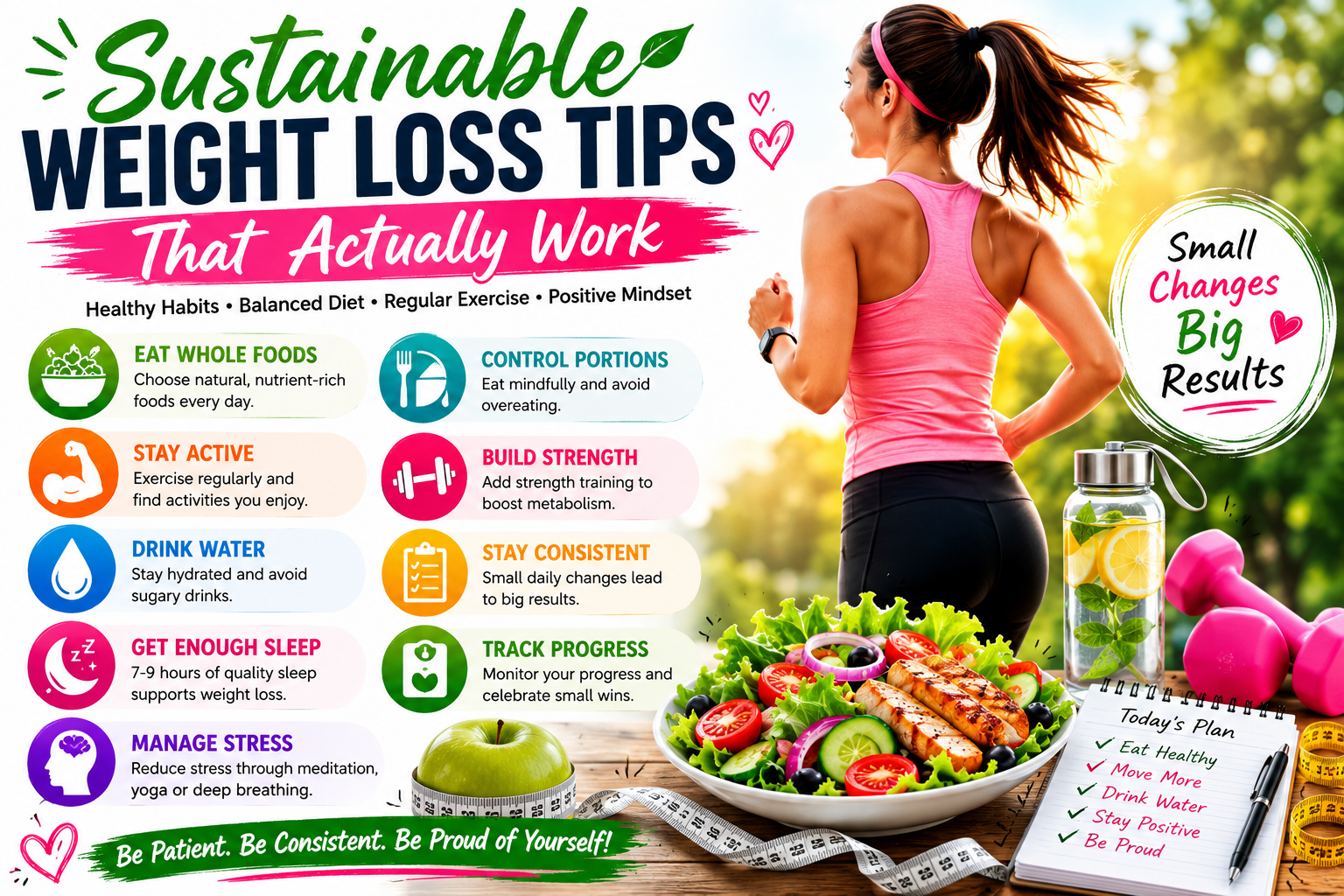
Weight Management
Healthy weight management involves:
- Balanced nutrition
- Regular exercise
- Consistent sleep
- Stress reduction
- Sustainable habits
Avoid crash diets and focus on long-term lifestyle changes.
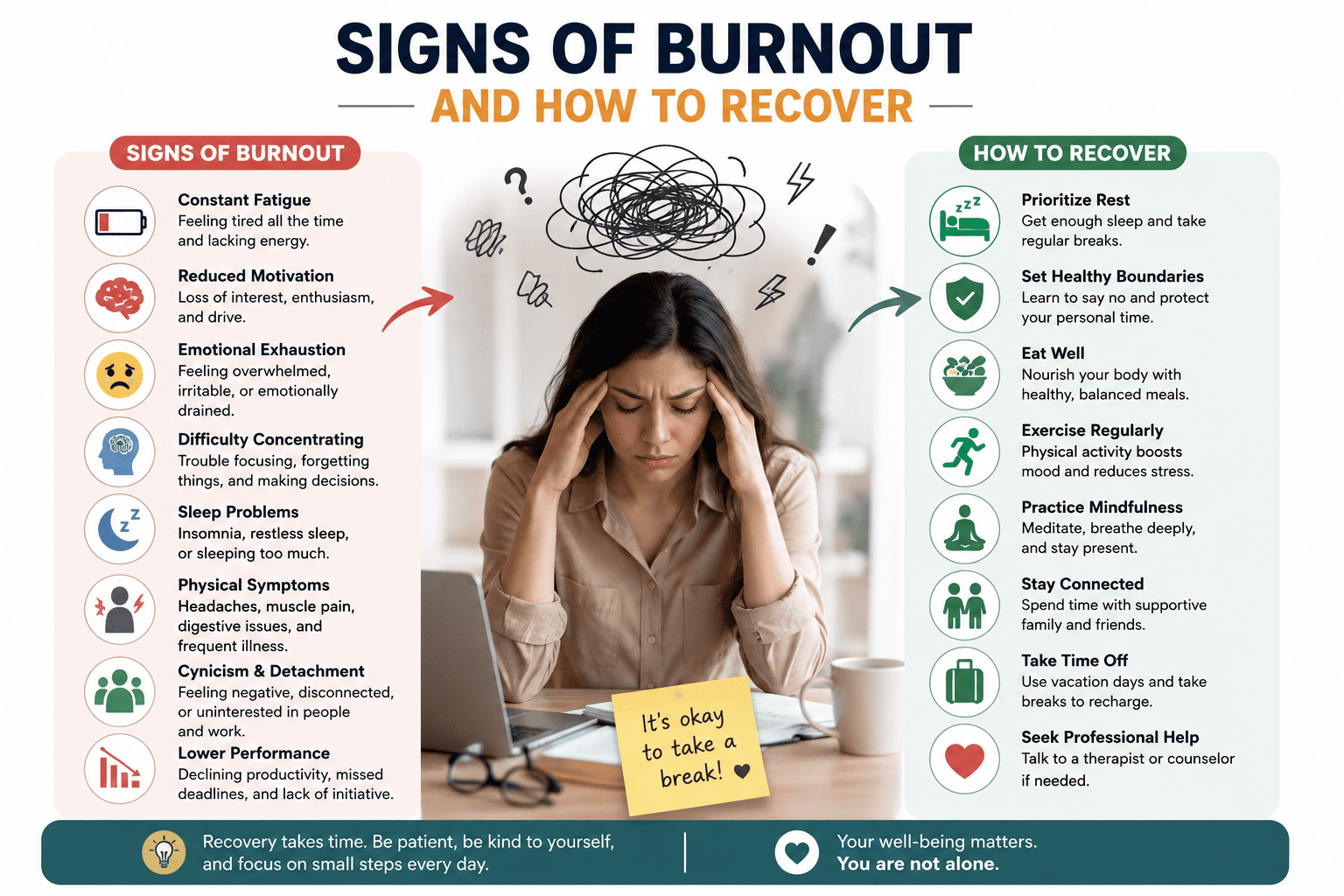
Mental Health
Mental health is equally important as physical health.
Common issues include:
- Anxiety
- Depression
- Burnout
- Chronic stress
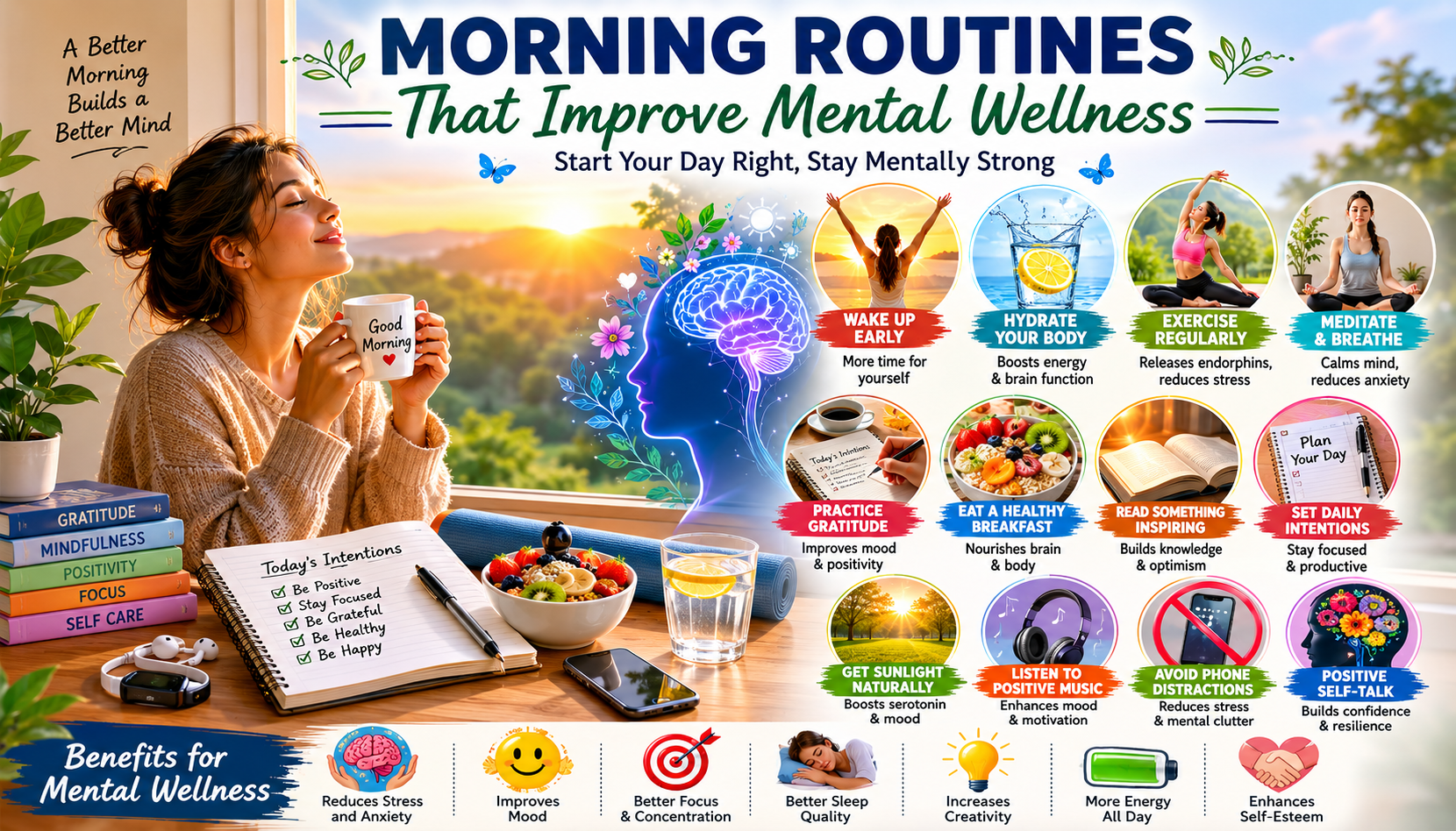
Ways to improve mental well-being:
- Practice mindfulness.
- Stay connected with loved ones.
- Seek professional support when needed.
- Engage in hobbies.
- Limit excessive screen time.
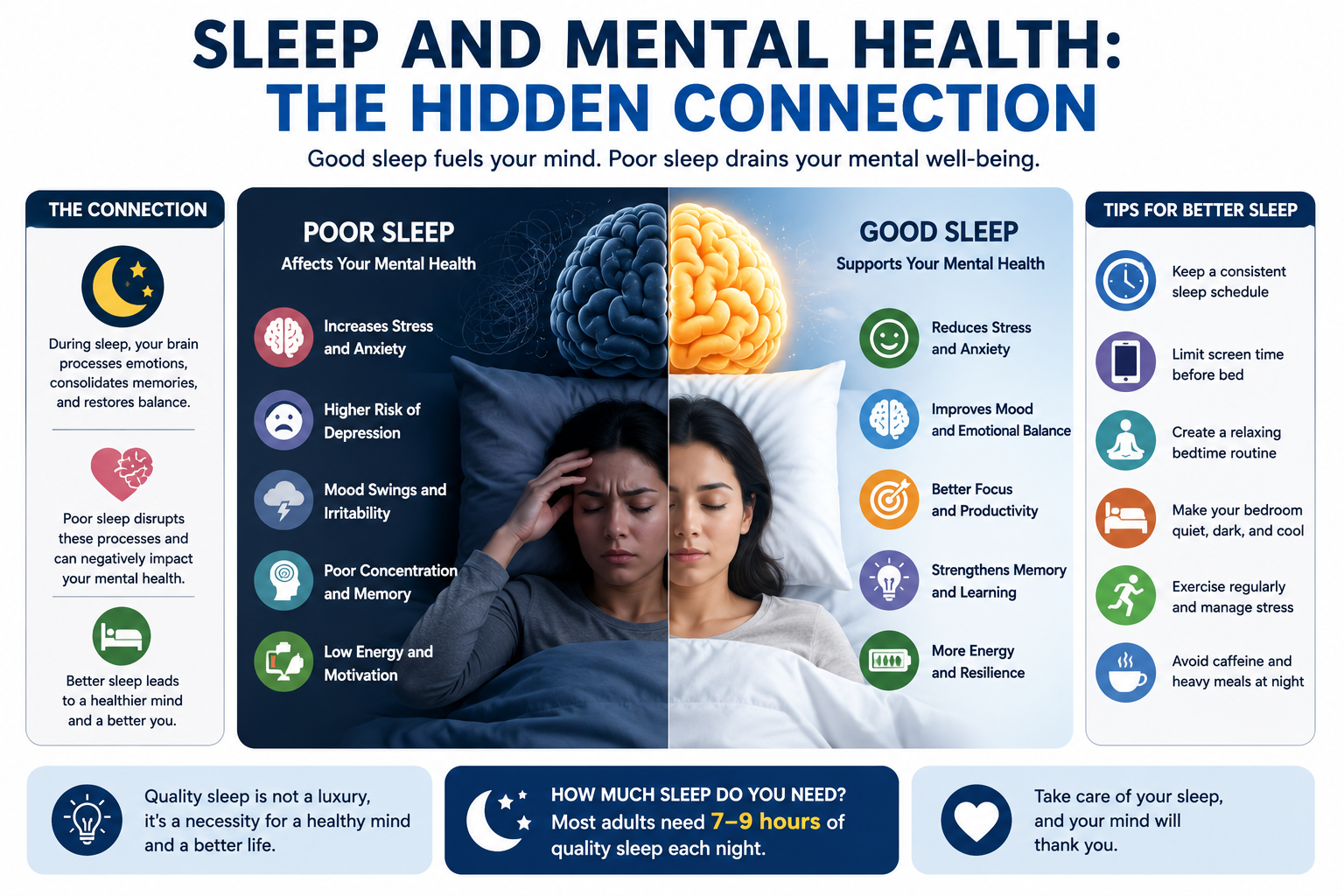
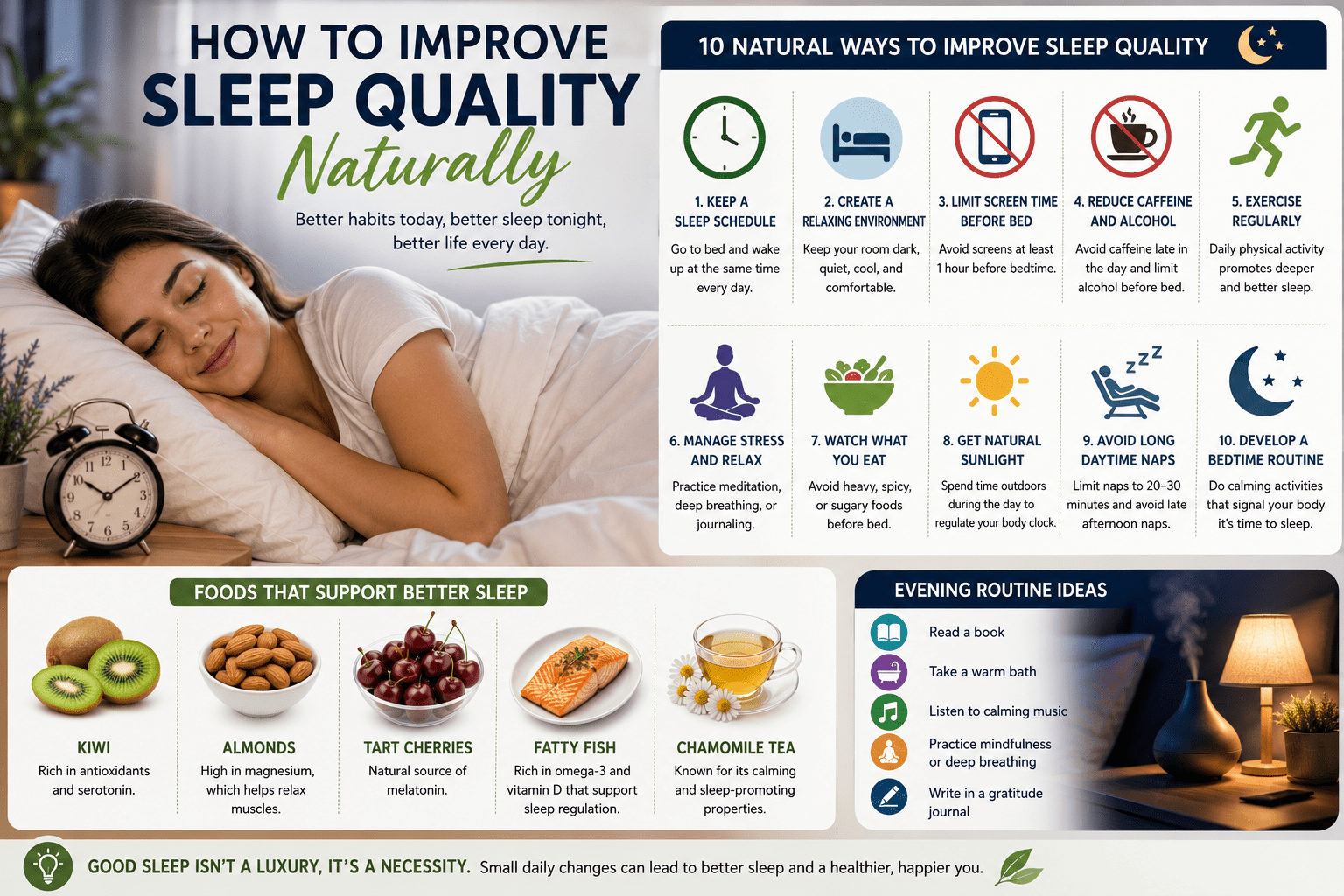
Sleep and Recovery
Quality sleep supports:
- Memory
- Immune function
- Hormonal balance
- Muscle recovery
- Emotional regulation
Better Sleep Tips
- Follow a consistent sleep schedule.
- Avoid screens before bedtime.
- Keep your bedroom cool and dark.
- Limit caffeine late in the day.
Suggested link:
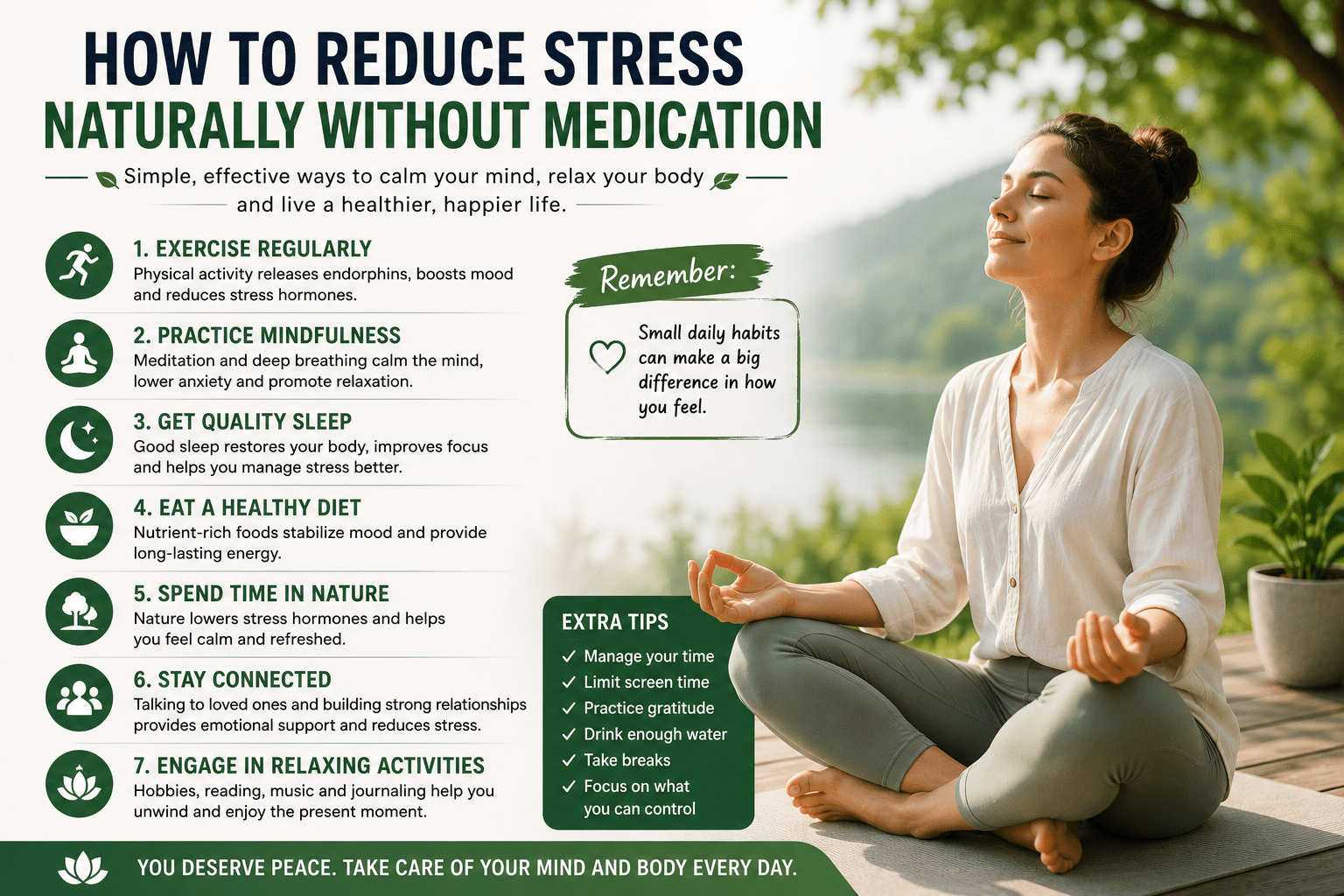
Stress Management
Long-term stress can affect both physical and mental health.
Healthy stress management techniques:
- Meditation
- Deep breathing
- Exercise
- Time management
- Journaling
- Nature walks
Skincare and Personal Care
Healthy skin reflects overall wellness.
Basic skincare routine:
- Cleanser
- Moisturizer
- Sunscreen
- Hydration
- Healthy diet
Suggested links:
Preventive Healthcare
Regular preventive care helps detect health problems early.
Recommended practices:
- Annual health checkups
- Blood pressure monitoring
- Cholesterol testing
- Blood sugar screening
- Vaccinations
- Dental exams
- Eye examinations
Hydration
Water plays a vital role in:
- Digestion
- Temperature regulation
- Joint health
- Brain function
- Skin health
Most adults benefit from drinking adequate water throughout the day, though individual needs vary based on activity level, climate, and health conditions.
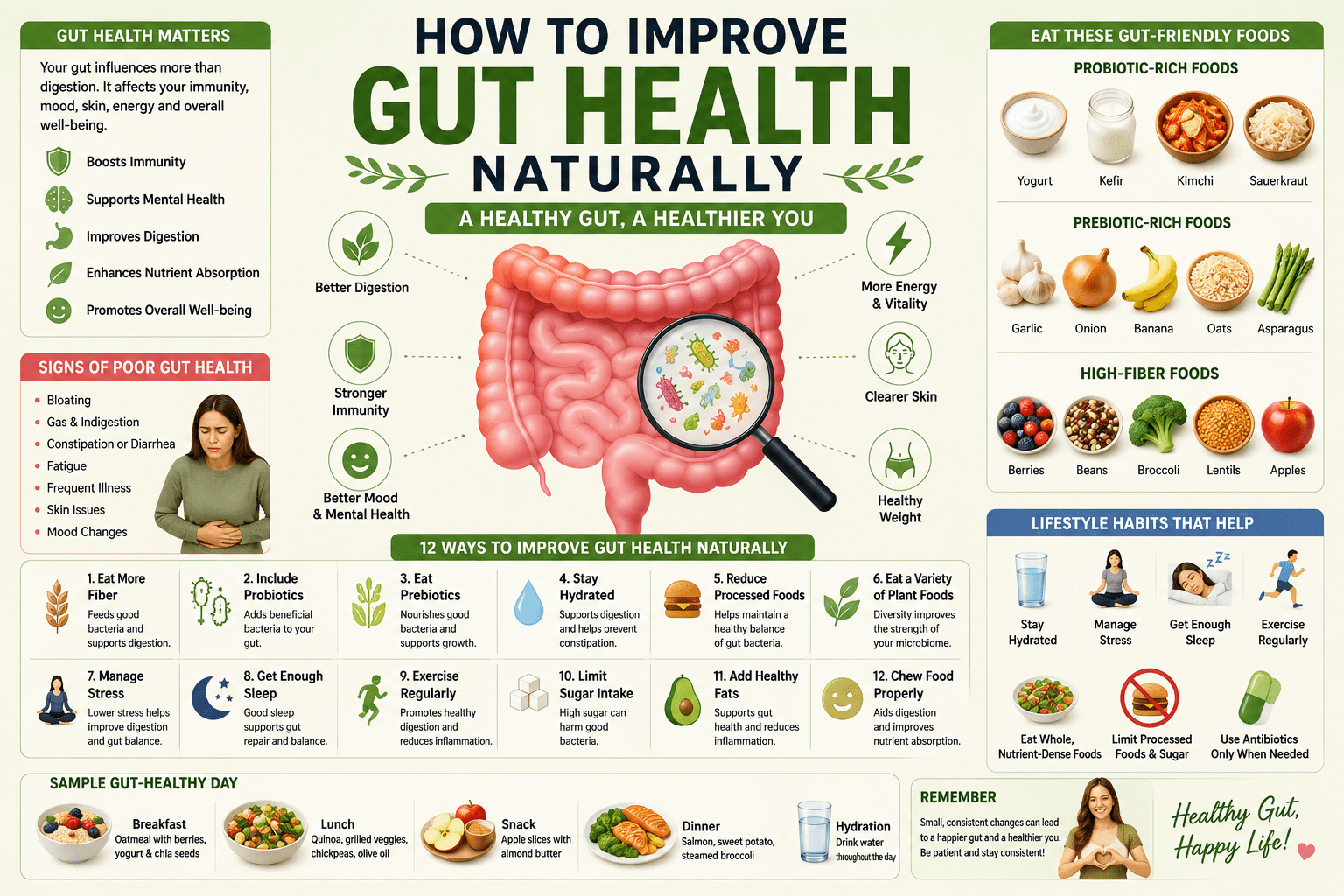
Gut Health
A healthy gut supports digestion and immune function.
Tips for improving gut health:
- Eat fiber-rich foods.
- Include fermented foods.
- Stay hydrated.
- Limit excessive antibiotics unless prescribed.
- Manage stress.
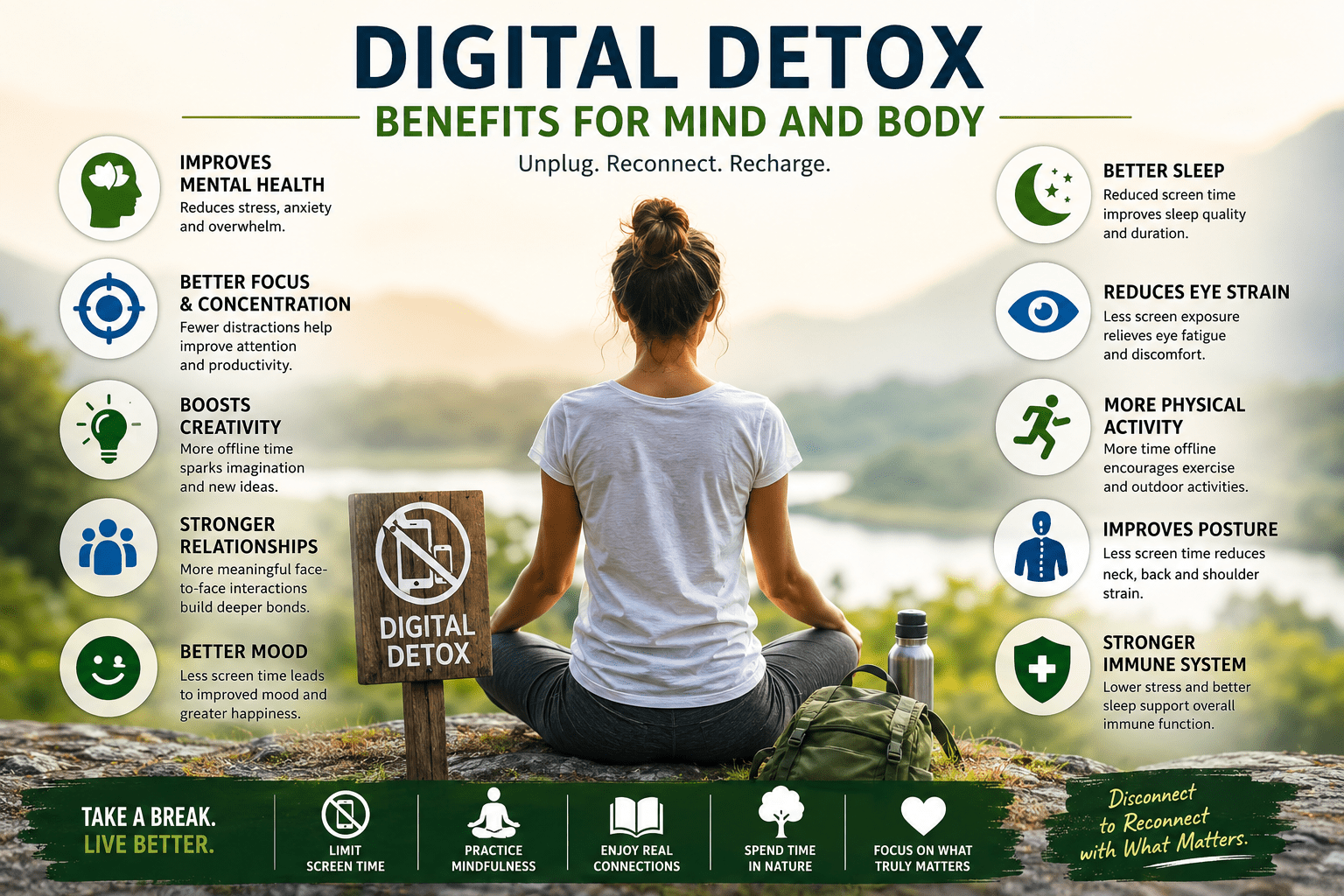
Digital Wellness
Excessive technology use can impact health.
Healthy digital habits include:
- Taking regular screen breaks
- Limiting social media use
- Practicing digital detoxes
- Maintaining good posture
- Using blue-light filters when appropriate
Suggested link:
Workplace Wellness
Whether working from home or in an office:
- Maintain ergonomic posture.
- Take walking breaks.
- Stretch regularly.
- Stay hydrated.
- Avoid prolonged sitting.
Healthy Aging
Healthy aging focuses on maintaining independence and quality of life.
Key strategies:
- Stay physically active.
- Eat nutrient-rich foods.
- Keep your mind engaged.
- Maintain social connections.
- Prioritize preventive healthcare.
Common Health Mistakes
Avoid these common habits:
- Skipping breakfast regularly
- Sleeping too little
- Sitting for long periods
- Ignoring mental health
- Drinking too little water
- Smoking
- Excessive alcohol consumption
- Ignoring routine medical checkups
Future of Healthcare
Emerging trends include:
- AI-assisted diagnosis
- Wearable health technology
- Personalized medicine
- Telemedicine
- Digital health monitoring
- Preventive healthcare powered by data analytics
Frequently Asked Questions (FAQ)
What is the difference between health and wellness?
Health refers to your overall physical, mental, and social well-being, while wellness is the ongoing process of making choices that support a healthy life.
How much exercise do adults need?
Most adults should aim for at least 150 minutes of moderate-intensity aerobic activity per week, plus muscle-strengthening activities on two or more days.
Why is sleep important?
Sleep supports brain function, immune health, mood regulation, memory, and physical recovery.
How can I reduce stress naturally?
Exercise, meditation, deep breathing, time management, quality sleep, and spending time outdoors can all help reduce stress.
What are the basics of a healthy diet?
Focus on fruits, vegetables, whole grains, lean proteins, healthy fats, and adequate hydration while limiting processed foods and added sugars.
How often should I get a health checkup?
The frequency depends on your age, health status, and risk factors. Consult your healthcare provider to determine an appropriate schedule.
Conclusion
Health and wellness are lifelong commitments that require consistent habits rather than quick fixes. By prioritizing balanced nutrition, regular exercise, quality sleep, stress management, preventive healthcare, and mental well-being, you can improve your quality of life and reduce the risk of many chronic conditions.
Small daily improvements often lead to significant long-term benefits. Start with manageable changes, stay consistent, and make your health a priority in 2026 and beyond.




Leave a Reply