

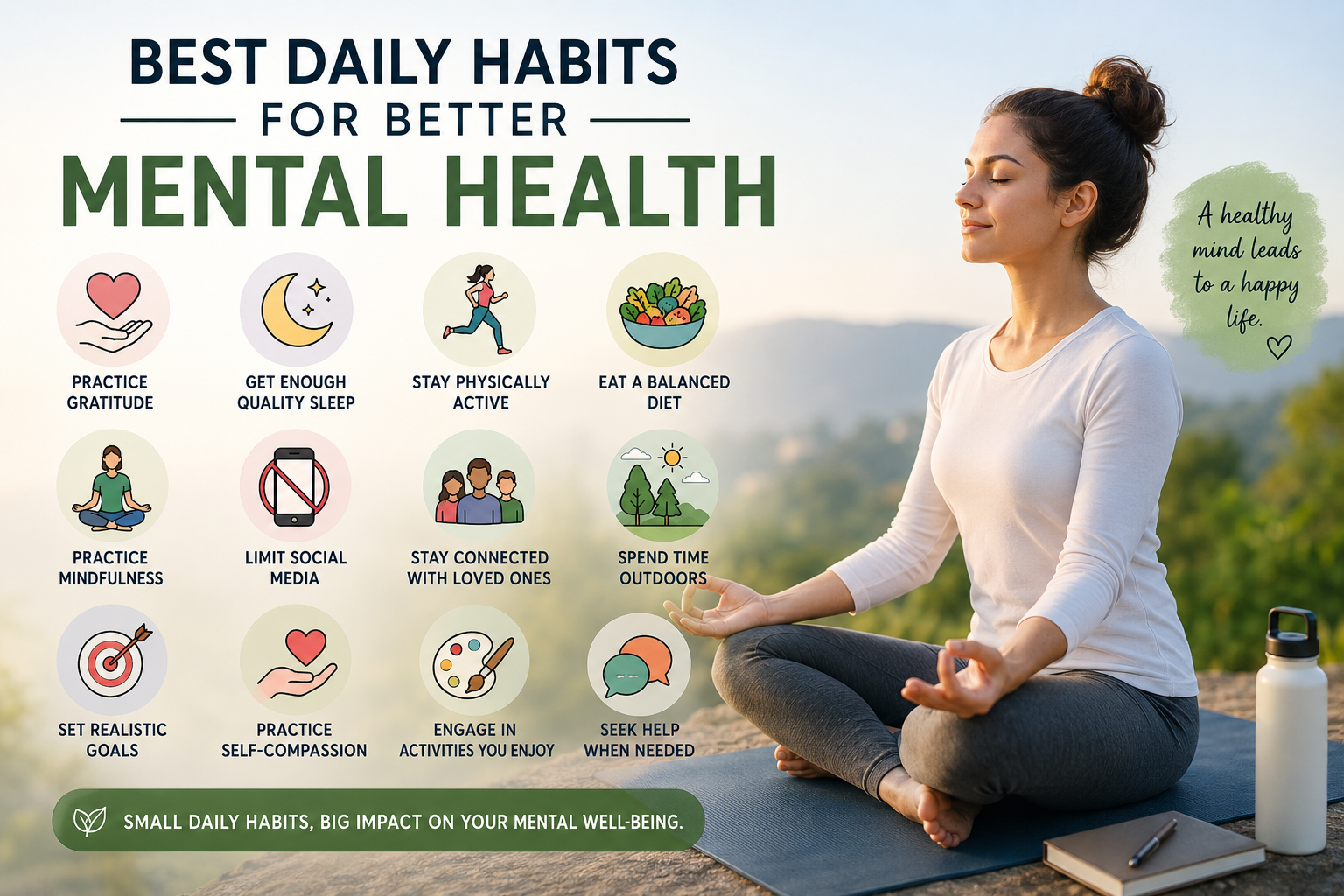
Mental health is just as important as physical health. In today’s fast-paced world, stress, anxiety, and emotional challenges have become common. While professional support is essential when needed, adopting healthy daily habits can significantly improve your mental well-being and help you lead a happier, more balanced life.
The good news is that improving your mental health doesn’t require drastic changes. Small, consistent actions can make a big difference over time. In this article, we’ll explore the best daily habits for better mental health and how they can positively impact your life.
Why Daily Habits Matter for Mental Health
Your daily routine shapes your thoughts, emotions, and overall well-being. Healthy habits help regulate stress levels, improve mood, increase resilience, and support emotional stability. By practicing positive behaviors consistently, you create a strong foundation for long-term mental wellness.
1. Start Your Day with Gratitude
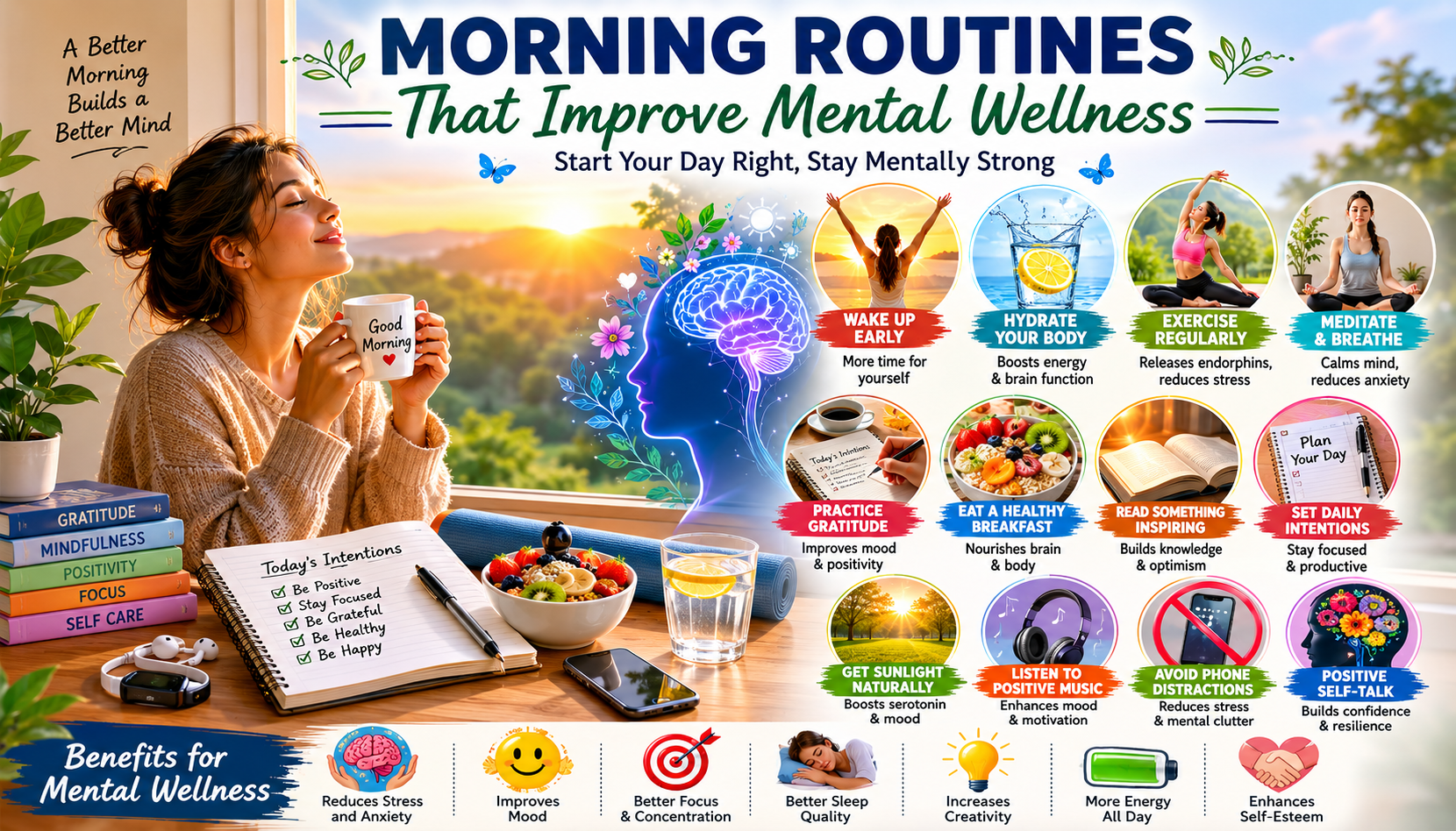
One of the simplest yet most effective mental health habits is practicing gratitude. Taking a few moments each morning to appreciate the positive aspects of your life can shift your mindset and improve your outlook.
How to Practice Gratitude:
- Write down three things you’re grateful for.
- Reflect on positive experiences from the previous day.
- Express appreciation to family members or friends.
Research suggests that gratitude can increase happiness, reduce stress, and improve emotional resilience.
2. Get Enough Quality Sleep
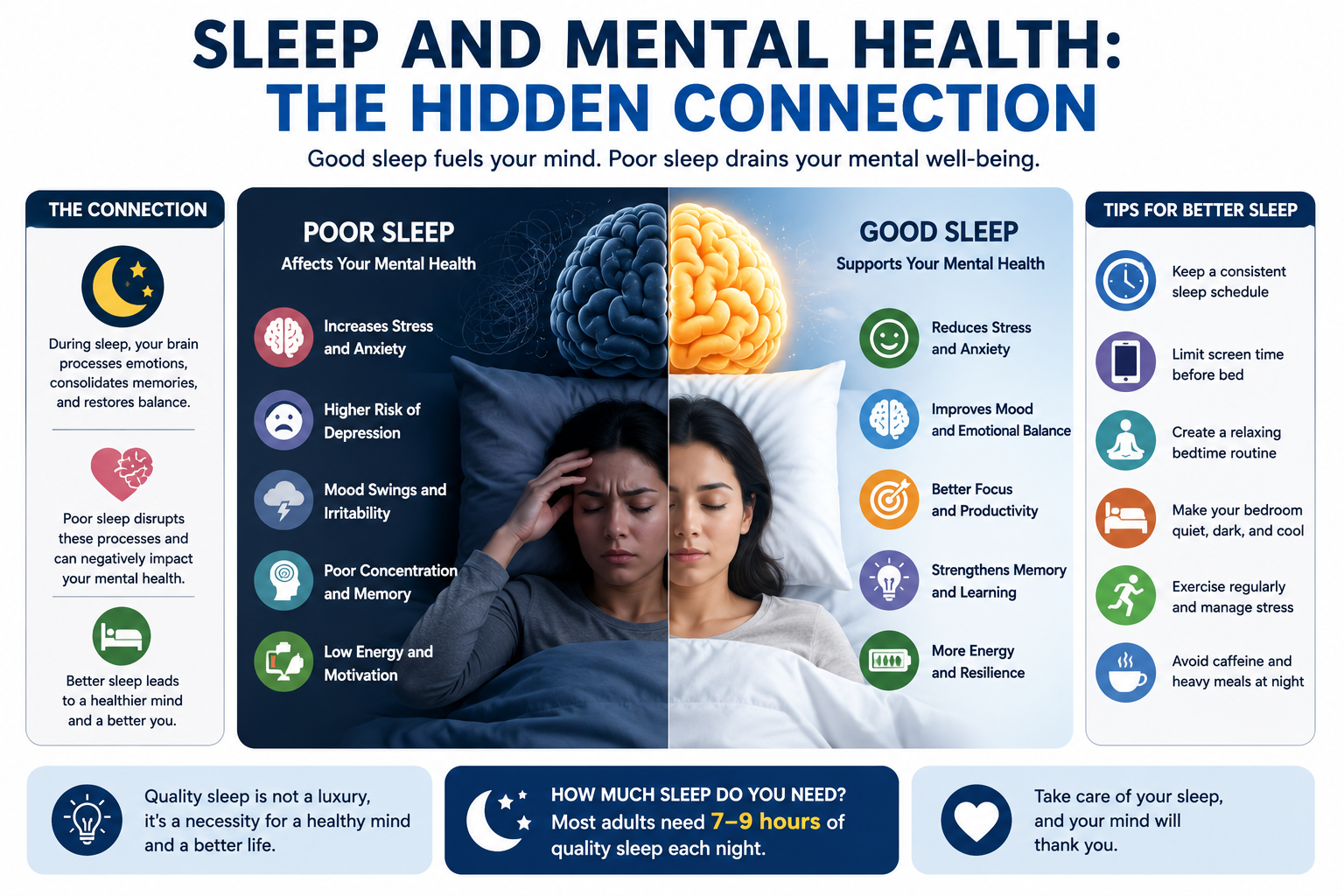
Sleep plays a crucial role in mental health. Poor sleep can contribute to anxiety, depression, irritability, and difficulty concentrating.
Tips for Better Sleep:
- Maintain a consistent sleep schedule.
- Avoid screens at least one hour before bedtime.
- Create a relaxing nighttime routine.
- Limit caffeine intake in the evening.
Most adults need 7 to 9 hours of quality sleep each night for optimal mental and physical health.
3. Stay Physically Active
Regular exercise benefits not only your body but also your mind. Physical activity releases endorphins, often called “feel-good” hormones, which help improve mood and reduce stress.
Best Activities for Mental Health:
- Walking
- Jogging
- Yoga
- Cycling
- Dancing
- Strength training
Even 30 minutes of moderate exercise daily can significantly improve mental well-being.
4. Eat a Balanced and Nutritious Diet
The connection between nutrition and mental health is stronger than many people realize. A healthy diet supports brain function and emotional balance.
Foods That Support Mental Health:
- Fruits and vegetables
- Whole grains
- Nuts and seeds
- Fatty fish rich in omega-3 fatty acids
- Lean proteins
Avoid excessive processed foods, sugary snacks, and unhealthy fats, which may negatively impact mood and energy levels.
5. Practice Mindfulness and Meditation
Mindfulness involves focusing on the present moment without judgment. It can reduce stress, improve concentration, and promote emotional stability.
Easy Mindfulness Practices:
- Deep breathing exercises
- Guided meditation
- Mindful walking
- Body scan techniques
Just 10 to 15 minutes of mindfulness practice each day can help reduce anxiety and improve mental clarity.
6. Limit Social Media Consumption
While social media can help people stay connected, excessive use may contribute to stress, anxiety, and negative self-comparisons.
Healthy Social Media Habits:
- Set daily screen time limits.
- Follow positive and inspiring accounts.
- Take regular digital detox breaks.
- Avoid checking social media immediately after waking up.
Being mindful of your online habits can improve your emotional well-being and reduce mental fatigue.
7. Stay Connected with Loved Ones
Strong social relationships are essential for good mental health. Meaningful connections provide emotional support, reduce loneliness, and improve resilience during difficult times.
Ways to Stay Connected:
- Call a friend regularly.
- Spend quality time with family.
- Join local community groups.
- Participate in hobbies with others.
Even brief positive interactions can boost mood and reduce stress.
8. Spend Time Outdoors
Nature has a calming effect on the mind. Spending time outdoors can lower stress hormones, improve mood, and increase feelings of happiness.
Outdoor Activities to Try:
- Walking in a park
- Gardening
- Hiking
- Outdoor yoga
- Relaxing in natural surroundings
Aim to spend at least 20 to 30 minutes outside daily whenever possible.
9. Set Realistic Goals
Setting achievable goals gives you a sense of purpose and accomplishment. Breaking larger tasks into smaller steps can help reduce overwhelm and increase motivation.
Goal-Setting Tips:
- Focus on one task at a time.
- Celebrate small victories.
- Track your progress.
- Adjust goals when necessary.
Small daily achievements can build confidence and improve overall mental well-being.
10. Practice Self-Compassion
Many people are overly critical of themselves. Learning to treat yourself with kindness can improve emotional health and reduce feelings of inadequacy.
Ways to Practice Self-Compassion:
- Replace negative self-talk with positive affirmations.
- Accept mistakes as learning opportunities.
- Recognize your strengths and accomplishments.
- Take breaks when needed.
Being kind to yourself fosters resilience and emotional balance.
11. Engage in Activities You Enjoy
Participating in hobbies and enjoyable activities can boost mood and provide a healthy escape from daily stressors.
Popular Mental Health-Boosting Hobbies:
- Reading
- Painting
- Music
- Cooking
- Photography
- Crafting
Making time for enjoyable activities helps maintain a healthy work-life balance.
12. Seek Help When Needed
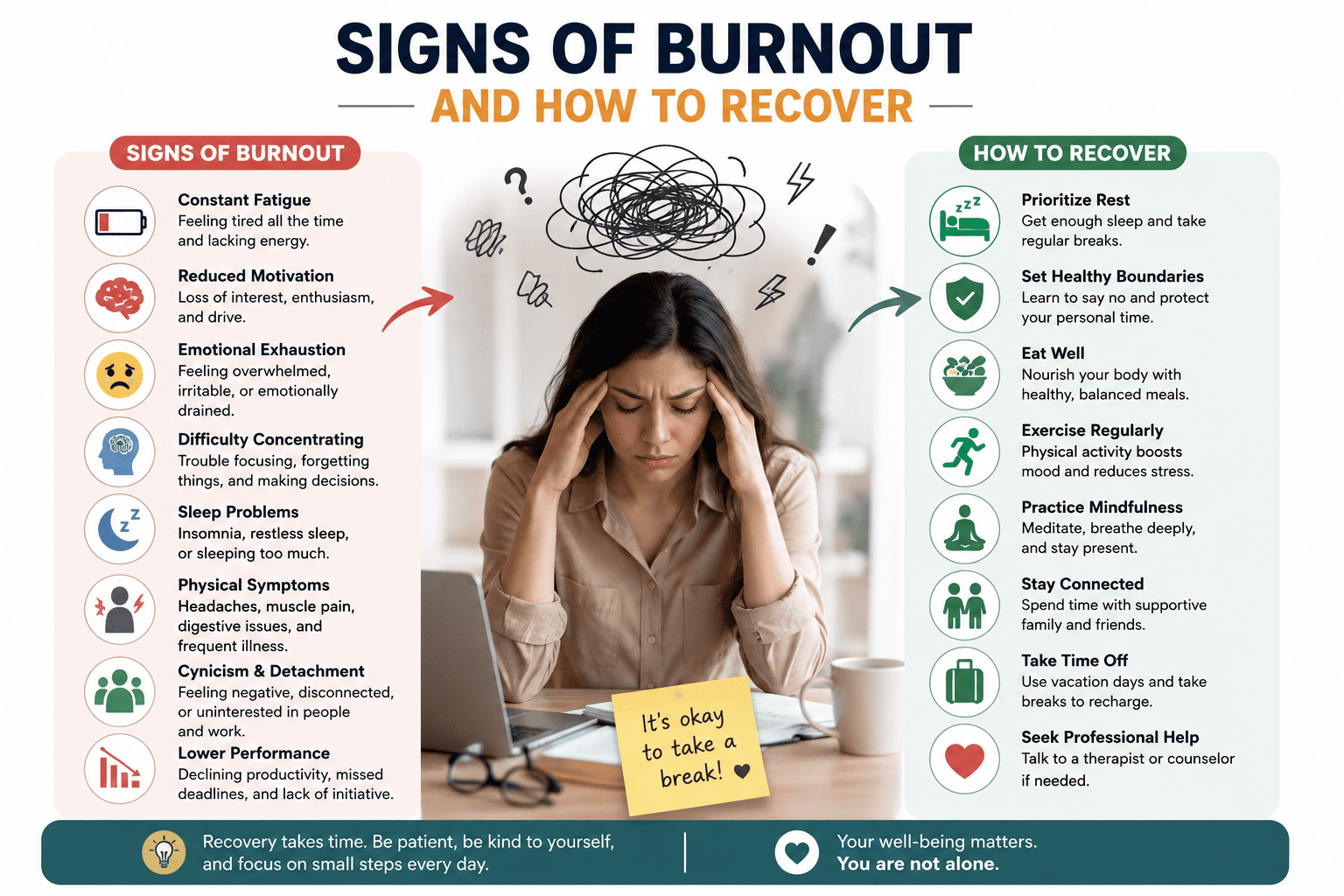
Healthy habits are valuable, but professional support is important when mental health challenges become overwhelming. Seeking help is a sign of strength, not weakness.
Consider speaking with a mental health professional if you experience:
- Persistent sadness
- Severe anxiety
- Difficulty functioning in daily life
- Emotional distress that doesn’t improve
Early support can make a significant difference in recovery and well-being.
Final Thoughts
Building better mental health starts with small daily actions. Habits such as getting enough sleep, exercising regularly, practicing gratitude, staying connected with loved ones, and limiting stress can have a powerful impact on emotional well-being.
Remember that mental wellness is a journey, not a destination. By consistently practicing these healthy habits, you can improve your mood, strengthen resilience, and enjoy a more balanced and fulfilling life.
Start with one or two habits today, and gradually build a routine that supports your mental health for years to come.
Also read Why Sleep Optimization Is Trending












Leave a Reply