


Saving money is one of the most important financial habits you can develop. Whether you’re just starting your career, managing your first paycheck, or trying to improve your financial health, learning how to save consistently can help you build wealth, reduce stress, and prepare for future opportunities.
Many people believe they need a high income to save money, but that’s not true. Smart saving is about building good habits, controlling spending, and making informed financial decisions. Even small savings can grow significantly over time.
In this guide, you’ll discover the best money-saving tips for beginners, along with practical strategies to help you reach your financial goals faster.
Why Saving Money Is Important
Saving money provides financial security and peace of mind.
Benefits include:
- Emergency financial protection
- Reduced dependence on credit
- Better financial stability
- Greater investment opportunities
- Freedom to achieve personal goals
- Less financial stress
- Improved long-term wealth
Developing a saving habit today can make a significant difference in your future.
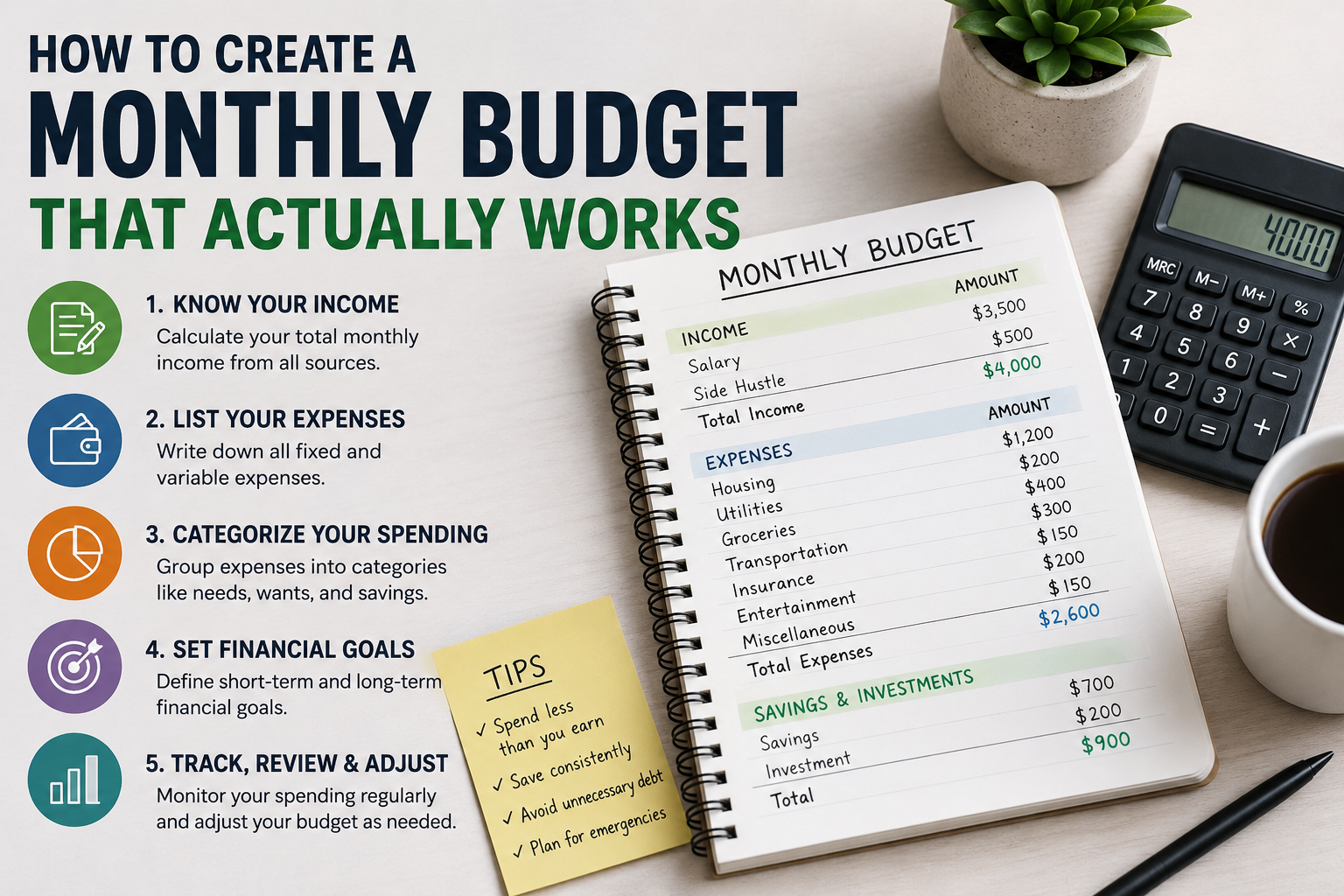
1. Create a Monthly Budget
A budget helps you understand where your money goes.
List:
- Monthly income
- Fixed expenses
- Variable expenses
- Savings goals
- Debt payments
A simple budgeting method like the 50/30/20 Rule can help:
- 50% for needs
- 30% for wants
- 20% for savings and investments
Tracking your finances is the first step toward saving more.
2. Pay Yourself First
Instead of saving what’s left after spending, reverse the process.
As soon as you receive your income:
- Transfer a fixed amount to savings.
- Treat savings like a mandatory monthly bill.
- Automate transfers whenever possible.
This strategy makes saving consistent and effortless.
3. Build an Emergency Fund
Unexpected expenses can happen at any time.
Aim to save:
- At least three to six months of living expenses
- Start with a small goal such as one month’s expenses if you’re a beginner
An emergency fund helps you avoid borrowing money during difficult situations.
4. Track Every Expense
Many people underestimate small daily expenses.
Monitor spending on:
- Coffee
- Snacks
- Online shopping
- Food delivery
- Entertainment
- Subscriptions
Expense tracking helps identify unnecessary spending and opportunities to save.
5. Reduce Impulse Buying
Impulse purchases can quickly drain your budget.
Before buying something:
- Wait 24 hours.
- Ask yourself if it’s a need or a want.
- Compare prices.
- Read reviews.
- Look for discounts.
Delaying purchases often reduces unnecessary spending.
6. Cook More Meals at Home
Eating out regularly is expensive.
Preparing meals at home:
- Saves money
- Improves nutrition
- Reduces food waste
- Encourages healthier eating habits
Meal planning also helps avoid unnecessary grocery purchases.
7. Cancel Unused Subscriptions
Review your recurring monthly payments.
Check for:
- Streaming services
- Gym memberships
- Premium apps
- Cloud storage
- Magazine subscriptions
Cancel services you rarely use and redirect those savings toward your financial goals.
8. Shop Smart
Before making purchases:
- Compare prices across retailers.
- Use coupons and cashback offers.
- Buy during seasonal sales.
- Purchase quality products that last longer.
- Avoid emotional shopping.
Smart shopping helps maximize the value of every dollar spent.
9. Set Clear Financial Goals
Saving becomes easier when you have a purpose.
Examples include:
Short-Term Goals
- Emergency fund
- Vacation
- New laptop
- Paying off credit cards
Long-Term Goals
- Home purchase
- Retirement
- Children’s education
- Starting a business
Specific goals keep you motivated to save consistently.
10. Avoid High-Interest Debt
Credit card debt can significantly reduce your ability to save.
Focus on:
- Paying bills on time
- Reducing outstanding balances
- Avoiding unnecessary borrowing
- Paying more than the minimum amount whenever possible
Less debt means more money available for savings.
11. Save Windfalls and Bonuses
Whenever you receive unexpected money, consider saving a significant portion.
Examples include:
- Tax refunds
- Work bonuses
- Gifts
- Freelance income
- Cashback rewards
Rather than increasing spending, use these funds to strengthen your savings.
12. Automate Your Savings
Automation removes the temptation to spend.
Set up automatic transfers from your checking account to:
- Savings accounts
- Investment accounts
- Retirement funds
Consistency is more important than saving large amounts occasionally.
13. Reduce Utility Bills
Simple habits can lower monthly expenses.
Examples:
- Turn off unused lights
- Use energy-efficient appliances
- Reduce water waste
- Unplug unused electronics
- Adjust air conditioning settings
These small changes add up over time.
14. Start Investing Early
Once you have an emergency fund, consider investing.
Early investing benefits from compound growth, allowing your money to grow over the long term.
Beginners should research investment options that match their goals and risk tolerance.
Common Money-Saving Mistakes
Avoid these mistakes:
- Not having a budget
- Ignoring small expenses
- Saving inconsistently
- Overspending on lifestyle upgrades
- Carrying high-interest debt
- Shopping without a plan
- Failing to set financial goals
Recognizing these habits helps improve financial discipline.
Best Habits of Successful Savers
People who consistently save money often:
- Live below their means
- Track expenses regularly
- Avoid unnecessary debt
- Plan purchases carefully
- Review financial goals monthly
- Invest for long-term growth
- Continue learning about personal finance
These habits create lasting financial success.
Frequently Asked Questions
What is the easiest way to start saving money?
Start by creating a budget, tracking expenses, and automatically transferring a fixed amount to your savings account each month.
How much money should beginners save?
A common recommendation is to save at least 20% of your monthly income. If that’s not possible, start with a smaller percentage and gradually increase it.
Why is saving money difficult?
Many people struggle because they don’t have a budget, spend impulsively, or fail to set clear financial goals. Building consistent habits makes saving easier.
Should I save or pay off debt first?
It’s generally wise to build a small emergency fund first while making minimum debt payments. Then focus on paying off high-interest debt before increasing investments.
How can I save money on a low income?
Budget carefully, reduce unnecessary expenses, automate small savings, cook at home, avoid debt, and look for opportunities to increase your income through side hustles or freelance work.
Tips to Stay Motivated
- Celebrate small savings milestones.
- Visualize your financial goals.
- Review your progress every month.
- Avoid comparing your finances with others.
- Focus on consistency instead of perfection.
- Remember that small daily savings become significant over time.
Conclusion
Saving money doesn’t require a high income—it requires smart financial habits and consistency. By creating a realistic budget, tracking your expenses, avoiding unnecessary purchases, and setting clear financial goals, you can build a strong financial foundation regardless of your income level.
The journey to financial freedom begins with small, intentional steps. Start saving today, stay disciplined, and let your money work toward a more secure and prosperous future.
Also read How to Create a Monthly Budget That Actually Works












Leave a Reply