


Managing money effectively is one of the most important life skills you can develop. Whether you’re a student, a working professional, a freelancer, or a business owner, understanding personal finance helps you make informed decisions, reduce financial stress, and build long-term wealth.
Personal finance isn’t just about earning more money—it’s about managing what you earn wisely. This comprehensive guide covers budgeting, saving, investing, debt management, retirement planning, taxes, insurance, passive income, and the latest financial trends to help you achieve financial stability and independence in 2026 and beyond.
What Is Personal Finance?
Personal finance refers to how individuals manage their income, expenses, savings, investments, and financial goals. It includes everyday money decisions, such as paying bills, saving for emergencies, investing for the future, and planning for retirement.
Good personal finance habits help you:
- Reduce financial stress
- Achieve financial independence
- Prepare for emergencies
- Build wealth over time
- Reach life goals such as buying a home, funding education, or starting a business
Why Personal Finance Matters
Financial literacy empowers you to make informed decisions. Benefits include:
- Better control over spending
- Increased savings
- Improved creditworthiness
- Lower debt
- Long-term financial security
- Peace of mind during unexpected situations
Setting SMART Financial Goals
Financial goals should be:
- Specific: Clearly define your objective.
- Measurable: Track your progress.
- Achievable: Set realistic expectations.
- Relevant: Align with your priorities.
- Time-bound: Assign a deadline.
Examples:
- Save ₹1,00,000 for an emergency fund within 12 months.
- Pay off a personal loan in two years.
- Invest 20% of monthly income for retirement.
Creating a Monthly Budget
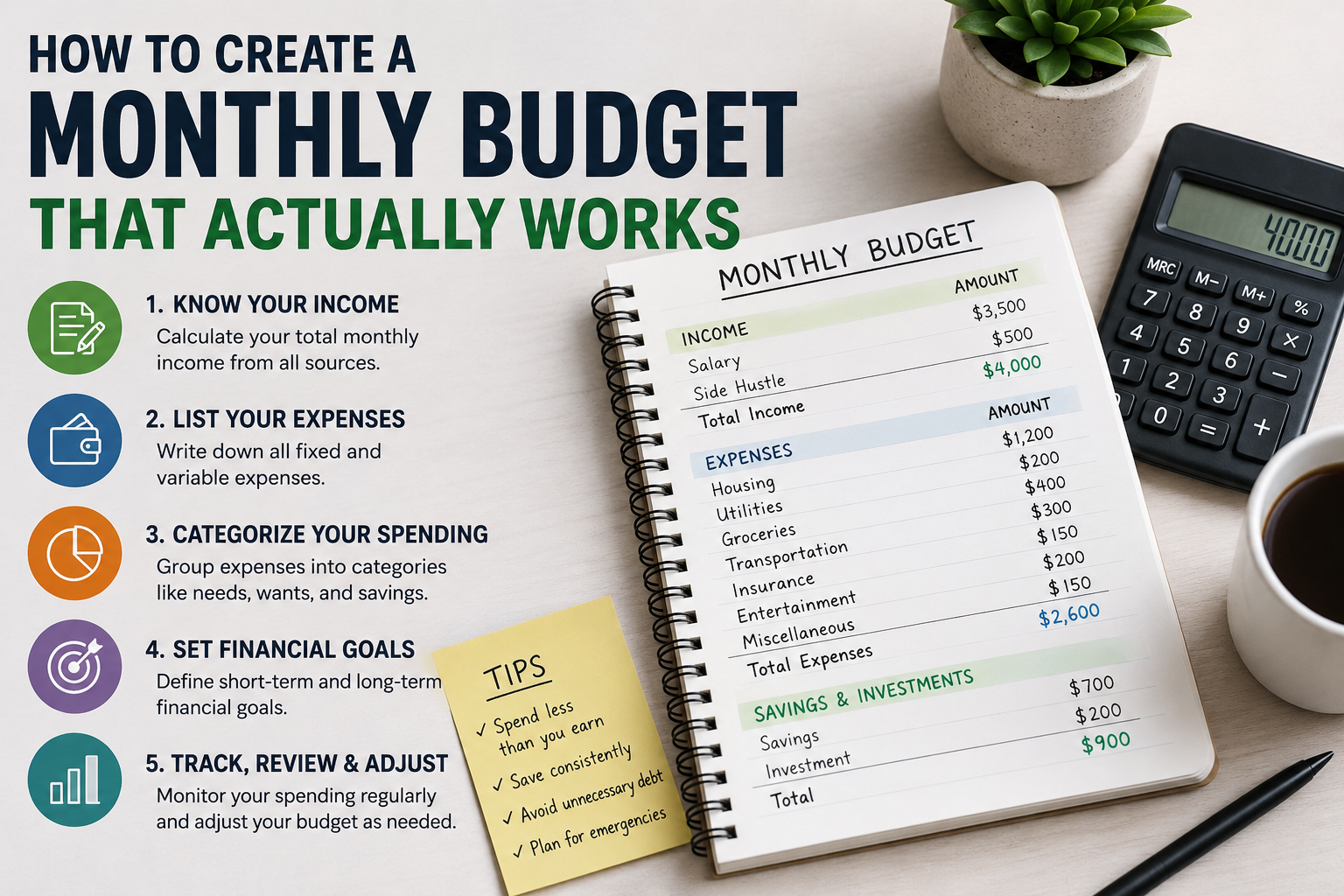
A budget helps you understand where your money goes and ensures you’re living within your means.
Popular Budgeting Methods
50/30/20 Rule
- 50% for needs (housing, food, utilities)
- 30% for wants (entertainment, dining)
- 20% for savings and investments
Zero-Based Budget
Assign every rupee of income to a specific purpose until your income minus expenses equals zero.
Envelope Budgeting
Allocate cash into separate envelopes for different spending categories to control expenses.
Suggested internal link:
Building an Emergency Fund
An emergency fund protects you from unexpected financial shocks such as medical expenses, job loss, or urgent repairs.
How Much Should You Save?
Aim for 3–6 months of essential living expenses. Keep this money in a liquid, easily accessible account.
Saving Money Effectively
Smart saving strategies include:
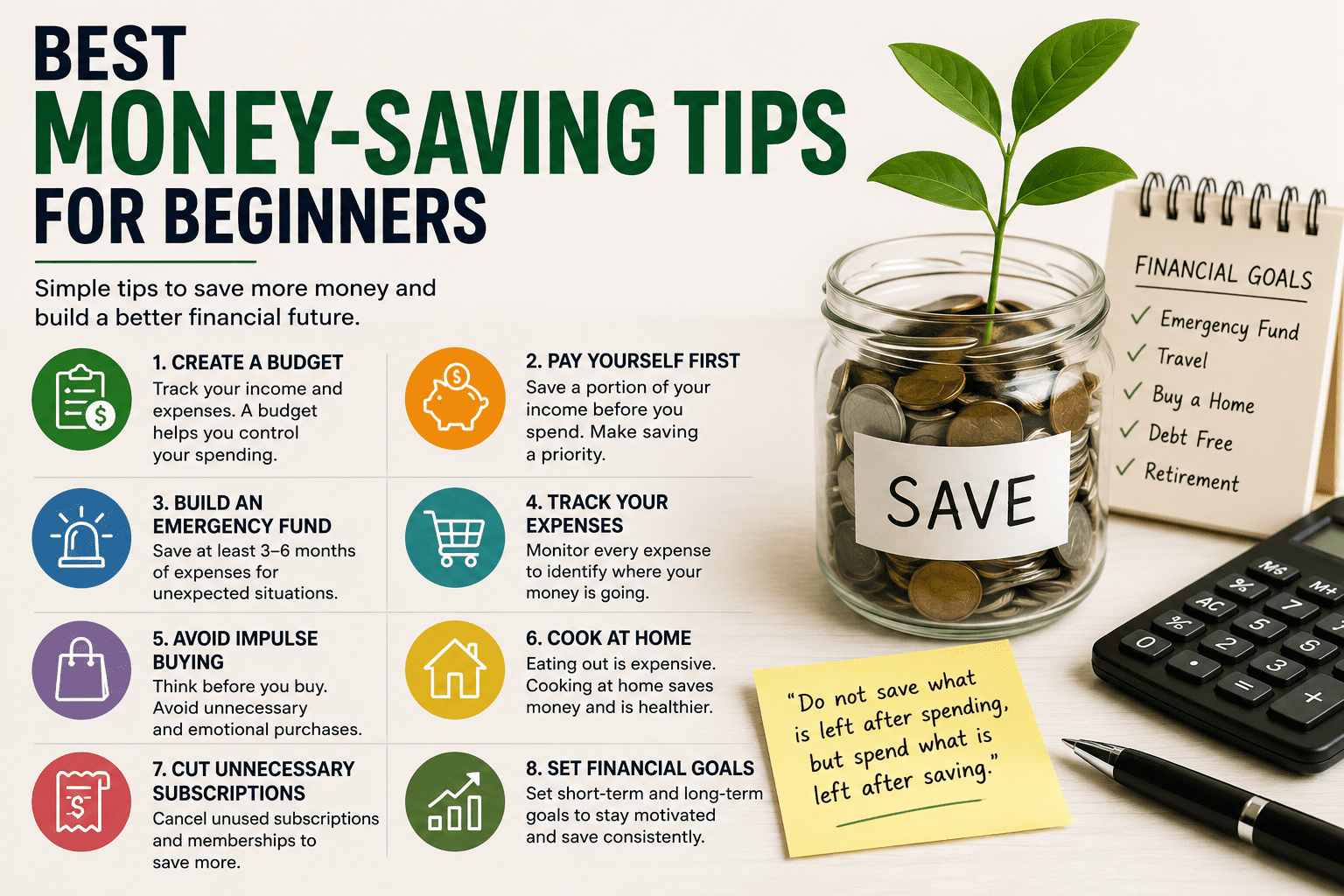
- Automate savings transfers.
- Track discretionary spending.
- Avoid impulse purchases.
- Compare prices before buying.
- Use cashback and rewards wisely.
- Set short-term and long-term savings goals.
Suggested internal link:
Understanding Banking
Choosing the right banking products can improve your financial management.
Topics to cover:
- Savings accounts
- Current accounts
- Fixed deposits
- Recurring deposits
- Digital banking
- UPI and mobile payments
Managing Debt
Not all debt is bad, but high-interest debt can hinder financial growth.
Debt Repayment Strategies
Debt Snowball
Pay off the smallest debt first to build momentum.
Debt Avalanche
Pay off the highest-interest debt first to minimize total interest paid.
Credit Scores Explained
Your credit score affects your ability to obtain loans and credit cards.
Factors influencing your score:
- Payment history
- Credit utilization
- Length of credit history
- Types of credit
- New credit inquiries
Tips to improve your score:
- Pay bills on time.
- Keep credit utilization low.
- Avoid unnecessary loan applications.
- Review your credit report regularly.
Investing for Beginners
Investing helps your money grow over time through compounding.
Common Investment Options
- Stocks
- Bonds
- Mutual funds
- Exchange-Traded Funds (ETFs)
- Real estate
- Gold
- Public Provident Fund (PPF)
- National Pension System (NPS)
Key principles:
- Start early.
- Diversify your investments.
- Invest consistently.
- Understand your risk tolerance.
Retirement Planning
Planning for retirement ensures financial independence later in life.
Steps include:
- Estimate future expenses.
- Calculate retirement savings needs.
- Invest in retirement-focused products.
- Review your plan annually.
Insurance Basics
Insurance protects you from financial loss.
Essential types:
- Health insurance
- Life insurance
- Vehicle insurance
- Home insurance
- Disability insurance (where applicable)
Choose coverage based on your needs and risk profile.
Tax Planning
Effective tax planning helps you legally reduce your tax burden.
Strategies include:
- Claim eligible deductions.
- Invest in tax-saving instruments.
- Maintain accurate financial records.
- Consult a qualified tax professional for complex situations.
Passive Income Ideas
Building passive income can accelerate wealth creation.
Examples:
- Dividend-paying investments
- Rental income
- Digital products (eBooks, templates)
- Online courses
- Affiliate marketing
- Blogging
- YouTube channels
- Royalties from creative work
Personal Finance Apps and Tools
Useful tools include:
- Budget trackers
- Expense managers
- Investment platforms
- Retirement calculators
- Net worth trackers
- Goal-based savings apps
Financial Mistakes to Avoid
Common pitfalls include:
- Living beyond your means
- Not having an emergency fund
- Ignoring insurance
- Carrying high-interest debt
- Delaying investments
- Failing to diversify
- Making emotional investment decisions
- Neglecting retirement planning
Money Habits of Financially Successful People
Many financially successful individuals share these habits:
- They budget consistently.
- They save before spending.
- They invest regularly.
- They continue learning about money.
- They avoid unnecessary debt.
- They review financial goals periodically.
- They focus on long-term growth instead of short-term gains.
Financial Planning by Age
In Your 20s
- Build budgeting habits.
- Start investing early.
- Create an emergency fund.
In Your 30s
- Increase retirement contributions.
- Buy appropriate insurance.
- Plan for family expenses.
In Your 40s
- Accelerate wealth building.
- Diversify investments.
- Reduce outstanding debt.
In Your 50s and Beyond
- Maximize retirement savings.
- Plan withdrawals strategically.
- Review estate planning.
Future Trends in Personal Finance
Emerging trends include:
- AI-powered financial assistants
- Robo-advisors
- Digital banking innovations
- Open banking
- Sustainable investing (ESG)
- Personalized financial planning through data analytics
Frequently Asked Questions (FAQ)
What is personal finance?
Personal finance involves managing income, expenses, savings, investments, and financial planning to achieve personal goals.
How much should I save every month?
A common guideline is to save at least 20% of your income, but the ideal amount depends on your financial goals and circumstances.
What is the best budgeting method?
The best budgeting method is the one you can consistently follow. The 50/30/20 rule is a popular starting point for many people.
When should I start investing?
The earlier you start, the more you can benefit from long-term compounding. Even small, regular investments can grow significantly over time.
Why is an emergency fund important?
It provides financial security during unexpected events such as job loss, medical emergencies, or urgent repairs, helping you avoid unnecessary debt.
Is passive income really passive?
Many passive income sources require significant upfront effort or investment. Over time, they may require less ongoing work but often still need maintenance.
Conclusion
Personal finance is a lifelong journey that combines smart budgeting, disciplined saving, thoughtful investing, and continuous learning. By building strong financial habits today, you can reduce stress, prepare for uncertainties, and create lasting wealth for yourself and your family.
Whether you’re just starting your financial journey or refining an existing plan, consistent action and informed decision-making are the keys to achieving financial success.










Leave a Reply