


Achieving financial success is not about earning a massive salary or getting lucky with investments. In reality, long-term wealth and financial stability are often the result of consistent habits practiced over many years. Small financial decisions made daily can have a significant impact on your future financial well-being.
The good news is that anyone can develop positive money habits regardless of their current financial situation. By adopting smart financial practices and staying disciplined, you can build wealth, reduce stress, and achieve your financial goals.
In this article, we’ll explore the best financial habits for long-term success and how you can incorporate them into your daily life.
Why Financial Habits Matter
Financial habits shape the way you earn, spend, save, and invest money. Good habits create a strong foundation for financial security, while poor habits can lead to debt, stress, and missed opportunities.
Benefits of strong financial habits include:
- Better money management
- Increased savings
- Reduced debt
- Improved financial confidence
- Greater investment opportunities
- Enhanced financial freedom
- Long-term wealth creation
The earlier you develop these habits, the more powerful their impact becomes.
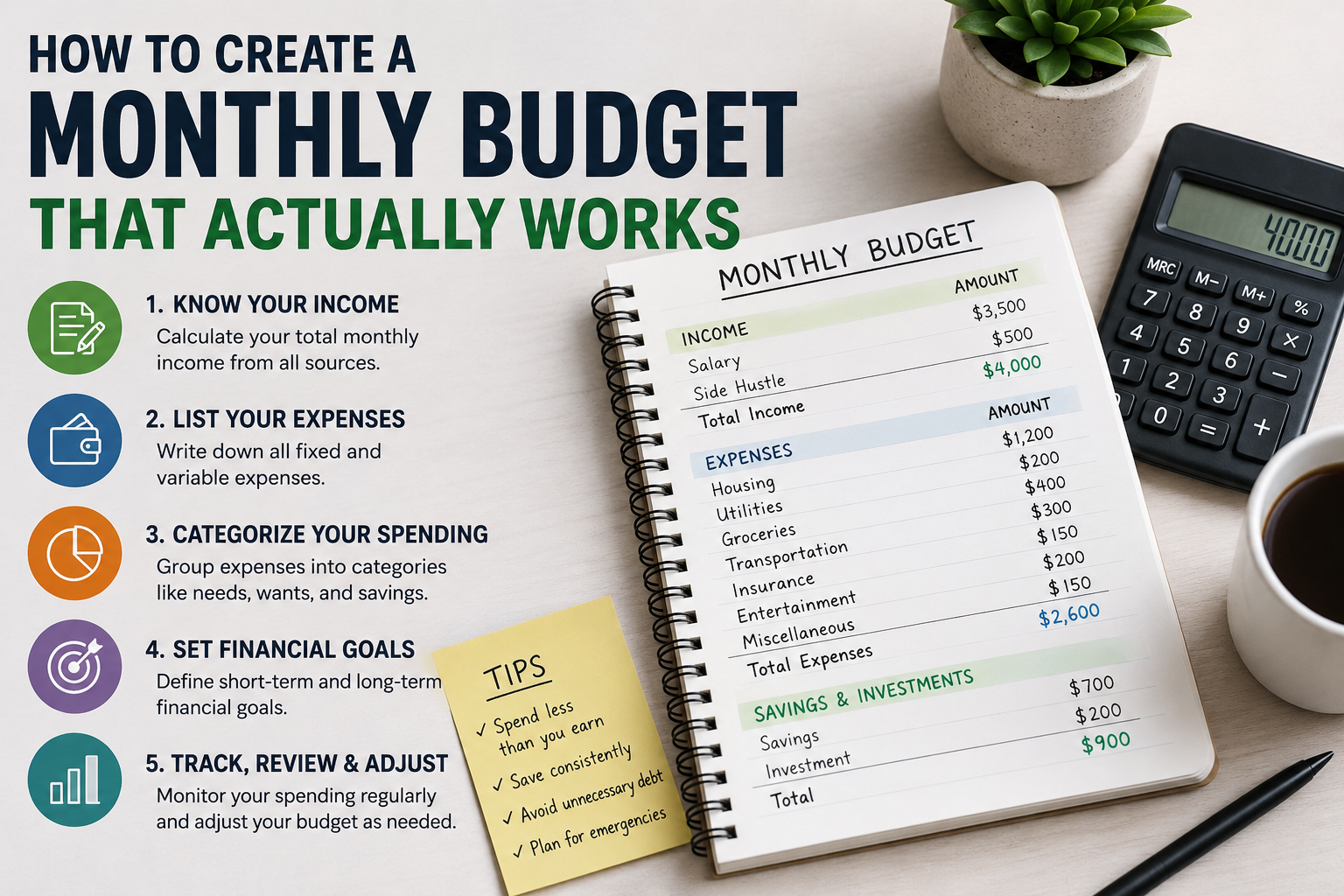
1. Create and Follow a Budget
A budget is one of the most important tools for financial success.
Without a budget, it’s easy to overspend and lose track of your financial goals. A budget helps you understand where your money goes and ensures that every dollar serves a purpose.
Tips for Effective Budgeting
- Track all income and expenses
- Categorize spending
- Set monthly limits
- Review your budget regularly
- Adjust as your financial situation changes
Budgeting creates awareness and encourages responsible spending.
2. Pay Yourself First
One of the most effective wealth-building habits is saving before spending.
When you receive income, allocate a portion directly toward savings and investments before paying for discretionary expenses.
This habit ensures consistent progress toward:
- Emergency funds
- Retirement savings
- Investment goals
- Major purchases
Automating savings can make this process effortless.
3. Build an Emergency Fund
Life is unpredictable, and unexpected expenses can arise at any time.
An emergency fund protects you from financial setbacks such as:
- Medical emergencies
- Job loss
- Car repairs
- Home maintenance costs
Aim to save at least three to six months of living expenses in an easily accessible account.
An emergency fund provides peace of mind and financial stability.
4. Live Below Your Means
Many people increase spending as their income grows.
This phenomenon, known as lifestyle inflation, can prevent long-term wealth accumulation.
Living below your means involves:
- Avoiding unnecessary purchases
- Limiting impulse spending
- Choosing value over status
- Saving and investing excess income
This simple habit creates more opportunities for financial growth.
5. Eliminate High-Interest Debt
Debt can significantly slow financial progress.
High-interest debts such as credit card balances can quickly become expensive and difficult to manage.
Strategies include:
- Paying more than minimum payments
- Prioritizing high-interest debt
- Avoiding unnecessary borrowing
- Creating a debt repayment plan
Reducing debt increases available cash flow for saving and investing.
6. Invest Consistently
Saving money alone may not be enough to build substantial wealth.
Investing allows your money to grow over time through market returns and compound growth.
Popular investment options include:
- Stocks
- Mutual funds
- Index funds
- Bonds
- Real estate
The key is consistency rather than trying to predict market movements.
7. Take Advantage of Compound Interest
Compound interest is one of the most powerful concepts in personal finance.
It allows your money to generate returns on both the original investment and accumulated earnings.
The longer your money remains invested, the greater the impact of compounding.
Starting early gives you a significant advantage in building long-term wealth.
8. Set Clear Financial Goals
People who establish specific financial goals are more likely to succeed financially.
Examples include:
Short-Term Goals
- Building an emergency fund
- Paying off debt
- Saving for a vacation
Long-Term Goals
- Buying a home
- Retirement planning
- Achieving financial independence
Clear goals provide direction and motivation.
9. Track Your Spending
Many people underestimate how much they spend each month.
Tracking expenses helps identify:
- Spending leaks
- Unnecessary subscriptions
- Impulse purchases
- Areas for improvement
Financial awareness is the first step toward better money management.
10. Continue Financial Education
Financial literacy is a lifelong journey.
The more you understand personal finance, investing, and wealth-building strategies, the better financial decisions you can make.
Ways to improve financial knowledge include:
- Reading books
- Listening to finance podcasts
- Following reputable financial blogs
- Taking online courses
- Learning from experienced investors
Knowledge can significantly improve your financial outcomes.
11. Avoid Emotional Spending
Many purchasing decisions are driven by emotions rather than necessity.
Common emotional spending triggers include:
- Stress
- Boredom
- Social pressure
- Impulse buying
Before making large purchases, consider:
- Whether the purchase aligns with your goals
- If it’s a need or a want
- Whether waiting a few days changes your perspective
Mindful spending supports long-term financial success.
12. Diversify Your Investments
Putting all your money into a single investment increases risk.
Diversification helps protect your portfolio by spreading investments across different asset classes.
Examples include:
- Stocks
- Bonds
- Mutual funds
- Real estate
- International investments
A diversified portfolio can reduce volatility and improve long-term stability.
13. Review Financial Progress Regularly
Financial success requires ongoing monitoring.
Schedule regular reviews of:
- Budget performance
- Savings goals
- Investment growth
- Debt repayment progress
Monthly and annual financial checkups help ensure you’re moving in the right direction.
14. Protect Your Financial Future
Protecting your wealth is just as important as building it.
Consider:
- Health insurance
- Life insurance
- Disability coverage
- Estate planning
- Emergency savings
Risk management prevents unexpected events from disrupting your financial goals.
15. Practice Patience and Discipline
Wealth building takes time.
Many people become discouraged when they don’t see immediate results.
Successful investors understand that financial growth is often slow and steady rather than quick and dramatic.
Consistency, patience, and discipline are essential for long-term success.
Common Financial Habits to Avoid
Avoid these behaviors that can hinder financial progress:
- Overspending
- Carrying credit card debt
- Ignoring budgets
- Chasing get-rich-quick schemes
- Failing to save regularly
- Investing without research
- Delaying financial planning
Replacing bad habits with positive ones can dramatically improve financial outcomes.
The Power of Small Financial Changes
Many people believe they need major lifestyle changes to improve their finances.
In reality, small improvements often produce significant long-term results.
Examples include:
- Saving a little more each month
- Investing consistently
- Reducing unnecessary expenses
- Paying off debt faster
Over time, these actions compound into meaningful financial success.
Conclusion
Developing the best financial habits for long-term success is one of the most effective ways to achieve financial security and wealth. Habits such as budgeting, saving consistently, investing wisely, eliminating debt, and continuing financial education can transform your financial future. While building wealth takes time, consistent positive actions create powerful long-term results.
Start with one or two habits today and gradually incorporate more into your financial routine. The sooner you develop strong financial habits, the sooner you’ll move closer to financial freedom, stability, and lasting success.














Leave a Reply