

Introduction
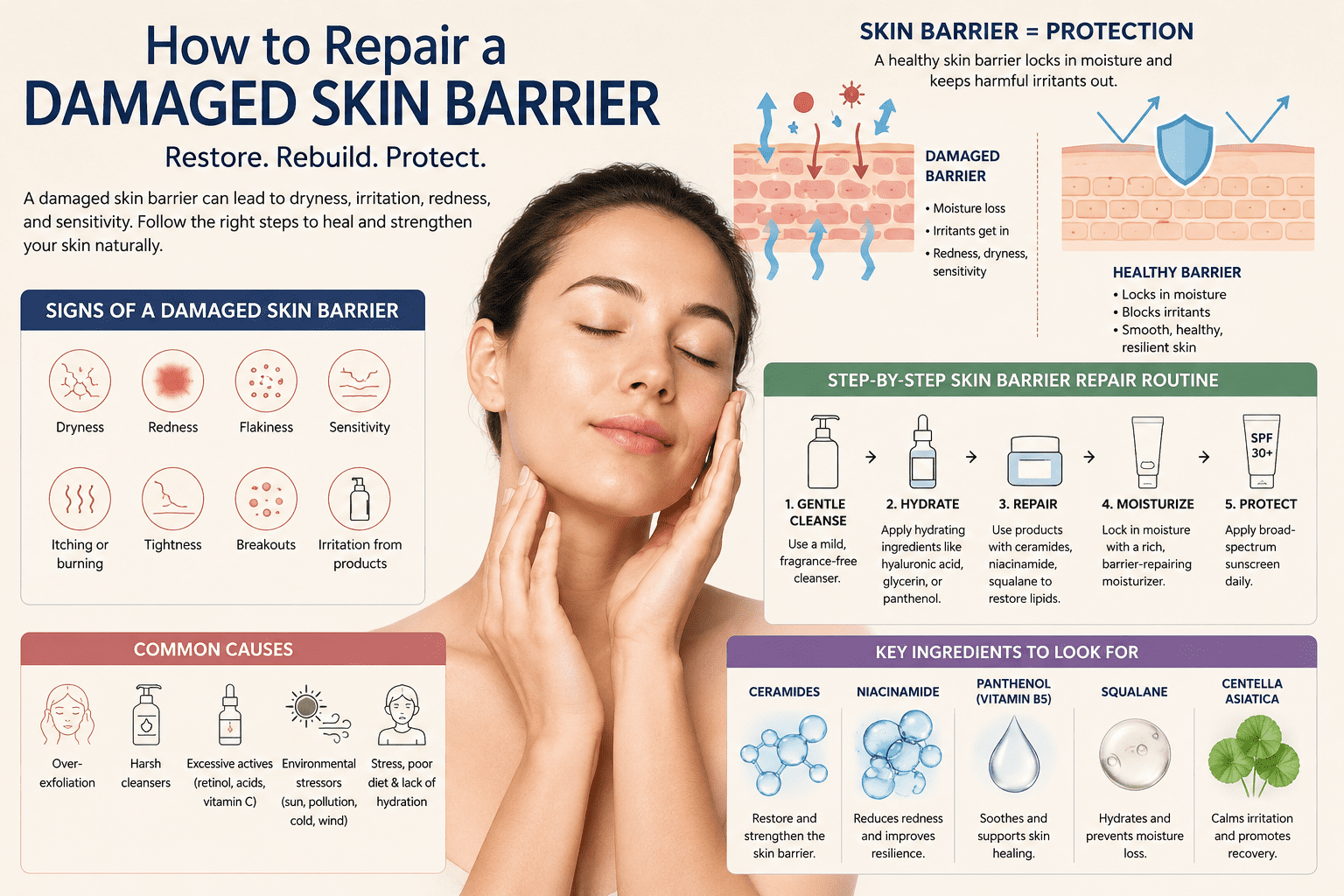
A healthy skin barrier is essential for maintaining smooth, hydrated, and resilient skin. However, over-exfoliation, harsh skincare products, environmental stressors, and lifestyle factors can weaken this protective layer. When your skin barrier becomes damaged, it may result in dryness, irritation, redness, sensitivity, and breakouts.
Understanding how to repair a damaged skin barrier is crucial for restoring your skin’s natural defense system and achieving long-term skin health. This guide explains everything you need to know about identifying, treating, and preventing skin barrier damage.
What Is the Skin Barrier?
The skin barrier, also known as the stratum corneum, is the outermost layer of the skin. It acts as a protective shield that:
- Prevents moisture loss
- Blocks harmful bacteria and pollutants
- Protects against environmental damage
- Maintains skin hydration
- Supports overall skin health
Think of the skin barrier as a brick wall. The skin cells are the bricks, while lipids such as ceramides, cholesterol, and fatty acids act as the mortar holding everything together.
Signs of a Damaged Skin Barrier
Recognizing the symptoms early can help prevent further damage.
Common Signs Include:
- Persistent dryness
- Flaky or peeling skin
- Redness and inflammation
- Increased sensitivity
- Itching or burning sensation
- Tightness after cleansing
- Frequent breakouts
- Rough skin texture
- Increased reaction to skincare products
If your skin suddenly becomes irritated by products you’ve used for years, your skin barrier may be compromised.
What Causes Skin Barrier Damage?
Several factors can weaken the skin’s protective layer.
1. Over-Exfoliation
Using chemical exfoliants or physical scrubs too frequently can strip away essential oils and protective lipids.
2. Harsh Cleansers
Products containing strong sulfates and alcohols can disrupt the skin’s natural balance.
3. Excessive Use of Active Ingredients
Overusing ingredients such as:
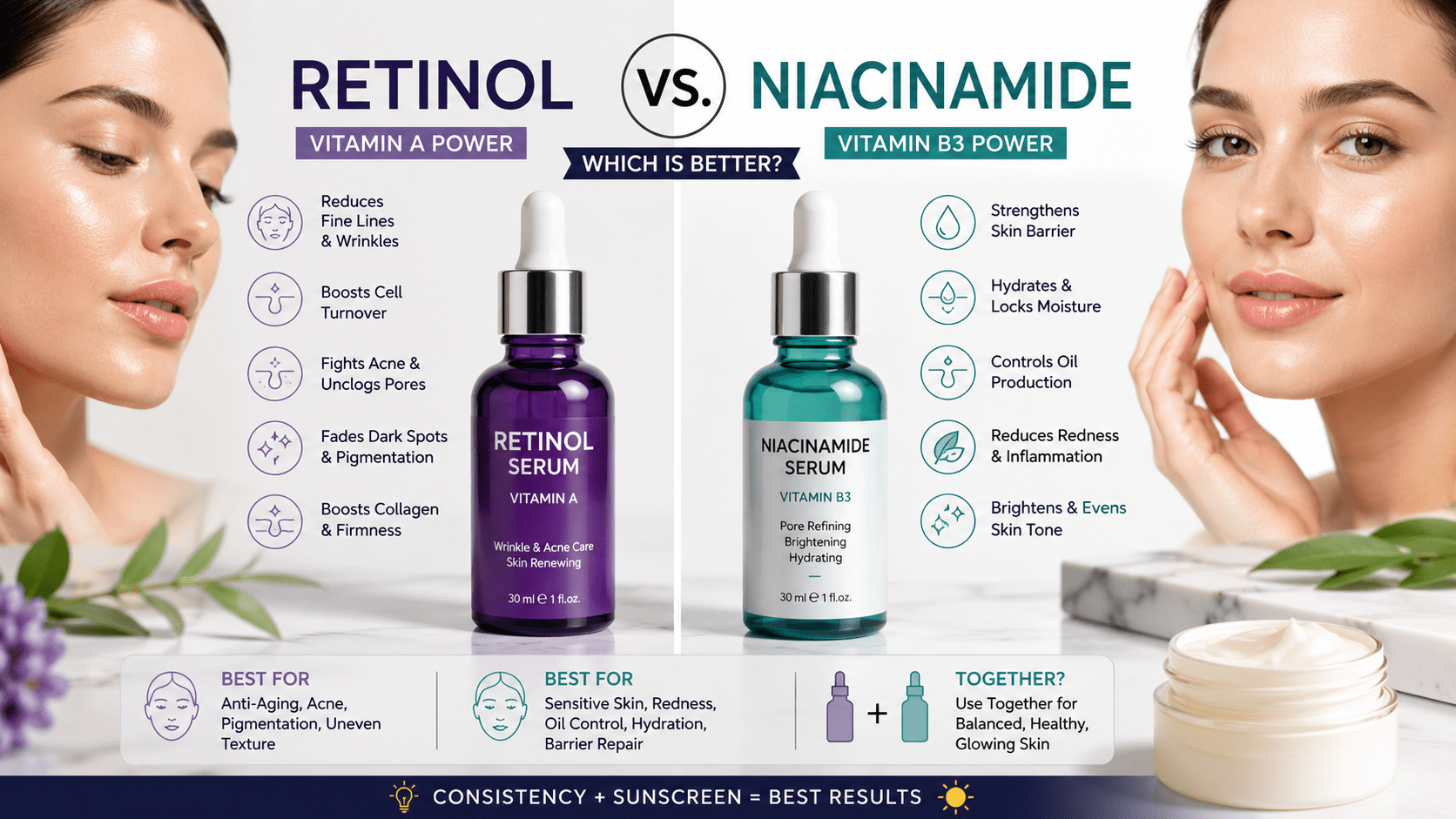
- Retinol
- AHAs
- BHAs
- Benzoyl peroxide
- Vitamin C
can lead to irritation and barrier damage.
4. Environmental Factors
Exposure to:
- UV rays
- Pollution
- Extreme temperatures
- Low humidity
can compromise skin health.
5. Poor Lifestyle Habits
Factors such as:
- Lack of sleep
- Stress
- Dehydration
- Poor nutrition
can negatively impact the skin barrier.
How to Repair a Damaged Skin Barrier
Repairing a compromised skin barrier requires patience and a simplified skincare routine.
Step 1: Stop Using Harsh Products
Temporarily discontinue:
- Strong exfoliants
- Retinoids
- Peels
- High-strength acids
Allow your skin time to recover without additional irritation.
Step 2: Use a Gentle Cleanser
Choose a fragrance-free, sulfate-free cleanser that cleans without stripping natural oils.
Look for ingredients such as:
- Glycerin
- Ceramides
- Aloe vera
- Oat extract
Step 3: Focus on Hydration
Hydration is one of the most important steps in barrier repair.
Use products containing:
Hyaluronic Acid
Helps attract and retain moisture.
Glycerin
A powerful humectant that keeps skin hydrated.
Panthenol (Vitamin B5)
Supports healing and reduces inflammation.
Step 4: Restore Essential Lipids
Rebuilding the skin barrier requires replenishing lost lipids.
Look for moisturizers rich in:
- Ceramides
- Cholesterol
- Fatty acids
- Squalane
These ingredients help repair the skin’s natural protective structure.
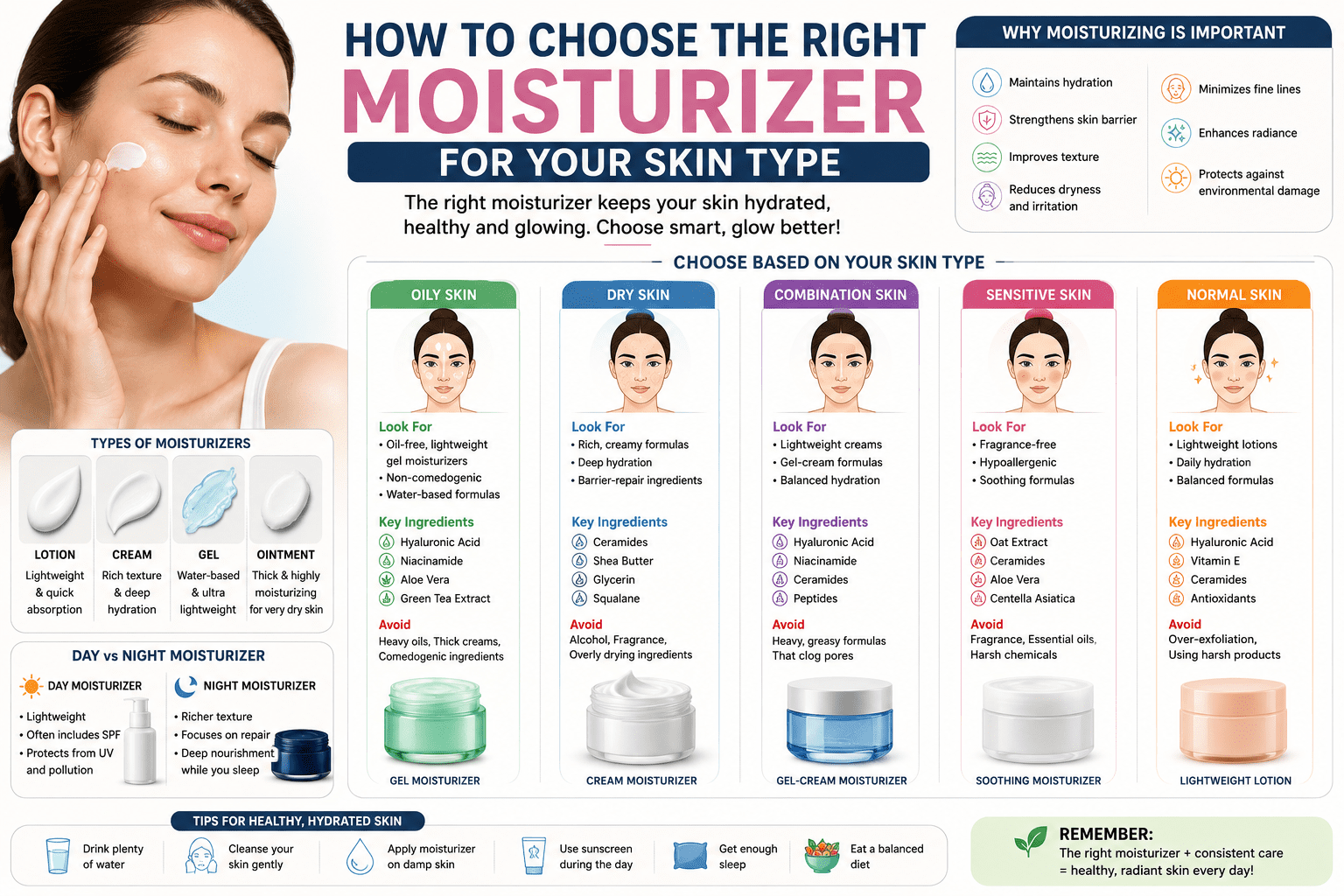
Step 5: Apply a Rich Moisturizer
A quality moisturizer creates a protective seal that reduces water loss.
Ideal ingredients include:
- Shea butter
- Ceramides
- Oat extract
- Dimethicone
- Squalane
Apply moisturizer twice daily for best results.
Step 6: Protect Your Skin with Sunscreen
UV damage can significantly delay skin barrier recovery.
Use:
- Broad-spectrum SPF 30 or higher
- Mineral sunscreens if your skin is sensitive
Daily sun protection is essential even on cloudy days.
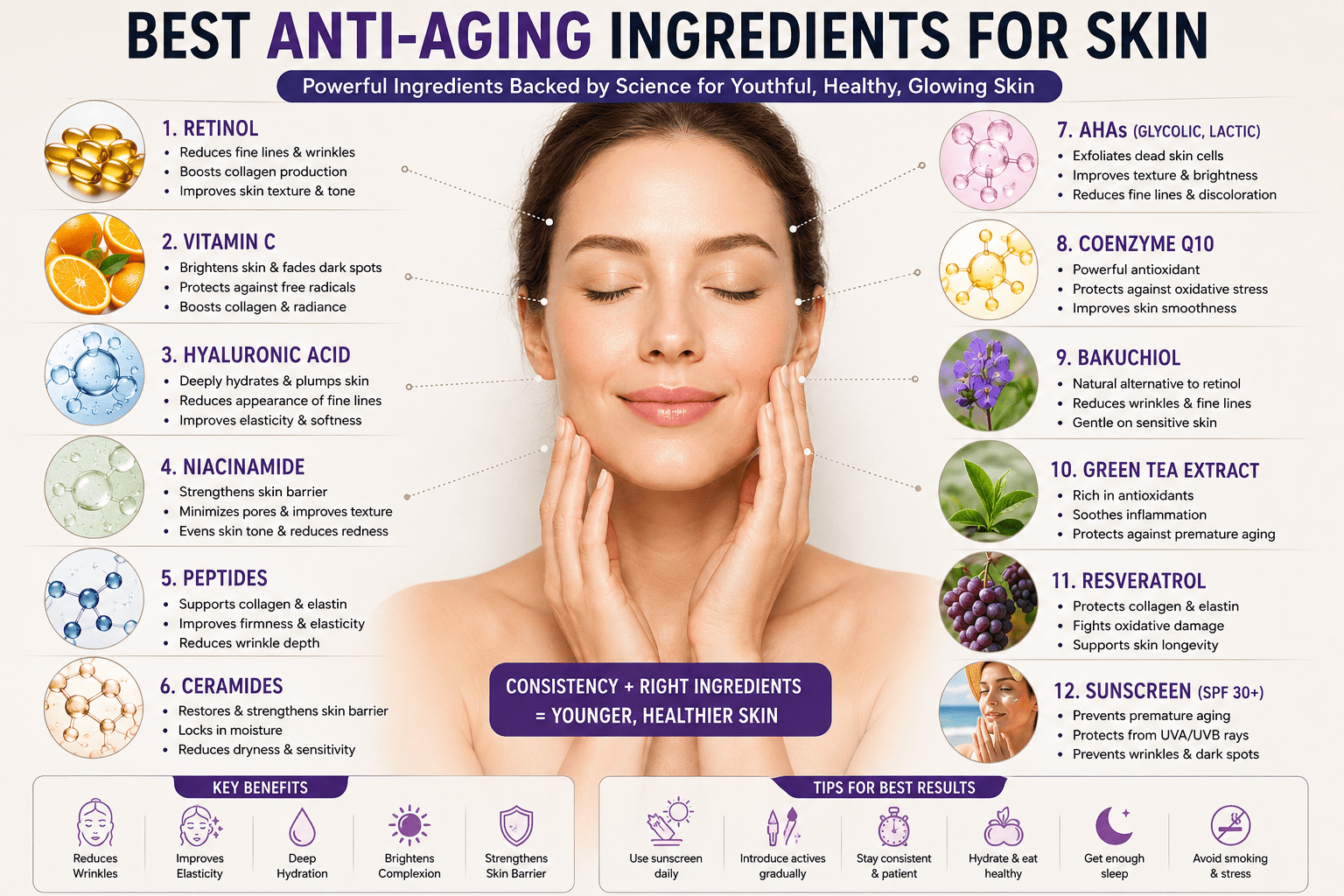
Best Ingredients for Skin Barrier Repair
Ceramides
Restore the skin’s natural lipid barrier and improve moisture retention.
Niacinamide
Reduces inflammation and strengthens skin resilience.
Panthenol
Supports healing and hydration.
Colloidal Oatmeal
Calms irritation and relieves itching.
Squalane
Provides lightweight moisture and protects against water loss.
Centella Asiatica
Promotes healing and reduces redness.
Ingredients to Avoid During Recovery
While repairing your skin barrier, avoid:
- Alcohol-based toners
- Strong exfoliants
- Fragrances
- Essential oils
- Retinoids
- High-concentration acids
- Harsh scrubs
Reducing irritation allows the skin to heal more efficiently.
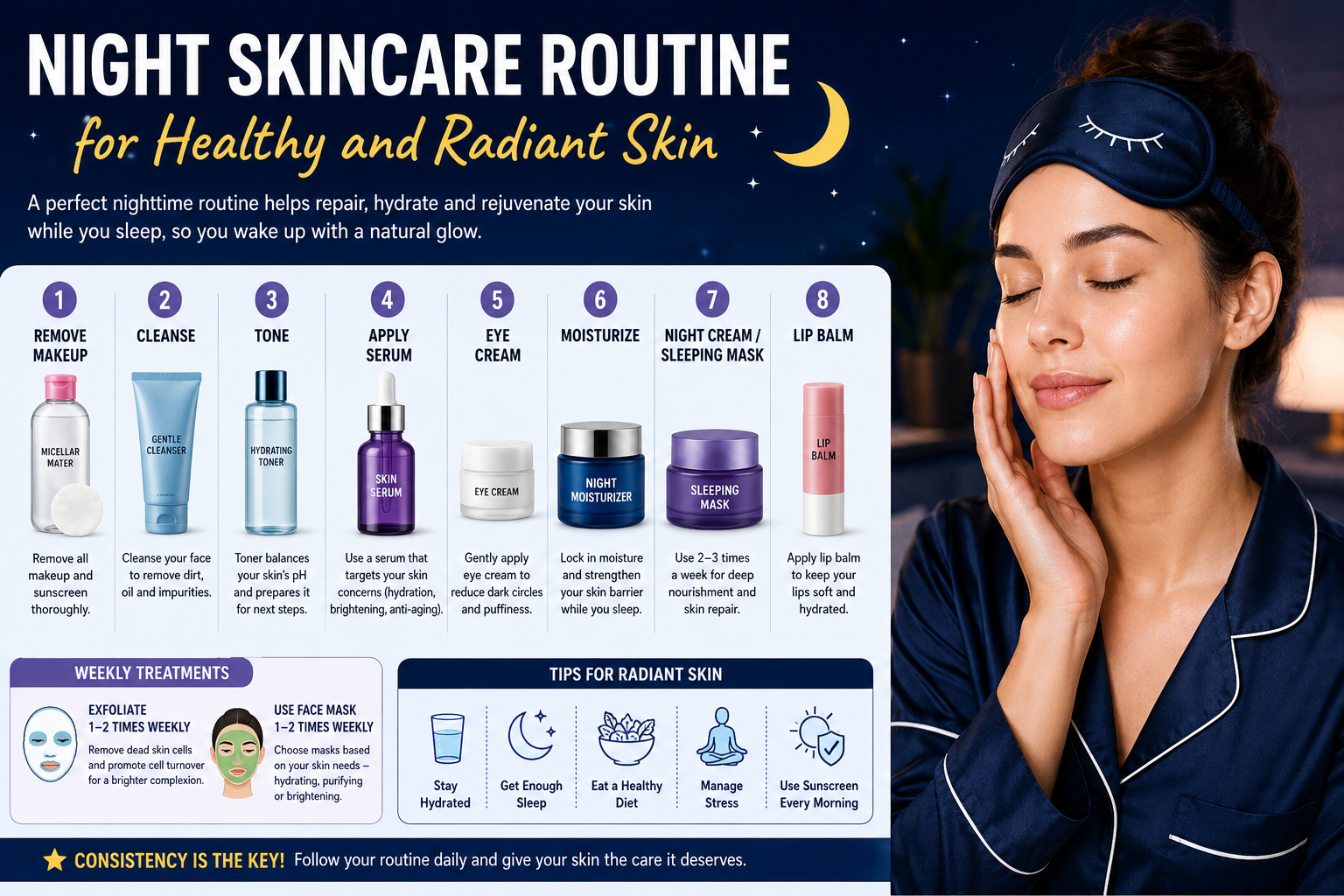
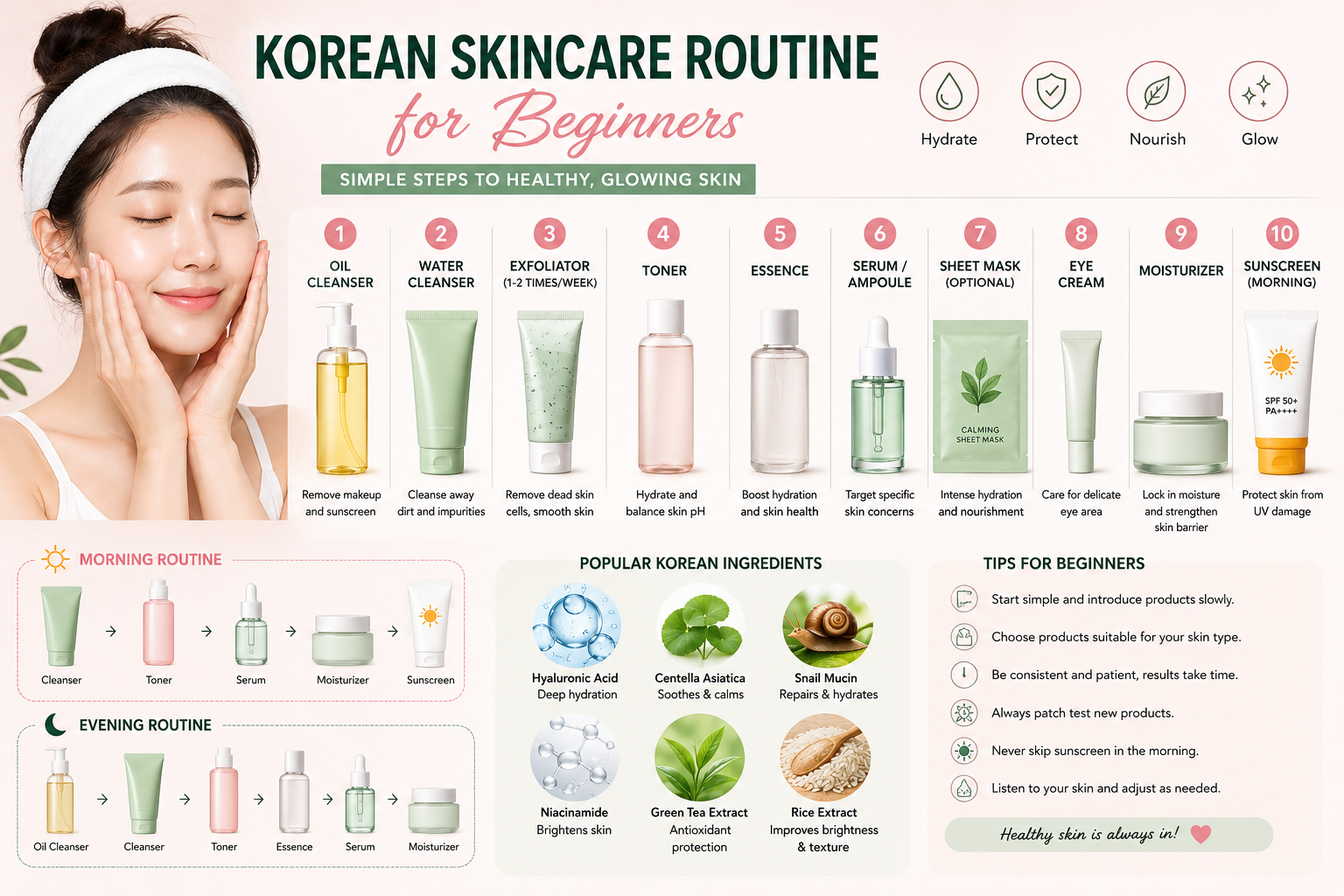
Simple Skin Barrier Repair Routine
Morning Routine
- Gentle cleanser
- Hydrating serum
- Ceramide moisturizer
- Broad-spectrum sunscreen
Evening Routine
- Gentle cleanser
- Hydrating serum
- Barrier repair moisturizer
Keep the routine simple until your skin fully recovers.
Foods That Support Skin Barrier Health
Nutrition plays an important role in skin repair.
Eat More:
- Fatty fish
- Avocados
- Nuts and seeds
- Sweet potatoes
- Leafy greens
- Berries
- Eggs
Stay Hydrated
Drink adequate water daily to support skin hydration from within.
How Long Does It Take to Repair a Damaged Skin Barrier?
Recovery time varies depending on the severity of the damage.
Mild Damage
- 1 to 2 weeks
Moderate Damage
- 2 to 6 weeks
Severe Damage
- Several months
Consistency with a gentle skincare routine is key to successful recovery.
Frequently Asked Questions
Can a damaged skin barrier heal itself?
Yes, the skin barrier can heal naturally, but using gentle skincare products and avoiding irritants can significantly speed up recovery.
What is the fastest way to repair a damaged skin barrier?
The fastest approach involves stopping harsh products, using ceramide-rich moisturizers, staying hydrated, and protecting skin with sunscreen.
Is Vaseline good for repairing the skin barrier?
Vaseline can help prevent moisture loss by creating a protective barrier, making it useful as part of a skin repair routine.
Can over-exfoliation damage the skin barrier?
Yes. Excessive exfoliation is one of the most common causes of skin barrier damage and sensitivity.
Should I stop using retinol if my skin barrier is damaged?
Yes. It is generally recommended to pause retinol and other active ingredients until the skin barrier has recovered.
Expert Tips for Maintaining a Healthy Skin Barrier
- Avoid over-cleansing.
- Moisturize daily.
- Use sunscreen every day.
- Introduce active ingredients gradually.
- Avoid excessive exfoliation.
- Stay hydrated.
- Get sufficient sleep.
- Manage stress effectively.
Conclusion
Learning how to repair a damaged skin barrier is essential for maintaining healthy, comfortable, and radiant skin. By simplifying your skincare routine, focusing on hydration, replenishing essential lipids, and avoiding harsh ingredients, you can restore your skin’s natural protective function.
Patience and consistency are the keys to successful recovery. Once your skin barrier is healthy again, maintaining a balanced skincare routine will help prevent future damage and keep your skin looking its best.
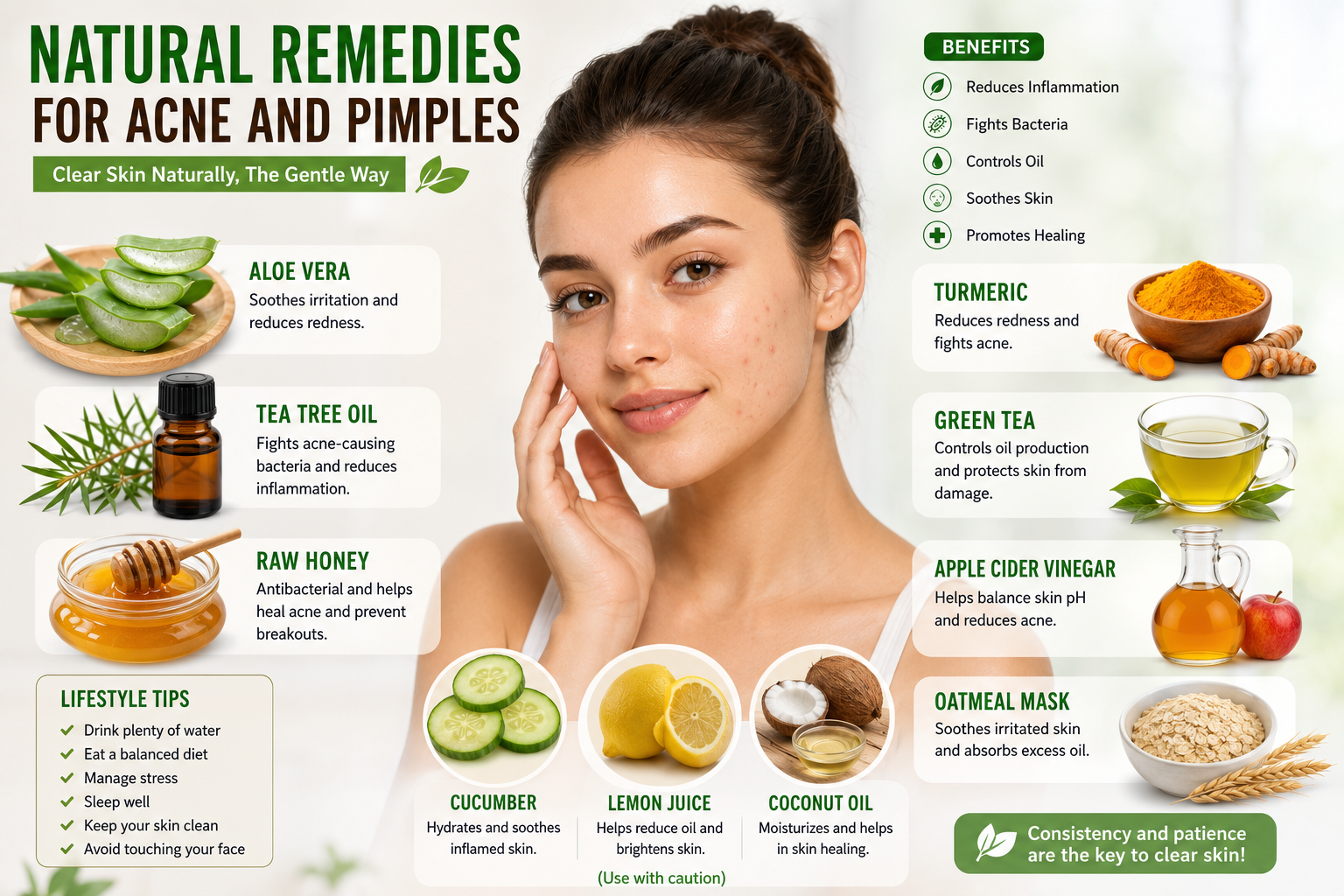
Also read Natural Remedies for Acne and Pimples





Leave a Reply