

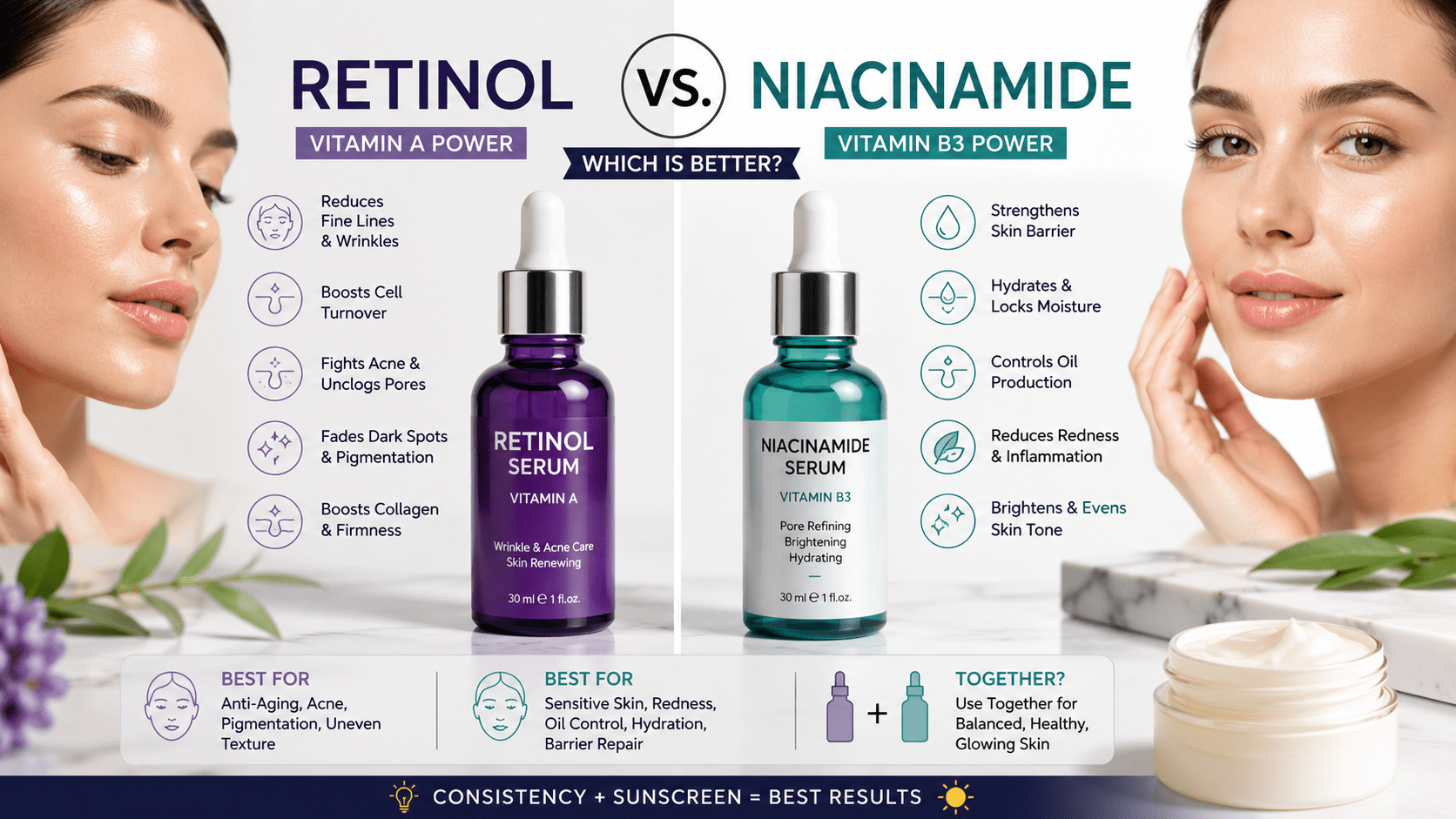
The skincare industry is filled with powerful ingredients that promise healthier, smoother, and younger-looking skin. Among the most popular are retinol and niacinamide. Both ingredients have gained widespread attention for their impressive skincare benefits, but many people wonder: Retinol vs. Niacinamide: Which is better?
The answer depends on your skin type, concerns, and goals. While retinol is known for its anti-aging and acne-fighting properties, niacinamide is celebrated for its soothing, hydrating, and skin-strengthening benefits.
In this comprehensive guide, we’ll compare retinol and niacinamide, explore their advantages and drawbacks, and help you determine which ingredient deserves a place in your skincare routine.
What Is Retinol?
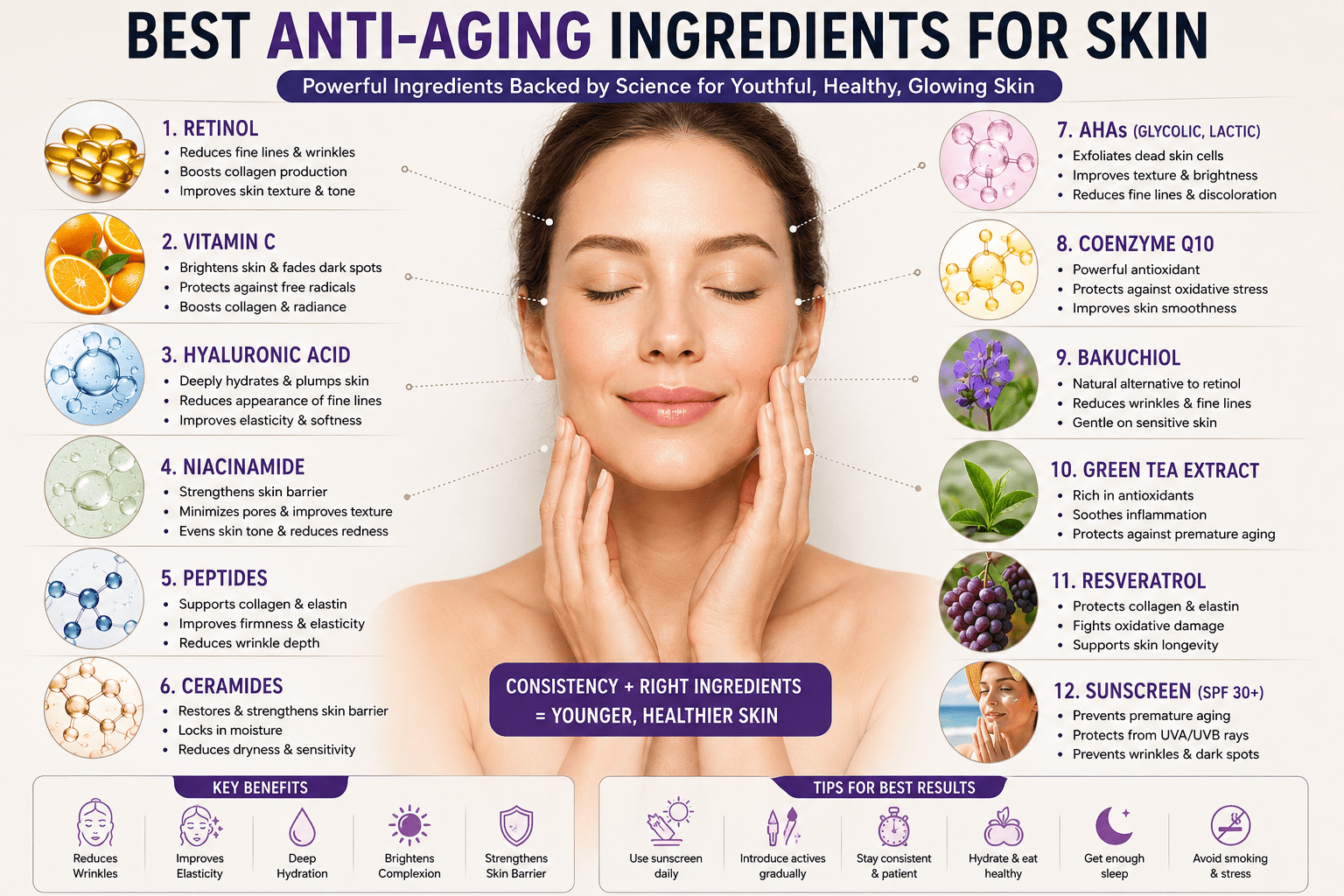
Retinol is a derivative of Vitamin A and is one of the most researched skincare ingredients available today. It works by accelerating skin cell turnover and stimulating collagen production.
Key Benefits of Retinol
1. Reduces Fine Lines and Wrinkles
Retinol boosts collagen production, helping reduce the appearance of aging signs.
2. Improves Skin Texture
Regular use can make skin smoother and more refined.
3. Fights Acne
Retinol unclogs pores, preventing acne breakouts and reducing existing blemishes.
4. Minimizes Hyperpigmentation
It promotes the shedding of damaged skin cells, helping fade dark spots over time.
5. Enhances Skin Renewal
Retinol accelerates the natural skin renewal process, revealing fresher skin.
What Is Niacinamide?
Niacinamide, also known as Vitamin B3, is a versatile skincare ingredient suitable for nearly all skin types. It strengthens the skin barrier while addressing multiple skin concerns.
Key Benefits of Niacinamide
1. Strengthens the Skin Barrier
Niacinamide helps the skin retain moisture and defend against environmental stressors.
2. Controls Excess Oil
It regulates sebum production, making it beneficial for oily and acne-prone skin.
3. Reduces Redness and Inflammation
Niacinamide is known for its calming properties.
4. Minimizes Pore Appearance
Regular use can make pores appear smaller and less noticeable.
5. Brightens Skin Tone
It helps reduce discoloration and promotes a more even complexion.
Retinol vs. Niacinamide: Side-by-Side Comparison
| Feature | Retinol | Niacinamide |
|---|---|---|
| Primary Function | Cell turnover and collagen production | Barrier repair and skin balancing |
| Anti-Aging Benefits | Excellent | Good |
| Acne Treatment | Highly effective | Effective |
| Reduces Redness | May initially increase irritation | Excellent |
| Suitable for Sensitive Skin | Often challenging | Highly suitable |
| Hydration Support | Limited | Excellent |
| Brightening Effect | Strong | Moderate |
| Risk of Irritation | High | Very low |
| Beginner Friendly | Moderate | Excellent |
Which Ingredient Is Better for Anti-Aging?
When it comes to reducing wrinkles, fine lines, and age-related skin concerns, retinol is generally the winner.
Its ability to stimulate collagen production makes it one of the most effective over-the-counter anti-aging ingredients available.
Why Retinol Excels for Anti-Aging
- Increases collagen production
- Improves skin elasticity
- Reduces wrinkles
- Smooths rough texture
- Promotes skin renewal
Niacinamide also provides anti-aging benefits, but they are generally less dramatic compared to retinol.
Winner for Anti-Aging: Retinol
Which Ingredient Is Better for Acne?
Both ingredients can help with acne, but they work differently.
Retinol for Acne
Retinol:
- Unclogs pores
- Prevents future breakouts
- Reduces acne scars
- Speeds up skin turnover
Niacinamide for Acne
Niacinamide:
- Reduces oil production
- Calms inflammation
- Minimizes redness
- Supports healing
For severe acne, retinol is often more effective. For mild acne and sensitive skin, niacinamide may be the better option.
Winner for Acne: Retinol (for severe acne), Niacinamide (for sensitive skin)
Which Ingredient Is Better for Sensitive Skin?
If your skin is sensitive, niacinamide is usually the safer choice.
Retinol can cause:
- Dryness
- Peeling
- Irritation
- Redness
Niacinamide is generally gentle and well tolerated by most people.
Benefits of Niacinamide for Sensitive Skin
- Strengthens the skin barrier
- Reduces irritation
- Improves hydration
- Calms inflammation
Winner for Sensitive Skin: Niacinamide
Which Ingredient Is Better for Hyperpigmentation?
Both retinol and niacinamide can help fade dark spots and uneven skin tone.
Retinol
Works by accelerating skin cell turnover and removing pigmented cells.
Niacinamide
Works by preventing excess melanin transfer to skin cells.
For stubborn pigmentation, retinol often delivers faster and more noticeable results.
Winner for Hyperpigmentation: Retinol
Can You Use Retinol and Niacinamide Together?
Absolutely.
In fact, many dermatologists recommend combining them because they complement each other extremely well.
Benefits of Using Them Together
- Reduced irritation from retinol
- Enhanced skin barrier protection
- Better hydration
- Improved anti-aging results
- Increased skin brightness
How to Layer Them
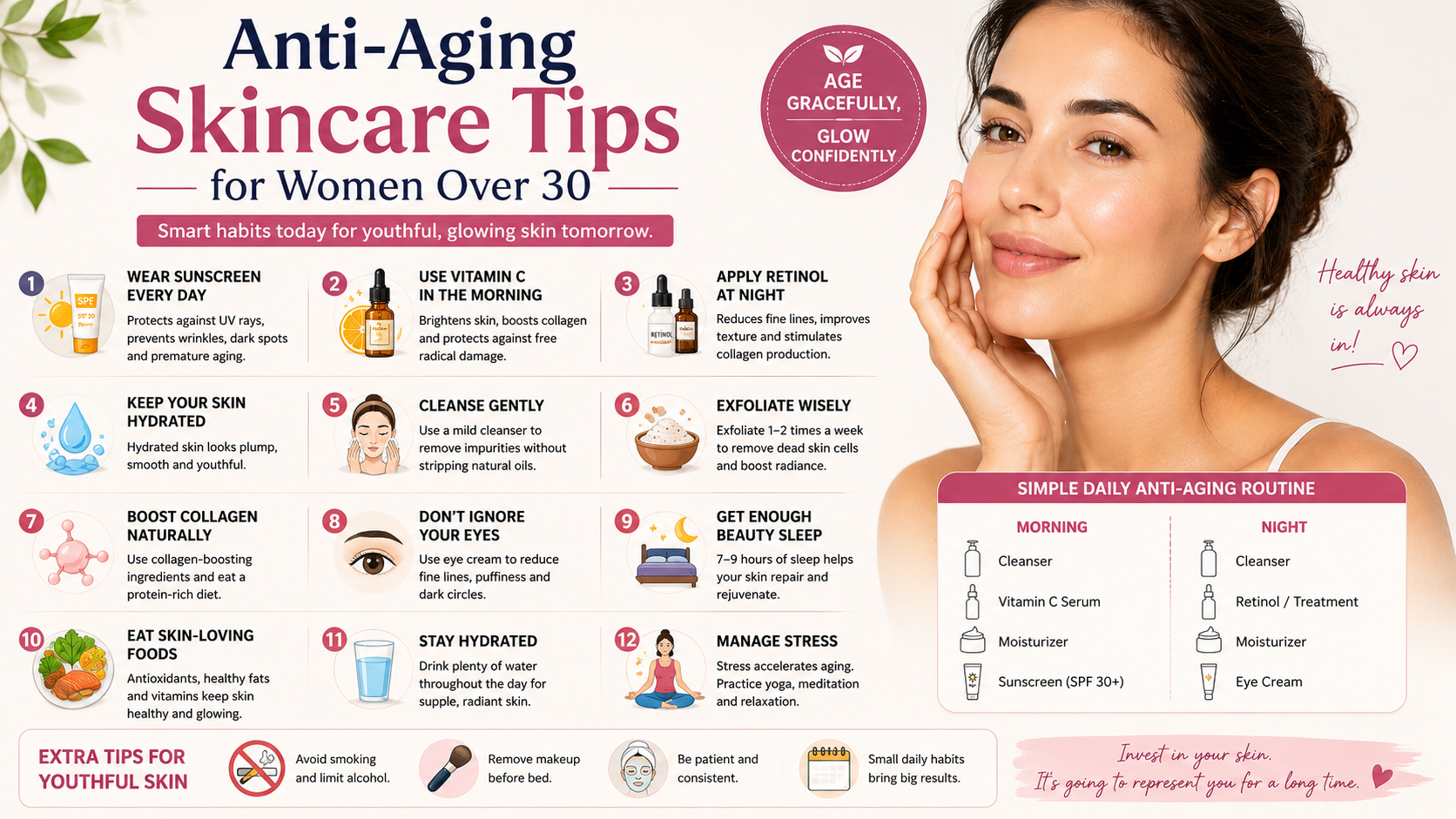
Night Routine Example
- Cleanser
- Niacinamide serum
- Retinol serum or cream
- Moisturizer
Niacinamide can help reduce some of the dryness and irritation commonly associated with retinol use.
Potential Side Effects
Retinol Side Effects
- Dryness
- Peeling
- Redness
- Increased sun sensitivity
- Temporary irritation
Niacinamide Side Effects
Niacinamide is generally well tolerated but may occasionally cause:
- Mild redness
- Temporary irritation
- Rare allergic reactions
Overall, niacinamide has significantly fewer side effects.
Who Should Choose Retinol?
Retinol may be ideal if you want to:
- Reduce wrinkles
- Treat acne
- Improve skin texture
- Fade dark spots
- Achieve stronger anti-aging results
Best For
- Mature skin
- Acne-prone skin
- Sun-damaged skin
- Combination skin
Who Should Choose Niacinamide?
Niacinamide may be ideal if you want to:
- Strengthen the skin barrier
- Reduce redness
- Control oil production
- Improve hydration
- Calm sensitive skin
Best For
- Sensitive skin
- Oily skin
- Rosacea-prone skin
- Dehydrated skin
Expert Recommendation
Rather than choosing one over the other, many skincare experts recommend incorporating both ingredients into your routine.
A Balanced Approach
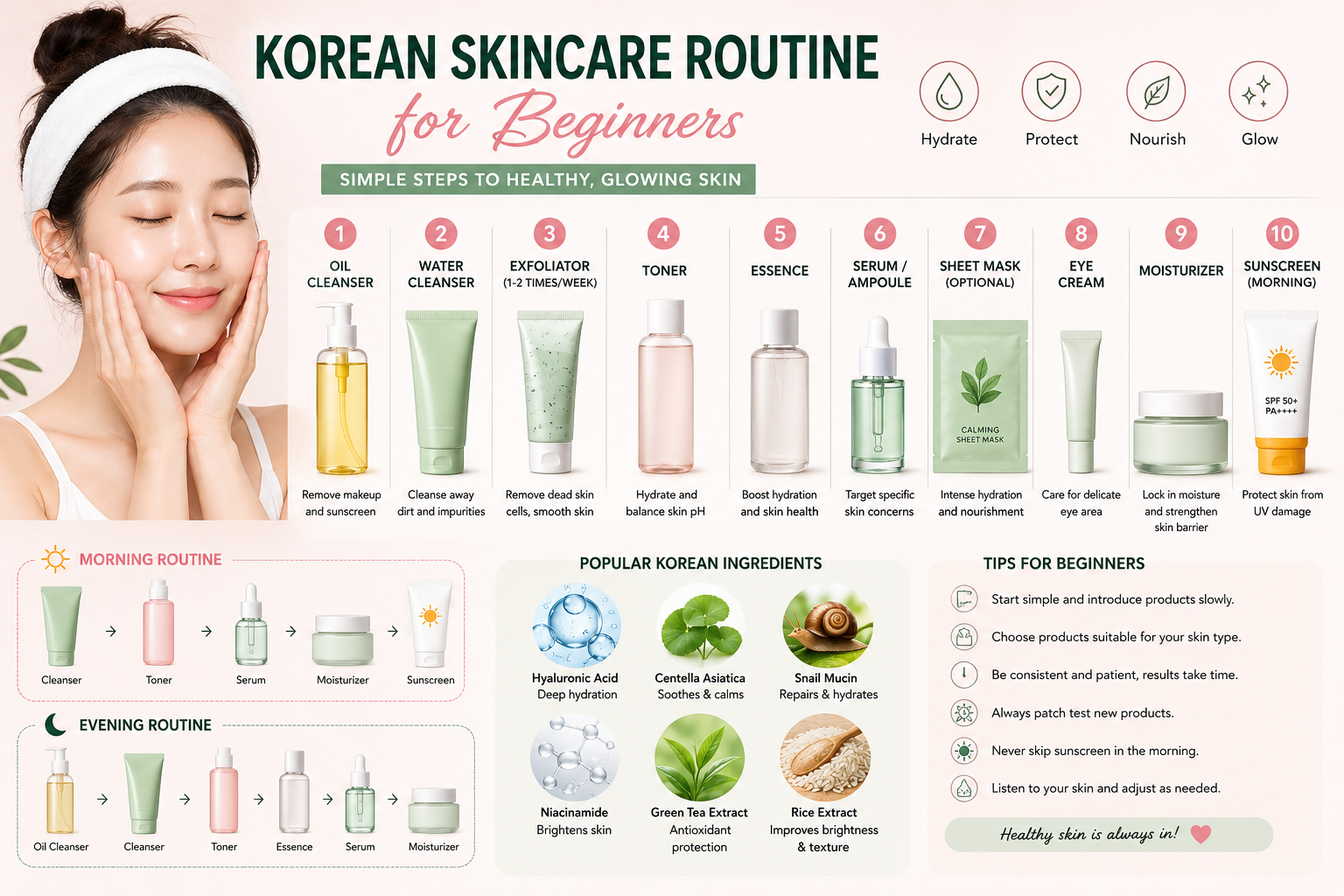
Morning
- Cleanser
- Niacinamide Serum
- Moisturizer
- Sunscreen SPF 30+
Evening
- Cleanser
- Niacinamide Serum
- Retinol
- Moisturizer
This combination allows you to enjoy the anti-aging power of retinol while benefiting from the soothing and barrier-supporting properties of niacinamide.
Final Verdict: Retinol vs. Niacinamide
The winner depends on your skincare goals.
- Choose Retinol if your primary concern is aging, acne, or hyperpigmentation.
- Choose Niacinamide if you have sensitive skin, redness, or need better hydration and barrier support.
- For the best overall results, consider using both together as part of a well-rounded skincare routine.
Retinol delivers stronger transformative results, while niacinamide offers gentle, daily support for healthier skin. Together, they form one of the most effective skincare combinations available today.
Conclusion
The debate between retinol and niacinamide doesn’t have a one-size-fits-all answer. Each ingredient offers unique benefits that address different skin concerns. Understanding your skin type and goals is the key to making the right choice.
Whether you choose retinol, niacinamide, or both, consistency and proper skincare practices—including daily sunscreen use—are essential for achieving long-term results.
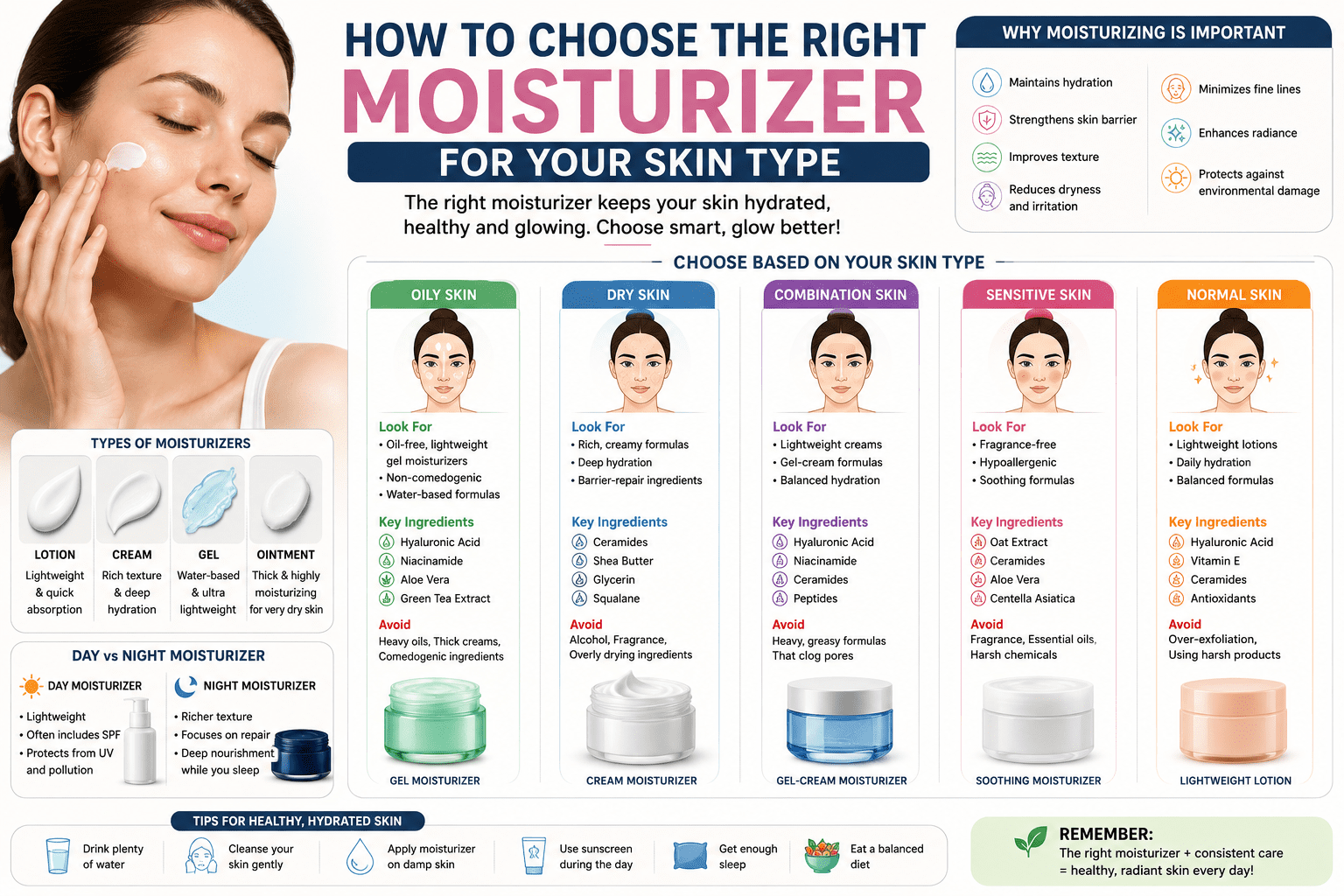
Also read How to Choose the Right Moisturizer for Your Skin Type




Leave a Reply