

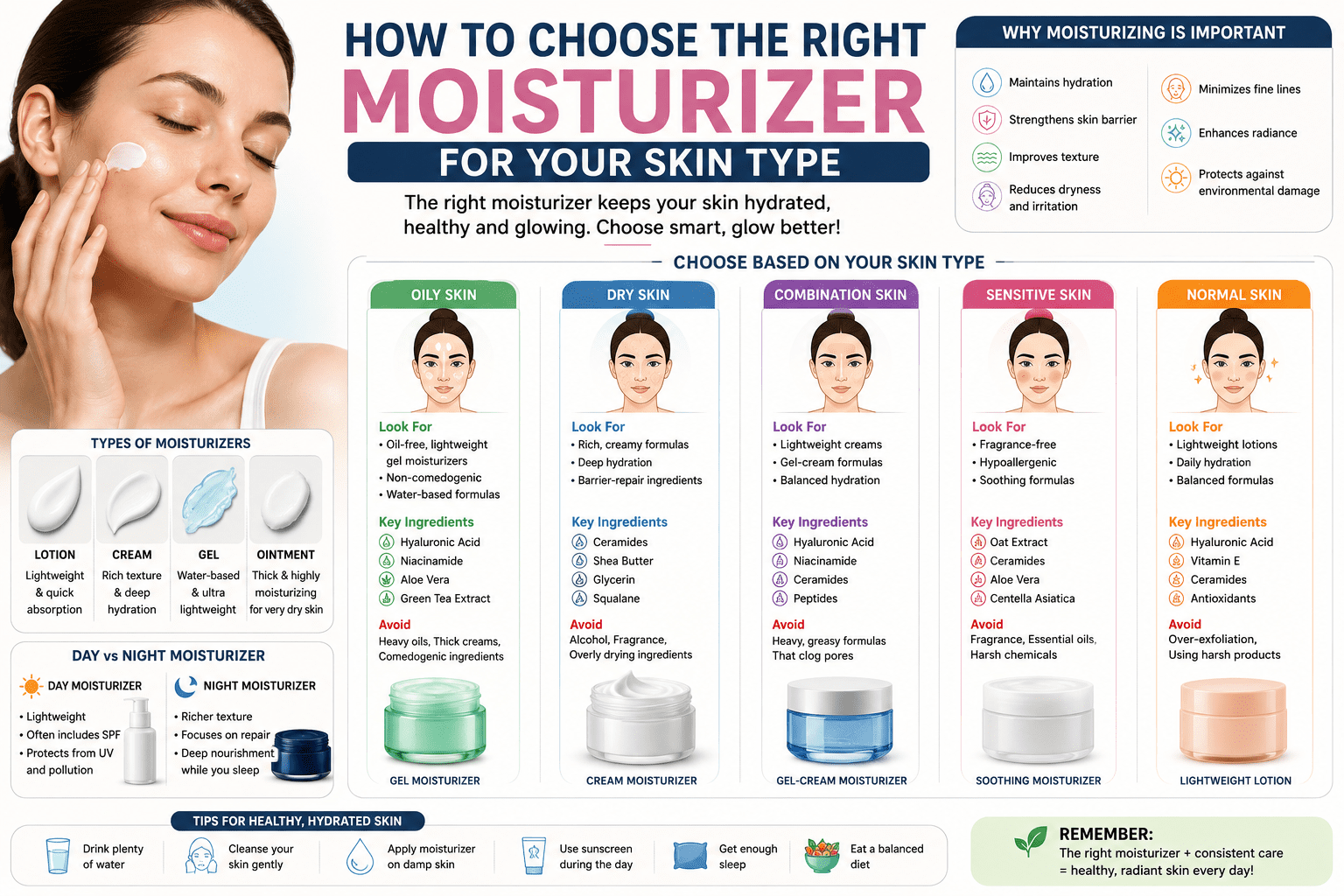
A moisturizer is one of the most important skincare products in any beauty routine. It helps maintain the skin’s natural moisture barrier, prevents dryness, and keeps the skin looking healthy and radiant. However, choosing the wrong moisturizer can lead to clogged pores, excess oiliness, irritation, or insufficient hydration.
With countless options available in the market, finding the perfect moisturizer can feel overwhelming. This guide will help you understand how to choose the right moisturizer for your skin type and achieve healthier, more balanced skin.
Why Moisturizing Is Important
Your skin loses moisture throughout the day due to environmental factors, cleansing, and natural aging. A good moisturizer helps replenish hydration and protect the skin barrier.
Benefits of Using a Moisturizer
- Prevents dryness and flakiness
- Maintains skin hydration
- Supports the skin barrier
- Reduces irritation
- Improves skin texture
- Minimizes fine lines
- Enhances skin radiance
- Protects against environmental damage
Regardless of your skin type, moisturizing is essential for maintaining healthy skin.
Understanding Your Skin Type
Before selecting a moisturizer, it’s important to identify your skin type.
Oily Skin
Characteristics:
- Excess shine
- Enlarged pores
- Frequent breakouts
- Greasy appearance
Dry Skin
Characteristics:
- Tightness after cleansing
- Flaky patches
- Rough texture
- Dull appearance
Combination Skin
Characteristics:
- Oily T-zone (forehead, nose, chin)
- Dry or normal cheeks
- Occasional breakouts
Sensitive Skin
Characteristics:
- Easily irritated
- Redness and inflammation
- Burning or itching sensations
- Reaction to skincare products
Normal Skin
Characteristics:
- Balanced oil production
- Minimal sensitivity
- Smooth texture
- Healthy appearance
Knowing your skin type is the first step toward choosing the right moisturizer.
Types of Moisturizers
Different moisturizers are designed for different skin needs.
Lotion
- Lightweight texture
- Quick absorption
- Suitable for normal and oily skin
Cream
- Rich consistency
- Deep hydration
- Ideal for dry skin
Gel Moisturizer
- Water-based formula
- Lightweight feel
- Great for oily and acne-prone skin
Ointment
- Thick and highly moisturizing
- Best for extremely dry skin
- Provides intensive hydration
Best Moisturizer for Oily Skin
Many people with oily skin skip moisturizer, believing it will make their skin oilier. In reality, dehydration can trigger increased oil production.
Look For
- Oil-free formulas
- Lightweight gels
- Non-comedogenic products
- Water-based moisturizers
Beneficial Ingredients
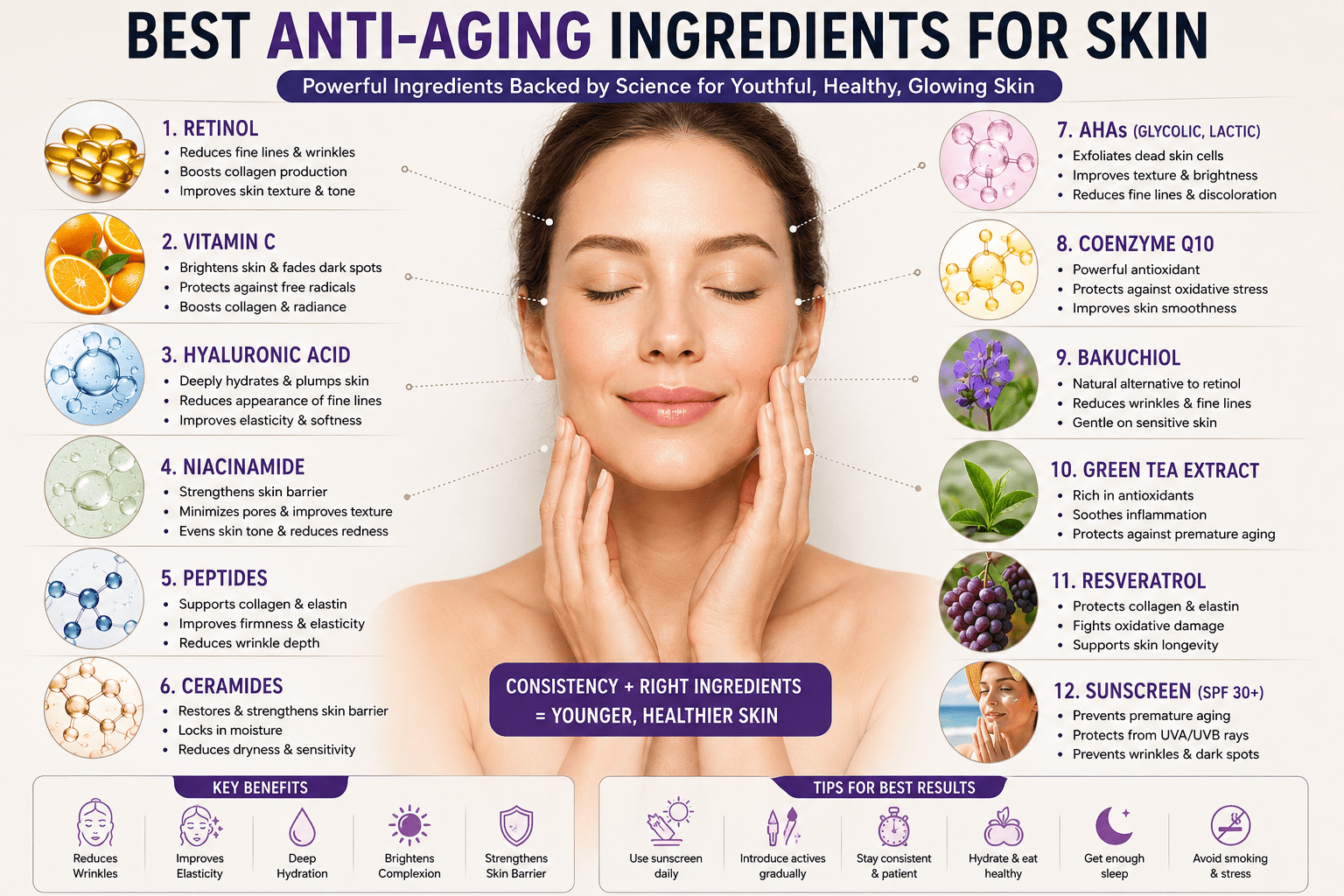
- Hyaluronic Acid
- Niacinamide
- Aloe Vera
- Green Tea Extract
Avoid
- Heavy oils
- Thick creams
- Petroleum-heavy products
A lightweight gel moisturizer can hydrate without clogging pores.
Best Moisturizer for Dry Skin
Dry skin requires intense hydration and barrier support.
Look For
- Rich creams
- Nourishing formulas
- Barrier-repair ingredients
Beneficial Ingredients
- Ceramides
- Shea Butter
- Glycerin
- Squalane
- Hyaluronic Acid
Avoid
- Alcohol-based products
- Harsh fragrances
- Overly drying ingredients
Cream-based moisturizers provide long-lasting hydration for dry skin.
Best Moisturizer for Combination Skin
Combination skin requires balance between hydration and oil control.
Look For
- Lightweight creams
- Gel-cream formulas
- Balanced hydration products
Beneficial Ingredients
- Hyaluronic Acid
- Niacinamide
- Ceramides
- Peptides
Combination skin often benefits from versatile moisturizers that hydrate without feeling heavy.
Best Moisturizer for Sensitive Skin
Sensitive skin requires gentle and soothing formulations.
Look For
- Fragrance-free products
- Hypoallergenic formulas
- Dermatologist-tested moisturizers
Beneficial Ingredients
- Oat Extract
- Ceramides
- Aloe Vera
- Panthenol
- Centella Asiatica
Avoid
- Artificial fragrances
- Essential oils
- Harsh exfoliating acids
Patch testing new products is recommended for sensitive skin.
Best Moisturizer for Normal Skin
Normal skin can tolerate a wide variety of moisturizers.
Look For
- Lightweight lotions
- Hydrating creams
- Daily moisturizers
Beneficial Ingredients
- Hyaluronic Acid
- Vitamin E
- Ceramides
- Antioxidants
Maintaining hydration helps preserve healthy skin balance.
Key Moisturizer Ingredients Explained
Hyaluronic Acid
A powerful humectant that attracts and retains moisture in the skin.
Ceramides
Help strengthen the skin barrier and prevent moisture loss.
Glycerin
Draws water into the skin, improving hydration levels.
Niacinamide
Supports the skin barrier and helps control oil production.
Squalane
Provides lightweight hydration and softness.
Peptides
Support skin elasticity and anti-aging benefits.
Understanding ingredients helps you select products that match your skincare goals.
Day Moisturizer vs. Night Moisturizer
Day Moisturizer
- Lightweight formula
- Often includes SPF
- Designed for daily protection
Night Moisturizer
- Richer texture
- Focuses on repair and hydration
- Contains restorative ingredients
Using separate moisturizers for day and night can maximize skincare benefits.
Signs You’re Using the Wrong Moisturizer
A moisturizer should improve your skin, not create additional problems.
Warning Signs
- Increased breakouts
- Excess oiliness
- Persistent dryness
- Irritation or redness
- Tight skin after application
- Clogged pores
If these symptoms occur, consider switching to a formula better suited to your skin type.
Moisturizer Application Tips
Apply on Damp Skin
Applying moisturizer after cleansing helps lock in hydration.
Use the Right Amount
A coin-sized amount is usually sufficient for the face.
Don’t Forget the Neck
The neck also needs hydration and protection.
Be Consistent
Daily use provides the best long-term results.
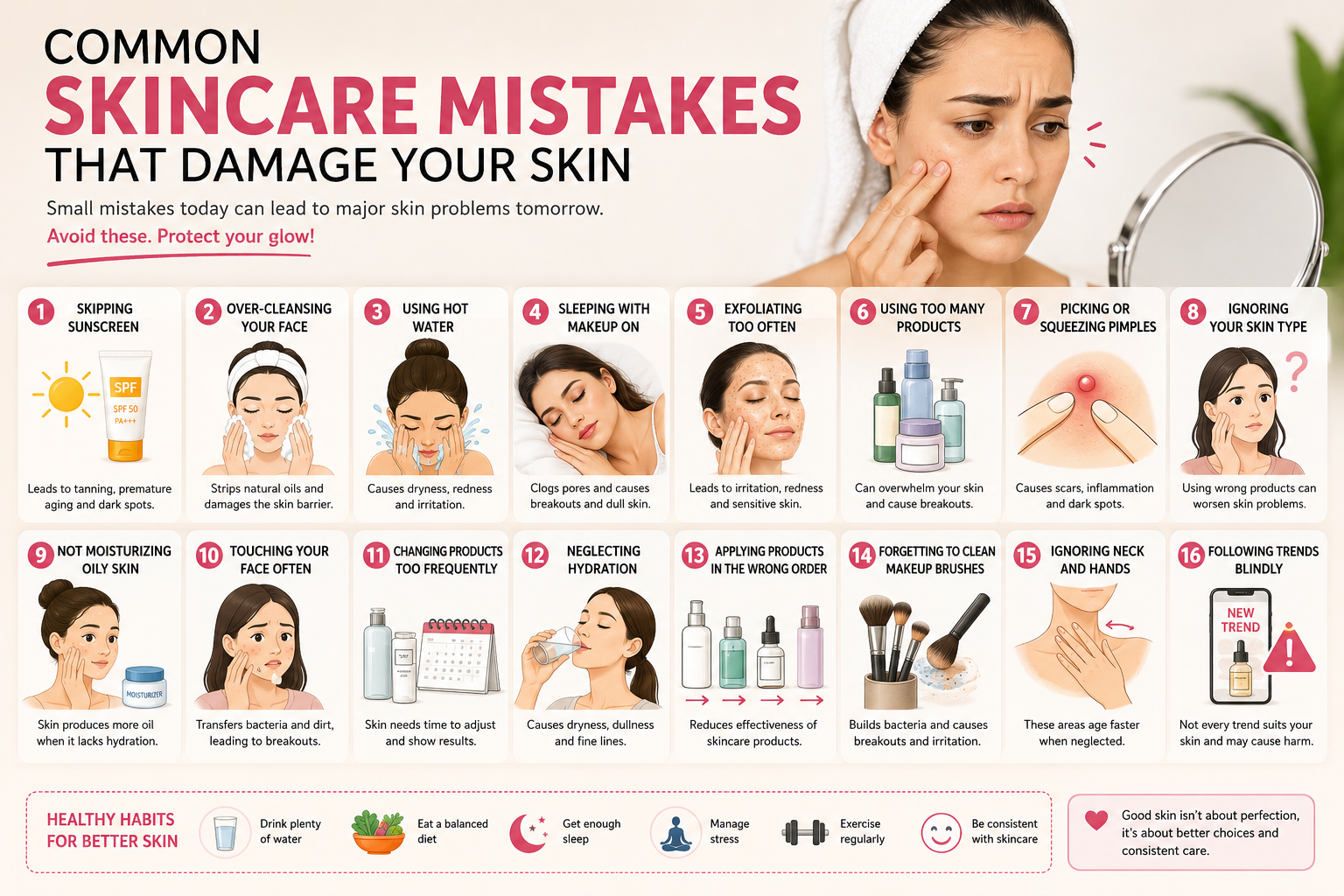
Common Moisturizing Mistakes
Avoid these common skincare errors:
- Skipping moisturizer because of oily skin
- Using products not suited for your skin type
- Applying too much product
- Ignoring ingredient labels
- Not adjusting moisturizers seasonally
- Forgetting nighttime hydration
Small changes can significantly improve skin health.
Seasonal Moisturizer Adjustments
Summer
- Lightweight gels
- Oil-free formulas
- Quick-absorbing textures
Winter
- Rich creams
- Barrier-repair ingredients
- Intensive hydration products
Your skin’s needs may change depending on weather and environmental conditions.
Conclusion
Choosing the right moisturizer for your skin type is one of the most important steps in achieving healthy, hydrated, and radiant skin. Understanding your skin’s unique needs and selecting products with appropriate ingredients can help prevent common issues such as dryness, irritation, and breakouts.
Whether you have oily, dry, combination, sensitive, or normal skin, the perfect moisturizer can improve your skin’s appearance and overall health. Consistent moisturizing, combined with a proper skincare routine, is the key to maintaining soft, smooth, and glowing skin throughout the year.
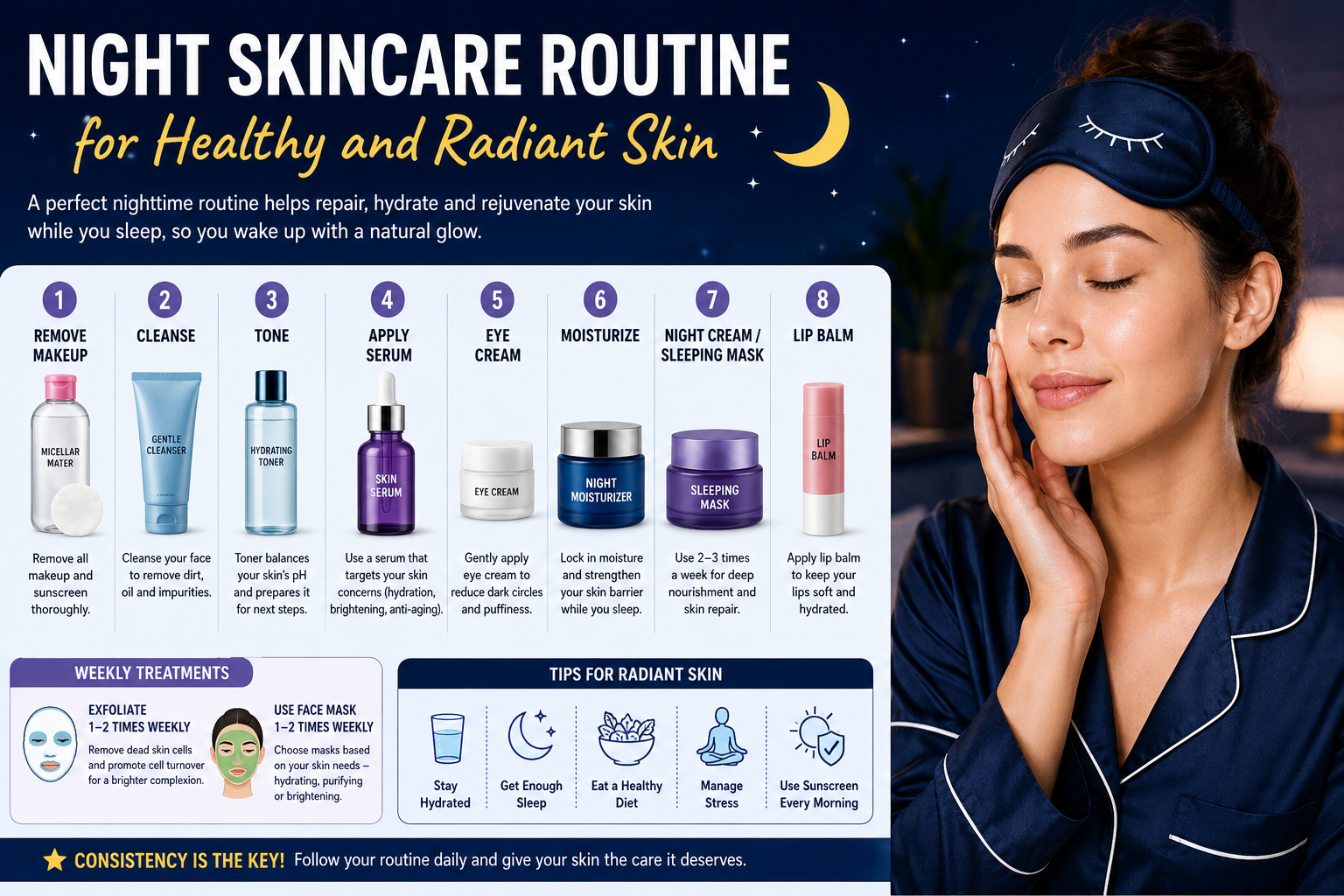
Also read Night Skincare Routine for Healthy and Radiant Skin



Leave a Reply