

Stress has become a normal part of modern life. Busy schedules, work pressure, financial concerns, social media overload, and lack of rest can all affect mental and physical health. While some stress is unavoidable, chronic stress can seriously impact your well-being if left unmanaged.
The good news is that you do not always need expensive treatments or complicated routines to feel better. Small daily habits can make a huge difference in reducing stress naturally and improving your overall quality of life.
By making simple lifestyle changes, you can calm your mind, improve emotional balance, sleep better, and feel more energized throughout the day.
In this article, we will explore easy and effective daily habits that help reduce stress naturally and support long-term mental wellness.
Why Stress Management Is Important
Stress affects both the mind and body.
Long-term stress can contribute to:
- Anxiety
- Poor sleep
- Fatigue
- Headaches
- Weight gain
- High blood pressure
- Digestive issues
- Low concentration
- Mood swings
Managing stress naturally helps improve emotional stability, mental clarity, and physical health.
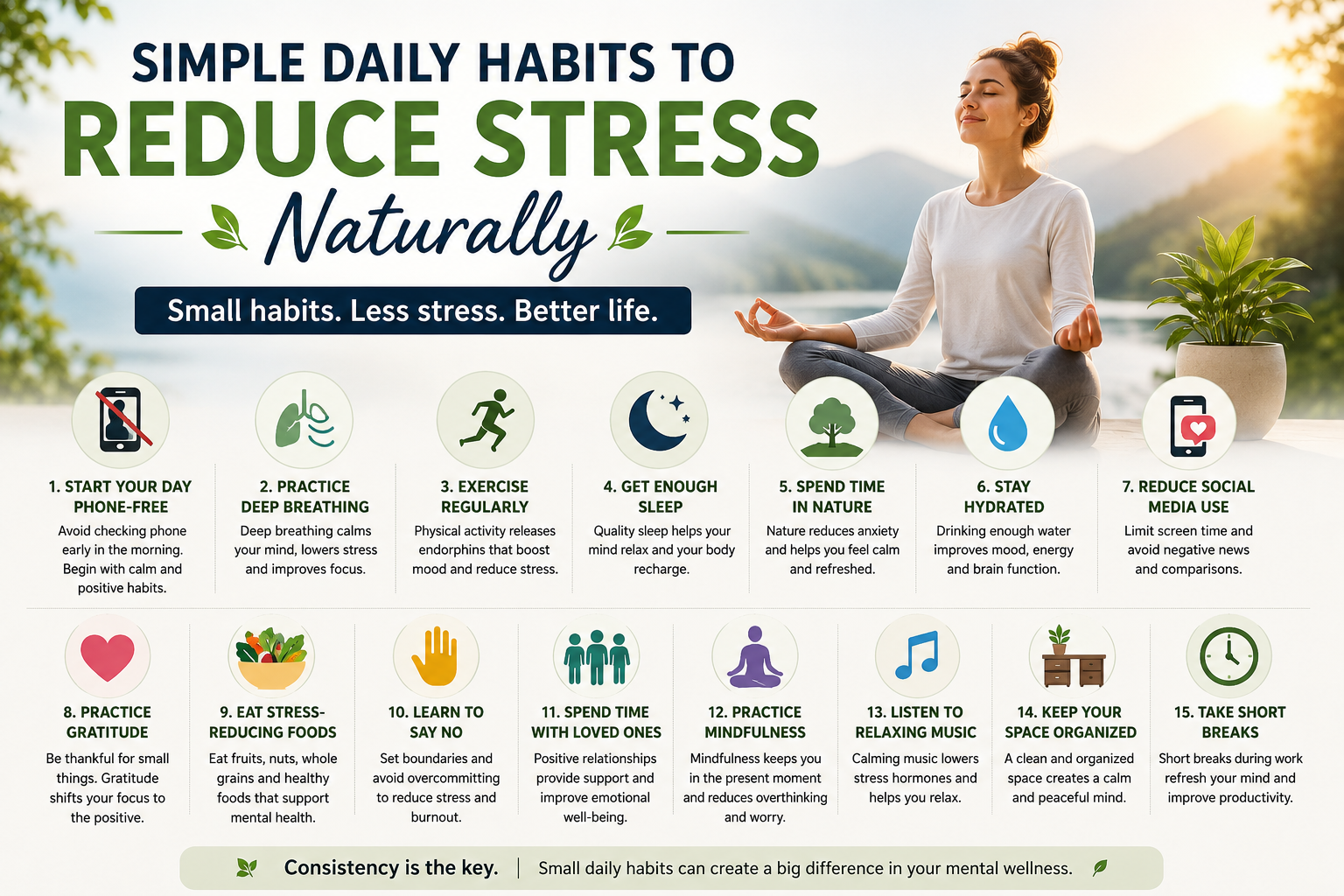
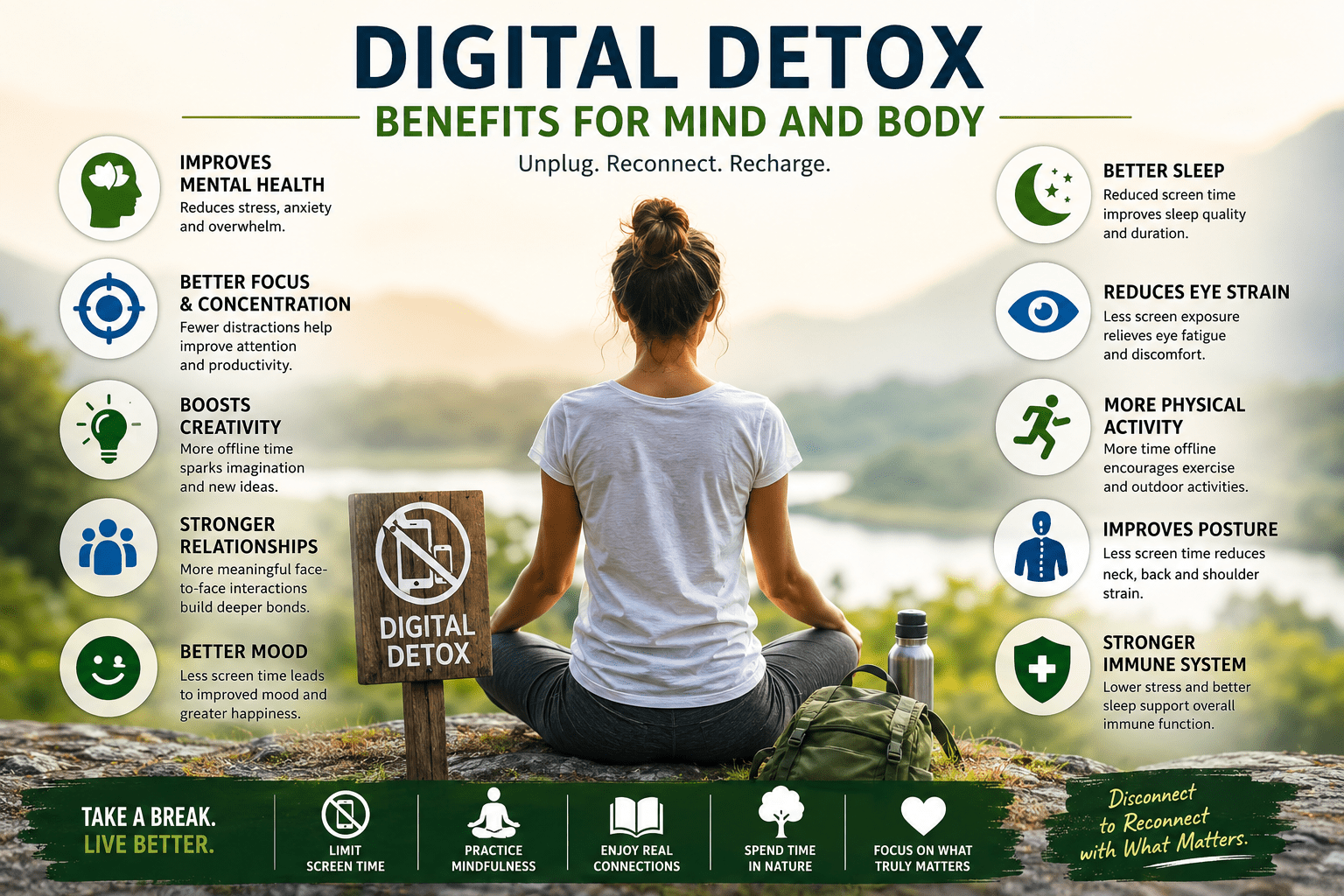
1. Start Your Day Without Checking Your Phone
Many people begin their mornings by immediately checking emails, social media, or news updates. This habit can instantly increase stress levels.
Instead:
- Spend the first 20–30 minutes phone-free
- Stretch or meditate
- Drink water
- Practice gratitude
- Take deep breaths
Starting the day calmly helps your brain stay more balanced and focused.
2. Practice Deep Breathing Exercises
Deep breathing is one of the fastest natural ways to reduce stress.
Slow breathing helps:
- Relax the nervous system
- Lower heart rate
- Reduce anxiety
- Improve focus
Try this simple breathing technique:
- Inhale slowly for 4 seconds
- Hold your breath for 4 seconds
- Exhale slowly for 6 seconds
- Repeat for 5 minutes
Practicing daily can significantly improve emotional wellness.
3. Exercise Regularly
Physical activity releases endorphins, which are natural mood boosters.
You do not need intense workouts. Simple activities like:
- Walking
- Yoga
- Cycling
- Stretching
- Dancing
can reduce stress naturally and improve mental health.
Even 20–30 minutes of movement daily can make a noticeable difference.
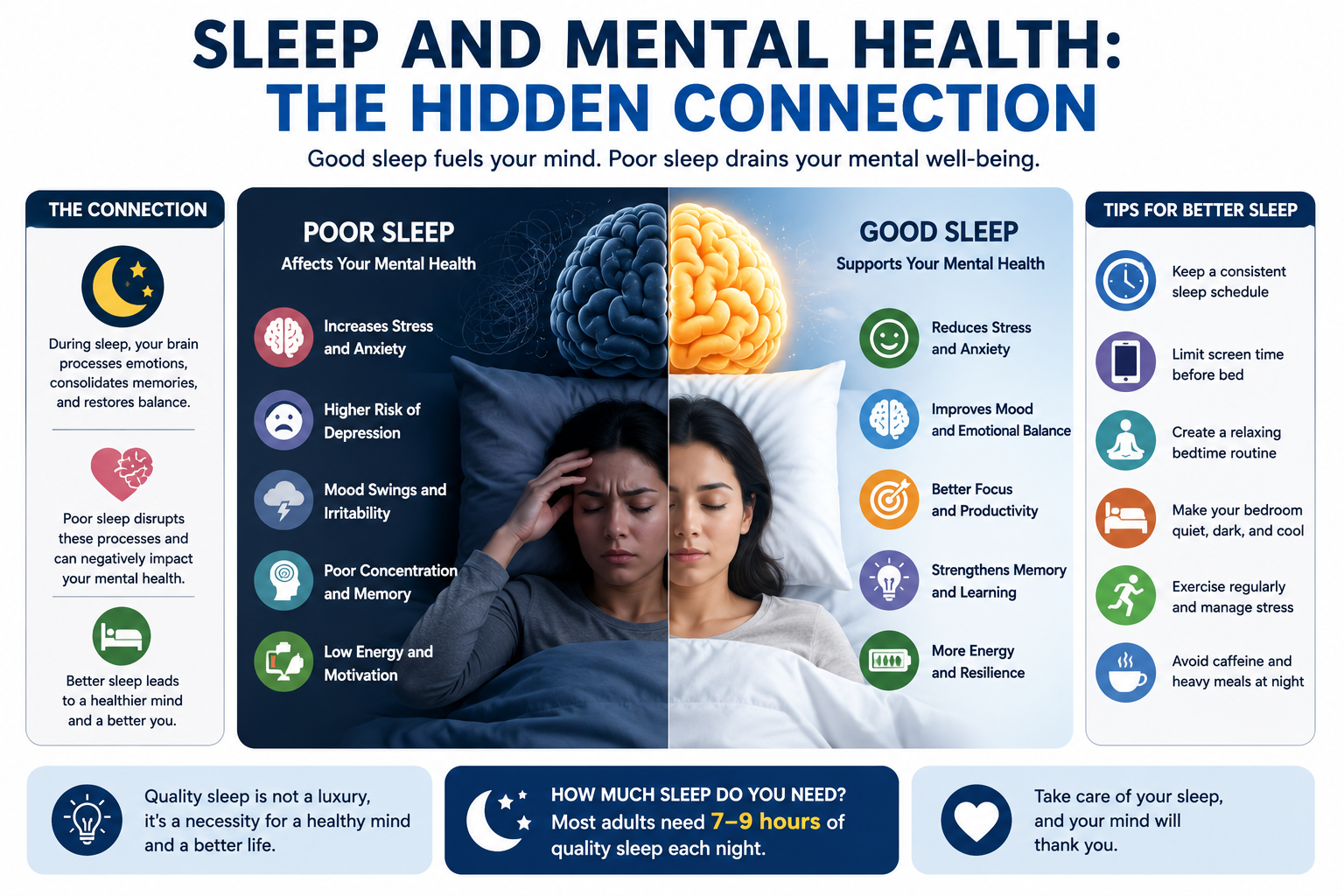
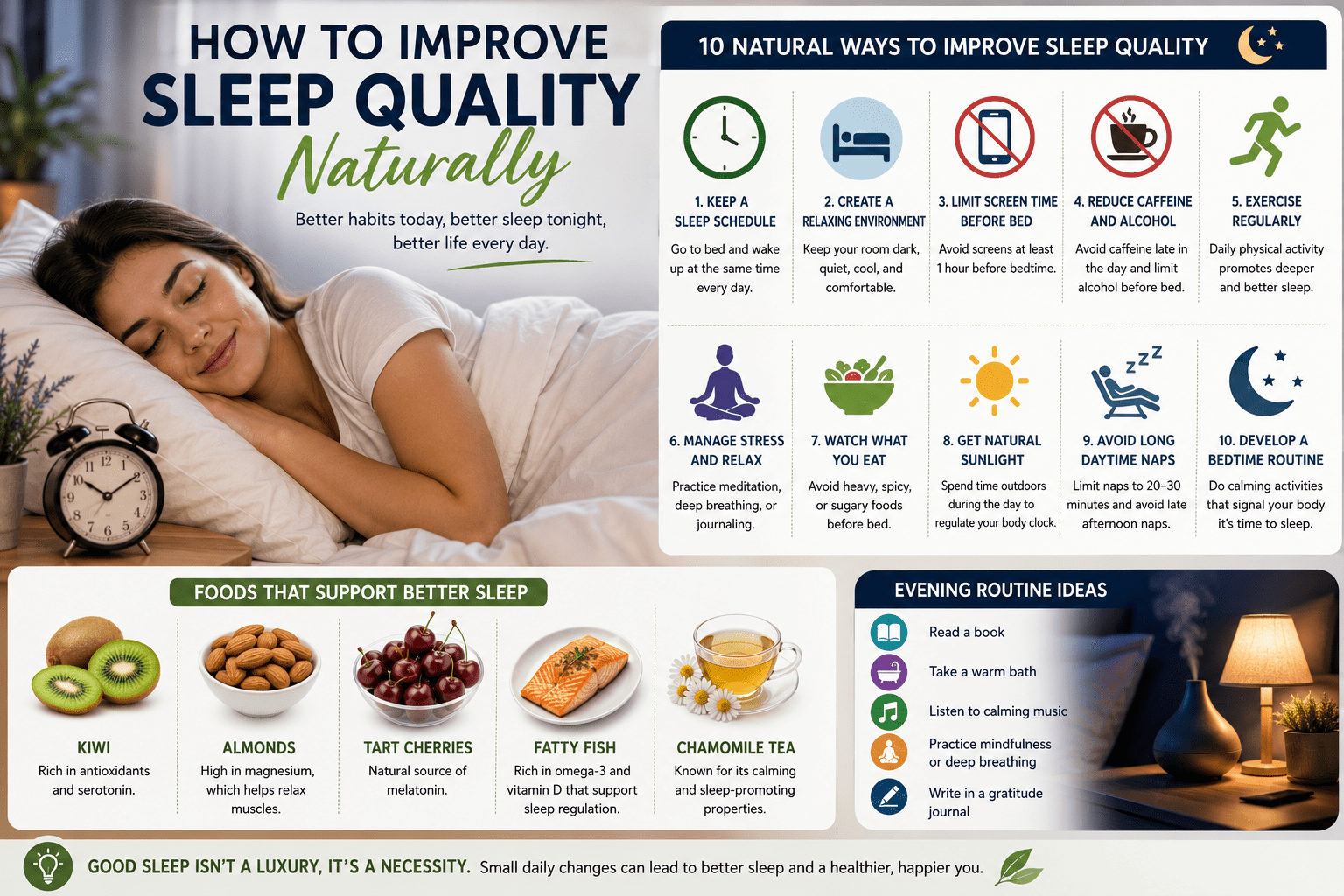
4. Get Enough Sleep
Poor sleep increases stress levels and affects emotional balance.
To improve sleep quality:
- Maintain a consistent sleep schedule
- Avoid screens before bedtime
- Reduce caffeine intake at night
- Keep your bedroom cool and quiet
Adults generally need 7–9 hours of sleep for proper mental recovery.
5. Spend Time in Nature
Nature has a calming effect on the brain.
Spending time outdoors can:
- Reduce anxiety
- Improve mood
- Lower stress hormones
- Increase mental clarity
Simple activities include:
- Walking in a park
- Gardening
- Sitting near greenery
- Watching sunrise or sunset
Natural environments help the mind relax from constant digital stimulation.
6. Stay Hydrated
Dehydration can increase fatigue, headaches, and irritability.
Drinking enough water helps:
- Improve brain function
- Maintain energy levels
- Support emotional balance
Try carrying a water bottle throughout the day as a reminder.
7. Reduce Social Media Consumption
Excessive social media use can increase stress, comparison, and negative thinking.
To reduce stress naturally:
- Set screen-time limits
- Take social media breaks
- Avoid doom-scrolling
- Follow positive content only
Protecting your mental space is essential for emotional wellness.
8. Practice Gratitude Daily
Gratitude shifts your focus from problems to positive experiences.
Simple gratitude habits include:
- Writing down 3 good things daily
- Thanking people more often
- Appreciating small moments
Research shows gratitude can improve happiness and reduce stress levels.
9. Eat Stress-Reducing Foods
Nutrition affects mental health more than many people realize.
Foods that help reduce stress naturally include:
- Nuts and seeds
- Fruits and vegetables
- Dark chocolate
- Green tea
- Whole grains
- Omega-3-rich foods
Avoid excessive processed foods, sugar, and caffeine when possible.
10. Learn to Say No
Overcommitting often leads to stress and burnout.
Protect your mental health by:
- Setting healthy boundaries
- Prioritizing important tasks
- Avoiding unnecessary obligations
Saying no when needed helps maintain emotional balance.
11. Spend Time With Supportive People
Strong social connections improve emotional resilience.
Talking with trusted friends or family members can:
- Reduce anxiety
- Improve mood
- Help process emotions
Healthy relationships provide emotional comfort during stressful times.
12. Try Mindfulness or Meditation
Mindfulness helps you stay present instead of worrying about the future.
Benefits include:
- Better concentration
- Reduced anxiety
- Improved emotional control
- Greater inner calm
Even 10 minutes of meditation daily can help reduce stress naturally.
13. Listen to Relaxing Music
Music can quickly improve mood and lower stress levels.
Calming music may:
- Reduce blood pressure
- Relax muscles
- Improve sleep
- Calm anxious thoughts
Create a relaxing playlist for stressful moments.
14. Keep Your Space Organized
Cluttered environments can increase mental stress.
A clean and organized space helps:
- Improve focus
- Reduce distractions
- Create a sense of calm
Small habits like making your bed or organizing your desk can positively affect mental wellness.
15. Take Short Breaks During Work
Working continuously without breaks can increase mental exhaustion.
Short breaks help:
- Refresh the brain
- Improve productivity
- Reduce burnout
Try:
- Stretching
- Walking briefly
- Drinking water
- Looking away from screens
Small pauses can improve energy and concentration.
The Power of Small Daily Habits
Stress reduction does not require dramatic lifestyle changes. Consistency matters more than perfection.
Simple habits practiced daily can:
- Improve emotional health
- Increase mental clarity
- Strengthen resilience
- Improve physical wellness
- Boost happiness
Over time, these healthy routines create long-term positive changes in both mind and body.
Final Thoughts
Stress is a natural part of life, but it should not control your well-being.
By practicing simple daily habits like deep breathing, exercising, sleeping well, limiting screen time, and spending time in nature, you can reduce stress naturally and improve your overall quality of life.
Mental wellness starts with small choices made consistently every day.
Remember: taking care of your mind is just as important as taking care of your body.
Also read Why Mental Fitness Is More Important Than Physical Fitness










Leave a Reply