

In today’s fast-paced world, burnout has become increasingly common among professionals, students, entrepreneurs, caregivers, and even remote workers. Constant deadlines, long working hours, financial pressures, and digital overload often leave people emotionally exhausted and mentally drained.
Burnout doesn’t happen overnight. It develops gradually and can negatively impact your physical health, emotional well-being, relationships, and work performance. The good news is that recognizing the warning signs early makes recovery much easier.
This comprehensive guide explains the common signs of burnout, what causes it, and practical, evidence-based strategies to recover and regain balance in your life.
What Is Burnout?
Burnout is a state of physical, emotional, and mental exhaustion caused by prolonged stress. It occurs when you feel overwhelmed, emotionally drained, and unable to meet constant demands.
Unlike ordinary tiredness, burnout doesn’t disappear after a good night’s sleep. It can persist for weeks or even months if left unaddressed.
Burnout commonly affects:
- Working professionals
- Business owners
- Healthcare workers
- Teachers
- Students
- Parents and caregivers
- Remote employees
- Freelancers
Common Causes of Burnout
Several factors contribute to burnout.
Excessive Workload
Working long hours without adequate breaks eventually depletes your mental energy.
Lack of Control
Feeling powerless over decisions, schedules, or responsibilities creates chronic stress.
Poor Work-Life Balance
Constantly working without making time for family, hobbies, or relaxation leads to emotional exhaustion.
Unrealistic Expectations
Trying to achieve perfection or constantly exceeding expectations increases mental pressure.
Lack of Recognition
Working hard without appreciation or rewards often reduces motivation and job satisfaction.
Digital Overload
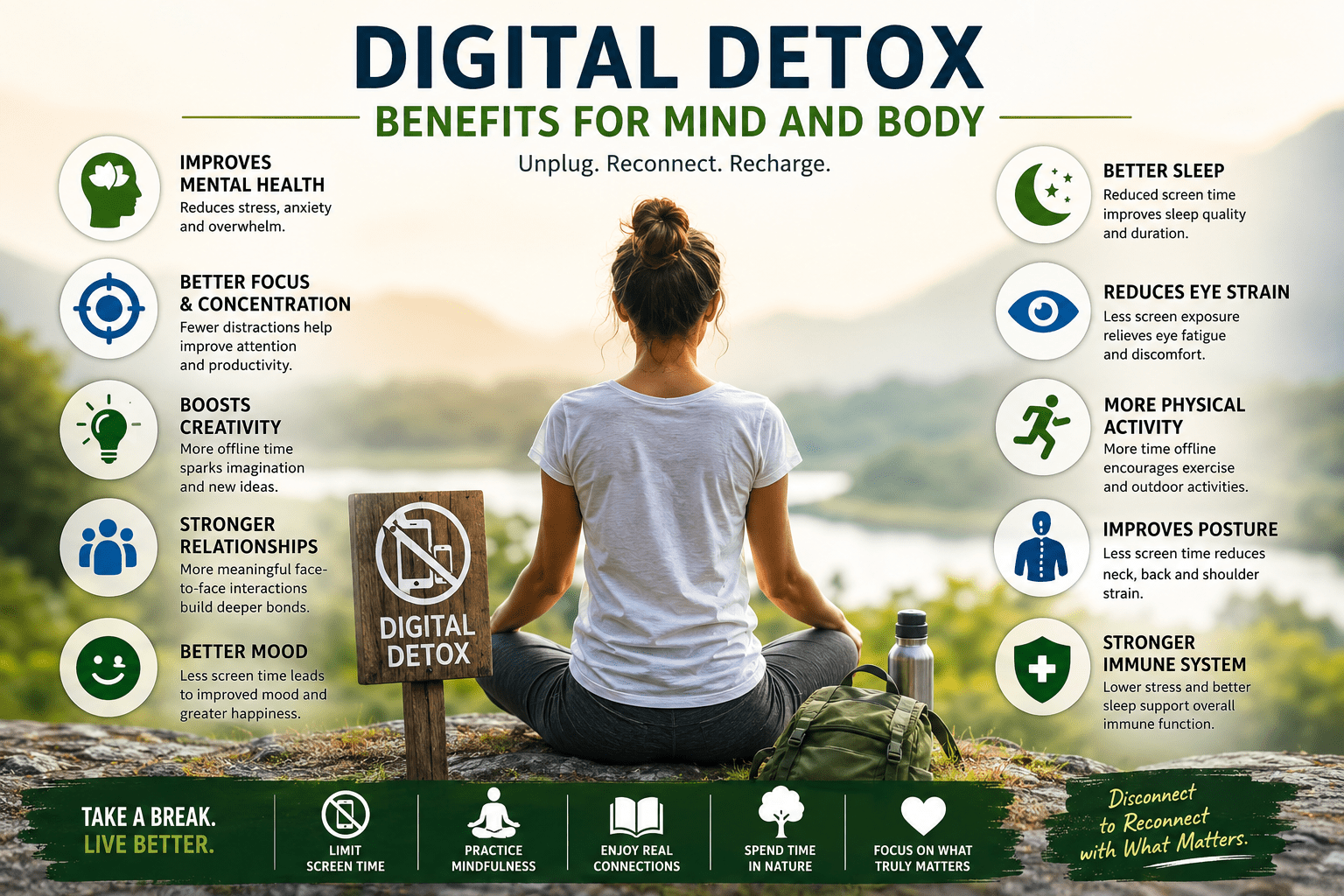
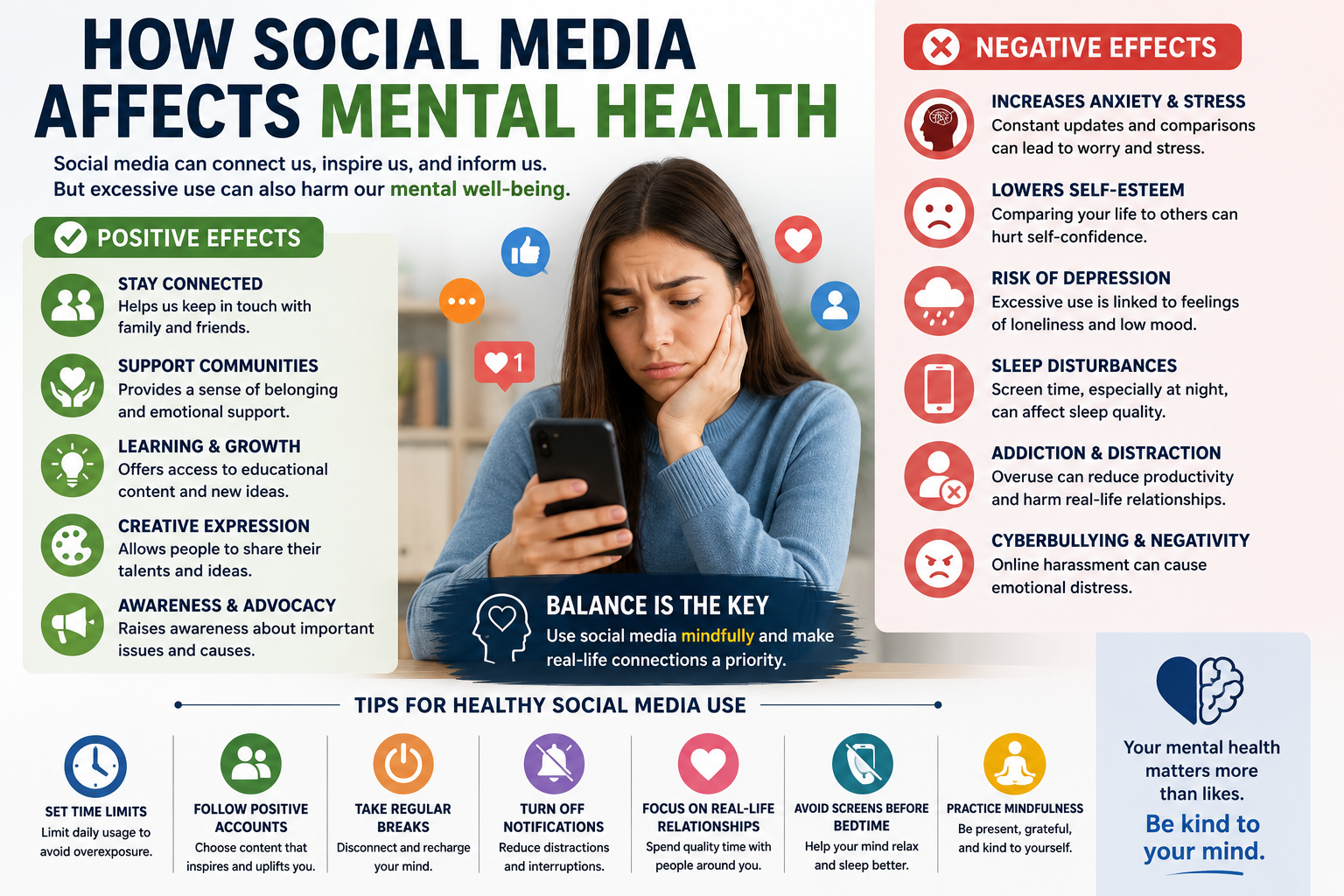
Being constantly connected through emails, messages, meetings, and social media prevents your mind from fully resting.
Early Signs of Burnout
Recognizing burnout early helps prevent serious health consequences.
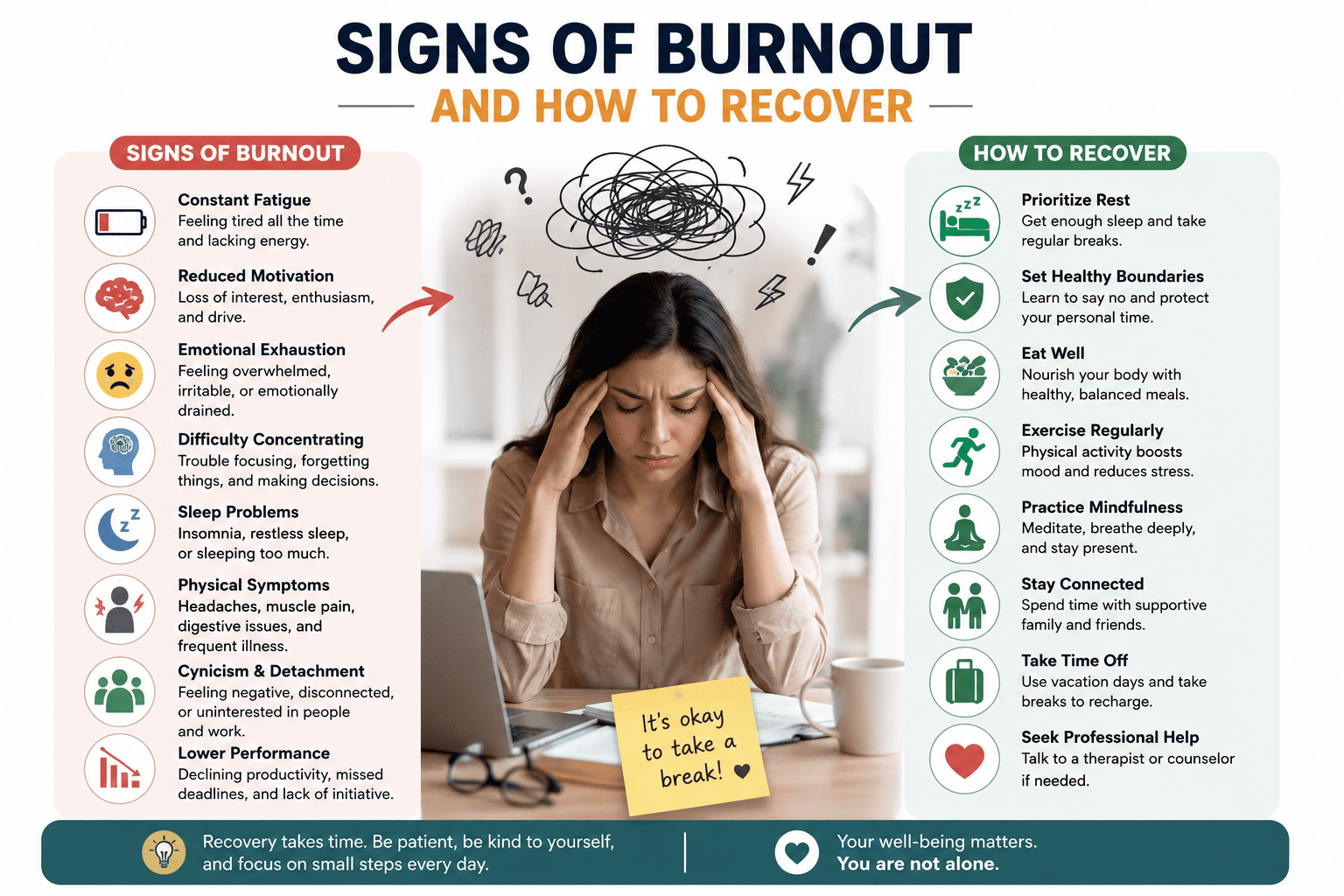
1. Constant Fatigue
You feel exhausted even after sleeping.
Common symptoms include:
- Low energy
- Morning tiredness
- Feeling physically drained
- Difficulty getting out of bed
2. Reduced Motivation
Activities you once enjoyed begin to feel like obligations.
You may notice:
- Loss of enthusiasm
- Declining productivity
- Lack of creativity
- Difficulty starting tasks
3. Emotional Exhaustion
Small problems suddenly feel overwhelming.
You might experience:
- Irritability
- Mood swings
- Anxiety
- Feeling emotionally numb
4. Difficulty Concentrating
Burnout often affects cognitive function.
Signs include:
- Forgetfulness
- Poor focus
- Making frequent mistakes
- Trouble making decisions
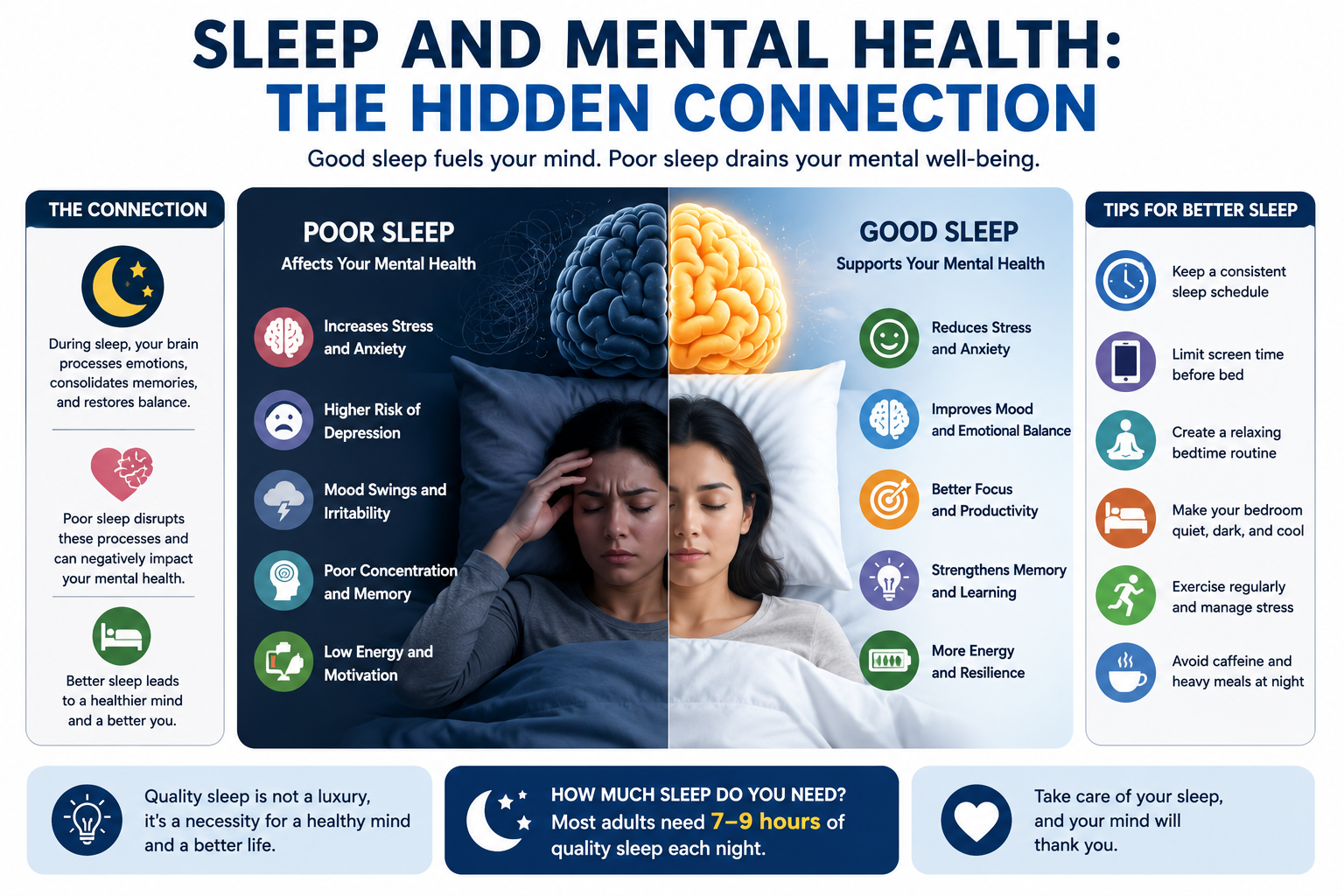
5. Sleep Problems
Burnout commonly disrupts sleep patterns.
Examples include:
- Insomnia
- Frequent waking
- Poor-quality sleep
- Oversleeping but still feeling tired
6. Physical Symptoms
Chronic stress affects the body.
Possible symptoms include:
- Headaches
- Muscle pain
- Digestive problems
- Increased illness
- High blood pressure
7. Increased Cynicism
You begin feeling disconnected from work or people around you.
This may involve:
- Negative thinking
- Loss of empathy
- Feeling hopeless
- Avoiding social interactions
8. Lower Job Performance
Tasks take longer to complete, and mistakes become more frequent.
Common signs include:
- Missed deadlines
- Reduced productivity
- Poor communication
- Lack of initiative
Emotional Signs of Burnout
Burnout impacts emotional health significantly.
Watch for:
- Persistent sadness
- Feeling trapped
- Frustration
- Helplessness
- Loss of confidence
- Increased anxiety
- Feeling emotionally empty
Physical Symptoms of Burnout
Your body often sends warning signals before your mind fully recognizes burnout.
These include:
- Chronic fatigue
- Frequent headaches
- Back pain
- Neck pain
- Muscle tension
- Digestive issues
- Reduced immunity
- Appetite changes
- Weight fluctuations
Behavioral Signs of Burnout
Behavioral changes often appear gradually.
Examples include:
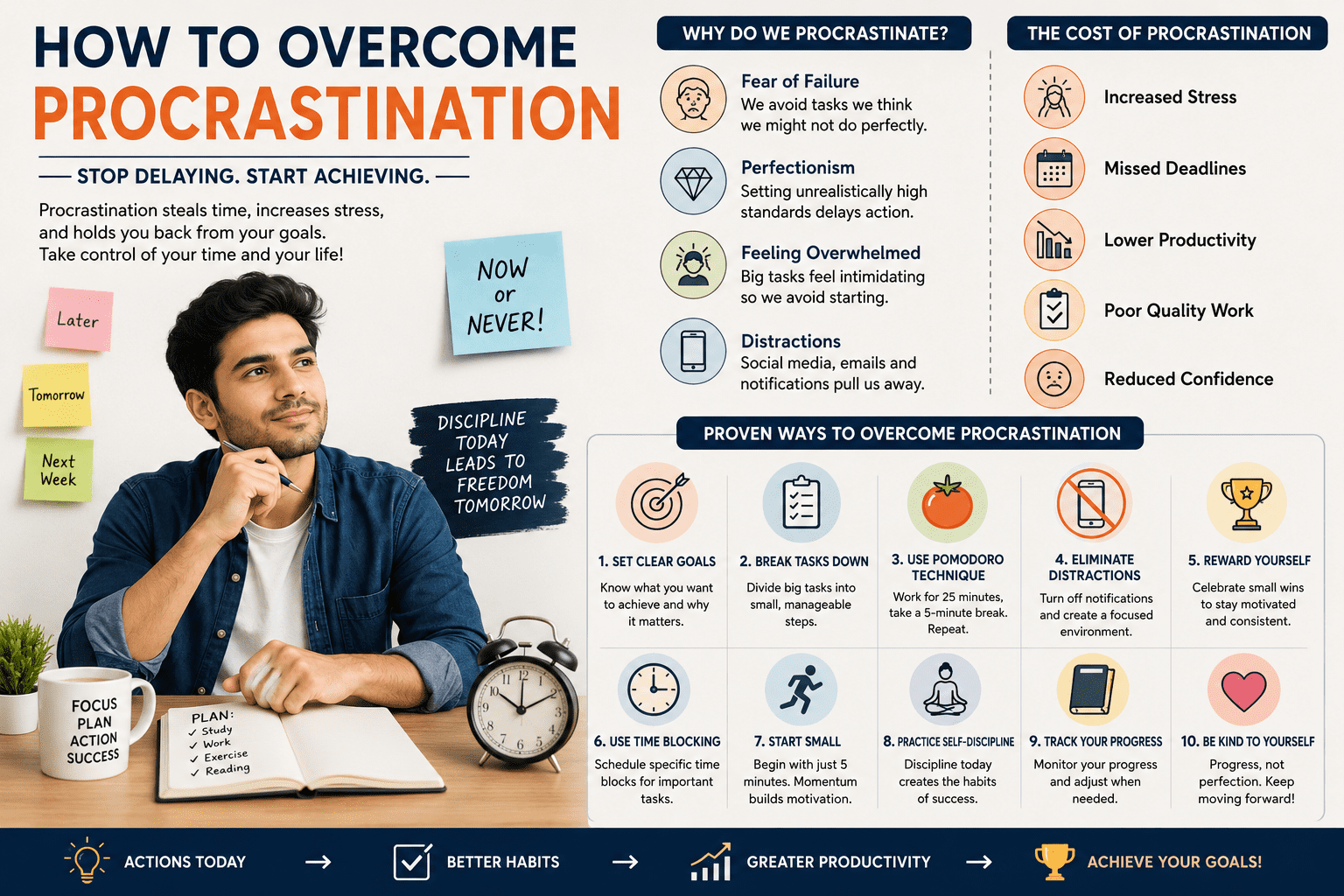
- Procrastination
- Isolation
- Increased absenteeism
- Irritability
- Reduced work quality
- Emotional eating
- Excessive caffeine intake
- Increased alcohol consumption
- Spending excessive time on social media
Burnout vs. Stress
Although they are related, burnout and stress are not the same.
| Stress | Burnout |
|---|---|
| Temporary | Long-term |
| Feeling overwhelmed | Feeling empty |
| High energy but anxious | Low energy and detached |
| Can improve with rest | Requires lifestyle changes |
| Short-term pressure | Chronic exhaustion |
How to Recover from Burnout
Recovery requires intentional lifestyle adjustments rather than a quick fix.
1. Acknowledge the Problem
The first step is recognizing that you’re experiencing burnout instead of ignoring it.
Accepting the issue allows you to take positive action.
2. Prioritize Rest
Your brain and body need genuine recovery.
Focus on:
- Sleeping 7–9 hours
- Taking regular breaks
- Avoiding overwork
- Scheduling downtime
3. Set Healthy Boundaries
Learn to say “no” when your schedule becomes overwhelming.
Healthy boundaries include:
- Limiting overtime
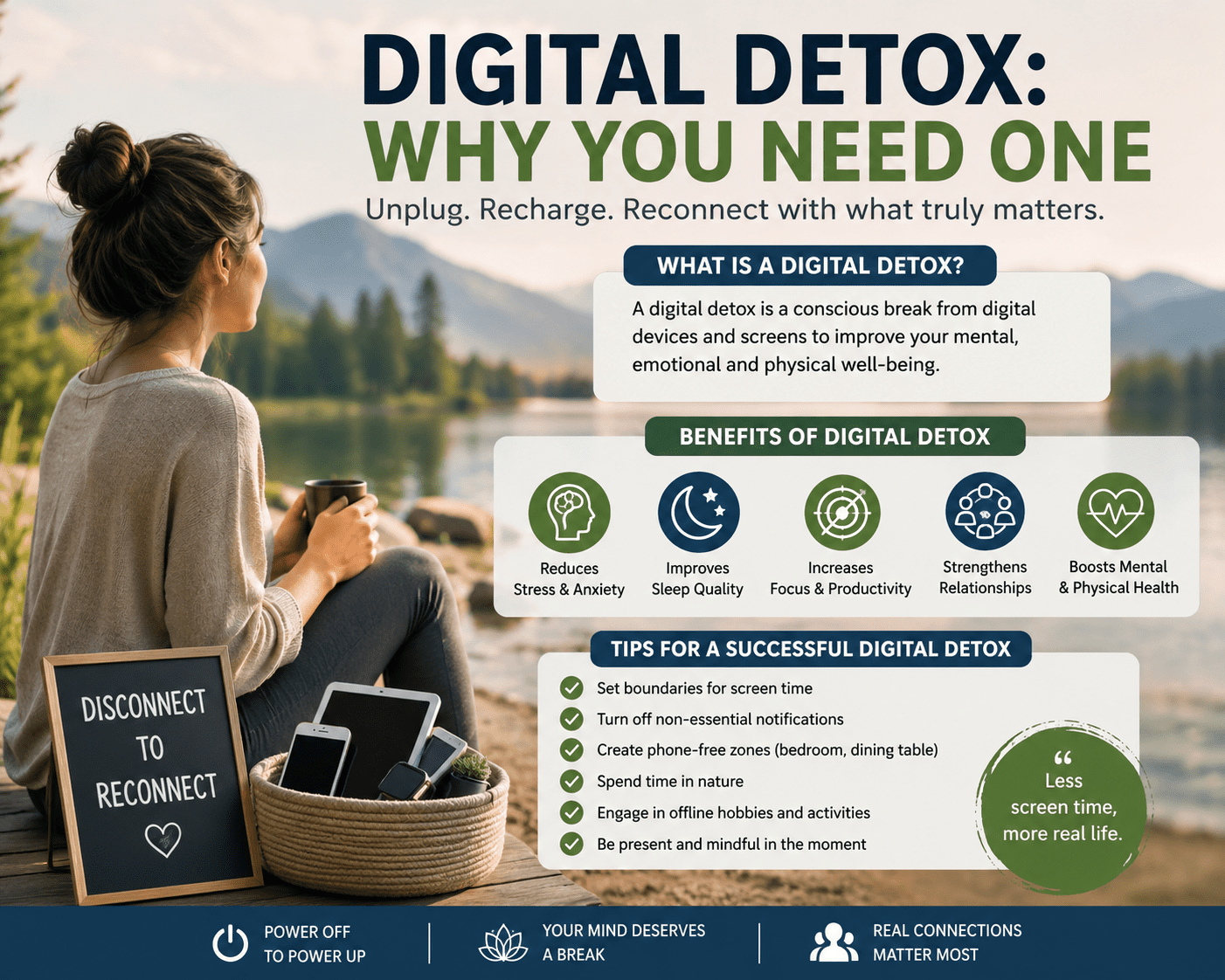
- Turning off work notifications after hours
- Protecting personal time
- Delegating tasks when possible
4. Improve Nutrition
Food directly affects energy levels and mood.
Choose:
- Fruits
- Vegetables
- Whole grains
- Lean proteins
- Healthy fats
- Plenty of water
Limit:
- Processed foods
- Excess sugar
- Excess caffeine
5. Exercise Regularly
Physical activity helps reduce stress hormones and boosts endorphins.
Good options include:
- Walking
- Yoga
- Swimming
- Cycling
- Strength training
Aim for at least 30 minutes most days.
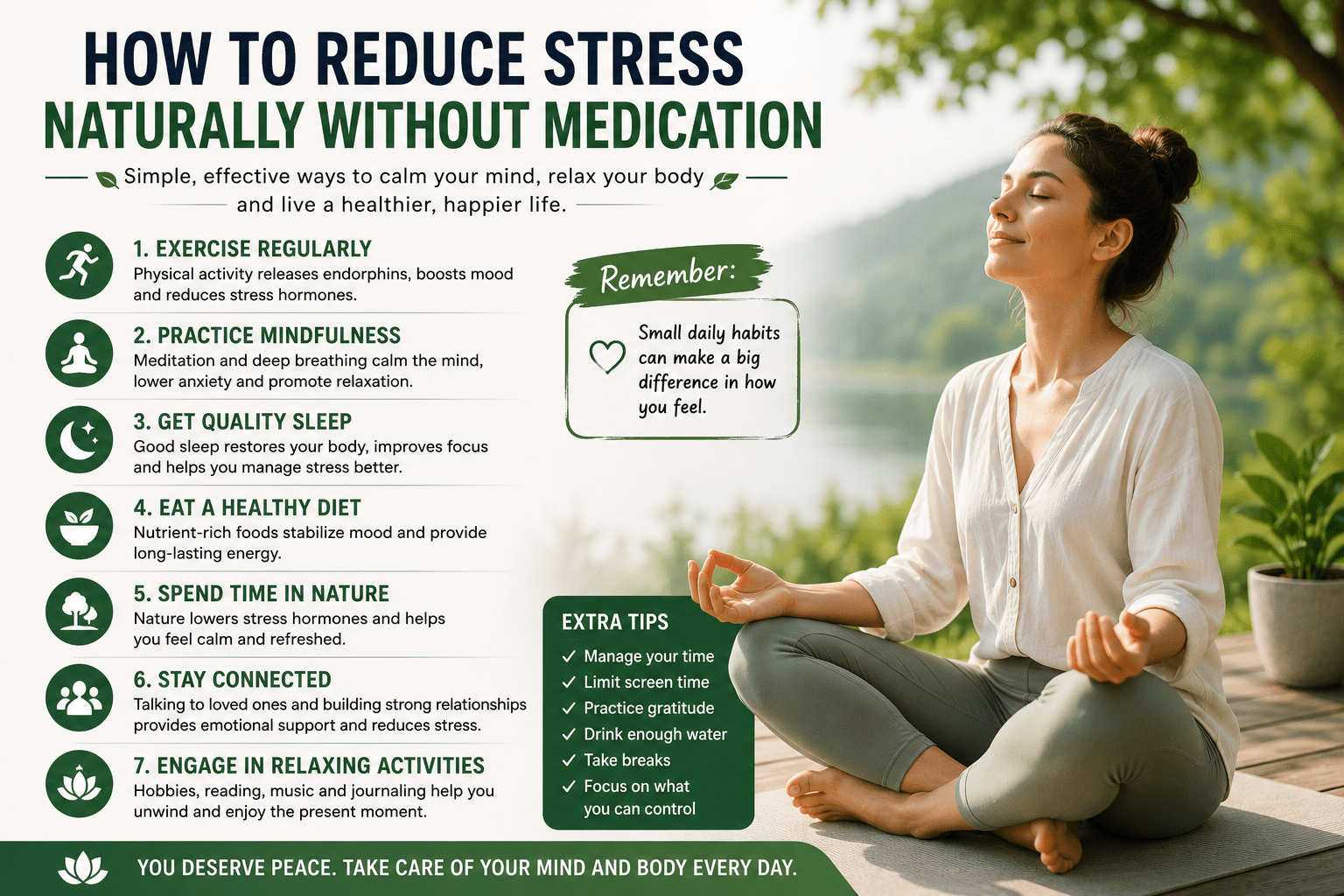
6. Practice Mindfulness
Mindfulness reduces mental overload.
Try:
- Meditation
- Deep breathing
- Journaling
- Gratitude exercises
- Progressive muscle relaxation
Even 10 minutes daily can help.
7. Reconnect with Supportive People
Social support speeds recovery.
Spend time with:
- Family
- Friends
- Mentors
- Trusted colleagues
Talking openly about your feelings often provides relief.
8. Take Time Off
If possible, use vacation days or personal leave to recover mentally.
A short break may help restore perspective and energy.
9. Reevaluate Your Priorities
Ask yourself:
- What truly matters?
- Which responsibilities can I reduce?
- What activities bring me joy?
- What drains my energy unnecessarily?
Simplifying your life often reduces burnout.
10. Seek Professional Help
If burnout becomes severe or is accompanied by persistent anxiety, depression, or hopelessness, consider speaking with a licensed mental health professional.
Professional guidance can provide personalized coping strategies and treatment if needed.
How to Prevent Burnout
Prevention is easier than recovery.
Healthy habits include:
- Maintaining work-life balance
- Taking regular vacations
- Scheduling daily breaks
- Exercising consistently
- Sleeping adequately
- Managing workload
- Practicing mindfulness
- Staying socially connected
- Setting realistic goals
- Asking for help when needed
Burnout Recovery Timeline
Recovery varies depending on severity.
- Mild burnout: A few weeks with rest and lifestyle changes.
- Moderate burnout: One to three months of consistent recovery efforts.
- Severe burnout: Several months or longer, often with professional support.
Avoid rushing the process—gradual recovery is normal.
Frequently Asked Questions (FAQs)
What is the first sign of burnout?
Persistent fatigue, loss of motivation, and emotional exhaustion are often the earliest warning signs.
Can burnout go away on its own?
Mild burnout may improve with rest, but prolonged burnout usually requires changes to work habits, boundaries, and lifestyle.
How long does burnout recovery take?
Recovery may take several weeks to several months, depending on the severity and the support available.
Is burnout the same as depression?
No. Burnout is primarily linked to chronic stress, especially from work or caregiving. However, burnout and depression can overlap, so persistent symptoms should be evaluated by a healthcare professional.
Can exercise help burnout?
Yes. Regular physical activity improves mood, reduces stress hormones, and supports both mental and physical recovery.
Final Thoughts
Burnout is more than simply feeling tired—it is a signal that your mind and body need meaningful recovery. Ignoring the warning signs can lead to long-term health issues, strained relationships, and reduced quality of life.
By recognizing burnout early, prioritizing rest, setting healthy boundaries, practicing self-care, and seeking support when needed, you can regain your energy, restore motivation, and build a more balanced, sustainable lifestyle. Remember that recovery takes time, and small, consistent changes often lead to the greatest improvements.
Also read Best Morning Routine for Better Health







Leave a Reply