

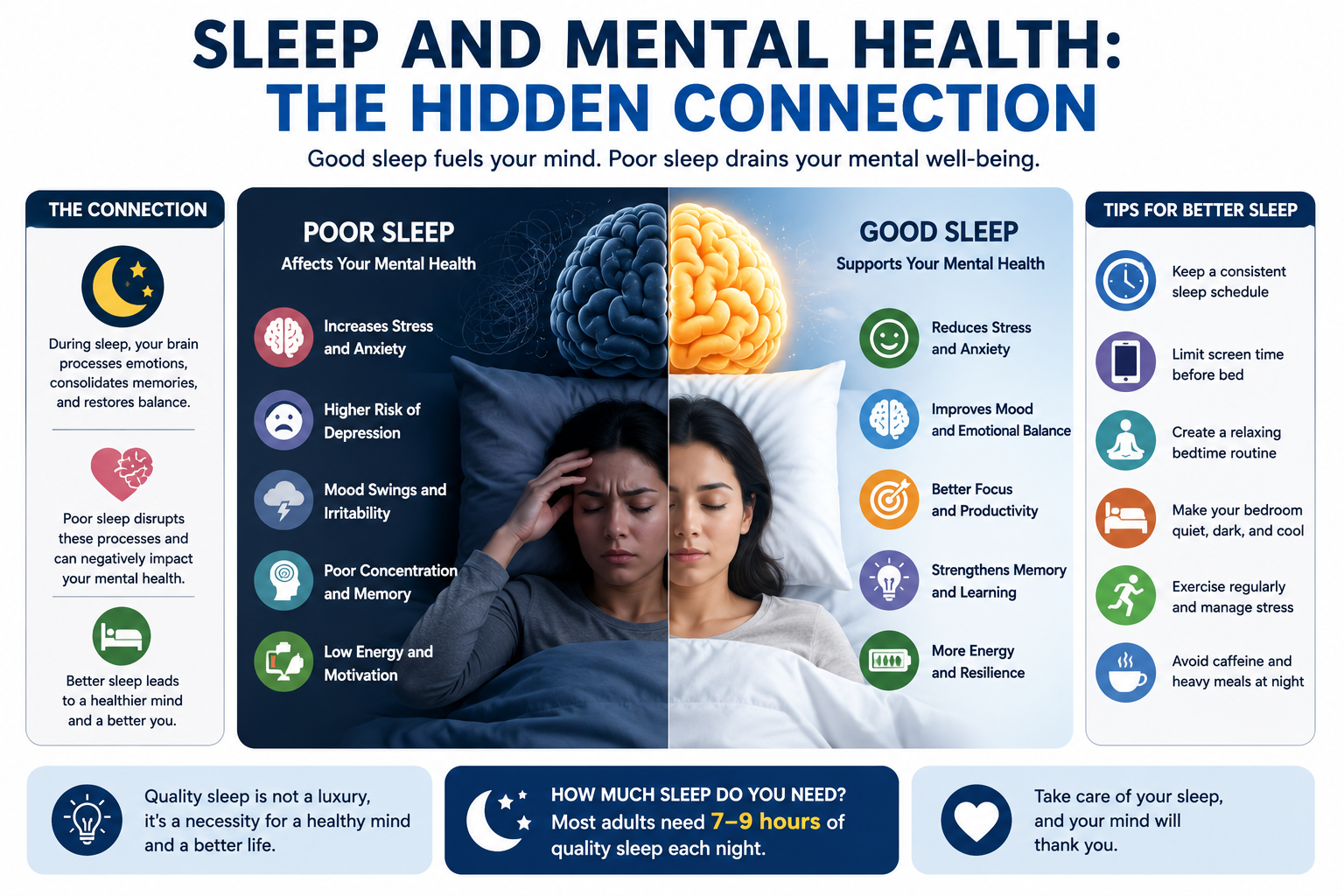
Sleep is often viewed as simply a way to recharge after a busy day, but its role goes far beyond restoring physical energy. Quality sleep is essential for maintaining emotional balance, cognitive performance, and overall mental well-being. In today’s fast-paced, technology-driven world, millions of people sacrifice sleep due to work, stress, social media, or lifestyle habits—often without realizing the serious impact it can have on mental health.
Scientific research consistently shows that sleep and mental health are deeply interconnected. Poor sleep can contribute to anxiety, depression, mood swings, and difficulty concentrating, while mental health conditions can also interfere with healthy sleep patterns.
In this comprehensive guide, we’ll explore the hidden connection between sleep and mental health, common sleep disorders, warning signs of sleep deprivation, and practical ways to improve both your sleep quality and emotional well-being.
Why Sleep Is Essential for Mental Health
Sleep is an active process during which the brain repairs itself, consolidates memories, regulates emotions, and restores important biological functions.
During healthy sleep, your brain:
- Processes emotions
- Strengthens memory
- Removes metabolic waste
- Balances stress hormones
- Supports learning
- Enhances decision-making
- Improves focus and creativity
Without sufficient sleep, these essential functions become impaired, increasing the risk of emotional and psychological difficulties.
The Science Behind Sleep and Mental Health
Sleep occurs in several stages, including:
Non-REM Sleep
This stage allows your body to recover physically by:
- Repairing muscles
- Supporting immune function
- Restoring energy
- Releasing growth hormones
REM Sleep
Rapid Eye Movement (REM) sleep is particularly important for mental health.
During REM sleep, the brain:
- Processes emotions
- Stores memories
- Solves problems
- Supports learning
- Regulates mood
Disruptions in REM sleep are associated with anxiety disorders, depression, and emotional instability.
How Poor Sleep Affects Mental Health
Sleep deprivation impacts nearly every area of brain function.
1. Increased Anxiety
One of the earliest consequences of poor sleep is heightened anxiety.
Lack of sleep can:
- Increase nervousness
- Trigger excessive worrying
- Reduce emotional resilience
- Intensify panic symptoms
Even one night of inadequate sleep may make stressful situations feel more overwhelming.
2. Higher Risk of Depression
Sleep problems and depression often reinforce each other.
People experiencing chronic insomnia are more likely to develop depressive symptoms, while depression can also make it difficult to fall asleep or stay asleep.
Common signs include:
- Persistent sadness
- Low motivation
- Loss of interest
- Fatigue
- Feelings of hopelessness
3. Mood Swings
Insufficient sleep affects the brain’s ability to regulate emotions.
You may notice:
- Irritability
- Anger
- Frustration
- Emotional sensitivity
- Increased conflict in relationships
4. Difficulty Concentrating
Sleep is essential for cognitive performance.
Poor sleep often leads to:
- Reduced focus
- Slower thinking
- Memory problems
- Poor decision-making
- Lower productivity
5. Increased Stress Levels
Lack of sleep raises cortisol, the body’s primary stress hormone.
Elevated cortisol can contribute to:
- Chronic stress
- Muscle tension
- High blood pressure
- Fatigue
- Emotional exhaustion
Mental Health Conditions That Affect Sleep
The relationship works both ways. Mental health disorders frequently interfere with healthy sleep.
Common conditions include:
Anxiety Disorders
People with anxiety often experience:
- Racing thoughts
- Difficulty falling asleep
- Frequent waking
- Restless sleep
Depression
Depression may cause:
- Insomnia
- Oversleeping
- Early morning awakening
- Daytime fatigue
Post-Traumatic Stress Disorder (PTSD)
Individuals with PTSD may experience:
- Nightmares
- Flashbacks
- Sleep avoidance
- Poor sleep quality
Bipolar Disorder
Sleep disturbances often accompany mood episodes.
During manic episodes, people may need very little sleep, while depressive episodes can lead to excessive sleeping.
Signs You’re Not Getting Enough Sleep
Watch for these common warning signs:
- Constant fatigue
- Difficulty waking up
- Poor concentration
- Mood swings
- Frequent headaches
- Increased anxiety
- Memory problems
- Low motivation
- Daytime sleepiness
- Reduced productivity
If these symptoms persist for several weeks, it may be time to evaluate your sleep habits or consult a healthcare professional.
Common Causes of Poor Sleep
Many lifestyle factors interfere with restful sleep.
These include:
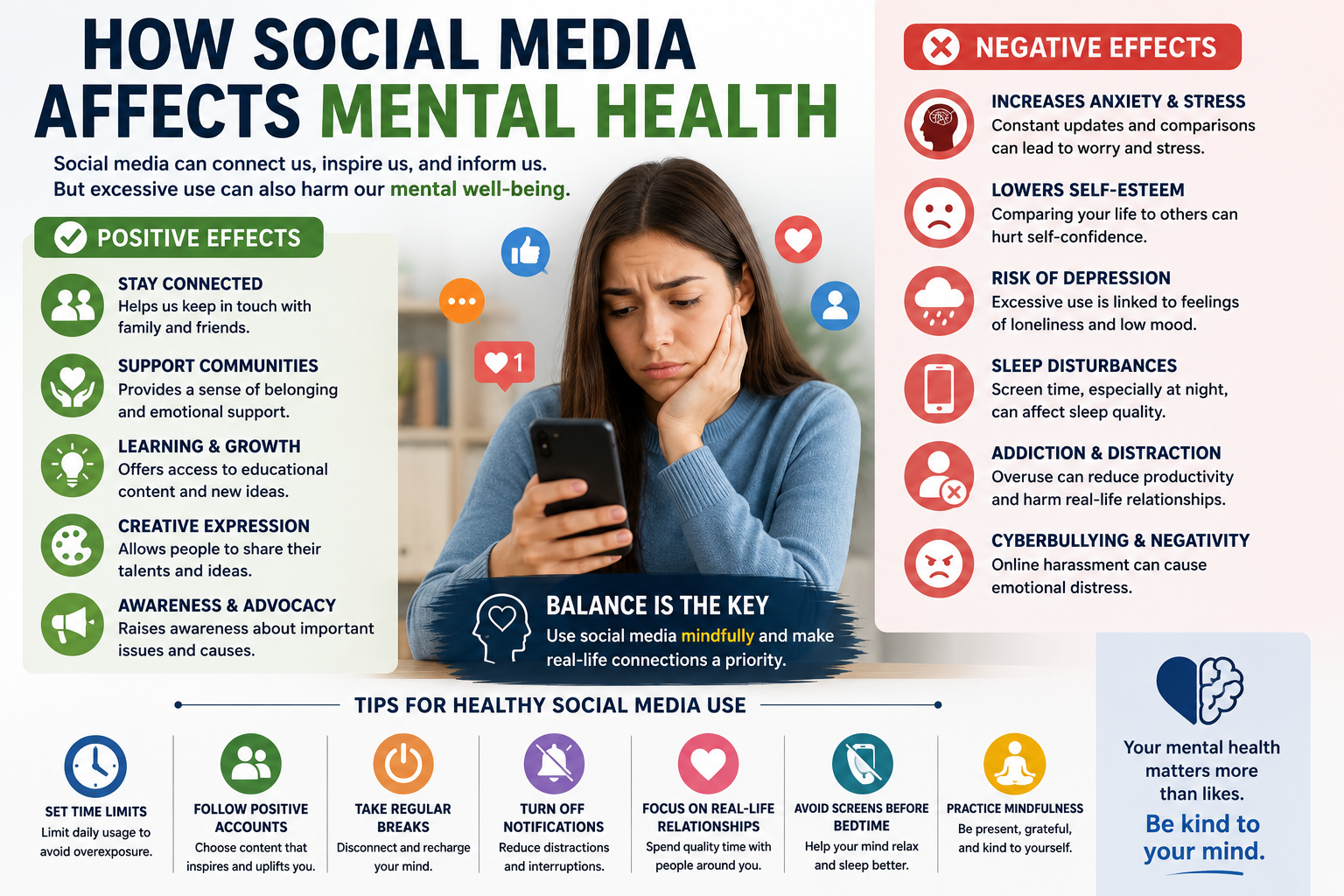
- Excessive screen time before bed
- High caffeine intake
- Alcohol consumption
- Stress
- Irregular sleep schedules
- Shift work
- Poor sleep environment
- Lack of physical activity
- Noise and light pollution
How Better Sleep Improves Mental Health
Improving sleep often leads to noticeable emotional benefits.
Quality sleep can:
- Reduce anxiety
- Improve mood
- Increase resilience
- Enhance memory
- Boost concentration
- Improve emotional regulation
- Support healthy relationships
- Increase daily energy
- Reduce stress
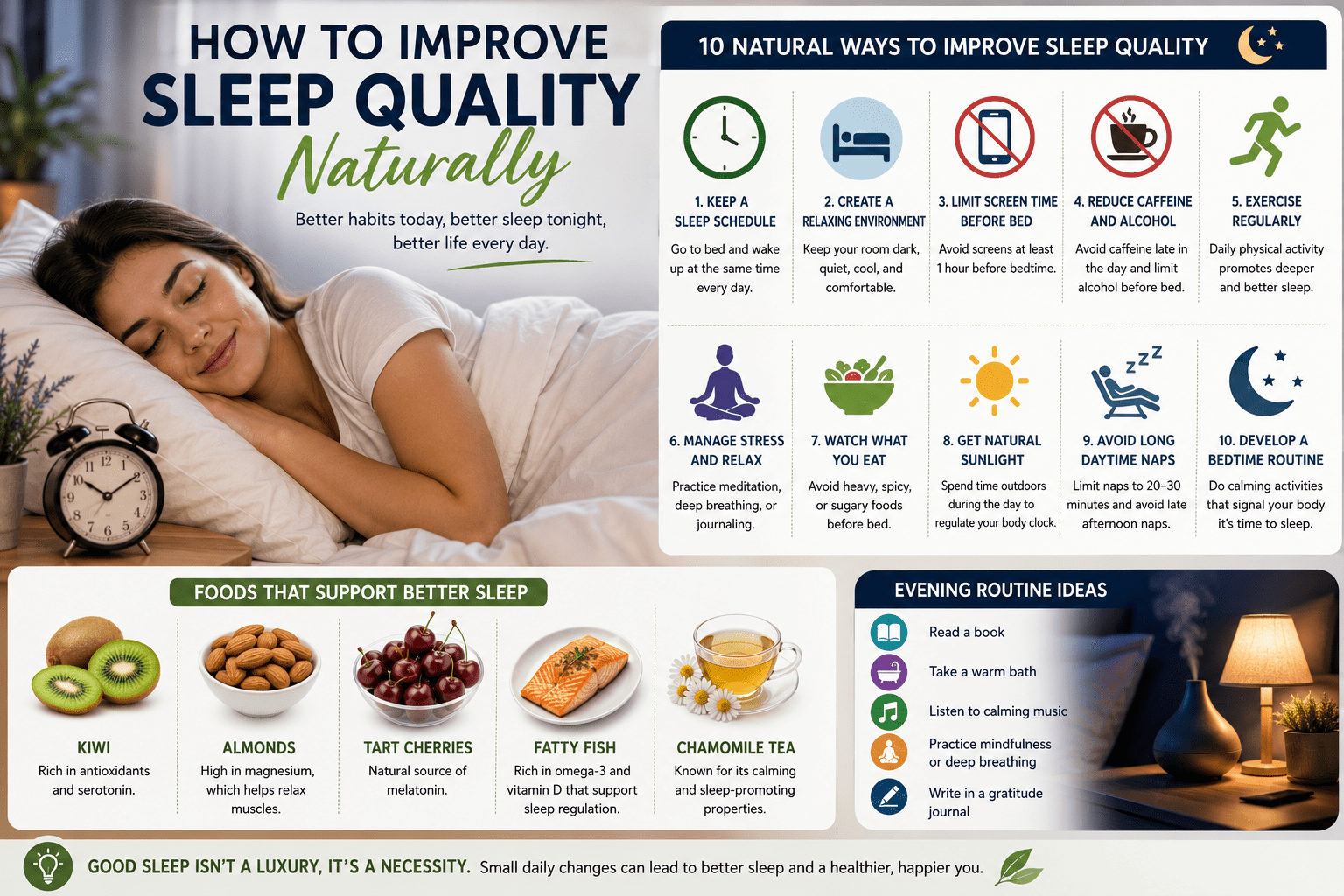
Practical Tips for Better Sleep
1. Maintain a Consistent Sleep Schedule
Go to bed and wake up at the same time every day—even on weekends.
Consistency strengthens your body’s internal clock.
2. Limit Screen Time Before Bed
Blue light from phones, tablets, and computers suppresses melatonin production.
Aim to avoid screens for at least one hour before bedtime.
3. Create a Relaxing Bedtime Routine
Calm your mind with activities such as:
- Reading
- Meditation
- Deep breathing
- Gentle stretching
- Listening to relaxing music
4. Optimize Your Sleep Environment
Your bedroom should be:
- Quiet
- Dark
- Cool
- Comfortable
- Free from unnecessary distractions
5. Exercise Regularly
Daily physical activity improves both sleep quality and mental health.
Aim for at least 30 minutes of moderate exercise most days, but avoid intense workouts right before bedtime.
6. Watch Your Diet
Avoid:
- Heavy meals before bed
- Excess caffeine in the afternoon and evening
- Excess alcohol close to bedtime
Instead, choose balanced meals and stay hydrated throughout the day.
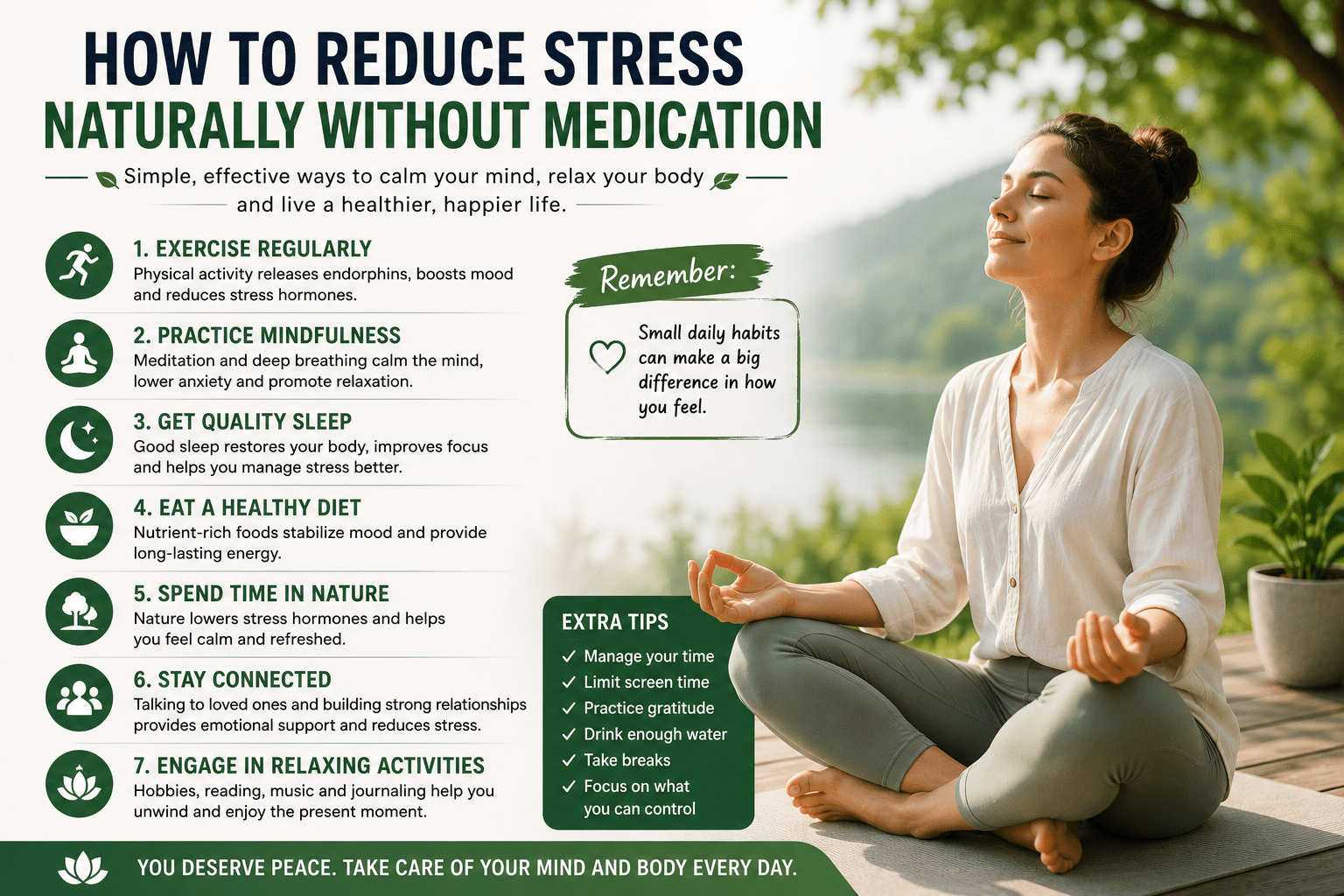
7. Manage Stress
Stress management techniques include:
- Mindfulness meditation
- Journaling
- Yoga
- Progressive muscle relaxation
- Gratitude exercises
Reducing daily stress often leads to better sleep.
When to Seek Professional Help
If sleep problems continue for several weeks despite healthy lifestyle changes, consult a healthcare professional.
Seek medical advice if you experience:
- Chronic insomnia
- Loud snoring with breathing pauses
- Persistent daytime fatigue
- Depression
- Severe anxiety
- Frequent nightmares
- Difficulty functioning during the day
Early intervention can improve both sleep and mental health outcomes.
Frequently Asked Questions (FAQs)
How many hours of sleep do adults need?
Most adults need 7–9 hours of quality sleep each night for optimal physical and mental health.
Can poor sleep cause anxiety?
Yes. Chronic sleep deprivation can increase anxiety levels, reduce emotional resilience, and make it harder to cope with everyday stress.
Does improving sleep help depression?
Better sleep can improve mood and reduce depressive symptoms, but it is not a substitute for professional treatment when depression is moderate to severe.
Is it okay to sleep longer on weekends?
Occasional extra sleep is fine, but maintaining a consistent sleep schedule throughout the week is generally better for your body clock.
What is the best bedtime routine?
A healthy routine includes limiting screen time, avoiding caffeine late in the day, practicing relaxation techniques, and going to bed at the same time each night.
Final Thoughts
Sleep is one of the most powerful—and often overlooked—pillars of mental health. It influences how we think, feel, respond to stress, and interact with others. Prioritizing consistent, high-quality sleep can improve mood, sharpen focus, strengthen emotional resilience, and support long-term psychological well-being.
If you’re struggling with persistent sleep issues or mental health concerns, don’t ignore the signs. Small changes to your daily habits, combined with professional support when needed, can make a meaningful difference in both your sleep quality and your overall quality of life.
FAQ
Q1: How does sleep affect mental health?
Sleep helps regulate emotions, improve memory, reduce stress, and support brain function. Poor sleep increases the risk of anxiety, depression, and mood disorders.
Q2: Can lack of sleep cause depression?
Chronic sleep deprivation is associated with a higher risk of depression and can worsen existing mental health conditions.
Q3: What are the signs of poor sleep?
Common signs include daytime fatigue, irritability, poor concentration, headaches, memory issues, and increased stress or anxiety.
Q4: How can I improve my sleep naturally?
Maintain a regular sleep schedule, reduce screen time before bed, exercise regularly, manage stress, and create a quiet, comfortable sleeping environment.
Q5: How many hours of sleep should adults get?
Most healthy adults should aim for 7 to 9 hours of quality sleep each night.
Also read Sleepmaxxing & Mental Health: How Better Sleep Can Boost Your Brain and Mood






Leave a Reply