

In today’s fast-paced world, quality sleep has become one of the most overlooked aspects of health. Many people struggle with falling asleep, staying asleep, or waking up feeling refreshed. Poor sleep not only affects energy levels but also impacts mental health, productivity, immunity, and physical recovery.
The good news is that improving sleep doesn’t always require expensive solutions or medication. Simple evening habits can significantly enhance sleep quality and help your body recover more effectively overnight.
By creating a healthy nighttime routine, you can fall asleep faster, sleep deeper, and wake up feeling energized and ready for the day ahead.
In this article, we’ll explore the most effective evening habits for better sleep and recovery.
Why Sleep and Recovery Matter
Sleep is when your body repairs itself.
During sleep, your body:
- Restores energy levels
- Repairs muscles and tissues
- Strengthens the immune system
- Processes memories
- Balances hormones
- Supports brain function
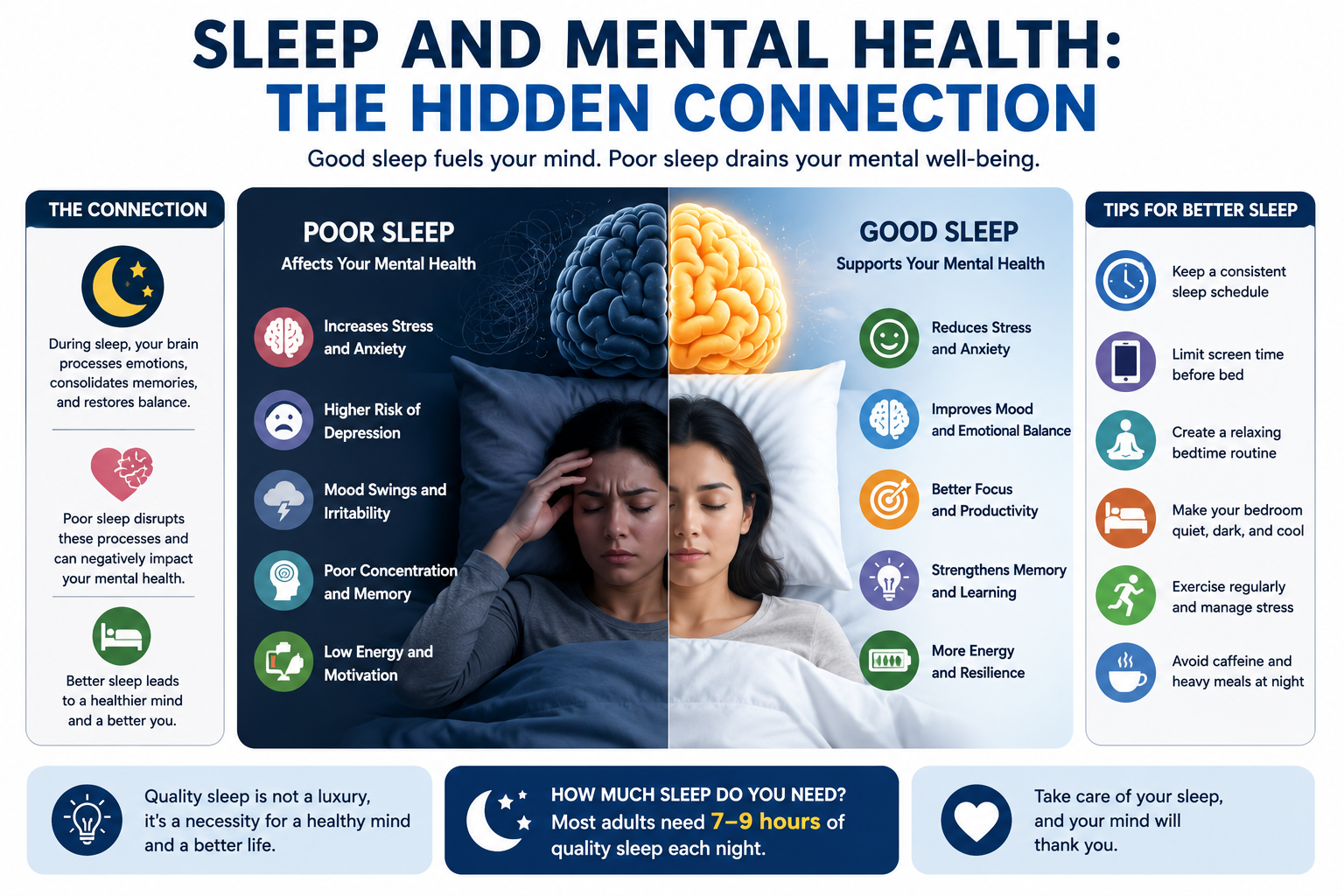
Lack of quality sleep can lead to:
- Fatigue
- Mood swings
- Increased stress
- Weight gain
- Reduced focus
- Weakened immunity
Developing healthy evening habits helps maximize these recovery processes.
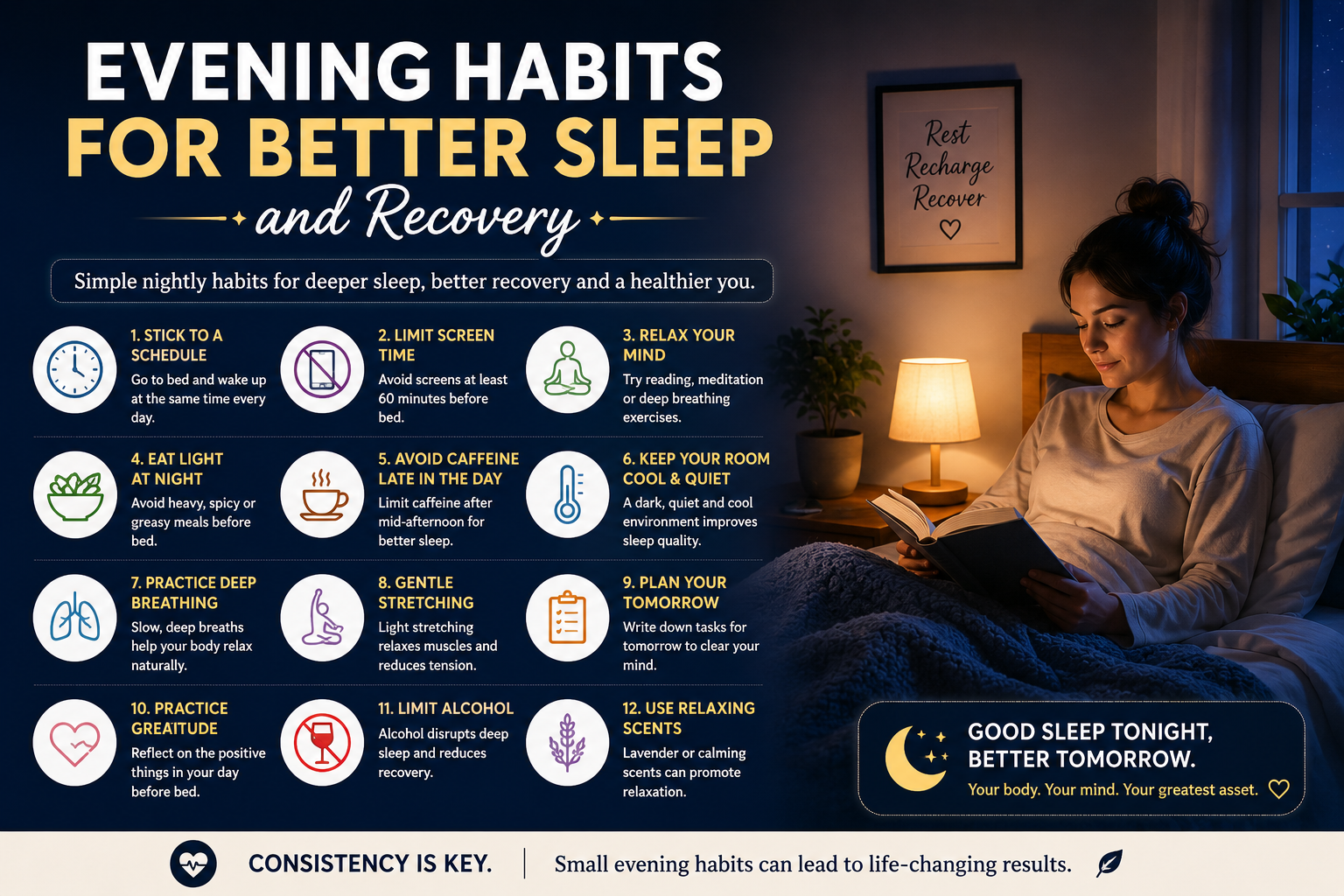
1. Maintain a Consistent Sleep Schedule
Your body has an internal clock known as the circadian rhythm.
Going to bed and waking up at the same time every day helps regulate this natural cycle.
Benefits include:
- Faster sleep onset
- Improved sleep quality
- Better morning energy
- Enhanced recovery
Even on weekends, try to keep your sleep schedule consistent.
2. Limit Screen Time Before Bed
Electronic devices emit blue light that can interfere with melatonin production.
Melatonin is the hormone responsible for making you feel sleepy.
To improve sleep:
- Avoid phones and tablets 60 minutes before bed
- Reduce TV viewing late at night
- Use blue-light filters if necessary
Less screen exposure helps your brain prepare for sleep naturally.
3. Create a Relaxing Nighttime Routine
A calming bedtime routine signals your body that it’s time to rest.
Relaxing activities may include:
- Reading a book
- Gentle stretching
- Meditation
- Deep breathing exercises
- Listening to soft music
Repeating the same routine nightly can improve sleep consistency.
4. Avoid Heavy Meals Late at Night
Eating large meals before bedtime can disrupt digestion and interfere with sleep.
Instead:
- Finish dinner at least 2–3 hours before bedtime
- Choose lighter evening meals
- Avoid spicy or greasy foods
A comfortable digestive system promotes uninterrupted sleep.
5. Reduce Caffeine Intake in the Evening
Caffeine can remain in your system for several hours.
Common caffeine sources include:
- Coffee
- Tea
- Energy drinks
- Some soft drinks
- Chocolate
Try limiting caffeine after mid-afternoon to support better sleep quality.
6. Keep Your Bedroom Cool and Comfortable
Your sleeping environment plays a major role in sleep quality.
For better rest:
- Keep the room cool
- Use comfortable bedding
- Minimize noise
- Reduce bright lights
A comfortable sleep environment encourages deeper and more restorative sleep.
7. Practice Deep Breathing
Deep breathing activates the body’s relaxation response.
A simple breathing exercise:
- Inhale slowly for 4 seconds
- Hold for 4 seconds
- Exhale for 6 seconds
- Repeat for several minutes
This can lower stress levels and help you fall asleep more easily.
8. Try Gentle Evening Stretching
Light stretching before bed helps release muscle tension built up throughout the day.
Benefits include:
- Improved flexibility
- Reduced stiffness
- Better circulation
- Increased relaxation
Avoid intense workouts close to bedtime, as they may increase alertness.
9. Stay Hydrated—But Not Excessively
Hydration supports overall health and recovery.
However, drinking excessive amounts of water right before bed may cause nighttime awakenings.
Aim to:
- Stay hydrated throughout the day
- Reduce large fluid intake during the final hour before sleep
Balance is key.
10. Write Down Tomorrow’s Tasks
Many people struggle to sleep because of racing thoughts.
Creating a simple to-do list can:
- Reduce anxiety
- Clear mental clutter
- Improve relaxation
Knowing your plans are written down can help your mind rest more easily.
11. Practice Gratitude Before Bed
Gratitude encourages positive thinking and emotional balance.
Before sleeping, reflect on:
- Positive experiences from the day
- Personal achievements
- Things you appreciate
This simple habit can reduce stress and improve overall mental wellness.
12. Avoid Alcohol Before Sleep
Although alcohol may initially make you feel sleepy, it often disrupts sleep quality later in the night.
Alcohol can:
- Reduce deep sleep
- Cause nighttime awakenings
- Increase fatigue the next day
Limiting alcohol consumption supports healthier sleep cycles.
13. Use Relaxing Scents
Certain scents may promote relaxation.
Popular choices include:
- Lavender
- Chamomile
- Sandalwood
Using essential oils or scented candles (safely) can create a calming bedtime atmosphere.
14. Keep Your Bedroom Dark
Darkness signals your brain to produce melatonin.
Tips for a darker room:
- Use blackout curtains
- Turn off unnecessary lights
- Cover electronic indicators
A darker environment supports natural sleep rhythms.
15. Disconnect From Stressful Activities
Avoid activities that increase mental stimulation before bed, such as:
- Work emails
- Intense discussions
- Stressful news consumption
Instead, focus on relaxation and recovery.
Your mind needs time to transition from activity to rest.
Benefits of a Healthy Evening Routine
Consistently following healthy evening habits can provide:
Better Sleep Quality
Deeper and more restorative sleep.
Faster Recovery
Improved muscle repair and physical recovery.
Increased Energy
More productive and energetic mornings.
Better Mental Health
Reduced anxiety and improved emotional balance.
Stronger Immune Function
Sleep supports overall health and disease prevention.
Common Mistakes That Hurt Sleep
Avoid these common habits:
- Using phones in bed
- Drinking caffeine late in the day
- Eating heavy meals before sleep
- Inconsistent bedtimes
- Sleeping in a bright room
- Watching stressful content at night
Small adjustments can lead to significant improvements.
Final Thoughts
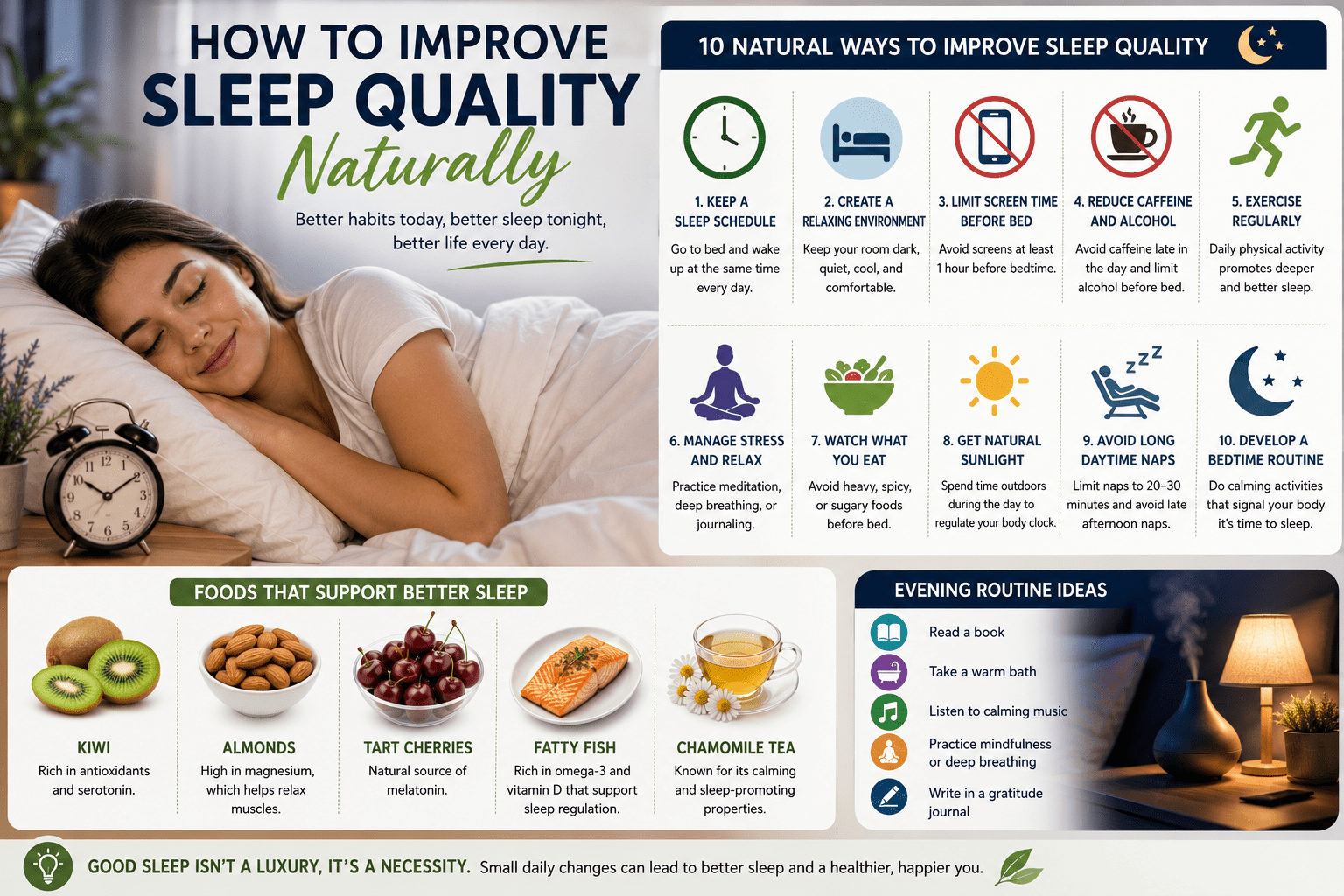
Quality sleep is one of the most powerful tools for improving health, energy, and overall well-being.
Simple evening habits such as reducing screen time, maintaining a consistent sleep schedule, practicing relaxation techniques, and creating a comfortable sleep environment can dramatically improve sleep quality and overnight recovery.
The best part is that these habits are easy to implement and can deliver long-term benefits when practiced consistently.
Remember: great mornings begin with healthy evenings.












Leave a Reply