

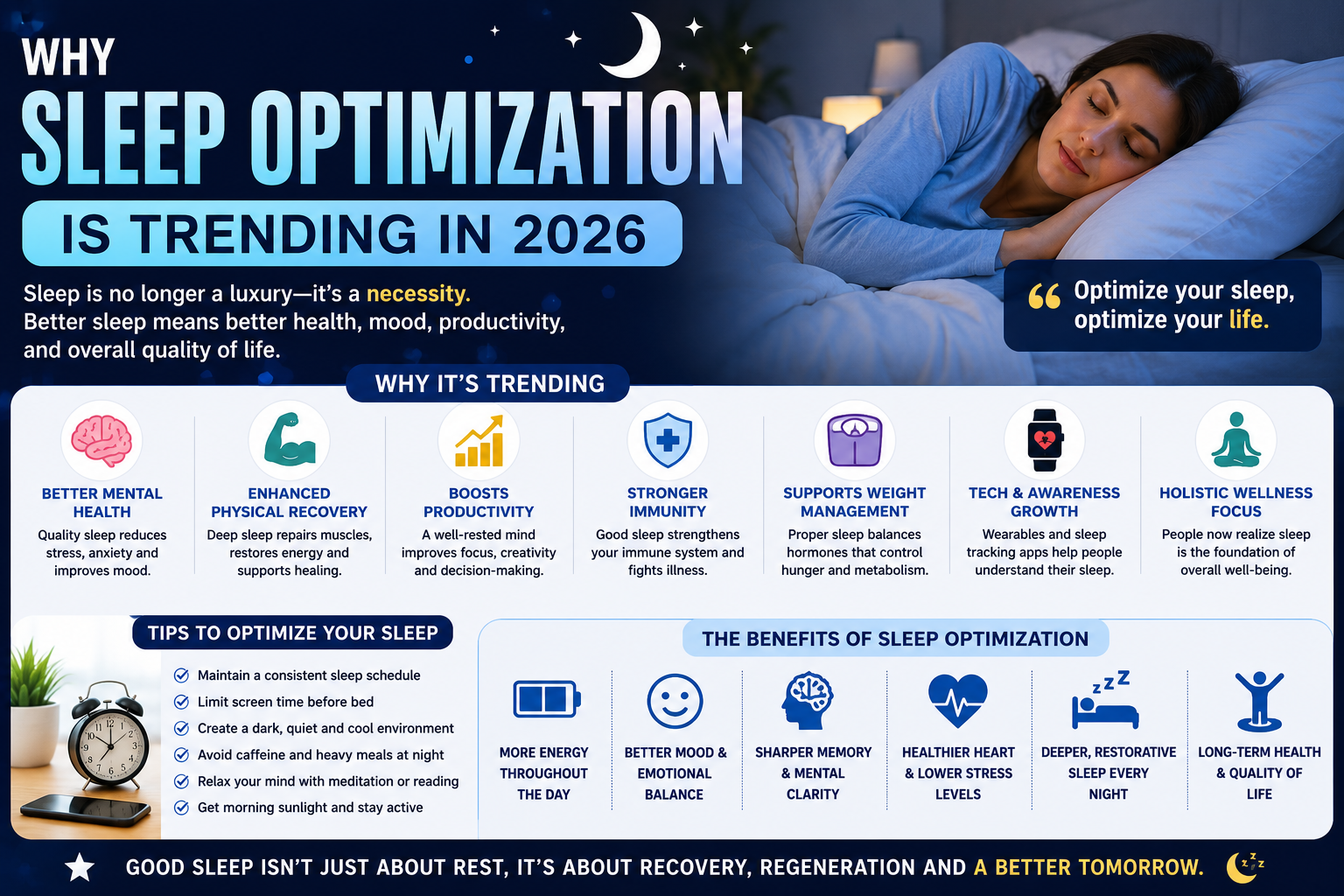
For years, health conversations focused primarily on diet and exercise. While both remain important, a new wellness trend is taking center stage: sleep optimization.
People are beginning to realize that quality sleep is not a luxury—it is a necessity. From improved mental health and productivity to faster recovery and stronger immunity, sleep affects nearly every aspect of human health.
As modern lifestyles become increasingly busy and digital distractions continue to grow, more individuals are searching for ways to improve sleep quality and maximize recovery. This growing awareness has turned sleep optimization into one of the biggest health and wellness trends of the year.
In this article, we’ll explore what sleep optimization means, why it is gaining popularity, and how you can improve your sleep naturally.
What Is Sleep Optimization?
Sleep optimization refers to improving both the quality and quantity of sleep to support overall health and performance.
Unlike simply spending more time in bed, sleep optimization focuses on creating the ideal conditions for restorative sleep.
This includes:
- Maintaining a consistent sleep schedule
- Improving sleep environment
- Reducing sleep disruptions
- Managing stress levels
- Supporting healthy circadian rhythms
The goal is to wake up feeling refreshed, energized, and mentally alert.
Why Sleep Is More Important Than Ever
Modern life presents many challenges that interfere with healthy sleep.
Common factors include:
- Excessive screen time
- Work-related stress
- Social media usage
- Irregular schedules
- Poor sleep habits
- Increased anxiety
As a result, many people experience:
- Chronic fatigue
- Difficulty concentrating
- Reduced productivity
- Mood swings
- Poor recovery
This has created a growing demand for sleep improvement strategies.
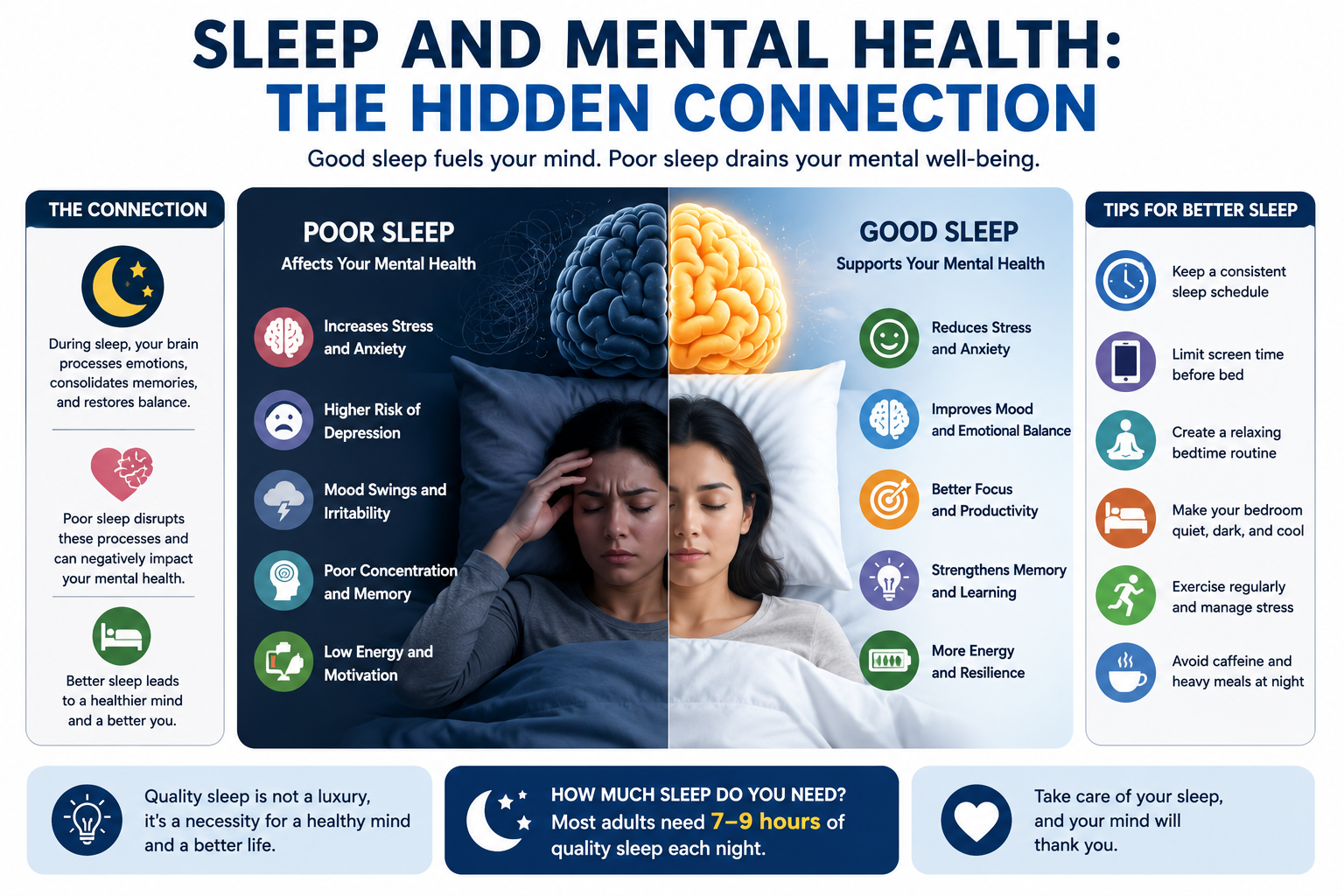
1. Better Sleep Improves Mental Health
Mental wellness has become a major priority worldwide.
Research continues to show a strong connection between sleep and mental health.
Quality sleep can help:
- Reduce stress
- Lower anxiety
- Improve mood
- Enhance emotional resilience
- Support cognitive function
Poor sleep, on the other hand, often contributes to emotional exhaustion and mental fatigue.
This is one reason sleep optimization has become so popular.
2. Sleep Supports Physical Recovery
During sleep, the body performs essential repair processes.
These include:
- Muscle recovery
- Tissue repair
- Hormone regulation
- Cellular regeneration
Athletes and fitness enthusiasts increasingly focus on sleep because recovery is where physical progress happens.
Without proper sleep, workout performance and recovery suffer significantly.
3. Productivity Depends on Sleep Quality
Many professionals are discovering that working longer hours does not necessarily increase productivity.
In fact, poor sleep often results in:
- Reduced concentration
- Slower decision-making
- More mistakes
- Lower creativity
Optimizing sleep can improve focus, mental clarity, and workplace performance.
As businesses emphasize employee wellness, sleep health is becoming a key topic.
4. Wearable Technology Has Increased Awareness
Sleep tracking devices have made people more conscious of their sleep habits.
Popular wearable devices can monitor:
- Sleep duration
- Sleep stages
- Heart rate
- Recovery metrics
This data helps users understand how lifestyle choices affect sleep quality.
The rise of health technology has significantly contributed to the sleep optimization movement.
5. Better Sleep Supports Weight Management
Sleep plays an important role in appetite regulation.
Lack of sleep can affect hormones that control hunger and fullness.
Poor sleep may:
- Increase cravings
- Encourage overeating
- Reduce motivation to exercise
- Affect metabolism
People focused on weight management are now recognizing sleep as a critical component of healthy living.
6. Stronger Immunity Starts With Sleep
A healthy immune system relies on adequate rest.
Quality sleep helps:
- Strengthen immune responses
- Support disease prevention
- Improve recovery from illness
Following recent global health challenges, many individuals have become more interested in habits that naturally support immunity.
Sleep optimization is one of the most effective strategies.
7. Sleep Is the Foundation of Wellness
Health experts increasingly view sleep as the foundation of overall well-being.
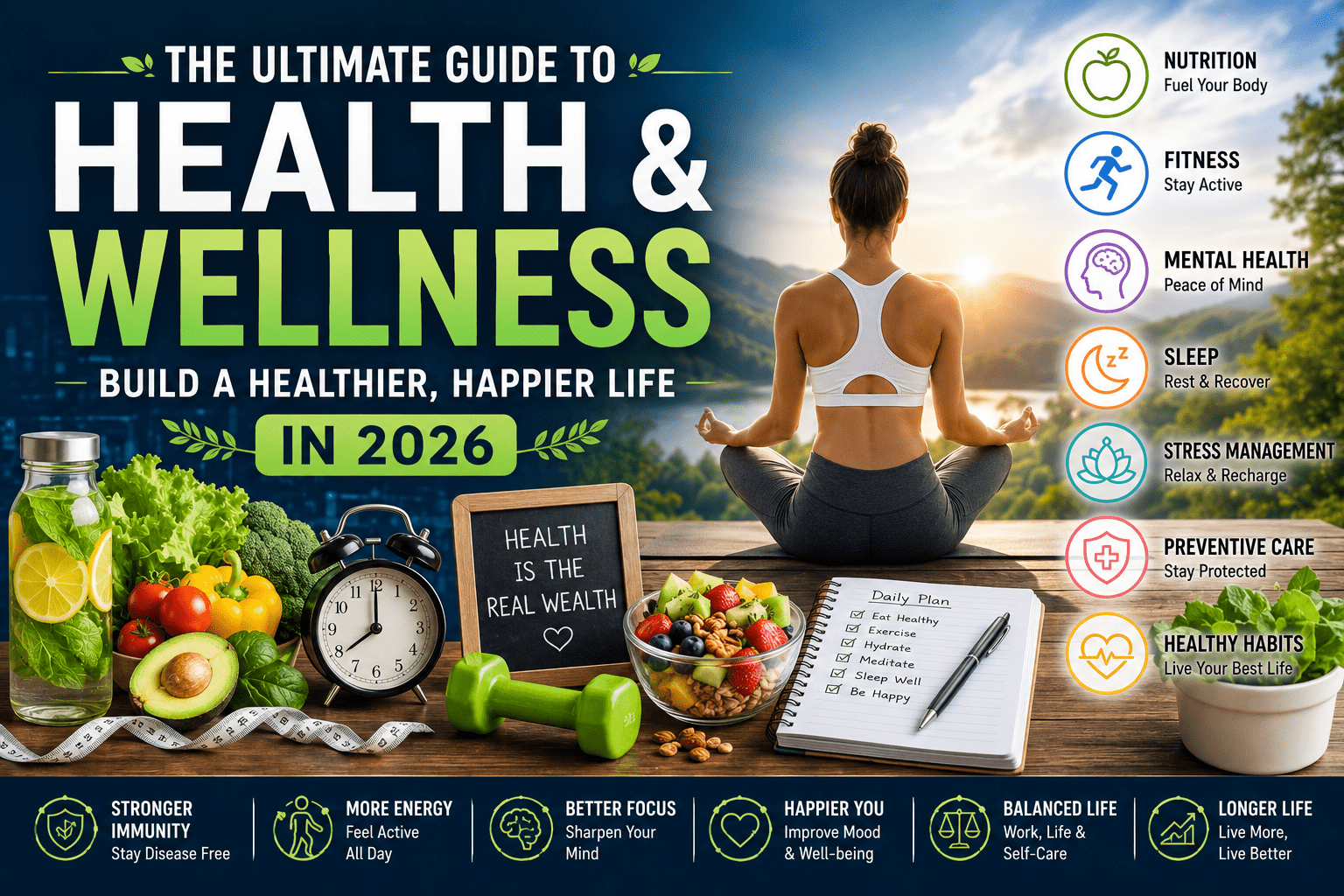
Think of health as a three-part system:
- Nutrition
- Exercise
- Sleep
Without quality sleep, the benefits of healthy eating and physical activity are often reduced.
This understanding has shifted public attention toward improving sleep habits.
Signs You May Need Better Sleep Optimization
Many people experience symptoms of poor sleep without realizing it.
Common signs include:
- Feeling tired after waking up
- Difficulty concentrating
- Frequent nighttime awakenings
- Mood changes
- Low energy levels
- Increased stress
- Afternoon fatigue
If these symptoms occur regularly, improving sleep habits may help.
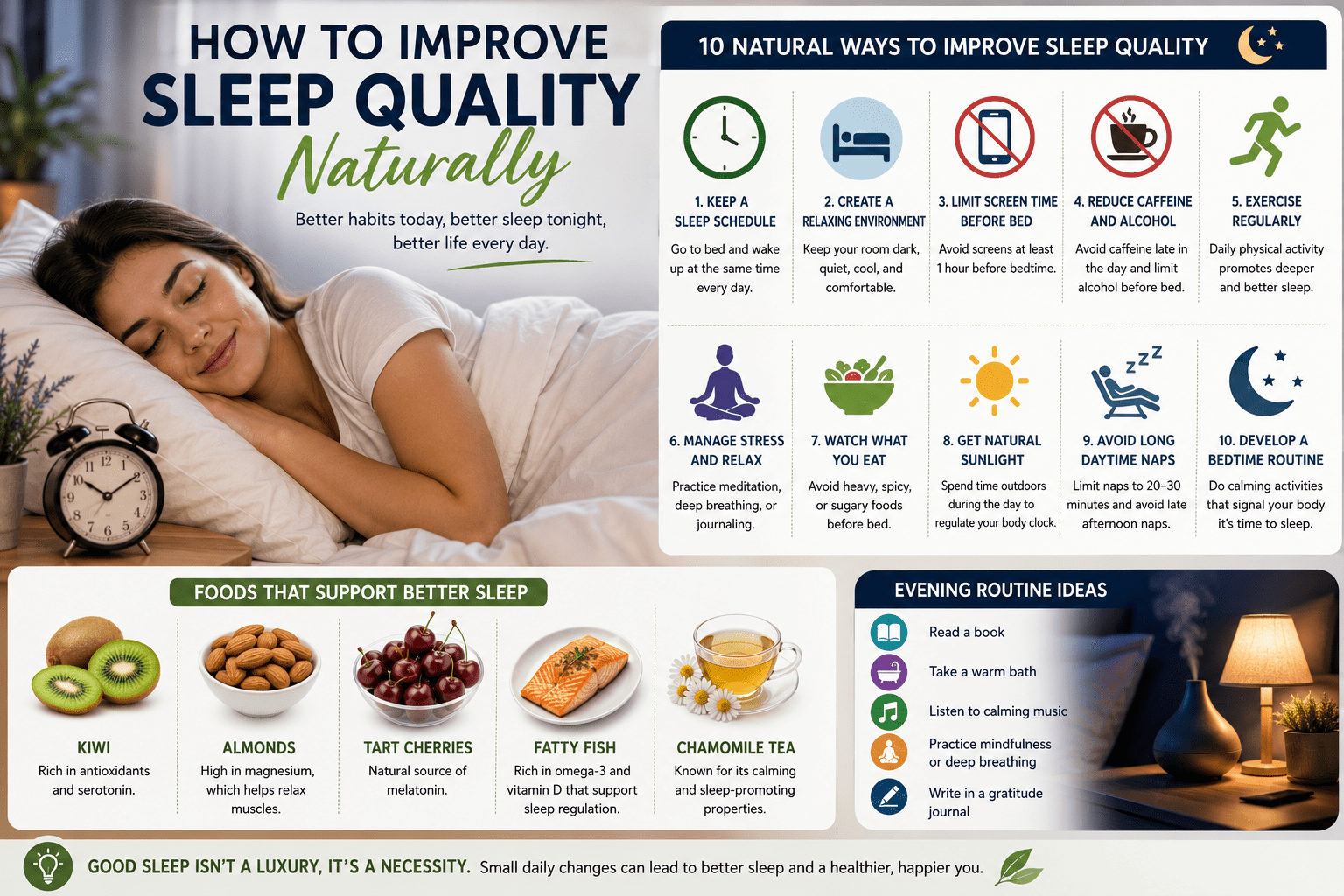
Simple Ways to Optimize Sleep
Maintain a Consistent Schedule
Go to bed and wake up at the same time every day.
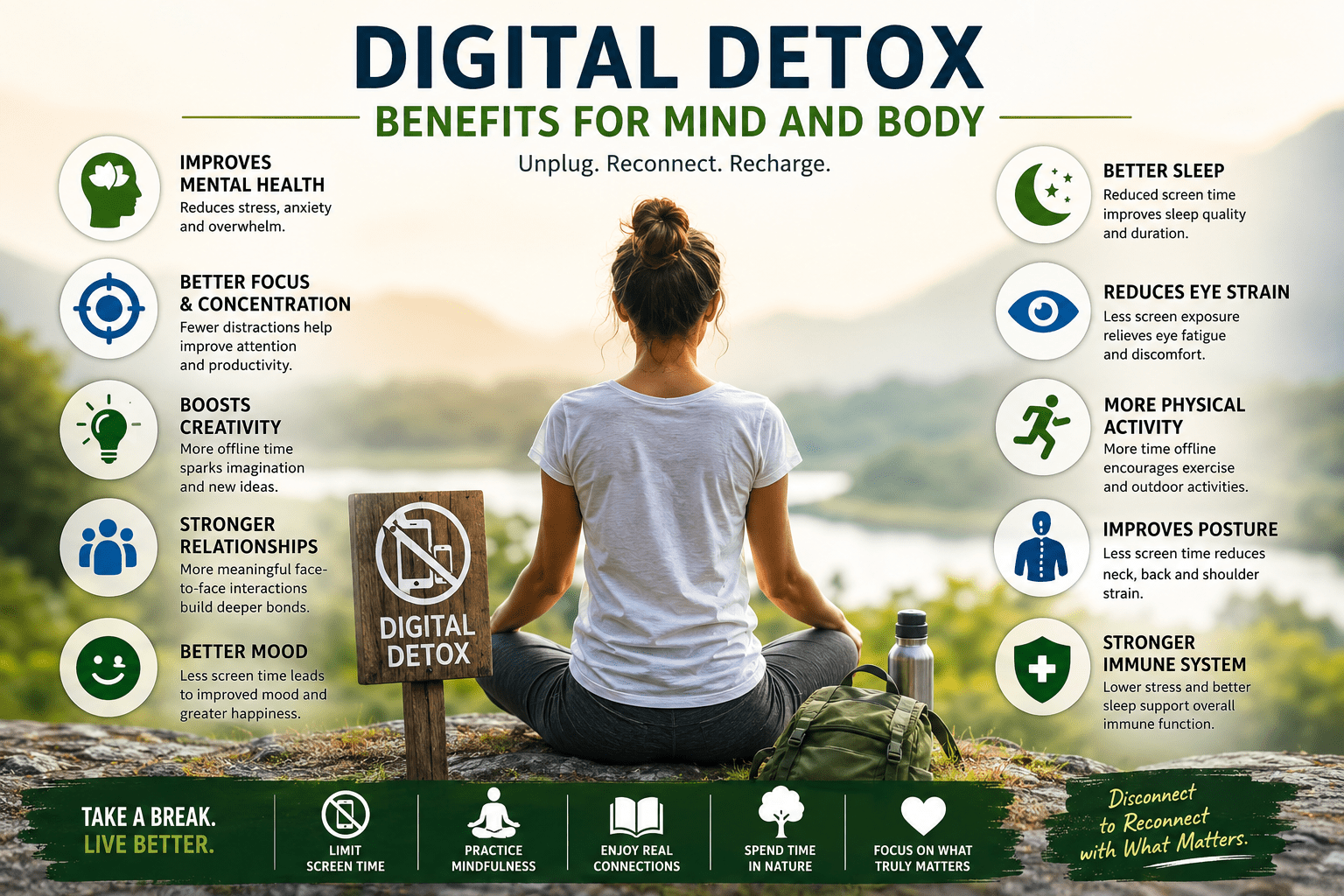
Limit Screen Exposure
Reduce phone, tablet, and television use before bedtime.
Create a Comfortable Sleep Environment
Keep your bedroom:
- Cool
- Quiet
- Dark
- Comfortable
Manage Stress
Practice:
- Meditation
- Deep breathing
- Journaling
- Relaxation exercises
Avoid Late-Night Stimulants
Limit:
- Caffeine
- Nicotine
- Large meals before bed
The Future of Sleep Optimization
Experts predict that sleep-focused wellness will continue to grow throughout the coming years.
Emerging trends include:
- Personalized sleep coaching
- Smart sleep technology
- Recovery-focused wellness programs
- Workplace sleep initiatives
- Advanced sleep tracking tools
As awareness increases, sleep optimization will likely become as common as fitness tracking and healthy eating.
Benefits of Sleep Optimization
People who prioritize sleep often experience:
More Energy
Improved physical and mental performance.
Better Mood
Reduced stress and emotional stability.
Faster Recovery
Enhanced muscle repair and recovery.
Stronger Immunity
Better resistance to illness.
Improved Productivity
Greater focus and concentration.
Long-Term Health Benefits
Lower risk of various chronic health conditions.
Final Thoughts
Sleep optimization is trending because people are finally recognizing the powerful role sleep plays in overall health and well-being.
Quality sleep supports mental health, physical recovery, productivity, immune function, and long-term wellness. In a world filled with stress, digital distractions, and demanding schedules, optimizing sleep has become one of the most effective ways to improve quality of life.
The good news is that small changes—such as maintaining a regular sleep schedule, reducing screen time, and creating a relaxing bedtime routine—can lead to significant improvements.
Remember: better sleep isn’t just about getting more rest; it’s about building a healthier, more productive, and more balanced life.









Leave a Reply