

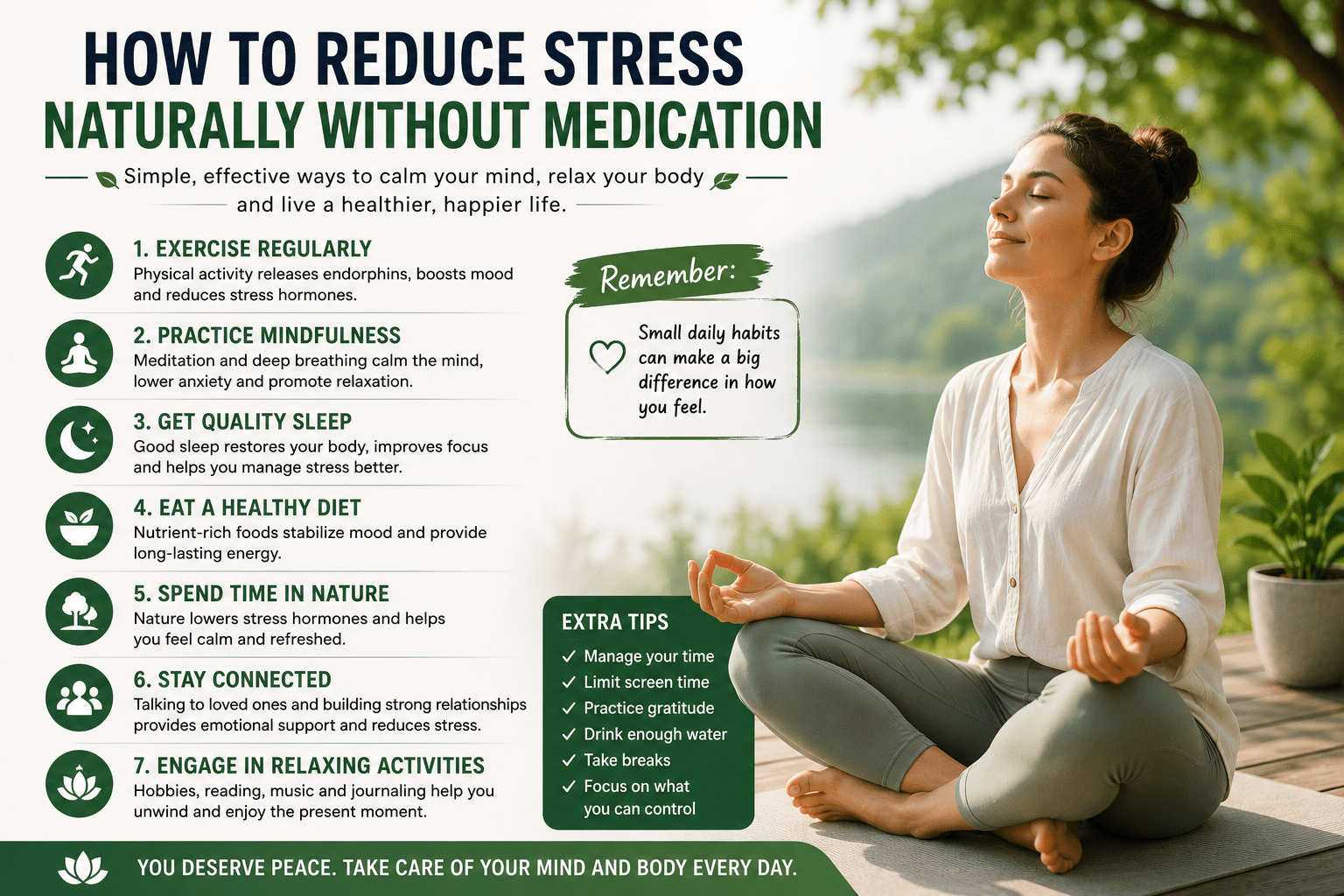
Stress has become a common part of modern life. Whether it’s caused by work pressures, financial concerns, family responsibilities, or personal challenges, prolonged stress can negatively affect both physical and mental health. While medication may be necessary in certain situations, many people can effectively manage everyday stress through natural lifestyle changes and healthy coping strategies.
The good news is that reducing stress doesn’t always require expensive treatments or complicated solutions. Simple daily habits can significantly improve your mood, increase resilience, and help you maintain a healthier, more balanced life.
In this article, we’ll explore practical ways to reduce stress naturally without medication and improve your overall well-being.
Understanding Stress
Stress is the body’s natural response to challenges, demands, or perceived threats. In short bursts, stress can be helpful by increasing focus and alertness. However, chronic stress can lead to various health problems, including:
- Anxiety
- Sleep disturbances
- Headaches
- High blood pressure
- Fatigue
- Digestive issues
- Reduced immune function
- Difficulty concentrating
Recognizing stress early is the first step toward managing it effectively.
Exercise Regularly
Physical activity is one of the most effective natural stress relievers available.
Exercise helps by:
- Releasing endorphins, which improve mood
- Reducing stress hormones
- Improving sleep quality
- Increasing energy levels
- Enhancing mental clarity
You don’t need intense workouts to experience benefits. Consider activities such as:
- Walking
- Jogging
- Cycling
- Swimming
- Yoga
- Dancing
Even 20 to 30 minutes of daily movement can make a noticeable difference.
Practice Deep Breathing
When stress levels rise, breathing often becomes shallow and rapid.
Deep breathing exercises can:
- Slow your heart rate
- Relax muscles
- Lower blood pressure
- Calm the nervous system
Try this simple technique:
- Inhale slowly through your nose for four seconds.
- Hold your breath for four seconds.
- Exhale slowly through your mouth for six seconds.
- Repeat for several minutes.
This practice can help reduce stress almost immediately.
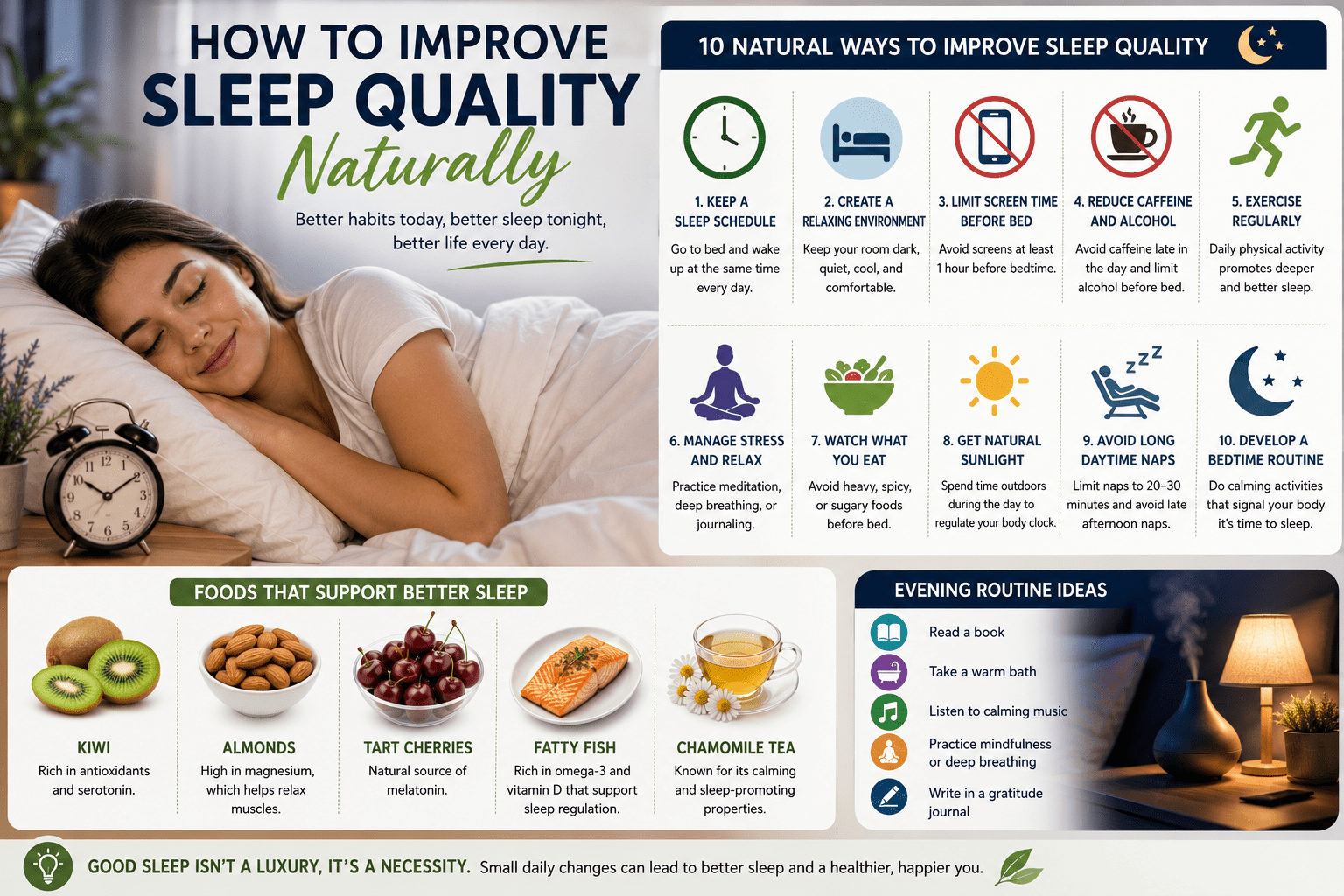
Prioritize Quality Sleep
Lack of sleep and stress often create a harmful cycle.
Poor sleep can increase stress, while stress can make it harder to sleep.
To improve sleep quality:
- Maintain a consistent bedtime
- Avoid screens before bed
- Limit caffeine in the evening
- Keep your bedroom cool and comfortable
- Develop a relaxing nighttime routine
Most adults benefit from seven to nine hours of sleep each night.
Practice Mindfulness and Meditation
Mindfulness involves paying attention to the present moment without judgment.
Meditation and mindfulness can help:
- Reduce anxiety
- Improve emotional regulation
- Enhance focus
- Promote relaxation
You can begin with just five to ten minutes daily.
Simple mindfulness activities include:
- Guided meditation
- Body scans
- Breathing exercises
- Mindful walking
Regular practice often leads to long-term stress reduction.
Spend Time in Nature
Nature has a powerful calming effect on the mind and body.
Research has shown that spending time outdoors may help:
- Lower stress hormones
- Improve mood
- Reduce anxiety
- Increase feelings of well-being
Activities to consider include:
- Walking in a park
- Gardening
- Hiking
- Sitting near water
- Spending time in green spaces
Even short periods outdoors can provide noticeable benefits.
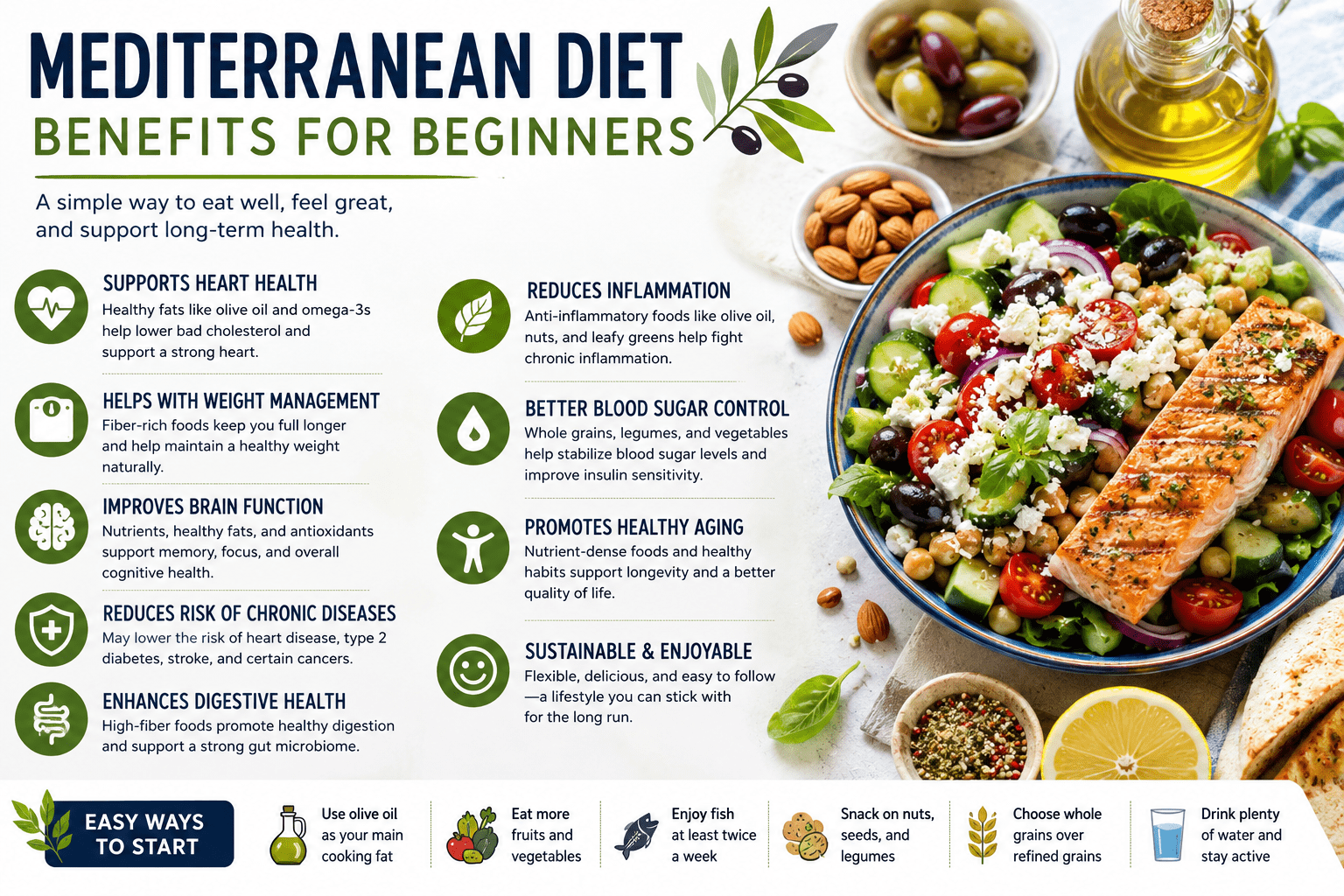
Eat a Healthy, Balanced Diet
Nutrition plays an important role in stress management.
A healthy diet supports brain function and helps regulate mood.
Focus on foods such as:
- Fruits
- Vegetables
- Whole grains
- Lean proteins
- Nuts and seeds
- Healthy fats
Try to limit:
- Excessive sugar
- Processed foods
- Excess caffeine
- Excess alcohol
Consistent healthy eating habits can help stabilize energy and mood throughout the day.
Stay Connected with Others
Strong social connections can help protect against stress.
Talking with trusted friends, family members, or colleagues can:
- Provide emotional support
- Offer different perspectives
- Reduce feelings of isolation
- Improve resilience
Even a short conversation with someone you trust can help relieve stress.
Manage Your Time Effectively
Poor time management often contributes to stress.
Improve productivity by:
- Creating daily to-do lists
- Prioritizing important tasks
- Breaking large projects into smaller steps
- Setting realistic deadlines
- Avoiding multitasking
Effective planning can help you feel more in control and less overwhelmed.
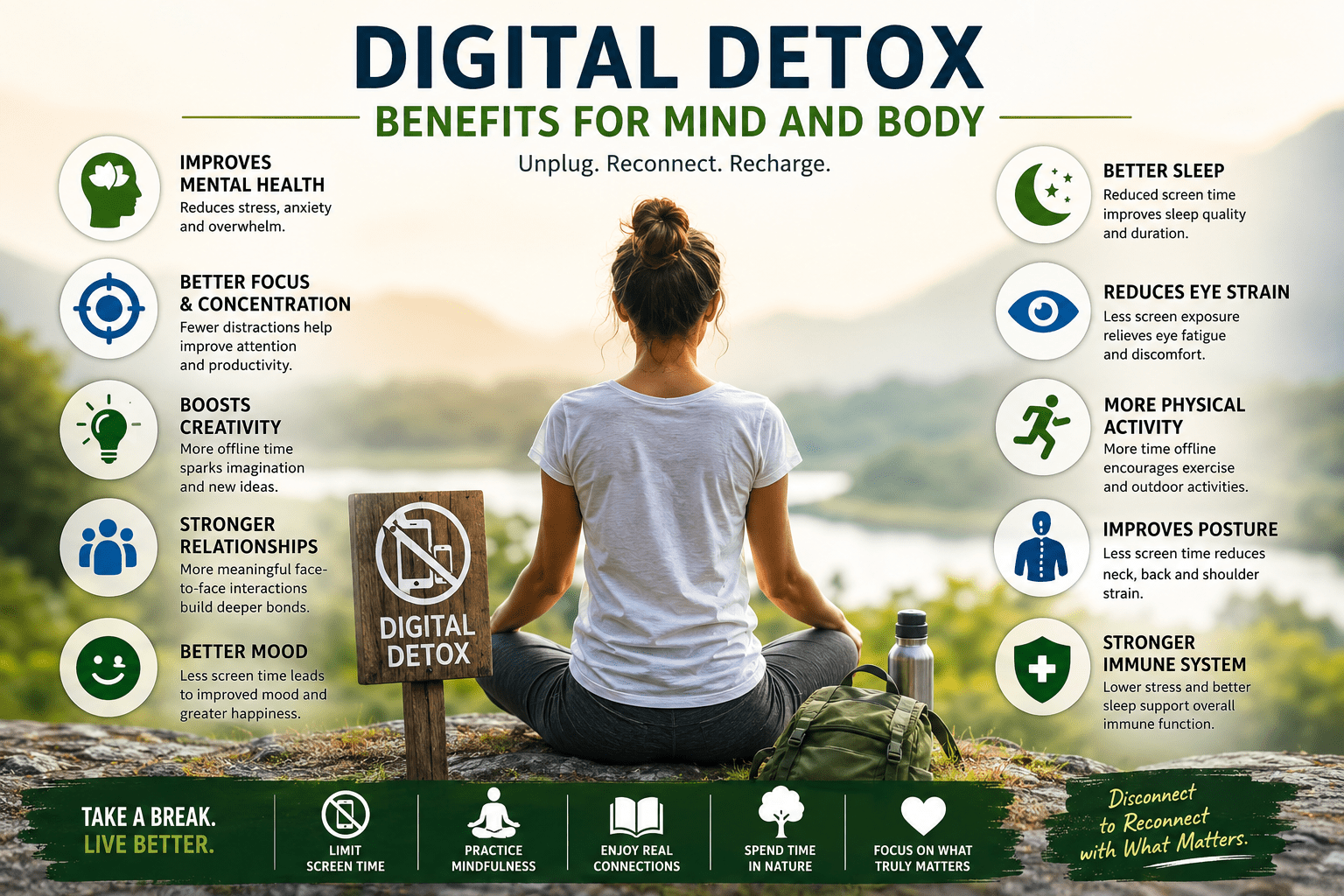
Reduce Digital Overload
Constant notifications, emails, and social media updates can increase stress levels.
Consider:
- Taking regular breaks from screens
- Limiting social media use
- Turning off unnecessary notifications
- Establishing technology-free periods
Reducing digital distractions can improve focus and create more mental space.
Practice Gratitude
Gratitude shifts attention away from problems and toward positive aspects of life.
Benefits of gratitude include:
- Improved mood
- Reduced stress
- Better emotional health
- Increased optimism
Try writing down three things you’re grateful for each day.
This simple habit can significantly improve your mindset over time.
Engage in Relaxing Hobbies
Participating in enjoyable activities can help your mind recover from daily stress.
Examples include:
- Reading
- Painting
- Music
- Cooking
- Photography
- Crafting
- Gardening
Hobbies provide a healthy outlet for relaxation and creativity.
Learn to Say No
Many people experience stress because they take on too many responsibilities.
Protect your time and energy by:
- Setting healthy boundaries
- Avoiding unnecessary commitments
- Prioritizing important tasks
- Respecting your personal limits
Saying no when necessary can reduce overwhelm and improve balance.
Try Yoga
Yoga combines movement, breathing, and mindfulness, making it highly effective for stress reduction.
Potential benefits include:
- Improved flexibility
- Better relaxation
- Reduced muscle tension
- Enhanced emotional well-being
Beginners can start with simple online classes or local yoga sessions.
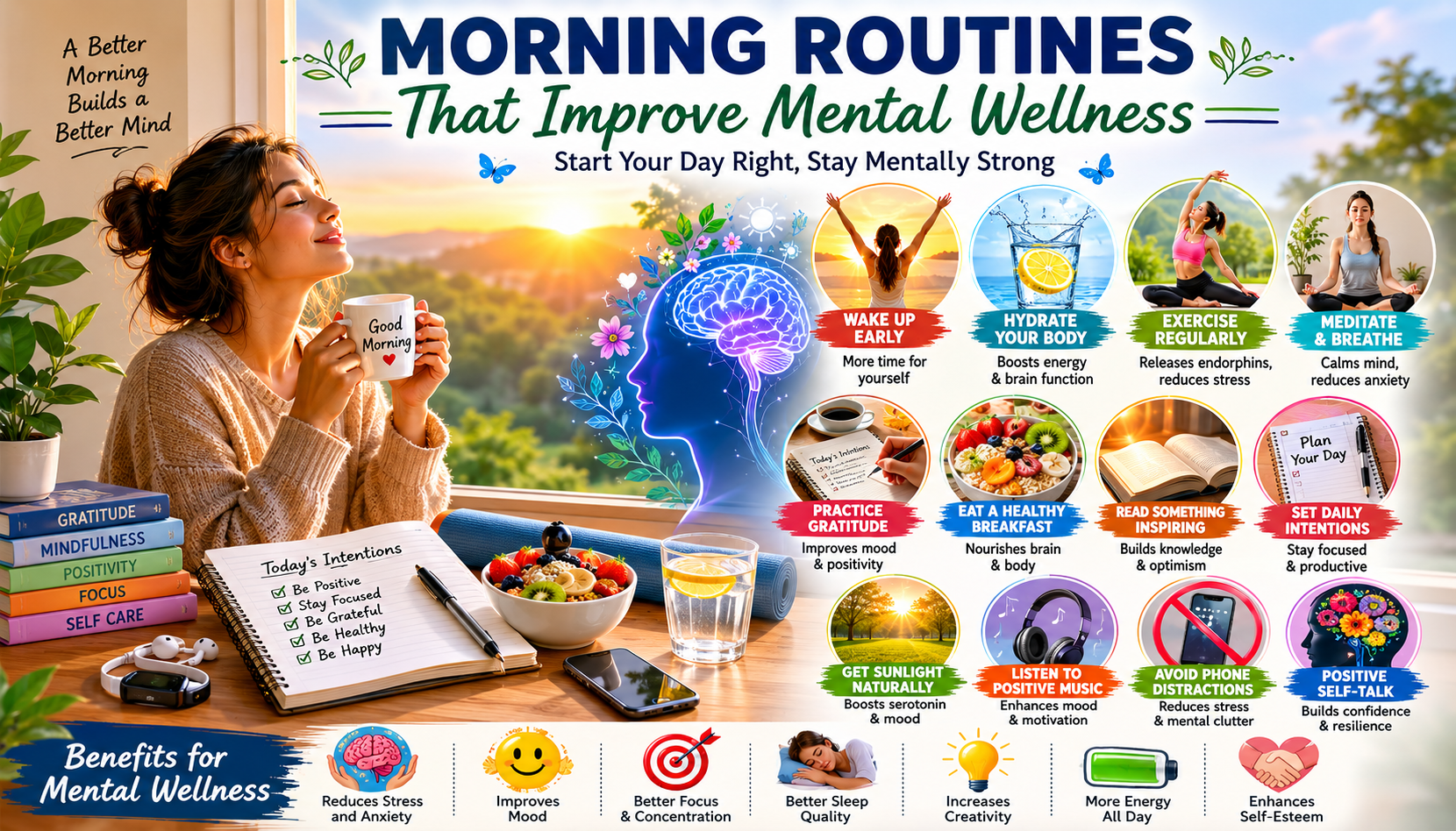
Maintain a Positive Routine
Structured routines create predictability and reduce uncertainty.
Healthy routines may include:
- Consistent wake-up times
- Regular exercise
- Scheduled breaks
- Healthy meals
- Relaxation activities
Small daily habits often have a powerful cumulative effect on stress levels.
Signs You May Need Additional Support
While natural stress-management techniques can be highly effective, professional support may be beneficial if stress:
- Interferes with daily life
- Causes severe anxiety
- Leads to depression
- Affects work performance
- Disrupts relationships
- Persists despite self-care efforts
Seeking help is a proactive step toward better mental health.
Final Thoughts
Learning how to reduce stress naturally without medication can significantly improve your quality of life. Simple practices such as exercise, mindfulness, healthy eating, quality sleep, time management, and spending time in nature can help your body and mind cope more effectively with everyday challenges.
The key is consistency. Start by incorporating one or two stress-reducing habits into your daily routine and gradually build from there. Over time, these natural strategies can help you feel calmer, healthier, and more resilient in the face of life’s demands.
Also read How Social Media Affects Mental Health






Leave a Reply