

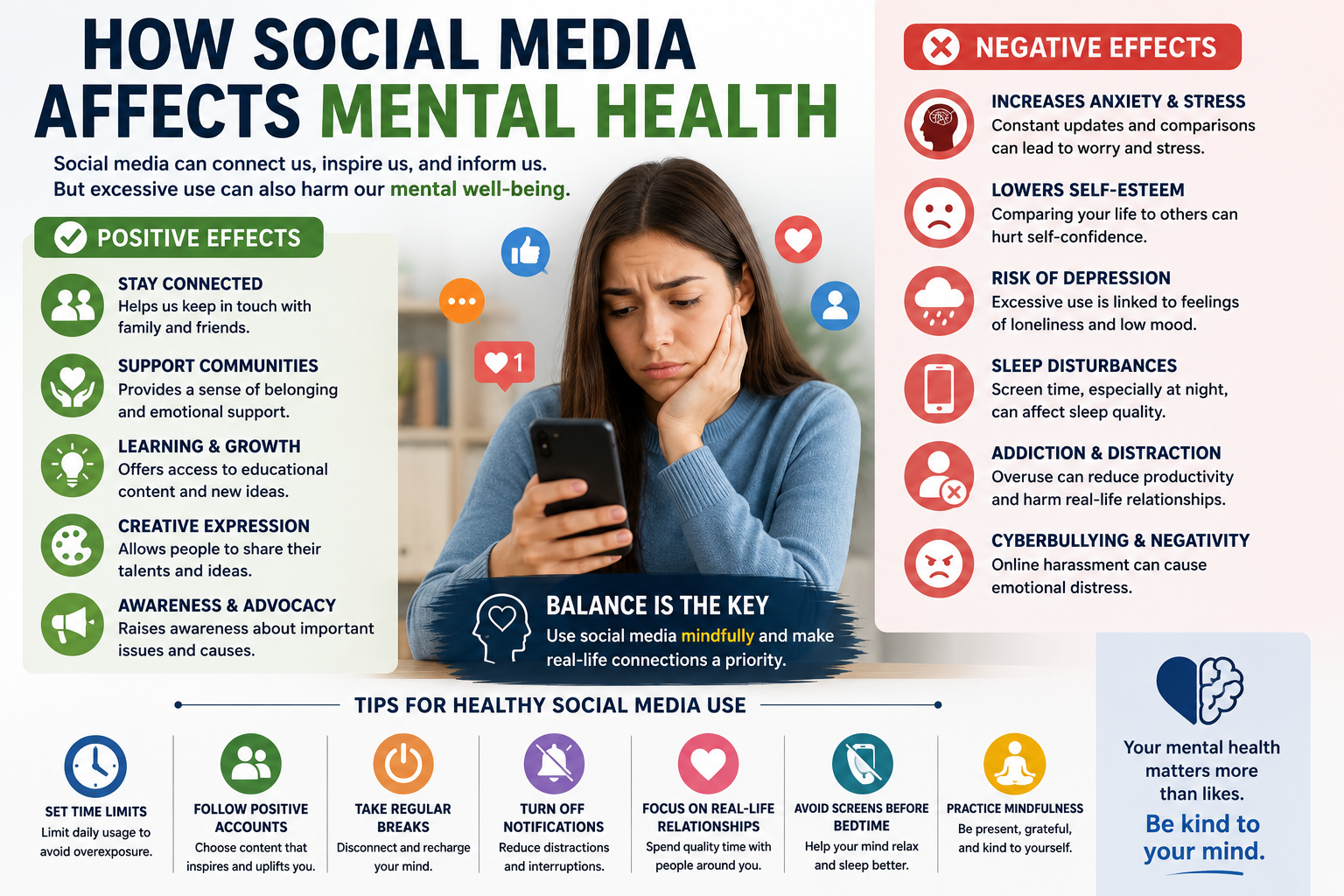
Social media has become an essential part of modern life. Platforms such as Facebook, Instagram, X (formerly Twitter), TikTok, LinkedIn, and Snapchat allow people to connect, communicate, share experiences, and access information instantly. While social media offers many benefits, excessive or unhealthy use can significantly impact mental health.
As billions of people worldwide spend hours each day on social media, understanding its effects on emotional well-being has become increasingly important. Social media can influence self-esteem, mood, relationships, productivity, and overall mental wellness.
In this article, we’ll explore how social media affects mental health, the potential benefits and drawbacks, and strategies for maintaining a healthy balance.
The Rise of Social Media
Over the past decade, social media usage has grown rapidly. People use social platforms for various purposes, including:
- Staying connected with family and friends
- Sharing personal experiences
- Networking professionally
- Following news and trends
- Entertainment and leisure
- Learning new skills
While these benefits have transformed communication, researchers and mental health experts continue to study the psychological effects of prolonged social media use.
Positive Effects of Social Media on Mental Health
Social media is not inherently harmful. When used responsibly, it can provide several mental health benefits.
1. Improved Social Connection
One of the greatest advantages of social media is the ability to stay connected with people regardless of location.
Benefits include:
- Maintaining friendships
- Strengthening family relationships
- Reconnecting with old friends
- Building support networks
For individuals who live far from loved ones, social media can help reduce feelings of isolation.
2. Access to Support Communities
Many people find emotional support through online communities.
Support groups can help individuals dealing with:
- Anxiety
- Depression
- Chronic illnesses
- Grief
- Life challenges
These communities often provide encouragement, advice, and a sense of belonging.
3. Educational Opportunities
Social media platforms offer access to valuable information about:
- Mental health awareness
- Personal development
- Fitness and wellness
- Career growth
- Educational resources
Learning from experts and trusted sources can positively impact personal growth and well-being.
4. Creative Expression
Social media allows users to share their talents, ideas, and creativity.
Activities such as:
- Writing
- Photography
- Art
- Music creation
- Content development
can boost confidence and provide a sense of accomplishment.
Negative Effects of Social Media on Mental Health
While social media offers benefits, excessive use can contribute to several mental health challenges.
1. Increased Anxiety and Stress
Constant notifications, endless content consumption, and pressure to stay updated can increase stress levels.
Common triggers include:
- Fear of missing out (FOMO)
- Information overload
- Social pressure
- Online conflicts
Many users feel anxious when comparing their lives to the seemingly perfect experiences shared online.
2. Depression and Low Mood
Research suggests that excessive social media use may be linked to symptoms of depression, particularly among teenagers and young adults.
Contributing factors include:
- Negative comparisons
- Cyberbullying
- Feelings of inadequacy
- Social isolation despite online activity
Spending too much time online may reduce meaningful face-to-face interactions, which are important for emotional health.
3. Reduced Self-Esteem
Social media often showcases carefully curated highlights rather than reality.
Users may compare themselves to others based on:
- Physical appearance
- Lifestyle
- Career achievements
- Relationships
- Financial success
These comparisons can negatively affect self-confidence and self-worth.
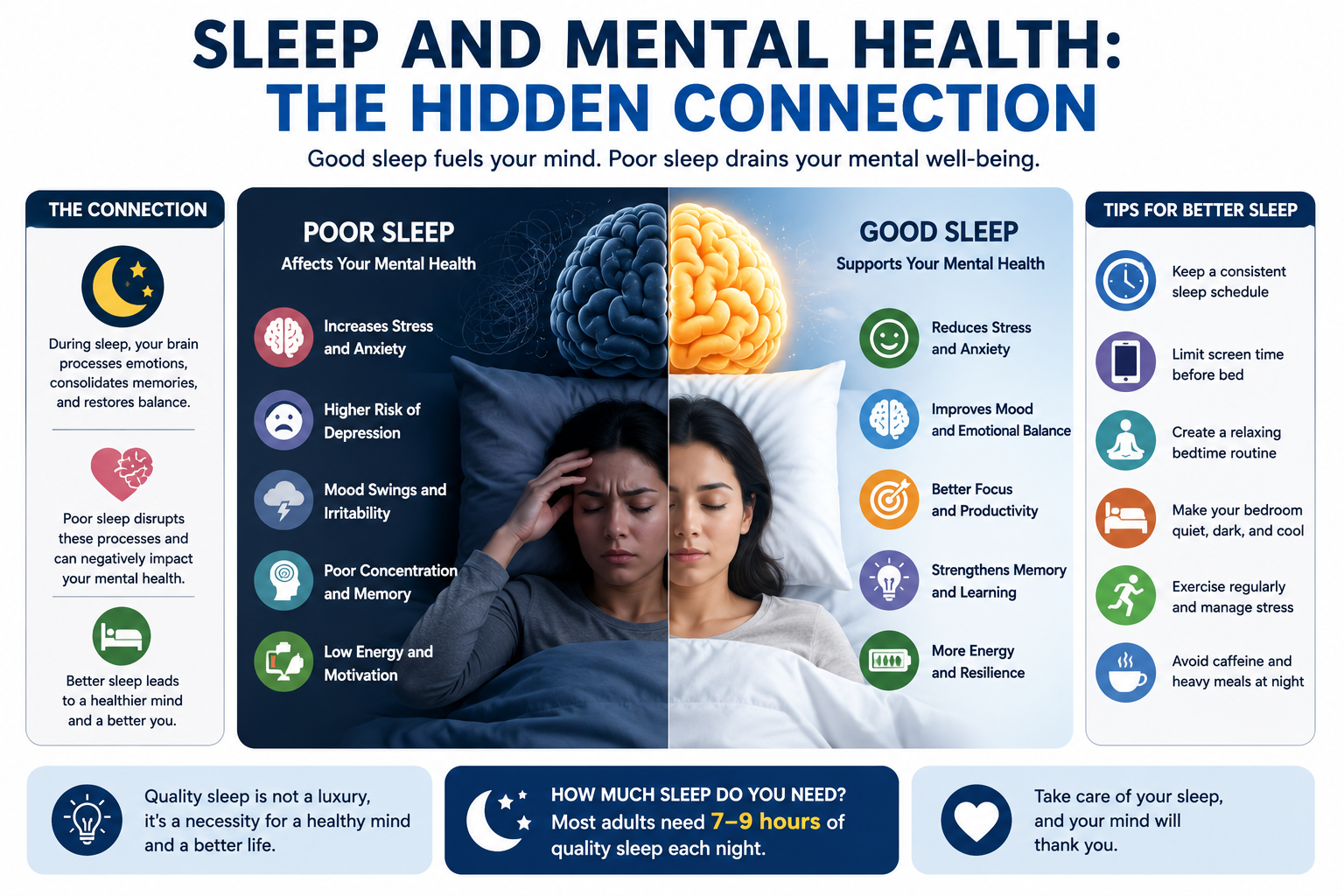
4. Sleep Problems
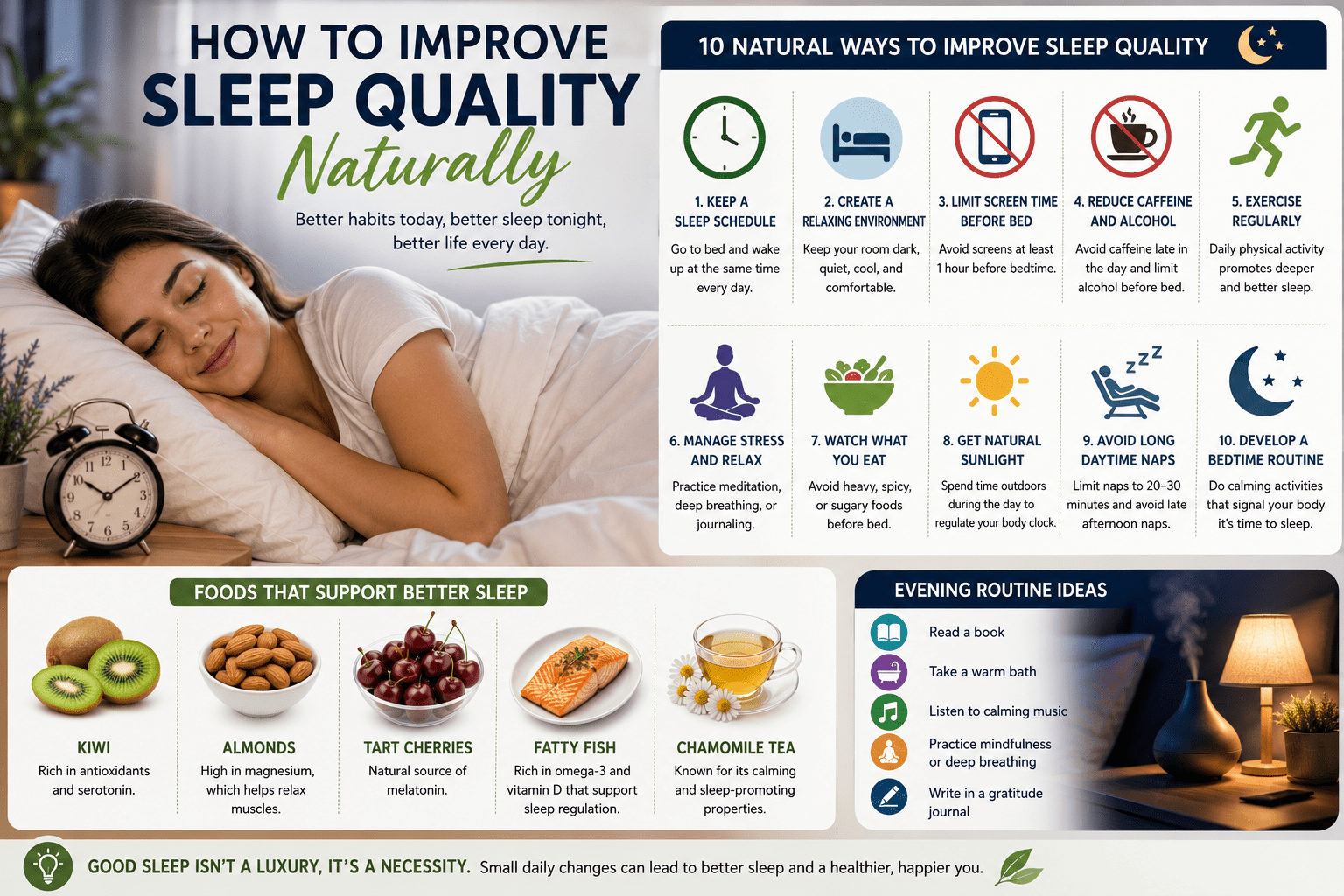
Many people use social media late at night, which can interfere with healthy sleep habits.
Excessive screen time before bed can:
- Delay sleep onset
- Reduce sleep quality
- Increase mental stimulation
- Disrupt natural sleep cycles
Poor sleep is closely connected to anxiety, stress, and mood disorders.
5. Addiction and Dependency
Social media platforms are designed to encourage engagement.
Features such as:
- Likes
- Comments
- Notifications
- Infinite scrolling
can create habits that make it difficult to disconnect.
Excessive use may lead to:
- Reduced productivity
- Difficulty concentrating
- Increased stress
- Neglect of real-world responsibilities
6. Cyberbullying and Online Harassment
Cyberbullying remains a serious concern, especially among teenagers.
Negative online experiences can cause:
- Emotional distress
- Anxiety
- Depression
- Social withdrawal
- Low self-esteem
Unlike traditional bullying, cyberbullying can occur at any time and often reaches a larger audience.
How Social Media Impacts Different Age Groups
Teenagers
Teenagers are particularly vulnerable to social media’s influence because they are still developing emotionally and socially.
Challenges include:
- Peer pressure
- Body image concerns
- Online validation seeking
- Cyberbullying
Young Adults
Young adults often experience stress related to:
- Career comparisons
- Financial expectations
- Relationship pressures
Social media can amplify these concerns.
Adults
Adults may struggle with:
- Work-life balance
- Information overload
- Constant connectivity
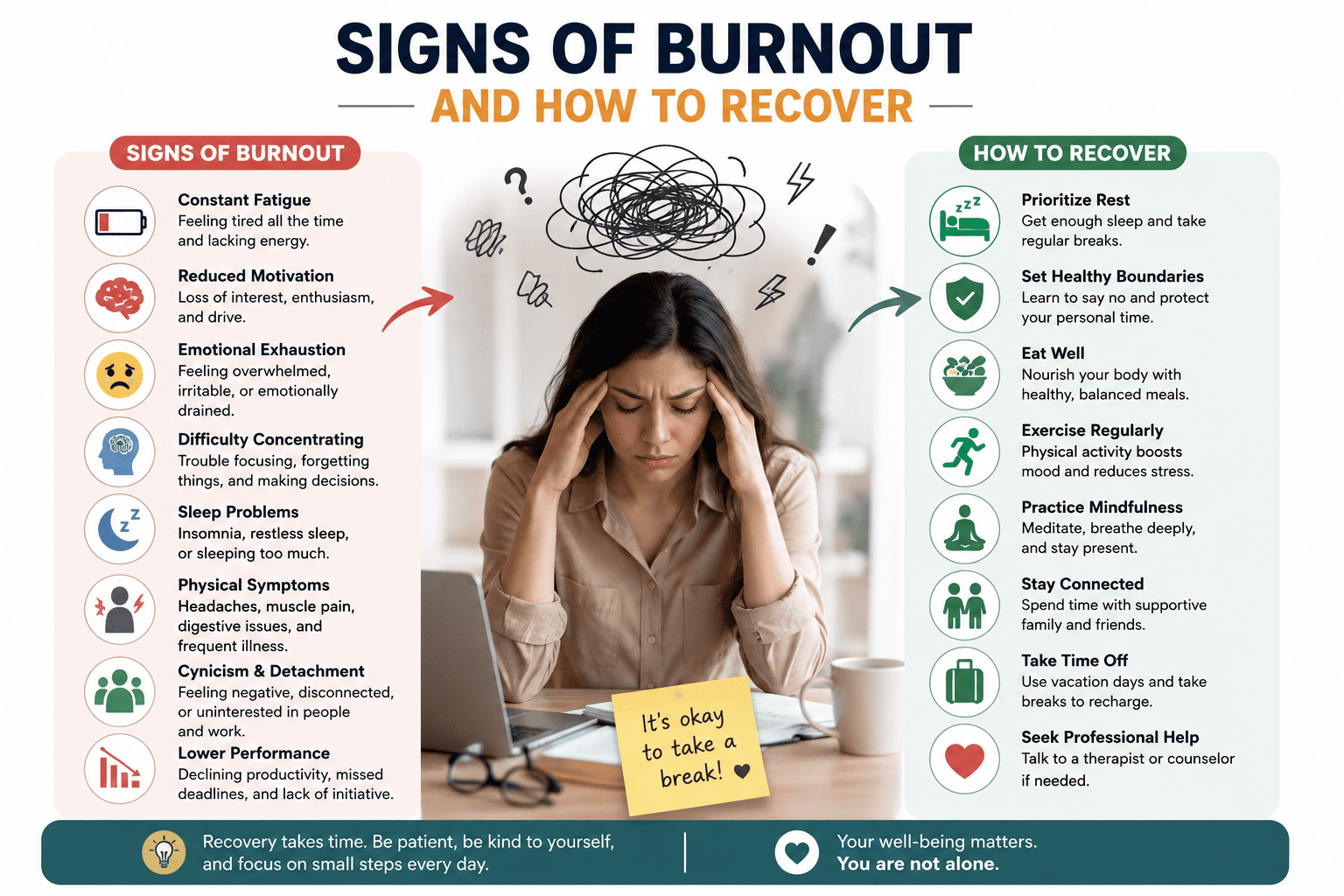
Excessive social media use can contribute to burnout and mental fatigue.
Signs That Social Media Is Affecting Your Mental Health
You may need to reassess your social media habits if you experience:
- Increased anxiety after browsing
- Constant comparison with others
- Difficulty sleeping
- Reduced productivity
- Feelings of loneliness
- Dependence on likes and comments for validation
- Frequent mood swings related to online interactions
Recognizing these signs early can help prevent more serious mental health concerns.
Tips for Maintaining a Healthy Relationship with Social Media
Set Time Limits
Limit daily social media use to prevent excessive screen time.
Follow Positive Accounts
Choose content that inspires, educates, and motivates rather than triggers negativity.
Take Regular Breaks
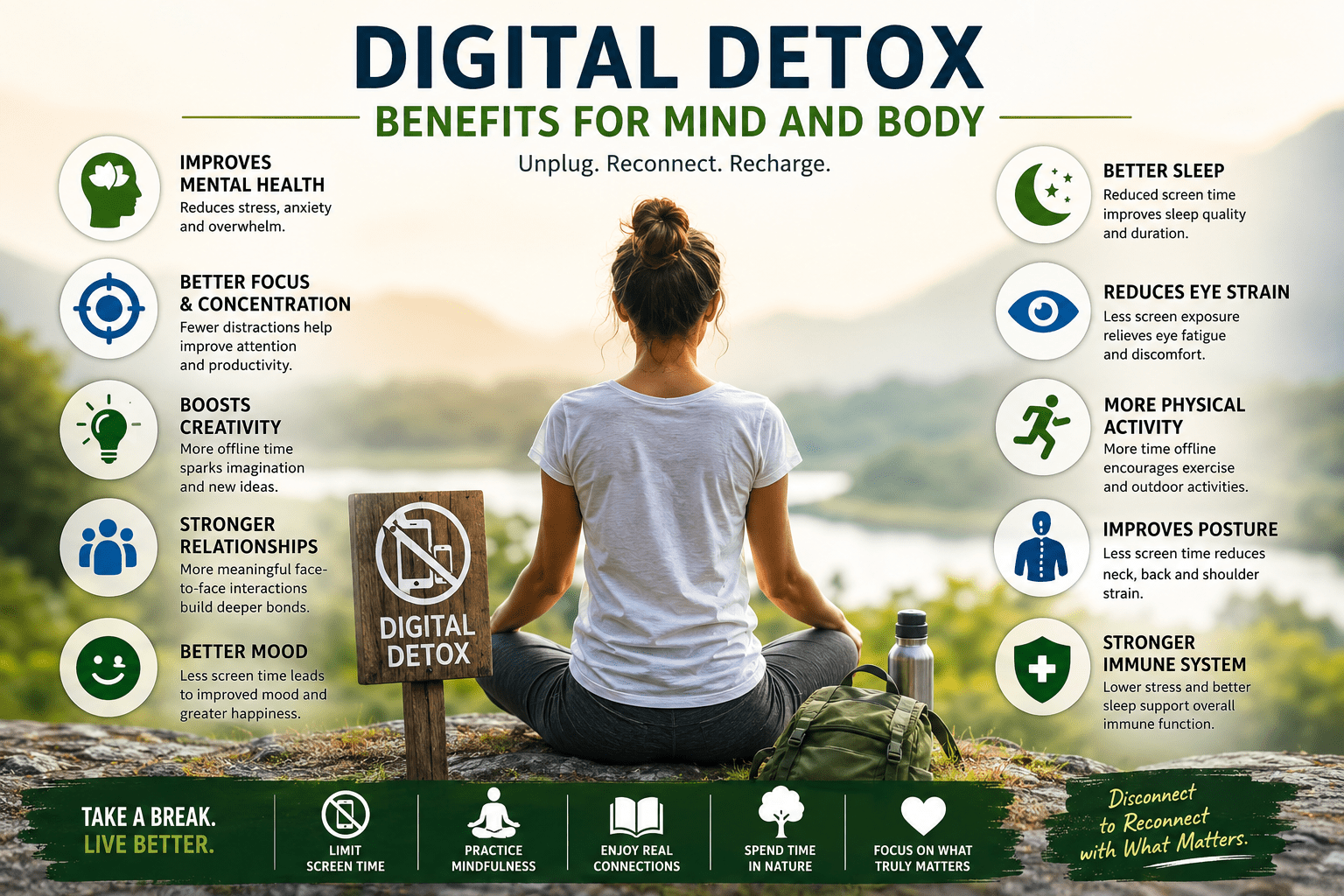
Schedule digital detox periods to recharge mentally.
Avoid Comparisons
Remember that most people share highlights rather than their everyday struggles.
Turn Off Unnecessary Notifications
Reducing interruptions can improve focus and reduce stress.
Prioritize Real-Life Relationships
Spend quality time with family and friends offline whenever possible.
Create Screen-Free Zones
Avoid using social media during meals, before bedtime, or during important activities.
The Importance of Digital Wellness
Digital wellness involves using technology in ways that support mental, emotional, and physical health.
Healthy social media habits can help:
- Improve focus
- Reduce stress
- Enhance productivity
- Strengthen relationships
- Promote better sleep
Finding balance is essential in today’s connected world.
Final Thoughts
Social media has transformed the way people communicate, learn, and interact. While it offers valuable opportunities for connection, education, and self-expression, excessive or unhealthy use can negatively impact mental health.
Understanding how social media affects mental health allows individuals to make informed choices about their online habits. By setting boundaries, prioritizing real-world connections, and practicing mindful social media use, you can enjoy the benefits of these platforms while protecting your emotional well-being.
Remember, social media should be a tool that enhances your life—not something that controls it. Developing healthy digital habits can lead to improved mental health, greater happiness, and a more balanced lifestyle.
Also read Meditation Techniques for Beginners








Leave a Reply