

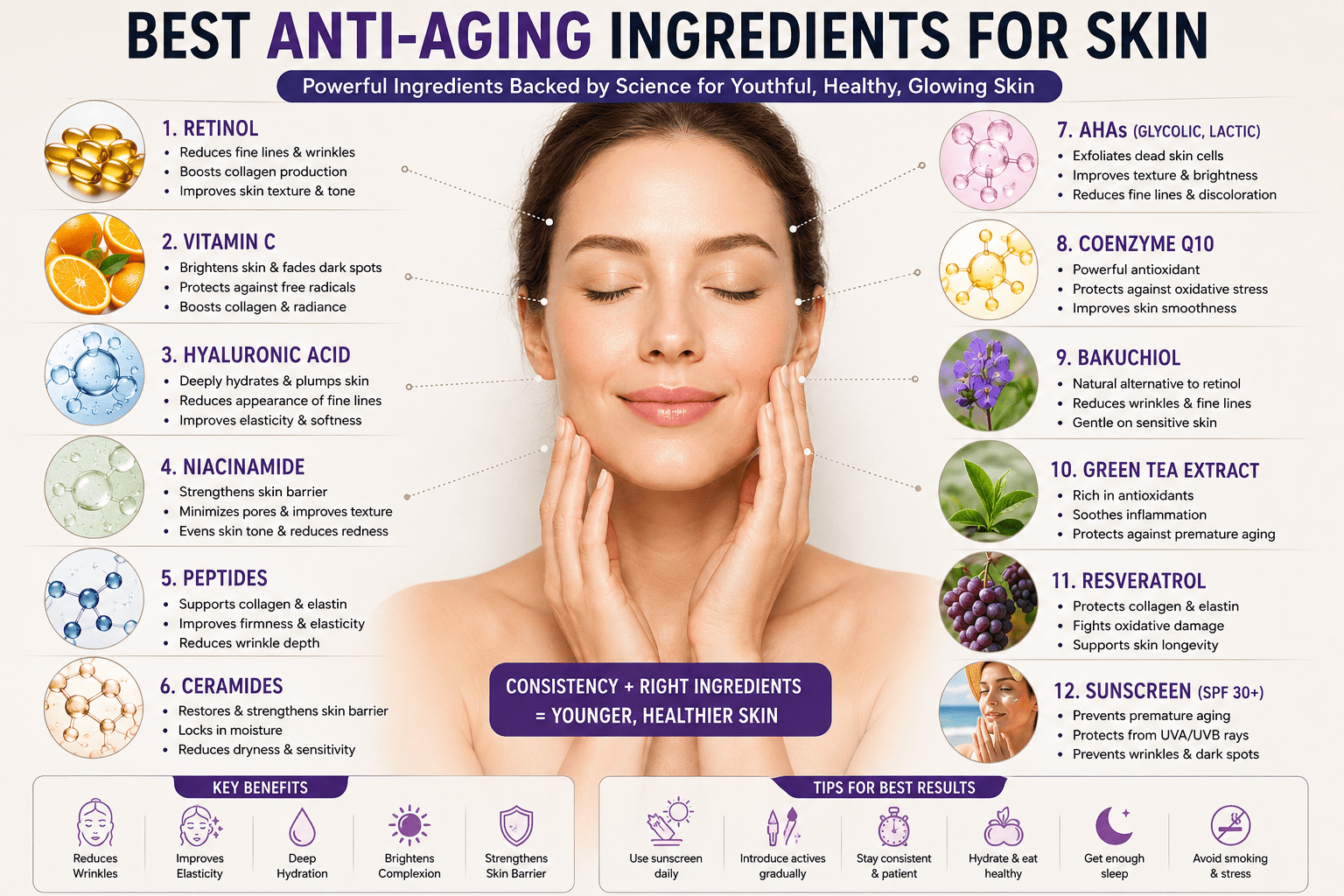
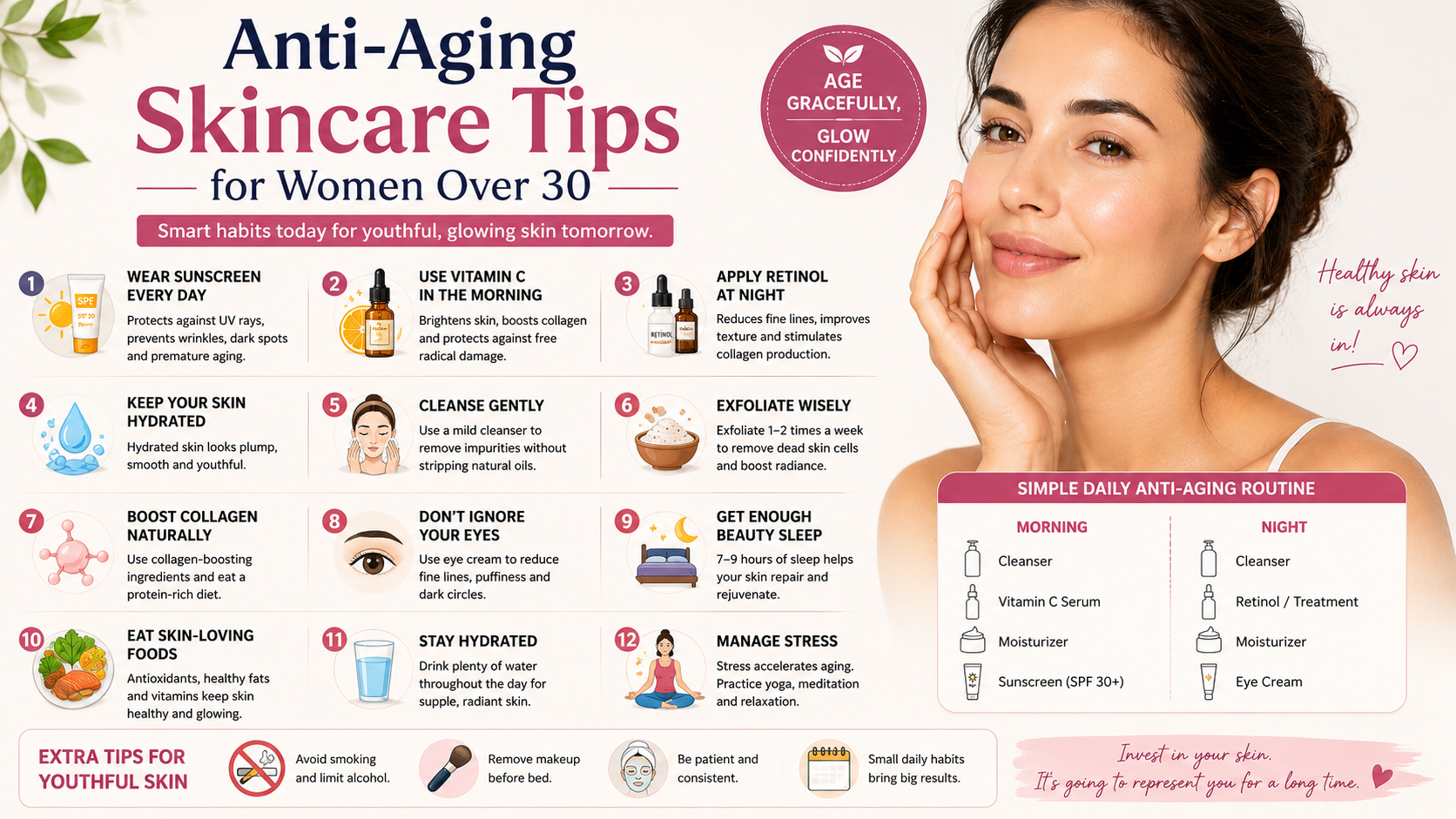
Aging is a natural process, but modern skincare offers numerous ways to maintain healthy, youthful-looking skin. Fine lines, wrinkles, loss of elasticity, uneven skin tone, and dryness are common signs of aging that many people experience over time. Fortunately, certain skincare ingredients have been scientifically proven to slow visible aging and improve skin health.
Understanding which ingredients actually work can help you build an effective anti-aging skincare routine without wasting money on ineffective products. In this guide, we’ll explore the best anti-aging ingredients for skin and how they can help you achieve a smoother, firmer, and more radiant complexion.
Why Anti-Aging Ingredients Matter
As we age, our skin naturally undergoes several changes:
- Reduced collagen production
- Slower cell turnover
- Decreased moisture retention
- Increased sun damage accumulation
- Loss of skin elasticity
Anti-aging ingredients target these concerns by stimulating collagen production, improving hydration, protecting against environmental damage, and supporting skin renewal.
1. Retinol
Retinol is widely considered the gold standard in anti-aging skincare.
Benefits of Retinol
- Reduces fine lines and wrinkles
- Stimulates collagen production
- Improves skin texture
- Minimizes enlarged pores
- Promotes cell turnover
How to Use Retinol
Beginners should start with a low concentration and apply it 2–3 times per week before gradually increasing usage.
Best For
- Wrinkles
- Uneven skin tone
- Acne-prone aging skin
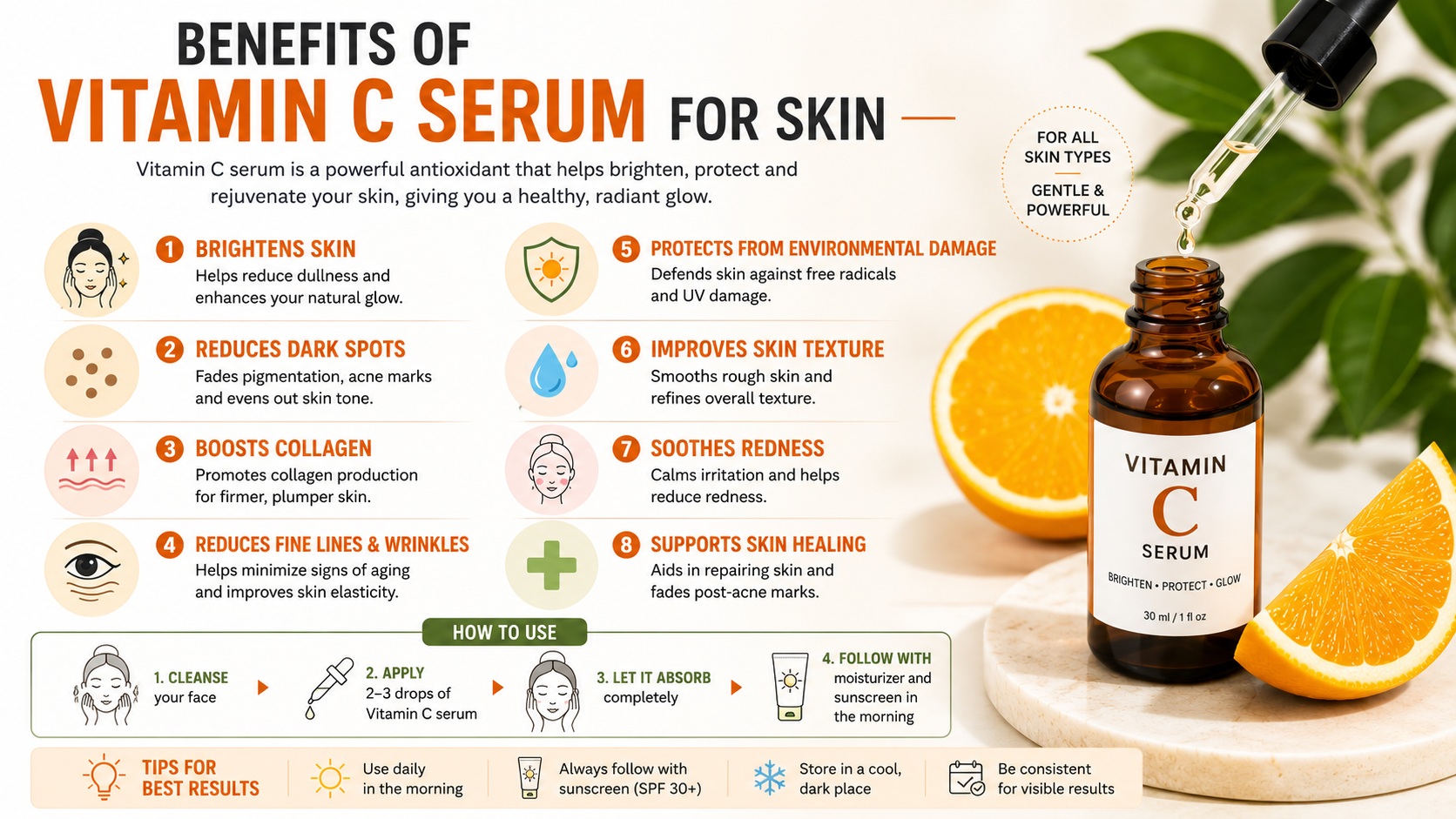
2. Vitamin C
Vitamin C is a powerful antioxidant that helps protect skin from environmental stressors.
Benefits of Vitamin C
- Brightens dull skin
- Fades dark spots
- Boosts collagen production
- Protects against free radical damage
- Improves skin radiance
Best For
- Hyperpigmentation
- Sun damage
- Uneven skin tone
Vitamin C works particularly well when used in a morning skincare routine alongside sunscreen.
3. Hyaluronic Acid
Hyaluronic acid is a hydration powerhouse capable of holding large amounts of water.
Benefits of Hyaluronic Acid
- Deeply hydrates skin
- Reduces the appearance of fine lines
- Improves skin plumpness
- Enhances skin elasticity
- Supports the skin barrier
Best For
- Dry skin
- Dehydrated skin
- Fine lines caused by moisture loss
4. Niacinamide
Niacinamide, a form of Vitamin B3, is one of the most versatile skincare ingredients.
Benefits of Niacinamide
- Strengthens the skin barrier
- Reduces redness
- Improves skin texture
- Minimizes pores
- Brightens complexion
Best For
- Sensitive skin
- Oily skin
- Uneven skin tone
5. Peptides
Peptides are amino acid chains that act as building blocks for proteins such as collagen and elastin.
Benefits of Peptides
- Improve skin firmness
- Support collagen production
- Reduce wrinkle depth
- Enhance skin elasticity
- Strengthen the skin barrier
Best For
- Mature skin
- Loss of firmness
- Early aging prevention
6. Alpha Hydroxy Acids (AHAs)
AHAs are chemical exfoliants that help remove dead skin cells.
Common AHAs
- Glycolic Acid
- Lactic Acid
- Mandelic Acid
Benefits
- Smoother skin texture
- Brighter complexion
- Improved cell turnover
- Reduced fine lines
Best For
- Dull skin
- Uneven texture
- Mild pigmentation
7. Ceramides
Ceramides are naturally occurring lipids that help maintain the skin barrier.
Benefits
- Lock in moisture
- Reduce dryness
- Improve skin resilience
- Support barrier repair
Best For
- Dry skin
- Sensitive skin
- Aging skin with barrier damage
8. Coenzyme Q10 (CoQ10)
CoQ10 is a naturally occurring antioxidant found in the body.
Benefits
- Protects against oxidative stress
- Reduces fine lines
- Supports skin regeneration
- Improves skin smoothness
Best For
- Preventive anti-aging
- Environmental damage protection
9. Bakuchiol
Bakuchiol is often called the natural alternative to retinol.
Benefits
- Reduces wrinkles
- Improves firmness
- Gentle on sensitive skin
- Promotes collagen production
Best For
- Retinol-sensitive individuals
- Beginners
- Sensitive skin types
10. Green Tea Extract
Green tea contains powerful antioxidants called polyphenols.
Benefits
- Protects against free radicals
- Reduces inflammation
- Soothes irritated skin
- Helps prevent premature aging
Best For
- Sensitive skin
- Redness-prone skin
- Daily antioxidant protection
11. Resveratrol
Resveratrol is a potent antioxidant commonly found in grapes and berries.
Benefits
- Protects collagen
- Reduces oxidative damage
- Improves skin appearance
- Supports skin longevity
Best For
- Mature skin
- Environmental protection
12. Sunscreen (The Most Important Anti-Aging Product)
No anti-aging ingredient is more important than sunscreen.
Benefits
- Prevents wrinkles
- Reduces sun damage
- Protects collagen
- Prevents age spots
- Lowers skin cancer risk
Recommended Protection
Use SPF 30 or higher daily, regardless of weather conditions.
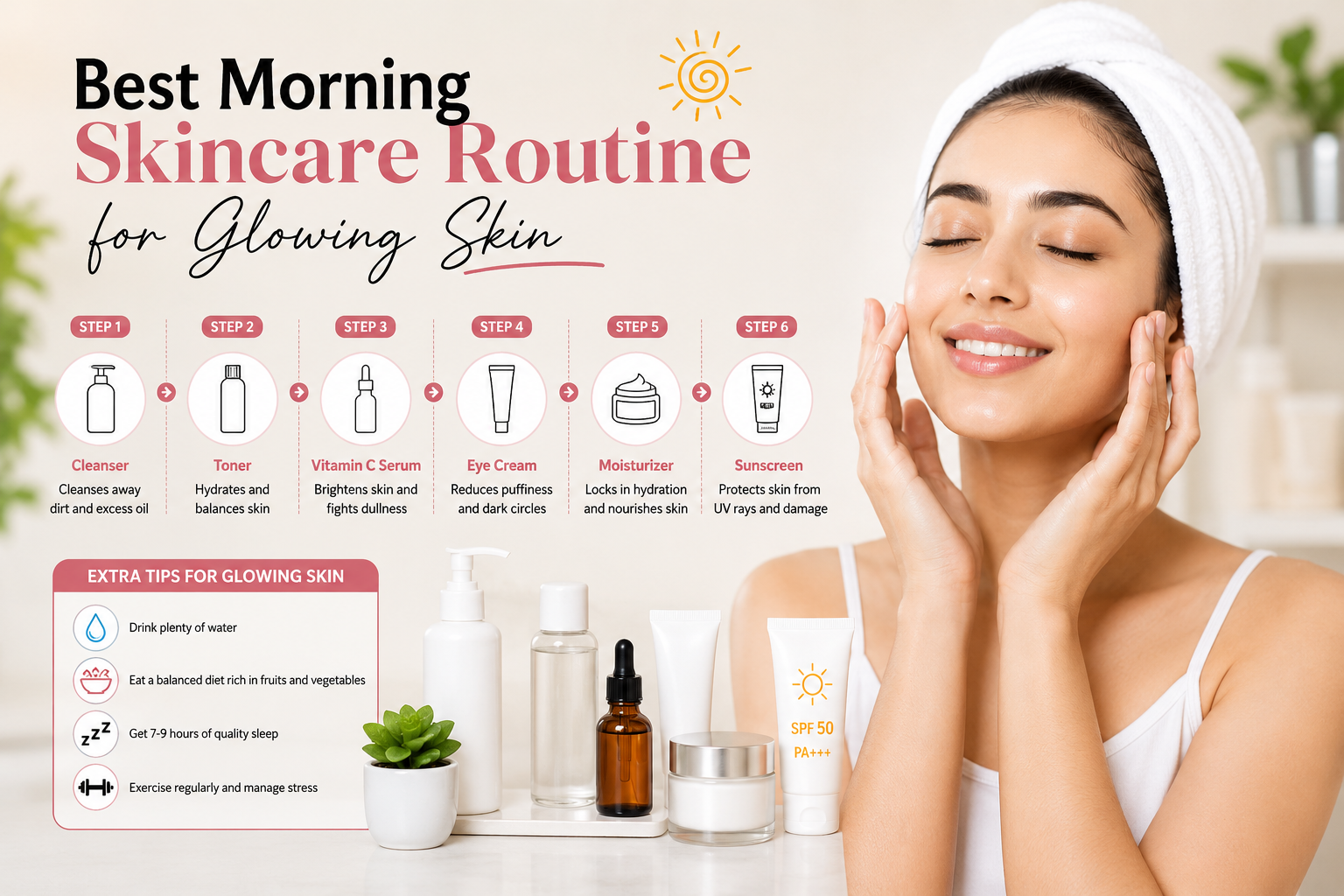
Building an Effective Anti-Aging Routine
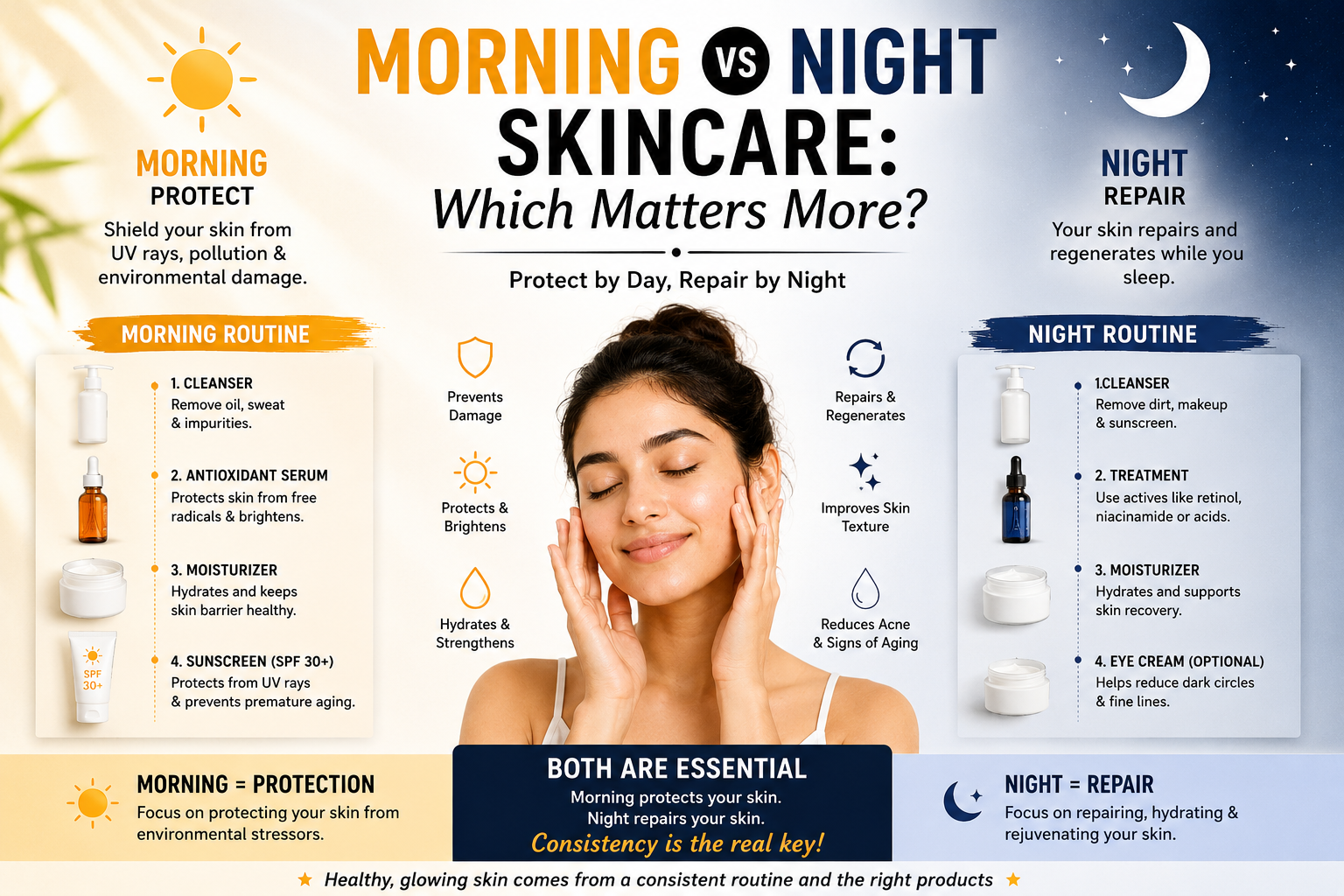
Morning Routine
- Gentle cleanser
- Vitamin C serum
- Hyaluronic acid
- Moisturizer
- Sunscreen
Evening Routine
- Cleanser
- Retinol or Bakuchiol
- Peptide serum
- Moisturizer
Ingredients That Work Well Together
Great Combinations
- Vitamin C + Sunscreen
- Hyaluronic Acid + Ceramides
- Peptides + Niacinamide
- Retinol + Moisturizer
Use Caution With
- Retinol and strong acids together
- Excessive exfoliation
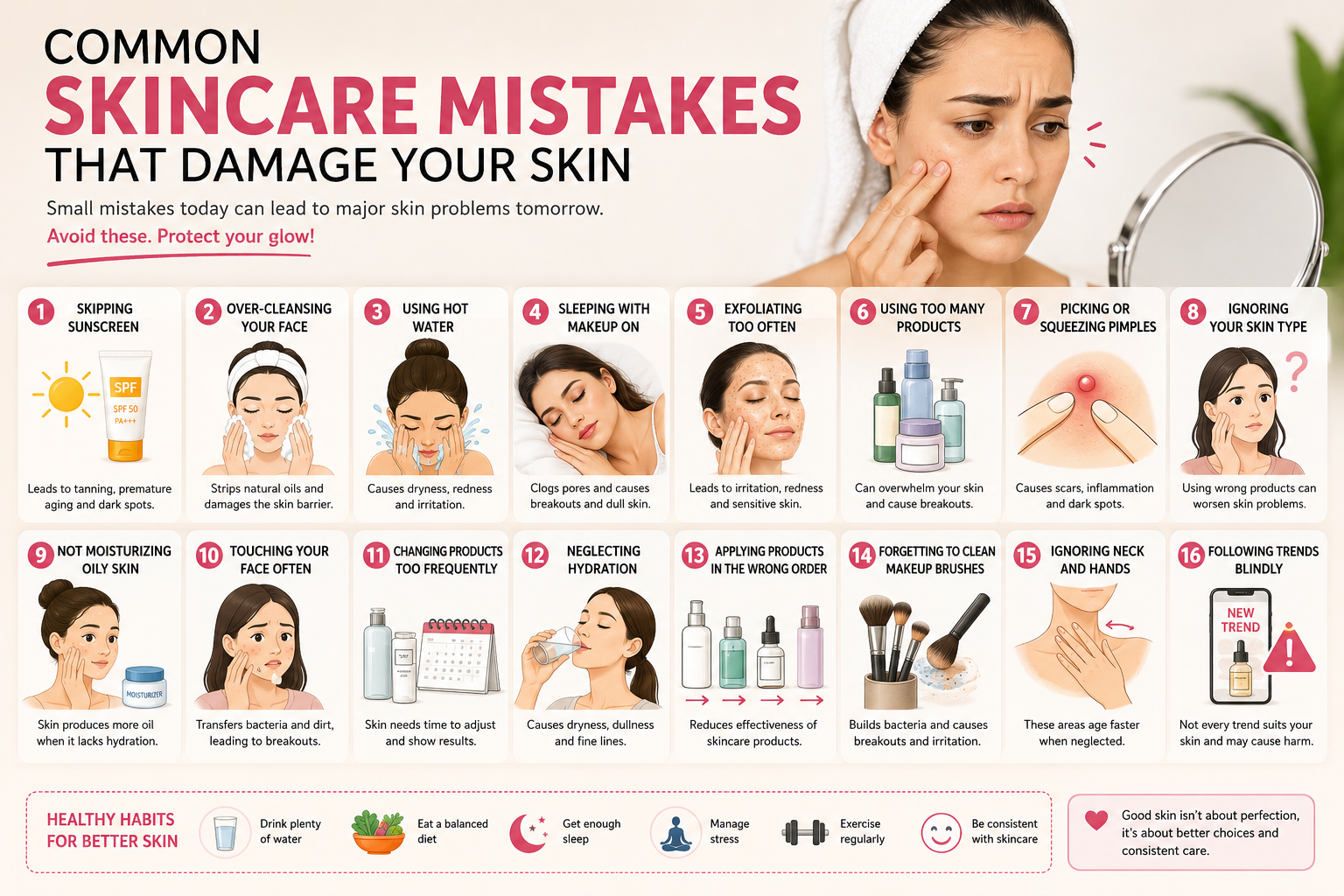
- Introducing multiple active ingredients simultaneously
Lifestyle Habits That Support Anti-Aging
Skincare works best when combined with healthy habits:
Stay Hydrated
Drink enough water daily.
Get Quality Sleep
Aim for 7–9 hours of sleep each night.
Eat Antioxidant-Rich Foods
Include fruits, vegetables, nuts, and healthy fats.
Avoid Smoking
Smoking accelerates visible skin aging.
Manage Stress
Chronic stress can negatively impact skin health.
Final Thoughts
The best anti-aging ingredients for skin include retinol, vitamin C, hyaluronic acid, niacinamide, peptides, ceramides, and sunscreen. Each ingredient addresses different aspects of skin aging, from collagen loss and wrinkles to dryness and pigmentation.
For the best results, focus on consistency rather than using numerous products at once. A simple routine built around proven ingredients can significantly improve your skin’s appearance and help maintain a youthful glow for years to come.
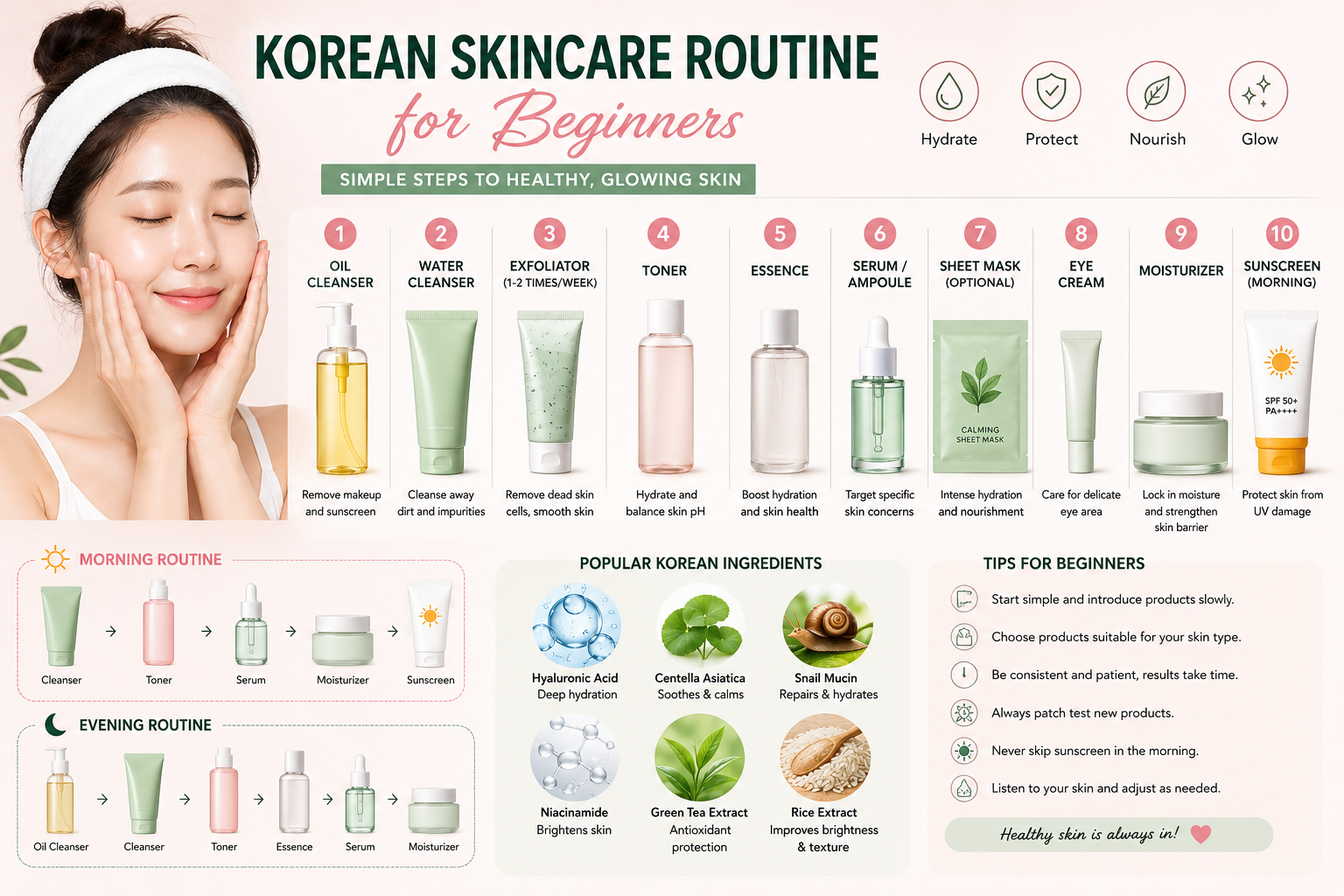
Also read Korean Skincare Routine for Beginners: A Step-by-Step Guide to Healthy, Glowing Skin



Leave a Reply