

📍 Introduction
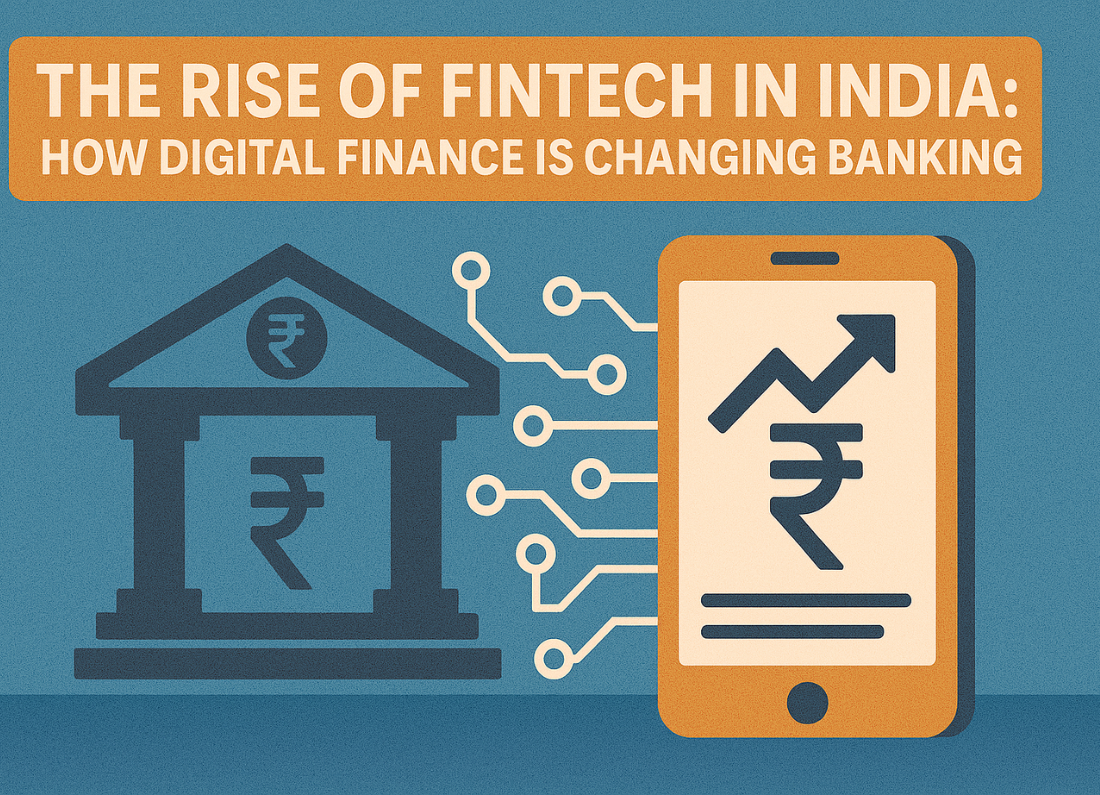
Over the past decade, India has witnessed a digital revolution—and the financial sector is at the center of it. The rise of fintech (financial technology) has transformed how Indians save, invest, borrow, and even think about money.
Whether it’s sending ₹10 to a friend using UPI, investing in mutual funds with a tap, or tracking your CIBIL score via an app, fintech is rewriting the rules of traditional banking.
🚀 What Is Fintech?
Fintech refers to the integration of technology into offerings by financial services companies. This includes mobile payments, online banking, investing, insurance, lending, and more—all made efficient through apps and platforms.
📊 Why Fintech in India Is Booming
Several factors have contributed to fintech’s meteoric rise in India:
✅ 1. Smartphone Penetration
India has over 700 million smartphone users—creating fertile ground for digital apps.
✅ 2. Affordable Internet
With low data costs, even rural users can access financial services.
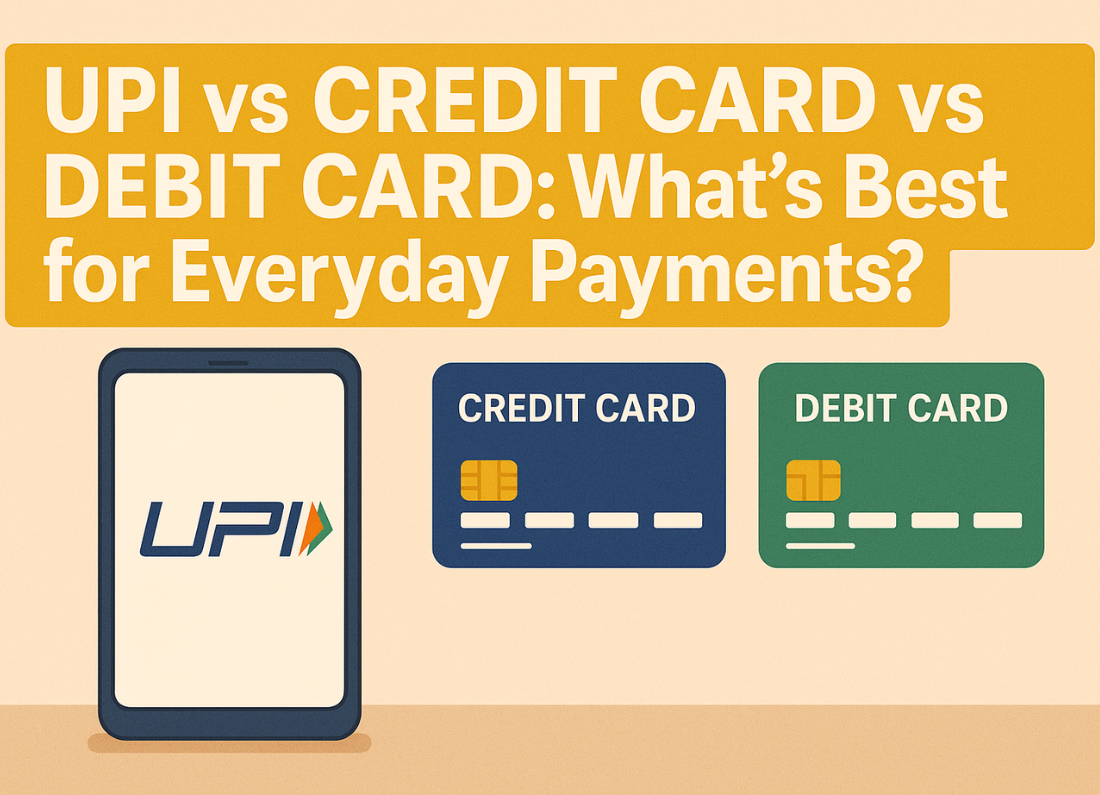
✅ 3. UPI Revolution
Unified Payments Interface (UPI) makes instant money transfers easy, with over 10 billion monthly transactions (as of 2025).
✅ 4. Government Push
Initiatives like Digital India, Jan Dhan Yojana, and Aadhaar linking have brought millions into the formal financial system.
📱 Top Fintech Segments in India
🔹 1. Digital Payments
- UPI apps: PhonePe, Google Pay, Paytm, BHIM
- QR code payments in kirana stores
- Contactless, cashless economy
🔹 2. Online Lending (Digital Loans)
- Instant personal/business loans with minimal paperwork
- Apps: KreditBee, Slice, CASHe, Navi
- AI-based credit scoring replacing traditional banks
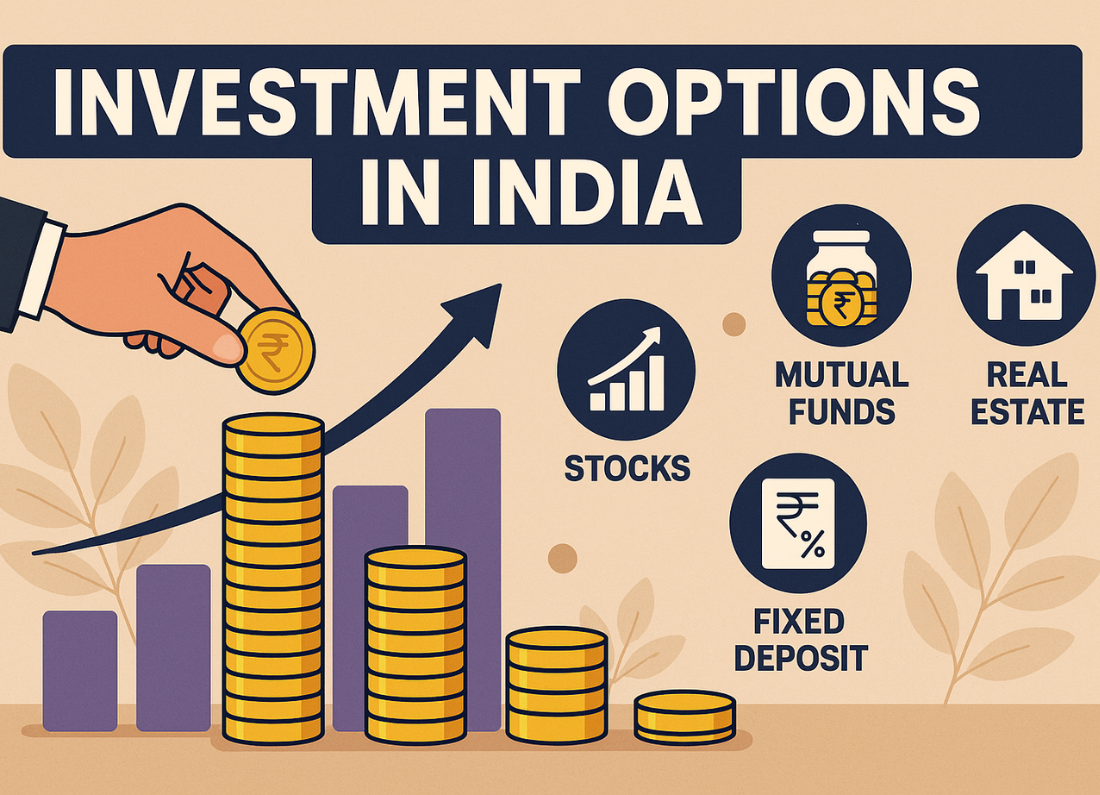
🔹 3. Investment Platforms
- Direct mutual funds, SIPs, stock trading
- Apps: Groww, Zerodha, Paytm Money, ET Money
- Easy onboarding for millennials and Gen Z
🔹 4. Insurance Tech (Insurtech)
- Buy health, motor, and life insurance instantly
- Apps: Acko, PolicyBazaar, Digit
- Transparent pricing and instant claims
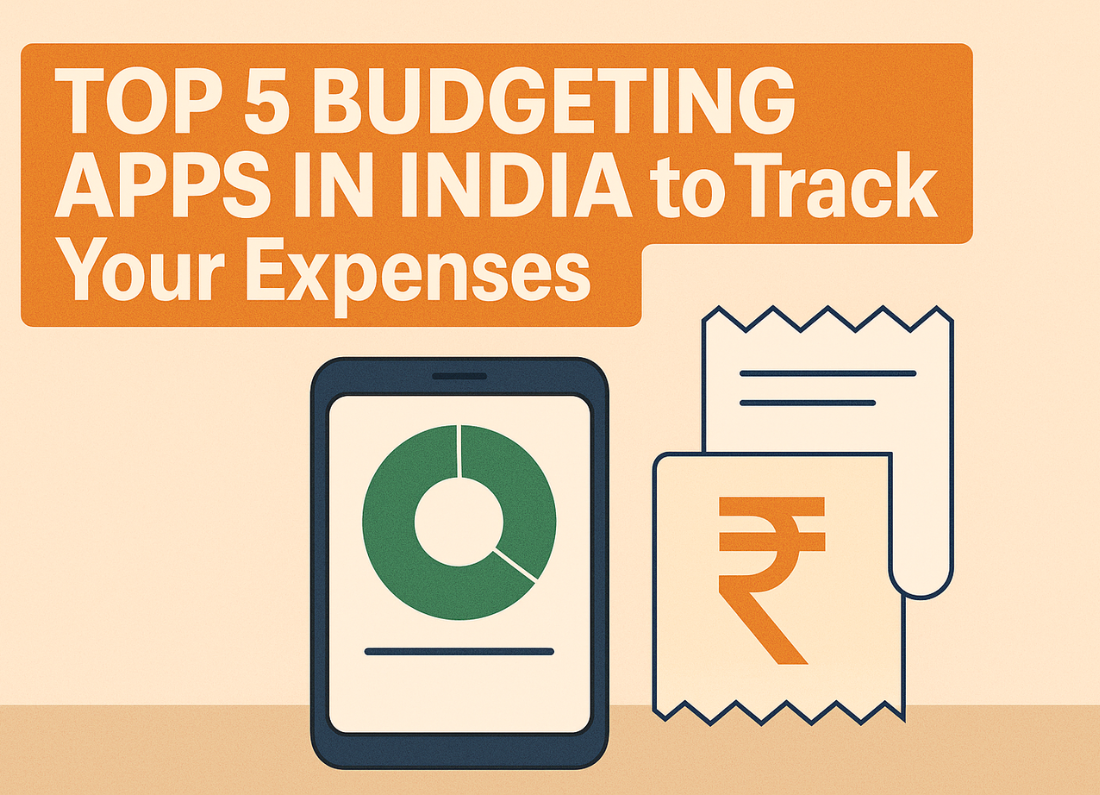
🔹 5. Personal Finance Management
- Track expenses, credit score, budgets
- Apps: Cred, Walnut, Money View
💡 How Fintech Is Changing the Indian Banking System
✅ From Branch Visits to Finger Taps
Traditional banks required paperwork and long waits. Now you can:
- Open a bank account from your phone (Kotak 811, Fi, Jupiter)
- Get a loan in minutes
- Pay bills automatically
✅ Financial Inclusion for Rural India
Thanks to Aadhaar-based eKYC and mobile wallets, even remote users have access to banking and credit.
✅ Data-Driven Credit
Fintechs are using alternate data—like bill payments, social behavior, or smartphone usage—to assess creditworthiness.
🌐 Regulatory Support
🔒 RBI and Fintech
The Reserve Bank of India (RBI) has supported digital banking through:
- UPI and digital wallets regulation
- Regulatory Sandbox for new innovations
- Digital lending framework (2022 onwards)
🔍 SEBI and Online Investing
The Securities and Exchange Board of India (SEBI) regulates fintech platforms dealing with mutual funds and stock trading to ensure user protection.
📉 Challenges Faced by Indian Fintech
While growth is strong, fintech in India faces hurdles:
⚠️ 1. Cybersecurity
Increased data breaches demand robust encryption and user awareness.
⚠️ 2. Fraud and Fake Apps
Low digital literacy exposes users to scams, especially in Tier-2 and rural areas.
⚠️ 3. Regulatory Compliance
Staying aligned with RBI and SEBI guidelines is complex and ever-changing.
🔮 The Future of Fintech in India (2025 and Beyond)
India’s fintech future looks promising with trends like:
🔗 1. Account Aggregators (AA)
Users can control and share their financial data securely—transforming how banks assess credit and offer services.
🤖 2. AI & Machine Learning
Personalized investment suggestions, robo-advisors, fraud detection, and customer service bots are getting smarter.
🌎 3. Open Banking
Third-party apps will access banking data (with consent), improving competition and innovation.
💸 4. Embedded Finance
Finance will be built into every platform—e.g., buying insurance while booking flights, or getting loans at checkout.
🧠 Should You Trust Fintech Apps?
Yes—if you’re cautious. Look for:
- RBI or SEBI registration
- Strong user reviews
- Secure login (OTP, biometric)
- Transparent fees
Start small, use known platforms, and educate yourself before making large transactions.
✅ Conclusion
Fintech in India is not just a trend—it’s a financial revolution. It’s empowering millions by making money management simple, fast, and inclusive. Whether you’re a salaried employee, a student, or a small business owner, embracing fintech can help you take charge of your financial future.
So go ahead—download that app, automate your SIPs, scan that QR code, and step confidently into the digital financial era.








Leave a Reply