


Building wealth may seem like a goal reserved for people born into financial privilege, but the truth is that anyone can create wealth with the right mindset, habits, and strategies. Many self-made millionaires started with little or no money and gradually built financial security through disciplined saving, smart investing, and consistent income growth.
If you’re wondering how to build wealth from scratch, the good news is that the process is achievable. It doesn’t require winning the lottery or earning a six-figure salary overnight. Instead, wealth is built through small, consistent financial decisions that compound over time.
In this guide, we’ll explore practical steps to help you build wealth from the ground up and create long-term financial success.
What Does Building Wealth Mean?
Building wealth means accumulating assets that generate value and increase your net worth over time. Wealth is not simply about earning a high income; it involves managing money wisely, investing strategically, and creating financial security.
Your net worth is calculated as:
Net Worth = Assets – Liabilities
Assets may include:
- Savings accounts
- Investments
- Real estate
- Businesses
- Retirement accounts
Liabilities include:
- Credit card debt
- Personal loans
- Mortgages
- Other financial obligations
The goal of wealth building is to increase assets while reducing liabilities.
Why Building Wealth Matters
Building wealth offers numerous advantages, including:
- Financial freedom
- Reduced financial stress
- Ability to handle emergencies
- More opportunities for investments
- Early retirement options
- Generational wealth for family members
- Greater control over life decisions
The earlier you start, the more time your money has to grow.
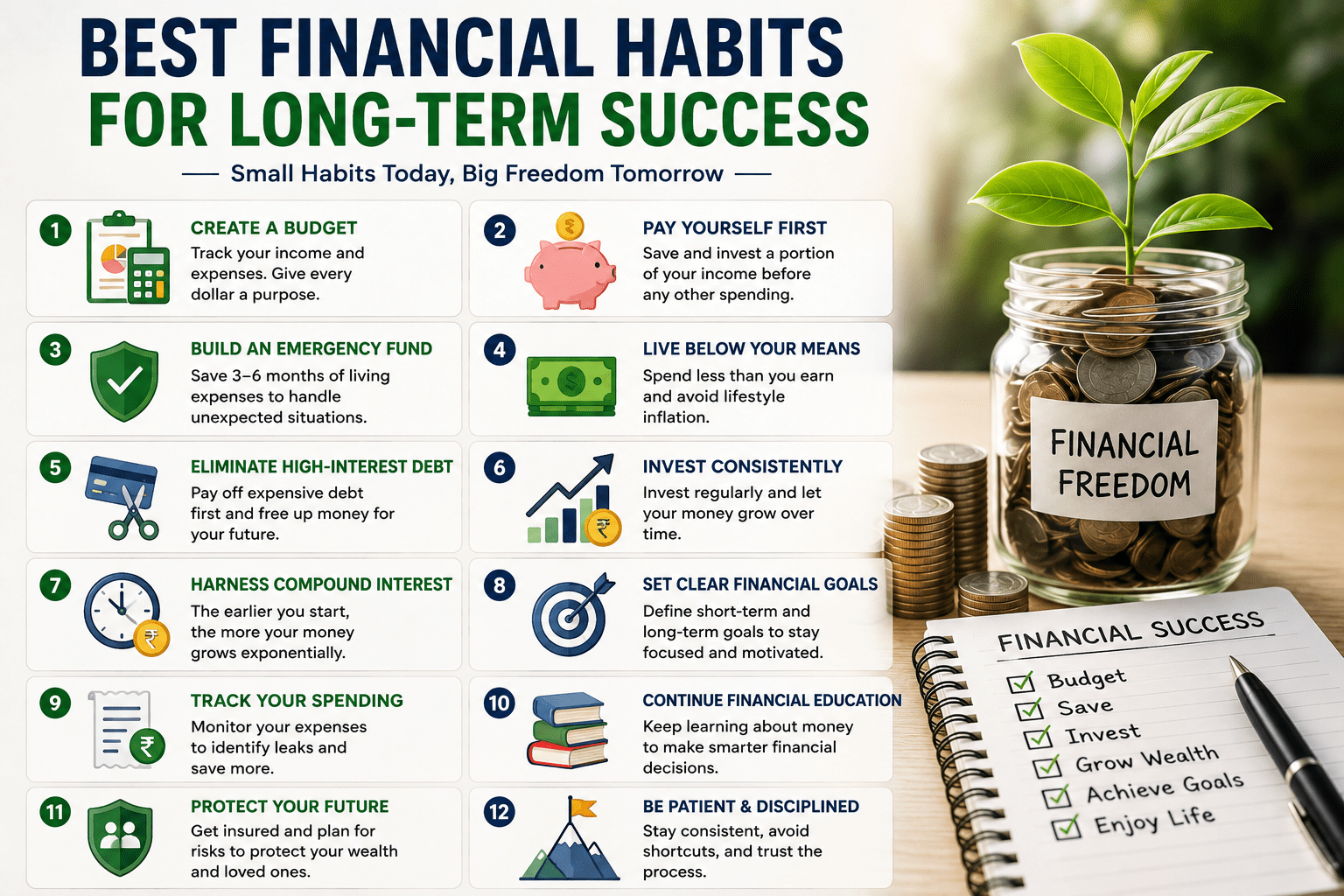
Step 1: Develop the Right Financial Mindset
Wealth creation starts with mindset.
Many people believe wealth is only achievable for a select few, but successful wealth builders focus on long-term growth rather than quick profits.
Adopt these principles:
- Live below your means
- Avoid unnecessary debt
- Focus on long-term goals
- Continuously improve financial knowledge
- Value assets over liabilities
A positive financial mindset creates the foundation for lasting wealth.
Step 2: Create a Budget
A budget is one of the most powerful wealth-building tools.
Without a budget, it’s difficult to understand where your money goes and how much you can save or invest.
Basic Budgeting Framework
Allocate income into:
- Essential expenses
- Savings
- Investments
- Personal spending
Many people use the 50/30/20 rule:
- 50% Needs
- 30% Wants
- 20% Savings and Investments
A budget helps ensure your money works toward your financial goals.
Step 3: Build an Emergency Fund
Unexpected expenses can derail your financial progress.
An emergency fund provides a financial safety net and prevents reliance on high-interest debt during difficult situations.
Aim to save:
- Three to six months of living expenses
- More if your income is unpredictable
Keep emergency savings in a separate, easily accessible account.
Step 4: Eliminate High-Interest Debt
Debt can significantly slow wealth creation.
High-interest obligations such as credit card debt consume money that could otherwise be invested.
Strategies for debt repayment include:
Debt Snowball Method
Pay off the smallest balances first while making minimum payments on larger debts.
Debt Avalanche Method
Focus on debts with the highest interest rates first.
Eliminating debt frees up cash flow for saving and investing.
Step 5: Increase Your Income
While saving money is important, increasing income can accelerate wealth building.
Consider:
- Learning high-income skills
- Starting a side business
- Freelancing
- Asking for a promotion
- Switching to higher-paying opportunities
- Creating digital products
Higher income provides more resources for investment and asset growth.
Step 6: Invest Early and Consistently
Investing is one of the most effective ways to build wealth.
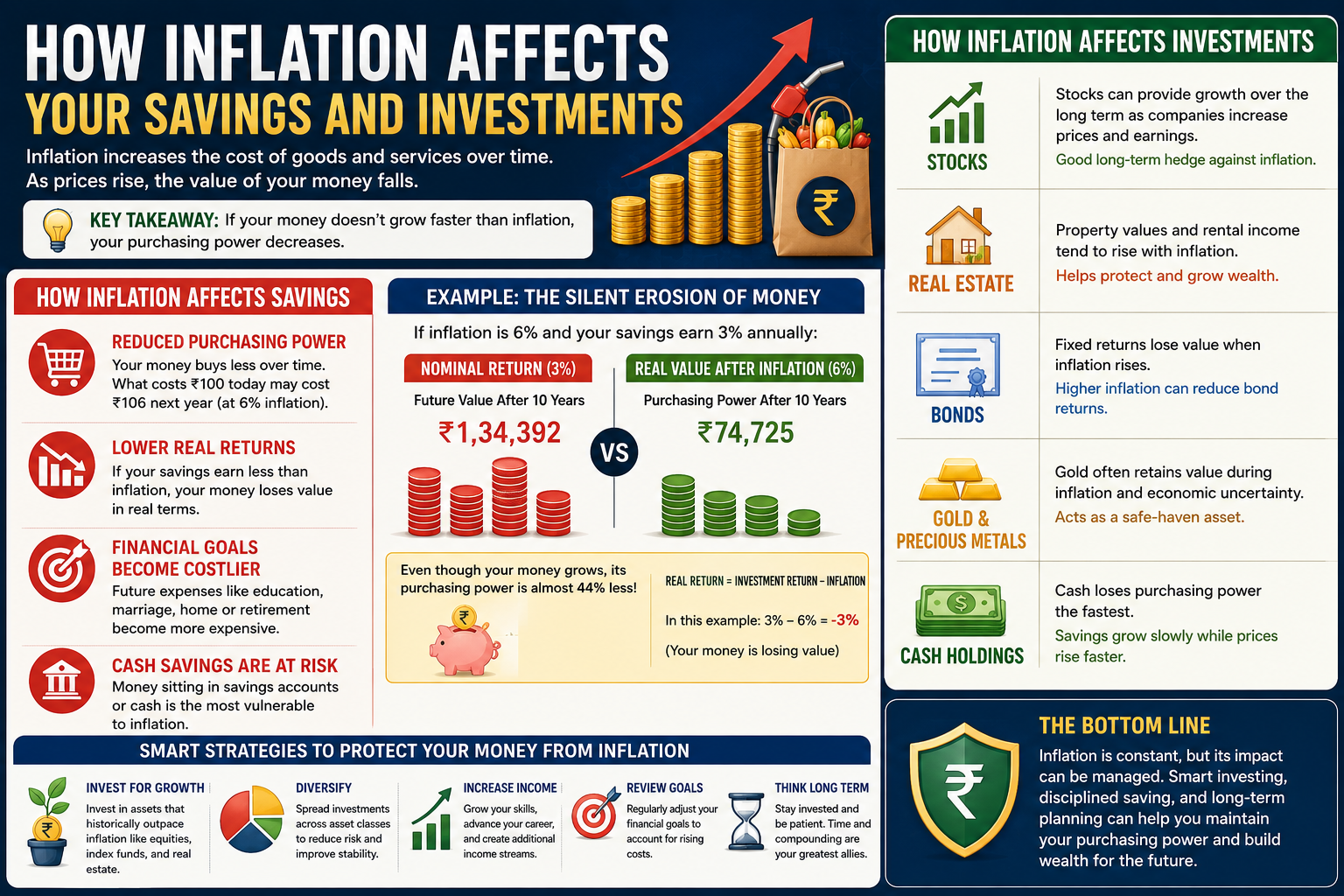
Money left in a savings account often loses purchasing power due to inflation. Investments help your money grow over time.
Popular investment options include:
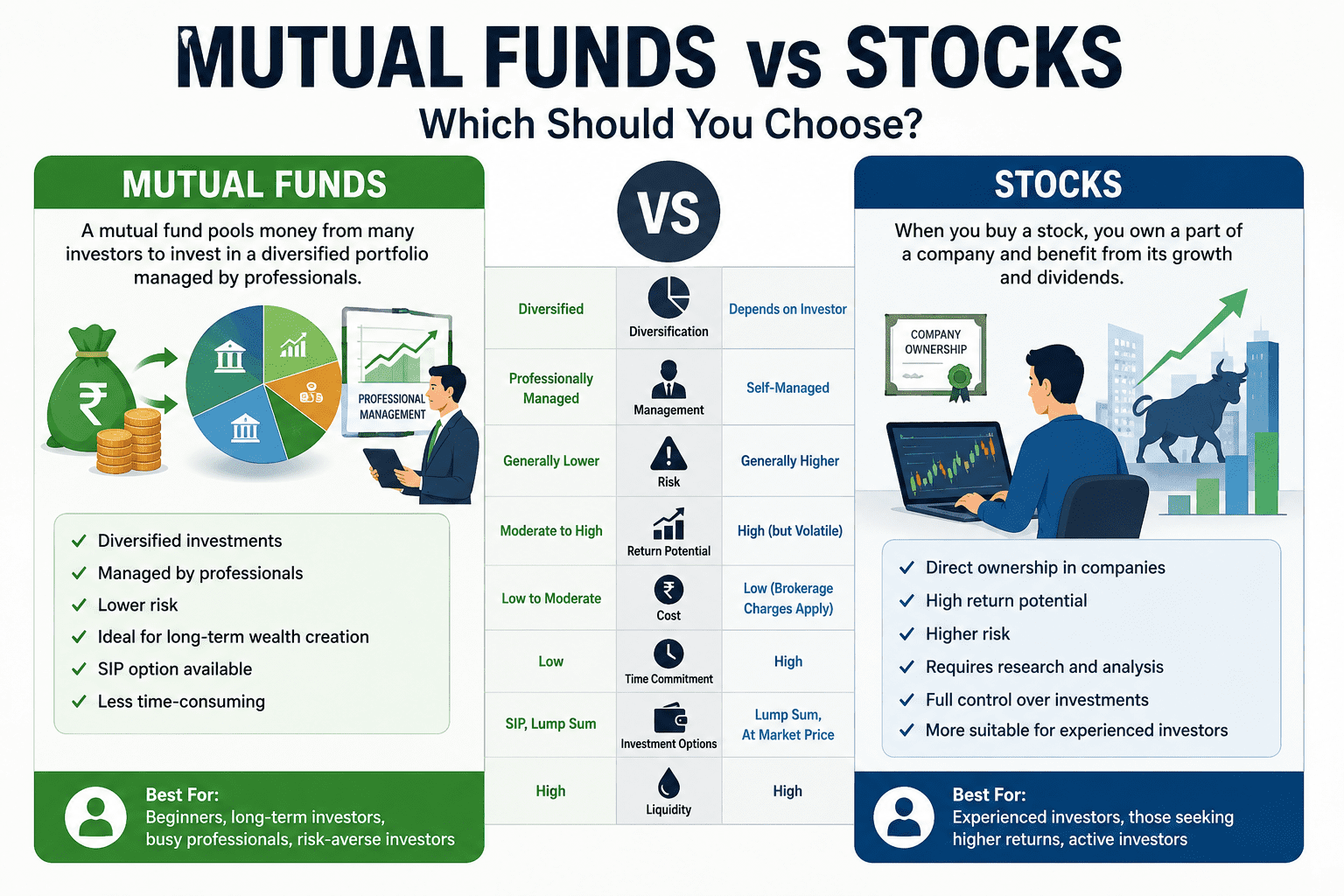
Stocks
Stocks represent ownership in companies and have historically delivered strong long-term returns.
Mutual Funds
Mutual funds offer diversification and professional management.
Index Funds
Index funds track market indexes and often have low fees.
Real Estate
Property investments can generate rental income and appreciation.
The key is consistency rather than trying to time the market perfectly.
Step 7: Harness the Power of Compound Interest
Compound interest allows your money to earn returns on both the original investment and accumulated gains.
This creates exponential growth over time.
Even small monthly investments can grow into substantial wealth when given enough time.
The earlier you begin investing, the more powerful compounding becomes.
Step 8: Create Multiple Income Streams
Relying on a single source of income can be risky.
Successful wealth builders often develop multiple income streams such as:
- Salary income
- Freelancing
- Dividend income
- Rental properties
- Affiliate marketing
- Online businesses
- Royalties from digital products
Multiple streams provide greater financial stability and accelerate wealth growth.
Step 9: Invest in Yourself
One of the highest-return investments you can make is in your own skills and knowledge.
Ways to invest in yourself include:
- Professional certifications
- Online courses
- Industry conferences
- Books and educational resources
- Networking opportunities
Improved skills often lead to higher income and better career opportunities.
Step 10: Avoid Lifestyle Inflation
As income increases, many people increase spending at the same rate.
This is known as lifestyle inflation.
Instead of spending every raise or bonus:
- Increase savings contributions
- Invest more money
- Pay off debt faster
- Build additional assets
Maintaining modest expenses allows wealth to grow more rapidly.
Step 11: Protect Your Wealth
Building wealth is important, but protecting it is equally essential.
Consider:
- Health insurance
- Life insurance
- Emergency savings
- Estate planning
- Diversified investments
Protection strategies reduce financial risks and preserve long-term gains.
Common Wealth-Building Mistakes
Avoid these common errors:
Waiting Too Long to Start
Time is one of the most powerful wealth-building factors.
Chasing Get-Rich-Quick Schemes
Wealth is usually built through patience and consistency, not shortcuts.
Failing to Diversify
Putting all your money into one investment increases risk.
Ignoring Financial Education
Understanding personal finance improves decision-making and investment success.
Overspending
Excessive spending reduces funds available for investing and asset creation.
Long-Term Wealth Building Strategies
To sustain financial growth:
- Save regularly
- Invest consistently
- Increase income over time
- Keep expenses under control
- Reinvest profits and dividends
- Stay focused on long-term goals
Small actions repeated consistently often produce remarkable results over decades.
The Road to Financial Freedom
Financial freedom occurs when your assets generate enough income to cover your living expenses.
This allows you to make life decisions without being dependent on a paycheck.
The journey may take years, but every step toward saving, investing, and income growth brings you closer to that goal.
Conclusion
Learning how to build wealth from scratch is one of the most valuable financial skills you can develop. Wealth creation is not about luck or inheritance—it’s about making smart financial choices consistently over time. By creating a budget, eliminating debt, increasing income, investing wisely, and leveraging compound growth, anyone can improve their financial future.
Start where you are today, no matter how small your resources may seem. Every dollar saved, invested, and managed wisely contributes to long-term financial success. The best time to start building wealth was yesterday; the second-best time is now.
Also read How to Create a Budget and Stick to It








Leave a Reply