

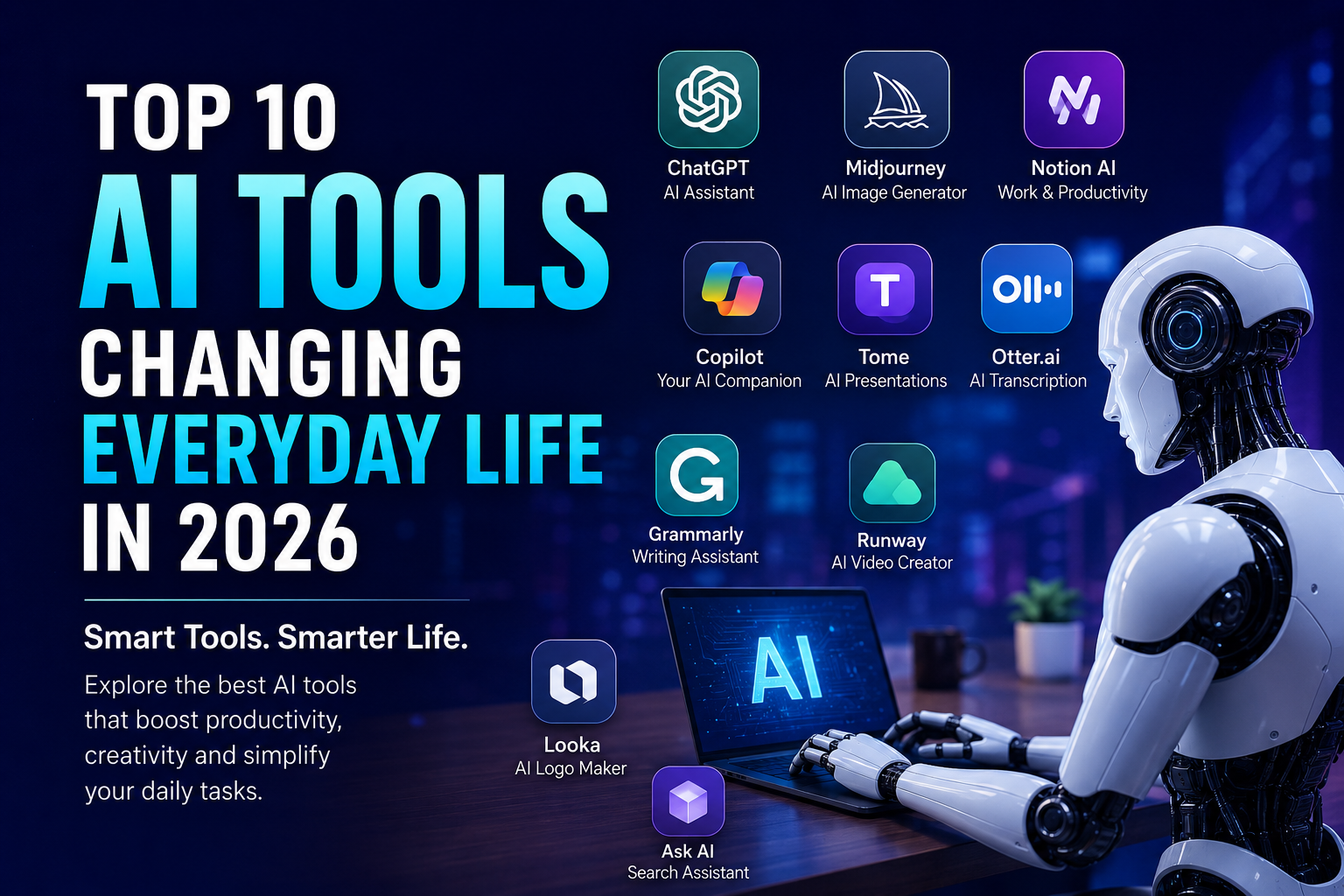
Artificial Intelligence is no longer just a futuristic concept seen in science fiction movies. In 2026, AI has become a major part of everyday life, helping people work smarter, communicate faster, learn efficiently, and manage daily activities with ease. From smart assistants and AI-powered healthcare systems to personalized entertainment recommendations and advanced automation tools, artificial intelligence is transforming the way the world operates.
Businesses, students, content creators, and even households are increasingly relying on AI tools to save time, improve productivity, and make better decisions. Whether it is automating repetitive tasks, enhancing customer experiences, or simplifying online learning, AI technology continues to evolve rapidly.
In this article, we will explore how AI tools are changing everyday life in 2026 and why they are becoming essential in both personal and professional environments.
The Rise of AI in Daily Life
Over the last few years, artificial intelligence has evolved from being a specialized technology used by large corporations into a mainstream tool accessible to everyone. Smartphones, smart TVs, wearable devices, online shopping platforms, and even home appliances now include AI-powered features.
People use AI daily without even realizing it. Voice assistants answer questions instantly, navigation apps predict traffic conditions, streaming platforms recommend content based on viewing habits, and online stores suggest products tailored to personal preferences.
The widespread availability of AI tools has made technology more efficient, personalized, and user-friendly than ever before.
Smart Home Technology Powered by AI
One of the most noticeable impacts of AI in 2026 is in smart home technology. Modern homes are becoming more intelligent with AI-powered devices that automate everyday tasks.
AI-Powered Virtual Assistants
Virtual assistants such as smart speakers and AI chat systems help users:
- Control lights and appliances
- Manage schedules and reminders
- Play music and entertainment
- Answer questions instantly
- Provide weather and traffic updates
- Enhance home security
These assistants continue to improve through machine learning, understanding user behavior and adapting to individual preferences.
Smart Energy Management
AI tools now help households reduce energy consumption by automatically controlling lighting, air conditioning, and heating systems. Smart energy systems analyze usage patterns and optimize electricity consumption, helping users save money while supporting environmental sustainability.
AI Security Systems
Modern home security cameras use AI-powered facial recognition and motion detection technologies to identify suspicious activities. Some systems can even differentiate between pets, family members, and strangers.
AI in Healthcare and Wellness
Healthcare is one of the industries experiencing the biggest transformation due to artificial intelligence.
Faster Medical Diagnosis
AI tools help doctors analyze medical scans, detect diseases earlier, and improve diagnosis accuracy. Advanced algorithms can identify patterns in medical data that may be difficult for humans to detect quickly.
This technology supports faster treatment decisions and improves patient outcomes.
Personalized Health Monitoring
Wearable devices powered by AI can now monitor:
- Heart rate
- Sleep quality
- Oxygen levels
- Physical activity
- Stress levels
These devices provide real-time health insights and encourage healthier lifestyles.
AI-Powered Mental Health Support
Mental wellness applications now use AI chat systems to offer emotional support, stress management exercises, and guided meditation. These tools help users manage anxiety and maintain mental balance.
AI Revolution in Education
Artificial intelligence is reshaping education by making learning more personalized and accessible.
Personalized Learning Platforms
AI-powered educational platforms analyze student performance and adapt lessons according to learning speed and strengths.
This personalized approach helps students:
- Learn more effectively
- Improve weak areas
- Receive customized recommendations
- Increase engagement
AI Tutors and Learning Assistants
Students now use AI tutors for:
- Homework assistance
- Language learning
- Coding practice
- Exam preparation
- Instant explanations
These tools provide 24/7 learning support, making education more flexible and convenient.
Automated Administrative Tasks
Schools and universities use AI systems to automate attendance tracking, grading, scheduling, and student management, reducing administrative workload.
AI in Business and Productivity
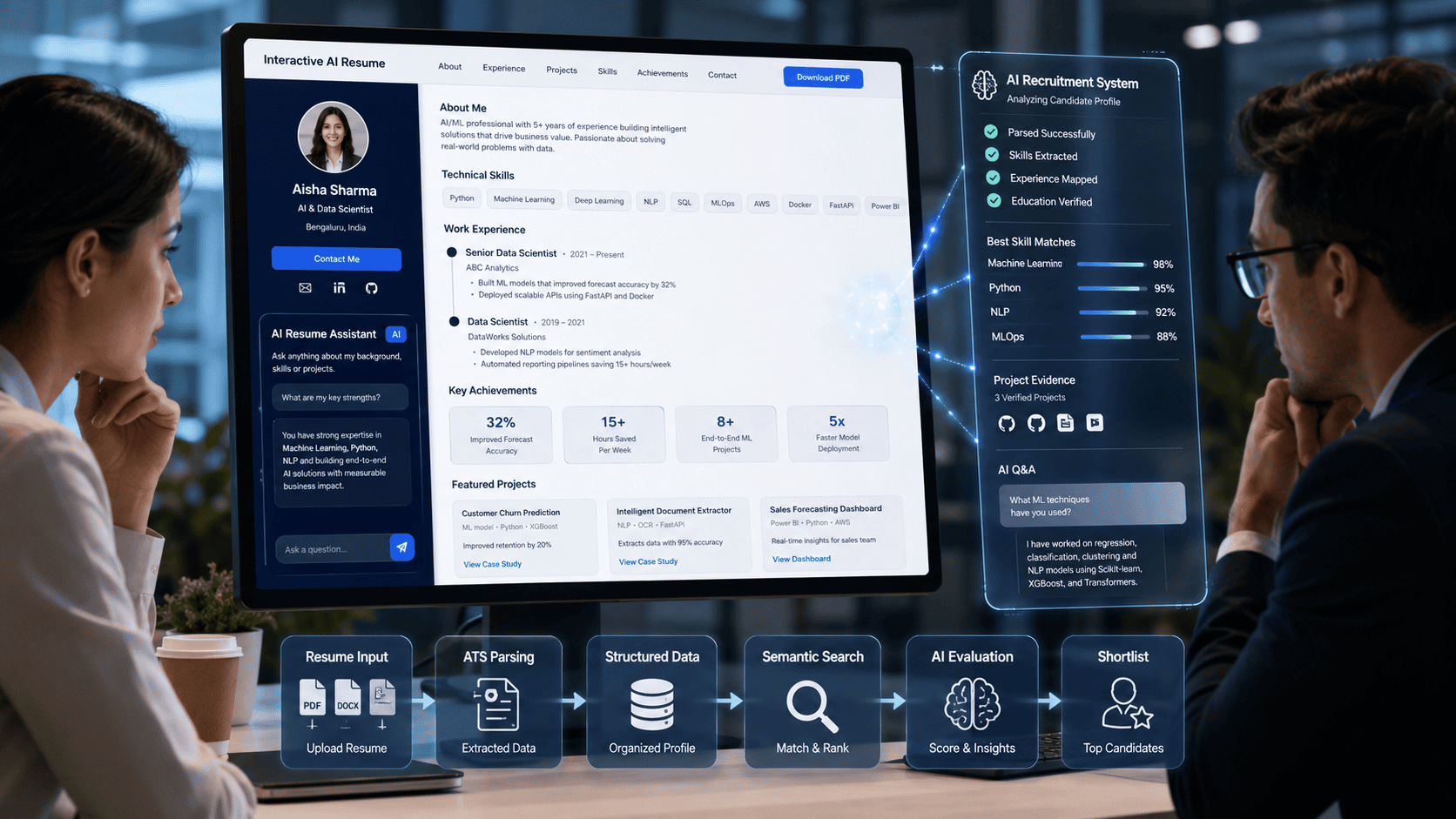
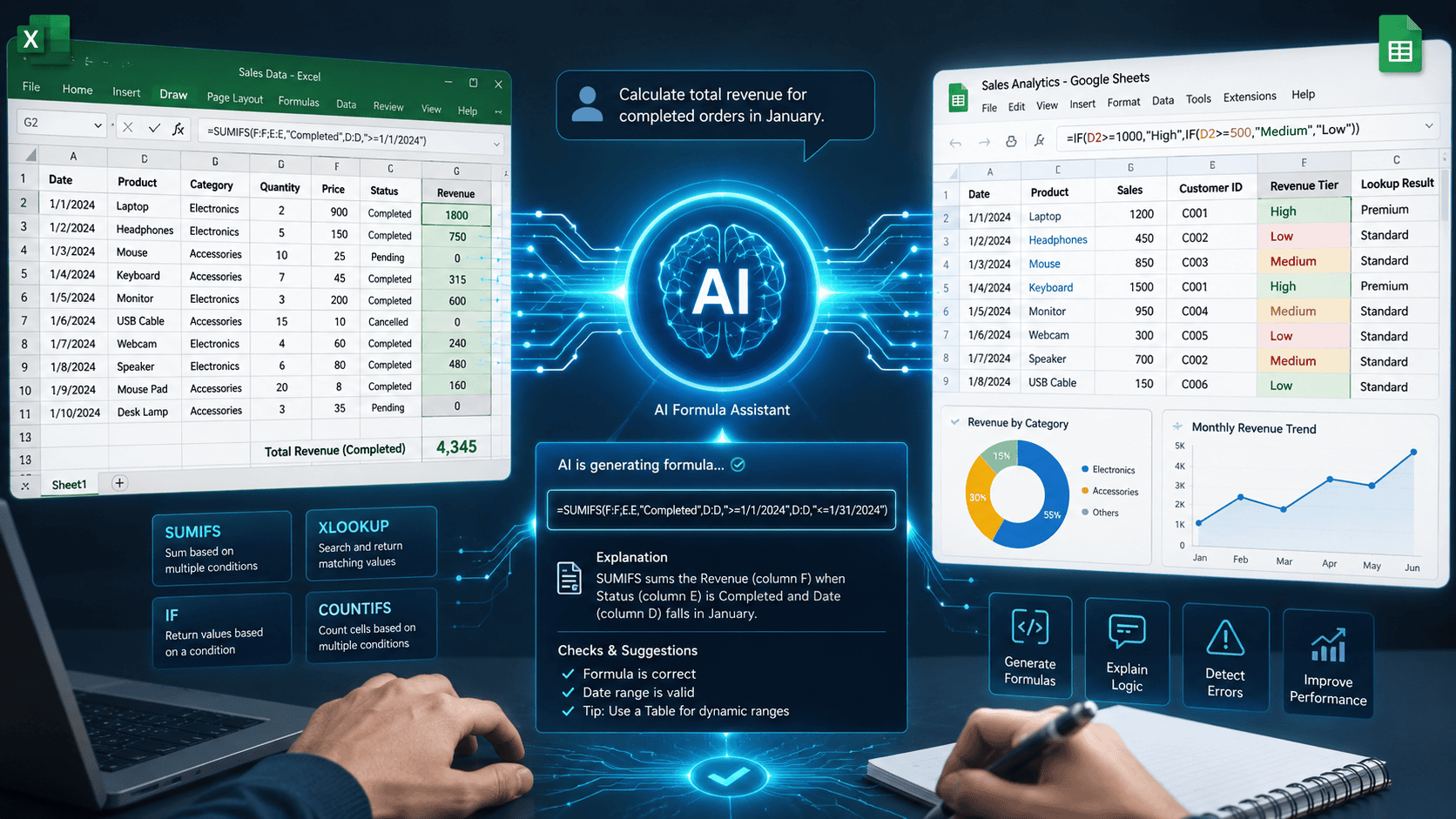
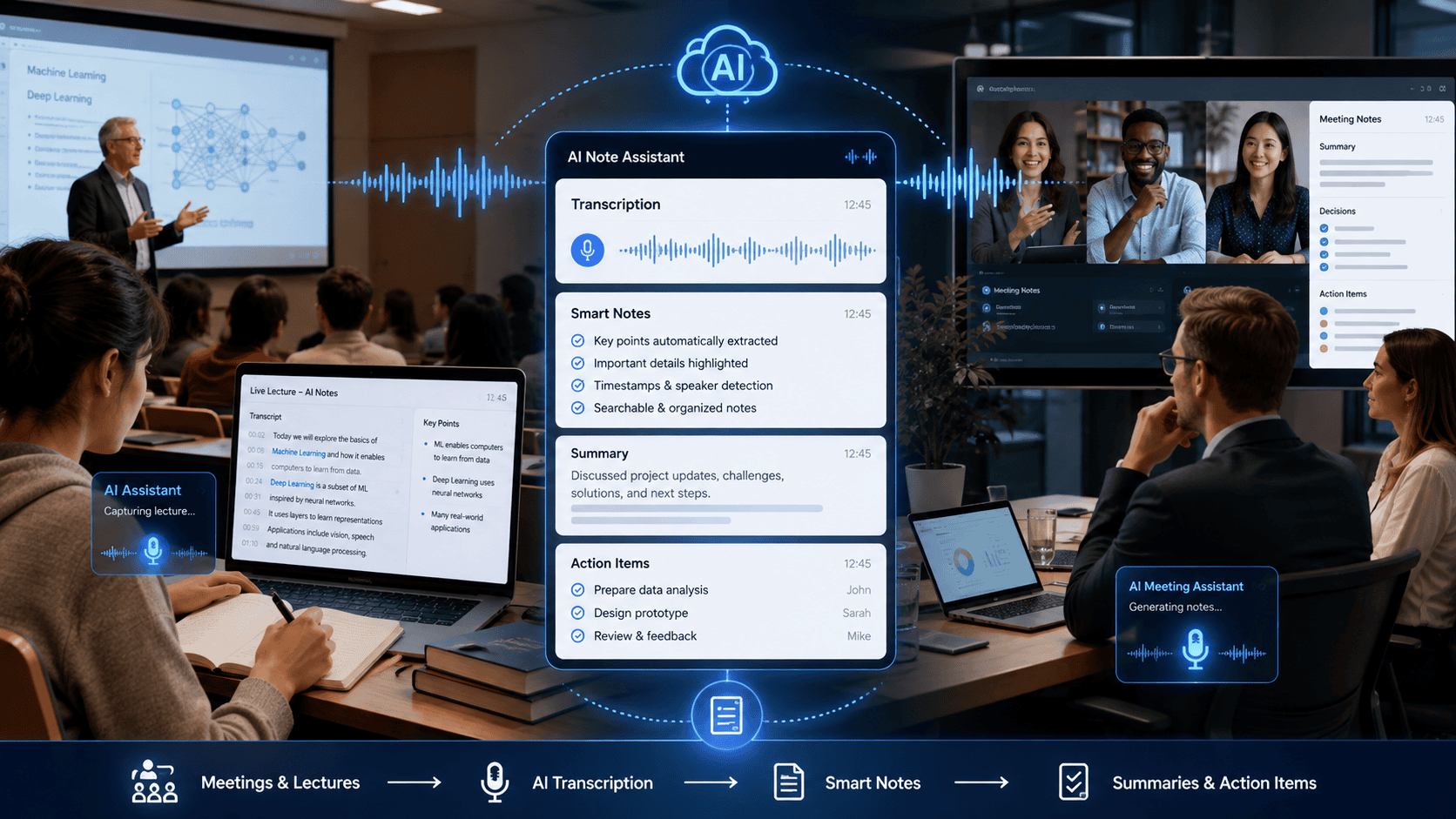
Companies across different industries are adopting AI tools to improve efficiency and reduce operational costs.
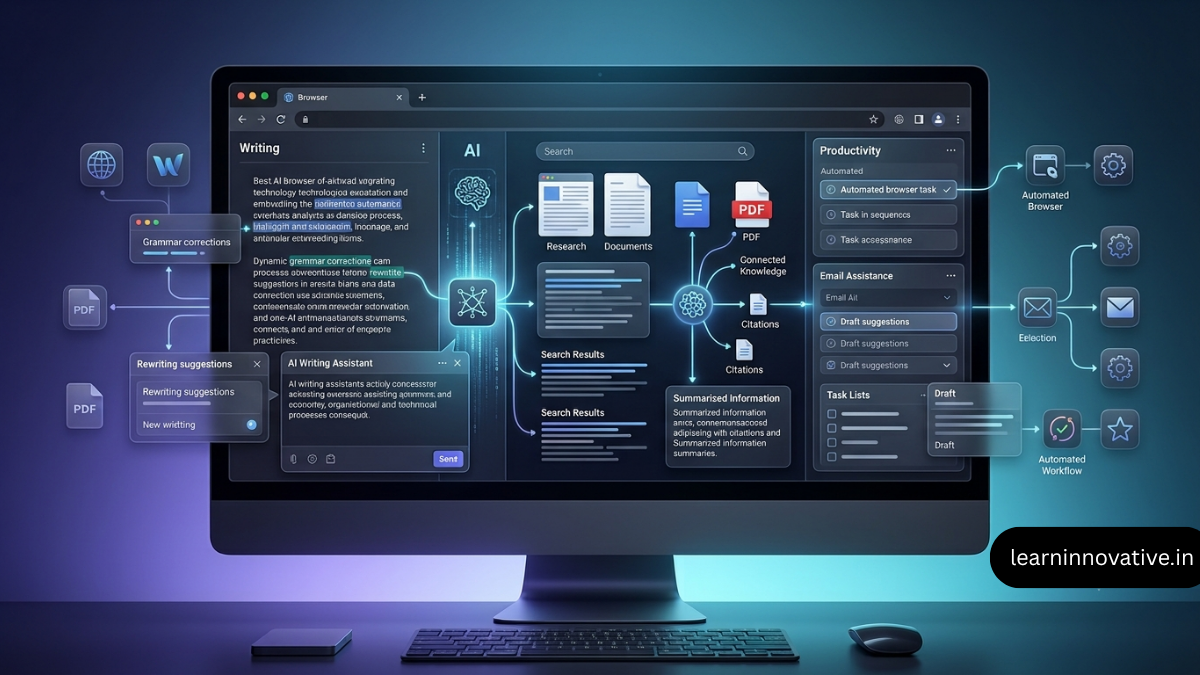
Workflow Automation
AI software automates repetitive tasks such as:
- Data entry
- Email management
- Customer support
- Scheduling meetings
- Report generation
Automation allows employees to focus on more creative and strategic work.
AI Customer Service
Businesses use AI chatbots and virtual assistants to provide instant customer support. These systems handle common questions, process orders, and improve response times.
This leads to:
- Better customer satisfaction
- Reduced support costs
- Faster communication
- 24/7 availability
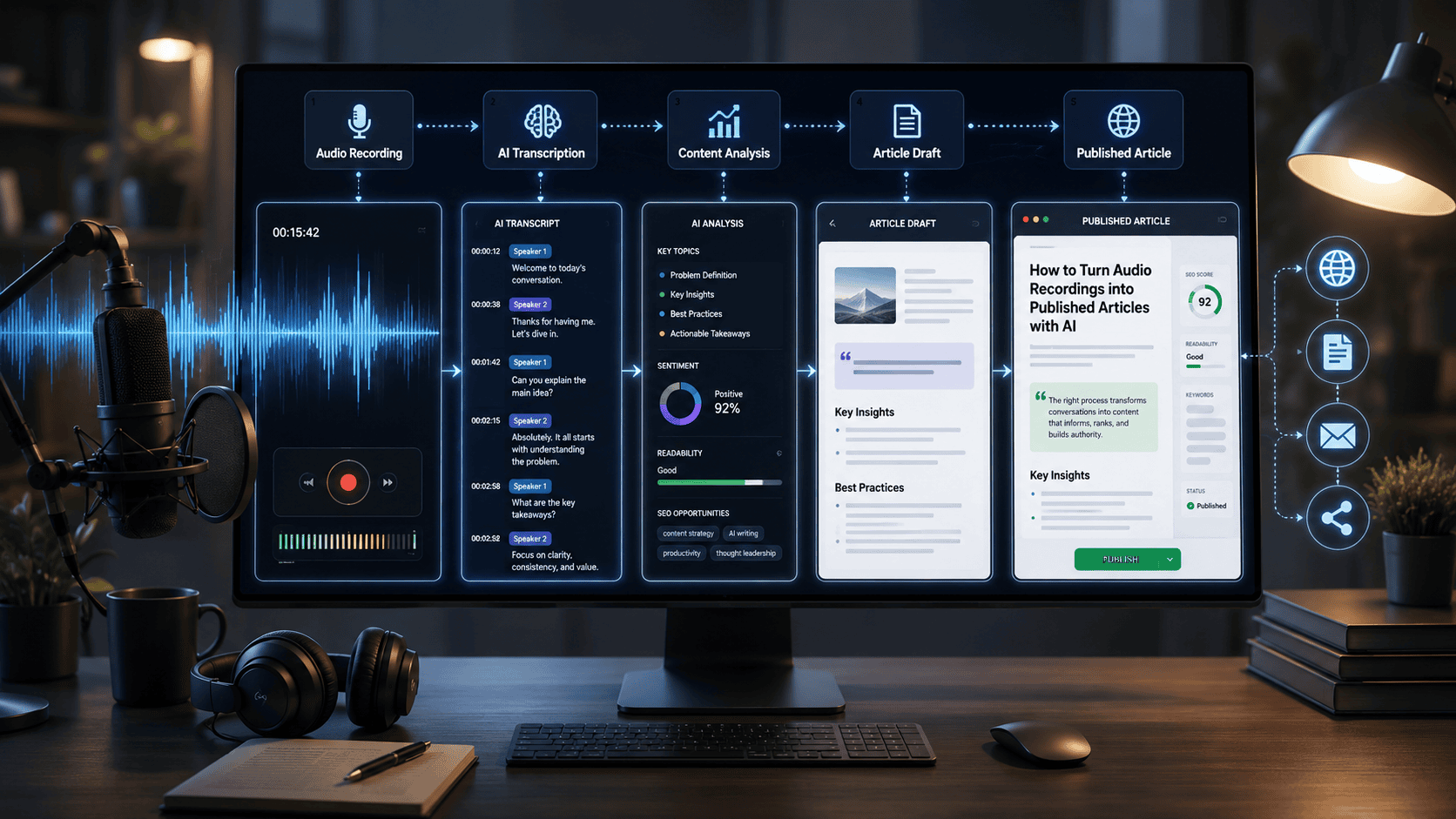
AI in Content Creation
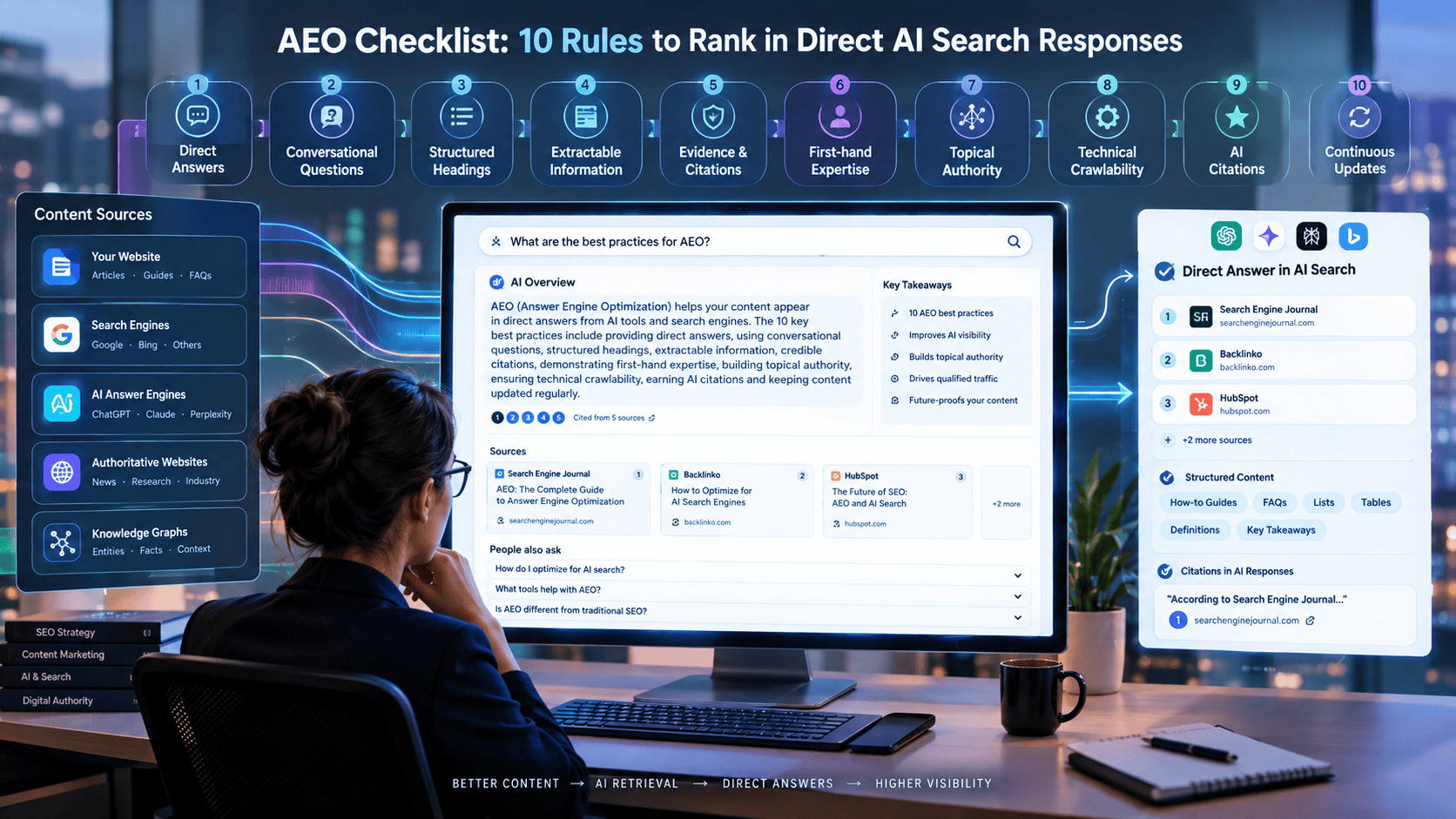
Content creators and marketers now use AI tools for:
- Writing assistance
- Video editing
- Graphic design
- SEO optimization
- Social media planning
AI-powered platforms help creators produce content more efficiently while maintaining quality.
Entertainment Industry and AI
Artificial intelligence is transforming entertainment experiences by making content more personalized and interactive.
Smart Content Recommendations
Streaming platforms use AI algorithms to analyze user preferences and recommend:
- Movies
- TV shows
- Music
- Podcasts
- Videos
This improves user engagement and enhances entertainment experiences.
AI in Gaming
Gaming companies use AI to create smarter non-player characters, adaptive gameplay, and realistic virtual environments.
AI-driven gaming experiences are becoming more immersive and personalized.
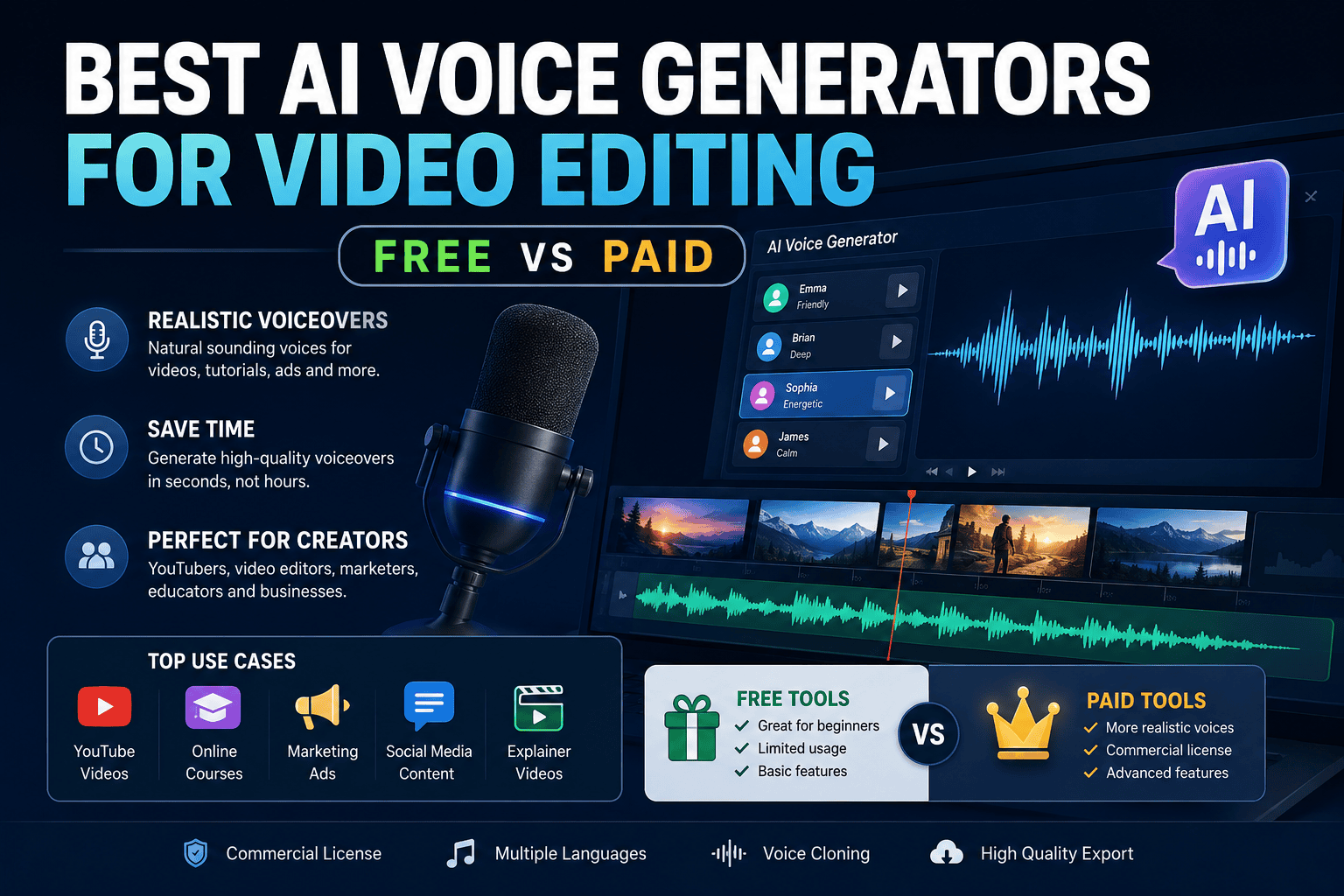
AI-Generated Media
AI tools can now generate:
- Music compositions
- Video effects
- Digital art
- Voiceovers
- Animation
These technologies are opening new opportunities for artists and creators.
AI in Transportation and Travel
Transportation systems are becoming more intelligent through artificial intelligence.
Smart Navigation Systems
AI-powered maps and navigation apps provide:
- Real-time traffic analysis
- Faster route suggestions
- Accident alerts
- Fuel-efficient navigation
These systems save time and improve travel efficiency.
Autonomous Vehicles
Self-driving technology continues to advance with AI-powered sensors and decision-making systems.
Although fully autonomous transportation is still evolving, AI-assisted driving features are already improving road safety.
AI Travel Planning
Travel apps use AI to suggest:
- Best flight deals
- Hotel recommendations
- Travel itineraries
- Tourist attractions
This simplifies trip planning for travelers.
AI and Cybersecurity
As digital threats increase, AI plays a major role in cybersecurity.
Threat Detection
AI systems monitor network activity and detect suspicious behavior in real time.
This helps organizations prevent:
- Data breaches
- Malware attacks
- Phishing attempts
- Financial fraud
Fraud Prevention
Banks and financial institutions use AI algorithms to identify unusual transaction patterns and prevent fraudulent activities.
Benefits of AI Tools in Everyday Life
Artificial intelligence offers several advantages across different industries and personal activities.
Improved Efficiency
AI tools automate repetitive work, saving valuable time.
Better Decision-Making
AI analyzes large amounts of data quickly and provides useful insights.
Personalization
AI systems adapt to user preferences, delivering customized experiences.
Increased Accessibility
AI-powered translation tools, voice recognition, and accessibility features make technology easier to use for everyone.
Challenges and Concerns of AI Growth
Despite its benefits, AI also presents certain challenges.
Privacy Concerns
Many AI systems collect large amounts of personal data, raising concerns about privacy and security.
Job Automation
Automation may replace some repetitive jobs, requiring workers to learn new skills.
Ethical Issues
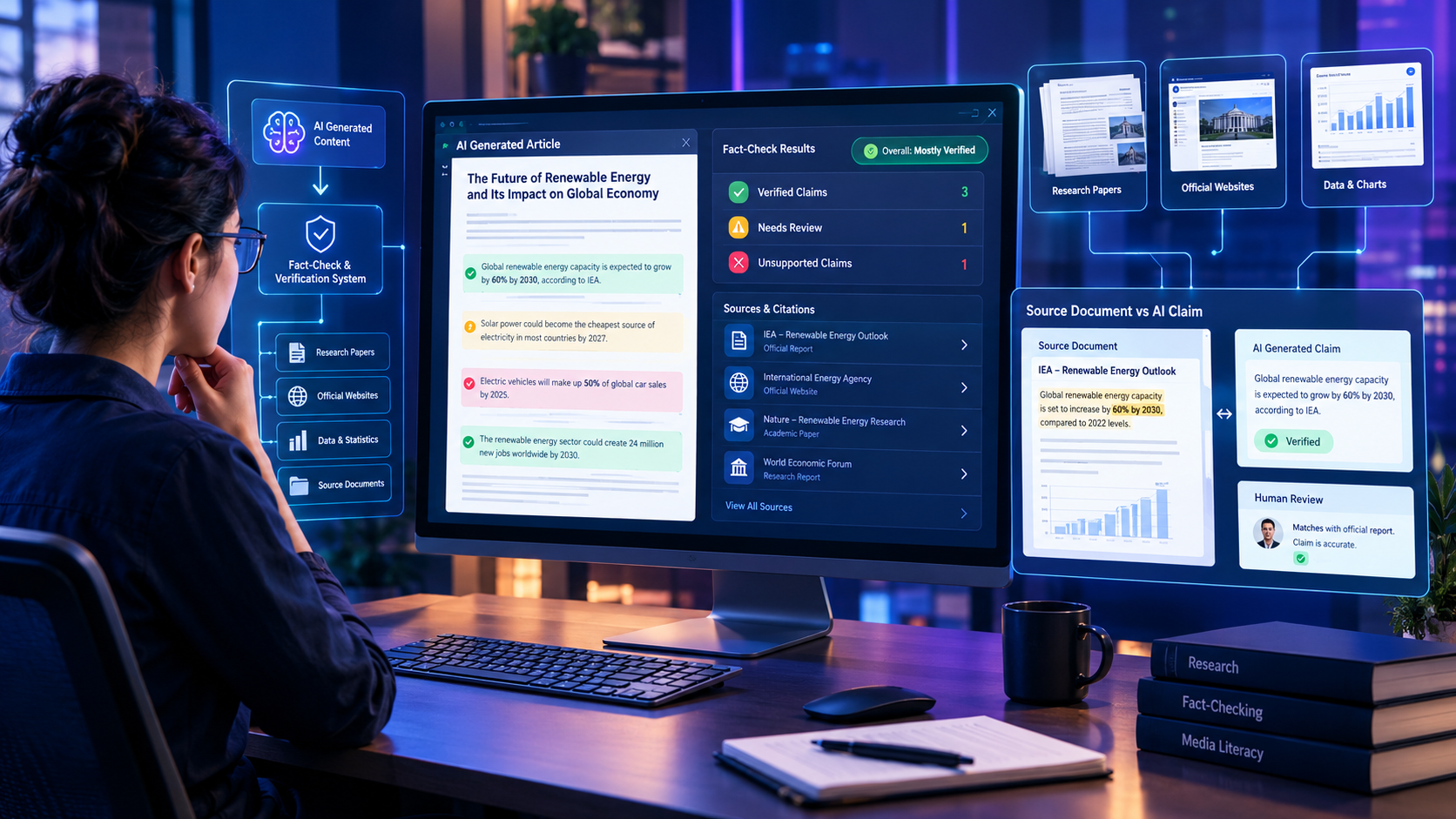
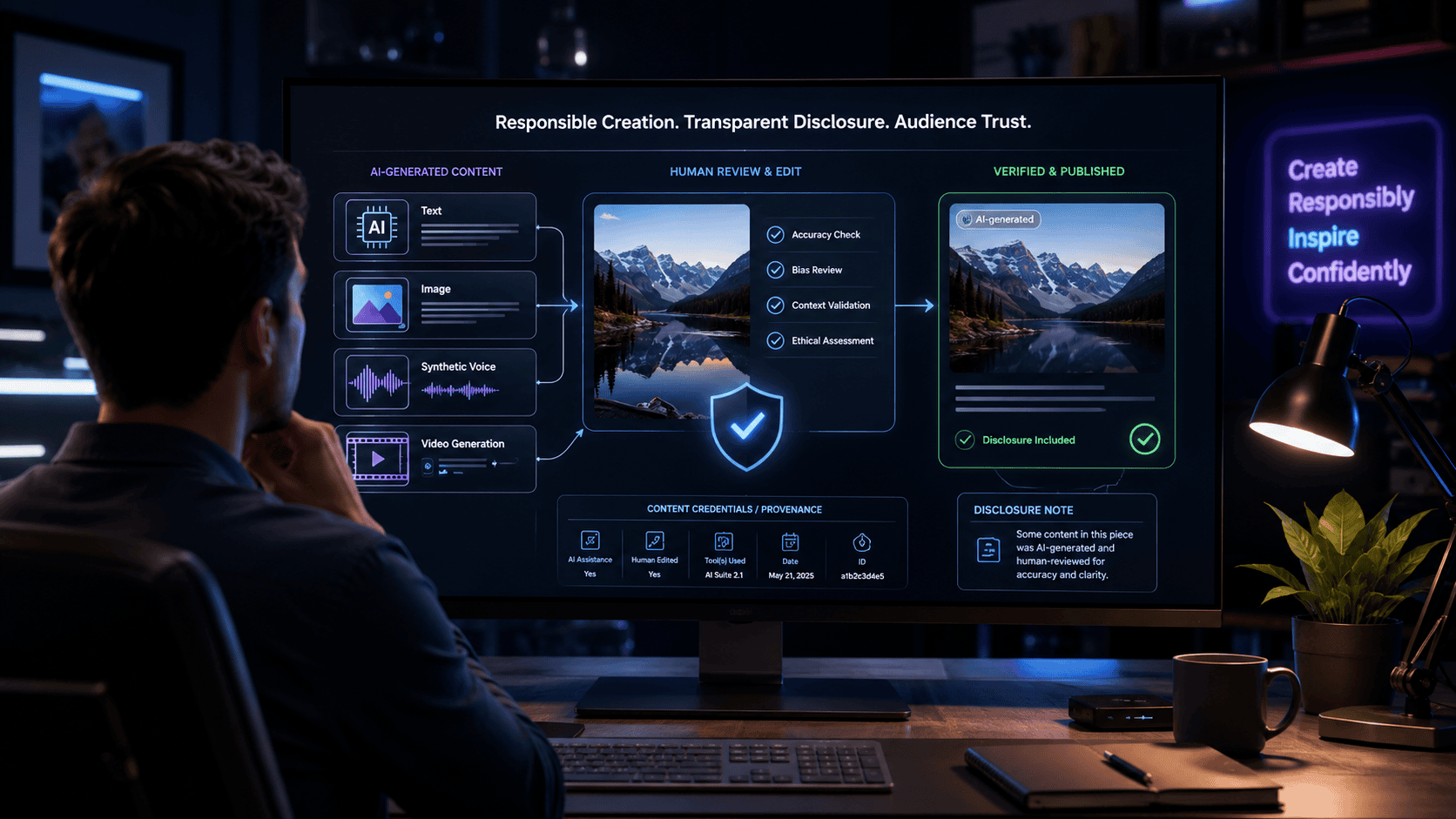
AI systems must be developed responsibly to avoid bias and misinformation.
Governments and technology companies continue working on regulations to ensure ethical AI development.
The Future of AI Beyond 2026
Artificial intelligence will continue evolving rapidly in the coming years. Future AI innovations may include:
- Advanced robotics
- More intelligent virtual assistants
- Fully autonomous transportation
- AI-powered scientific discoveries
- Smart cities with connected infrastructure
As technology advances, AI will likely become even more integrated into daily life.
Conclusion
AI tools are transforming everyday life in 2026 by improving productivity, healthcare, education, entertainment, and business operations. From smart homes and virtual assistants to personalized learning platforms and advanced cybersecurity systems, artificial intelligence is helping people work smarter and live more efficiently.
While challenges such as privacy and job automation remain important concerns, the overall impact of AI continues to be highly positive for individuals and businesses worldwide.
As innovation continues, artificial intelligence will shape the future of technology and redefine how humans interact with the digital world.
Businesses, students, professionals, and content creators who adapt to AI technology early will have significant advantages in the modern digital era.
Also read Top 7 AI Tools Changing the Way We Work

Leave a Reply