

Quick Summary
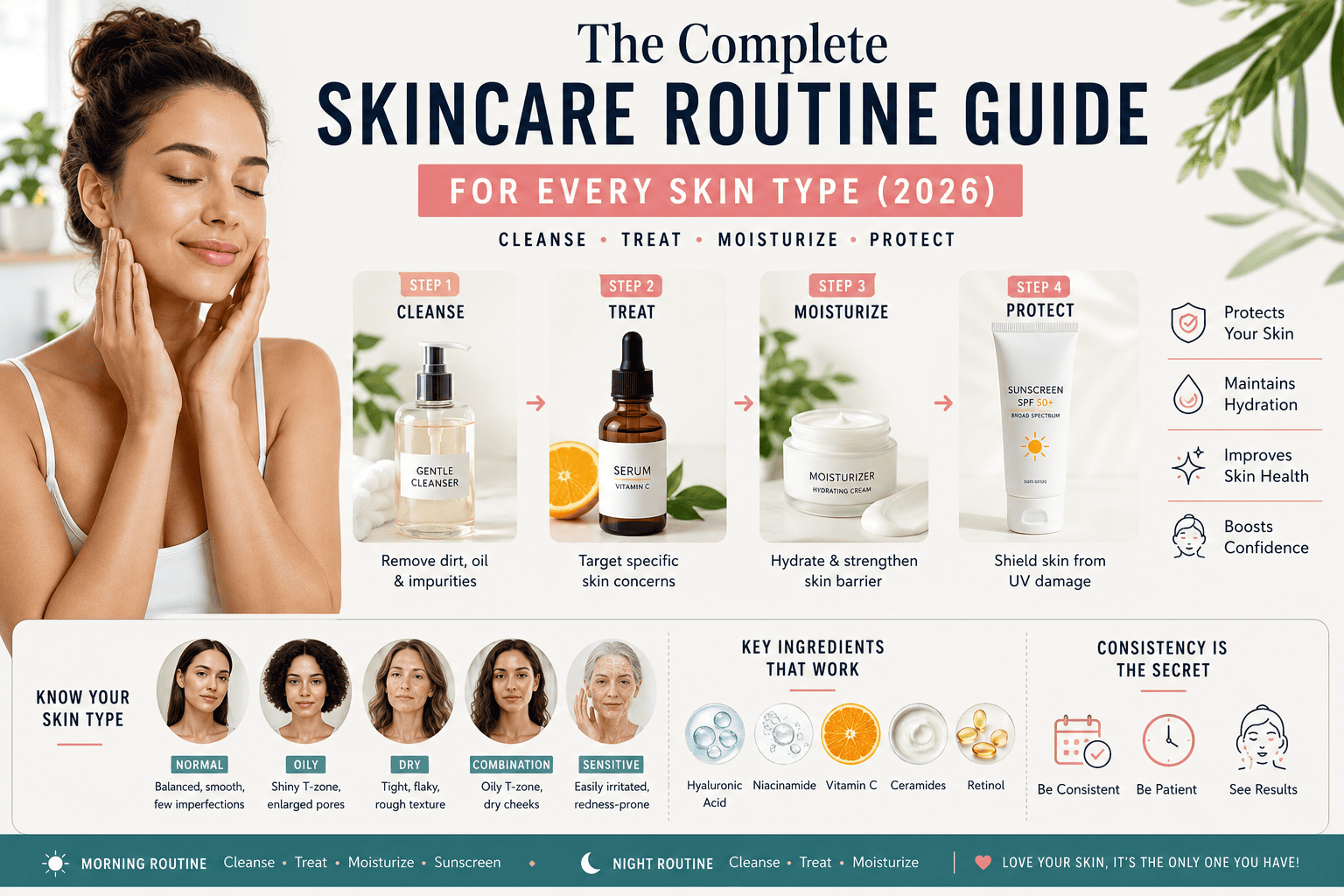
Healthy skin doesn’t happen by chance—it comes from following a consistent skincare routine tailored to your skin type. This comprehensive guide explains everything you need to know about cleansing, treating, moisturizing, and protecting your skin. Whether you’re a beginner or looking to improve your regimen, you’ll learn how to build an effective morning and nighttime routine, avoid common mistakes, and choose products that support long-term skin health.
Quick Answer
A complete skincare routine focuses on cleansing, moisturizing, treating specific skin concerns, and protecting the skin from UV damage with sunscreen. The best routine depends on your skin type—normal, oily, dry, combination, or sensitive—and should be followed consistently. Daily sunscreen, gentle cleansing, and proper hydration are widely recommended as the foundation of healthy skincare.
What Is the Ideal Skincare Routine?
The ideal skincare routine includes four essential steps:
- Cleanse your face with a gentle cleanser.
- Apply a treatment serum suited to your skin concerns.
- Moisturize to support hydration and the skin barrier.
- Finish with a broad-spectrum SPF 30+ sunscreen during the day.
Following this routine consistently can help maintain healthy-looking skin over time.
Introduction
Your skin is the largest organ in your body and acts as the first line of defense against pollution, harmful UV rays, bacteria, and environmental stressors. Every day, it works tirelessly to protect you, yet many people neglect basic skincare or use products that aren’t suited to their skin type.
A proper skincare routine is about more than appearance. It supports the skin barrier, helps maintain hydration, minimizes irritation, and can reduce the appearance of common concerns such as acne, dryness, hyperpigmentation, and premature aging.
With thousands of skincare products on the market, it can be overwhelming to know where to start. Marketing claims often make routines seem complicated, but effective skincare is built on a few essential principles: cleansing, treating, moisturizing, and sun protection.
This guide breaks down those principles into simple, actionable steps. You’ll discover how skincare products work, how to identify your skin type, and how to build a routine that fits your lifestyle. By the end of this guide, you’ll have a clear understanding of how to care for your skin consistently and confidently.
What Is a Skincare Routine?
A skincare routine is a sequence of products and practices designed to cleanse, nourish, protect, and maintain the health of your skin. It typically includes products that remove dirt and oil, replenish moisture, address specific skin concerns, and protect against environmental damage.
A basic routine usually consists of:
- Cleanser
- Treatment serum (optional but beneficial)
- Moisturizer
- Sunscreen (morning only)
More advanced routines may also include exfoliants, toners, eye creams, face masks, and targeted treatments depending on individual needs.
The most effective skincare routine is one that you can follow consistently. Even a simple routine practiced every day often produces better results than an elaborate routine used inconsistently.
Why Is Skincare Important?
Healthy skin performs several critical functions:
- Protects the body from bacteria and viruses.
- Helps regulate body temperature.
- Prevents excessive water loss.
- Shields against environmental pollutants.
- Supports wound healing.
- Maintains a healthy skin barrier.
Neglecting skincare may contribute to dryness, irritation, clogged pores, uneven skin tone, and accelerated signs of aging. A consistent routine helps preserve your skin’s natural balance while addressing individual concerns.
Understanding Different Skin Types
Before choosing products, it’s important to identify your skin type.
| Skin Type | Characteristics | Recommended Focus |
|---|---|---|
| Normal | Balanced oil and moisture | Maintain hydration and protect with sunscreen |
| Oily | Excess oil, enlarged pores, frequent breakouts | Oil control, lightweight hydration, non-comedogenic products |
| Dry | Tightness, flaking, rough texture | Rich moisturizers, barrier repair, gentle cleansing |
| Combination | Oily T-zone with dry cheeks | Balance hydration and oil control |
| Sensitive | Easily irritated, redness, stinging | Fragrance-free, gentle, soothing ingredients |
Knowing your skin type helps you select products that support rather than disrupt your skin barrier.
Benefits of Following a Consistent Skincare Routine
1. Maintains a Healthy Skin Barrier
The skin barrier helps keep moisture in and harmful irritants out. Proper cleansing and moisturizing strengthen this protective layer, reducing dryness and sensitivity.
2. Reduces Acne and Breakouts
Removing excess oil, dirt, and dead skin cells can help prevent clogged pores. Targeted treatments with ingredients like salicylic acid or benzoyl peroxide may reduce acne when used appropriately.
3. Improves Skin Hydration
Hydrated skin appears smoother, more supple, and comfortable. Moisturizers help retain water in the skin and reduce transepidermal water loss.
4. Helps Prevent Premature Aging
Daily sunscreen use and antioxidant-rich skincare can reduce the effects of ultraviolet (UV) exposure, one of the leading causes of premature skin aging.
5. Promotes a More Even Skin Tone
Ingredients such as niacinamide, vitamin C, and azelaic acid can help improve the appearance of dark spots and uneven pigmentation over time.
6. Enhances Product Effectiveness
Applying products in the correct order allows active ingredients to work more effectively. Consistency is often more important than using a large number of products.
7. Supports Overall Skin Health
Healthy skincare habits contribute to stronger, more resilient skin that can better withstand environmental stressors.
How Does a Skincare Routine Work?
A skincare routine works by addressing four essential needs:
Step 1: Cleanse
A cleanser removes dirt, sweat, sunscreen, makeup, excess oil, and environmental pollutants without excessively stripping the skin’s natural oils.
Step 2: Treat
Treatment products contain active ingredients that target specific concerns such as acne, pigmentation, dehydration, or fine lines.
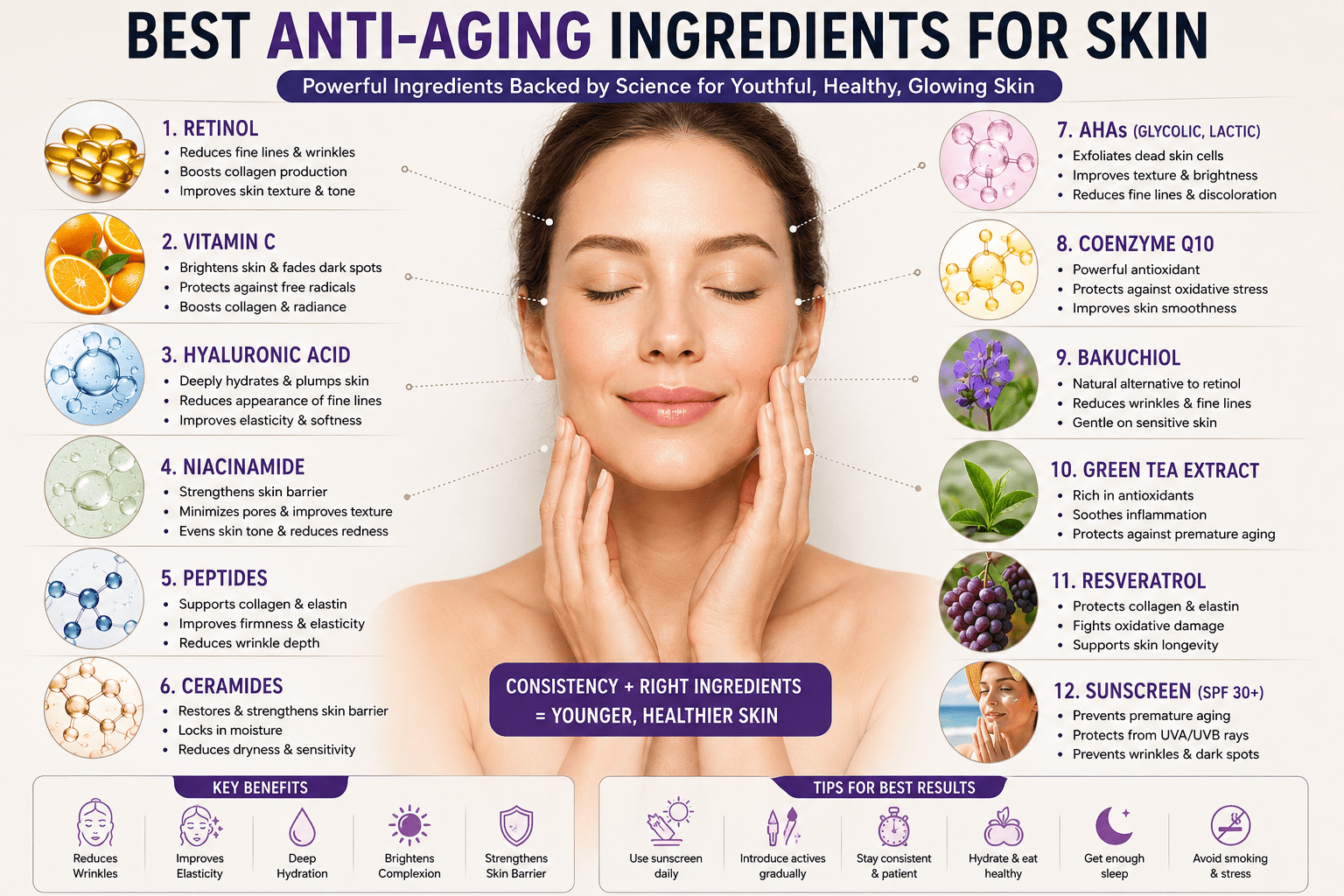
Common active ingredients include:
- Niacinamide
- Vitamin C
- Hyaluronic Acid
- Retinol
- Ceramides
- Salicylic Acid
- Azelaic Acid
- Peptides
Step 3: Moisturize
Moisturizers replenish hydration, strengthen the skin barrier, and reduce moisture loss. Even oily skin benefits from lightweight moisturizers.
Step 4: Protect
Broad-spectrum sunscreen protects against UVA and UVB rays, helping to prevent sunburn, pigmentation, and premature aging. Daily sun protection is recommended, even on cloudy days.
Step-by-Step Guide: Building Your Daily Skincare Routine
Morning Routine
Step 1: Cleanse Your Face
Use a gentle cleanser suited to your skin type to remove oil and sweat that accumulate overnight.
Tip: Avoid using very hot water, as it may strip the skin of its natural oils.
Step 2: Apply a Serum
Choose a serum based on your skin goals.
Examples:
- Vitamin C for brightening
- Niacinamide for oil control
- Hyaluronic acid for hydration
- Peptides for skin support
Allow the serum to absorb before moving to the next step.
Step 3: Moisturize
Apply a moisturizer to lock in hydration. Lightweight gel formulas may suit oily skin, while richer creams often work well for dry skin.
Step 4: Apply Sunscreen
Finish with a broad-spectrum sunscreen of SPF 30 or higher.
Use enough to cover all exposed areas of your face, ears, and neck, and reapply during prolonged sun exposure according to the product’s instructions.
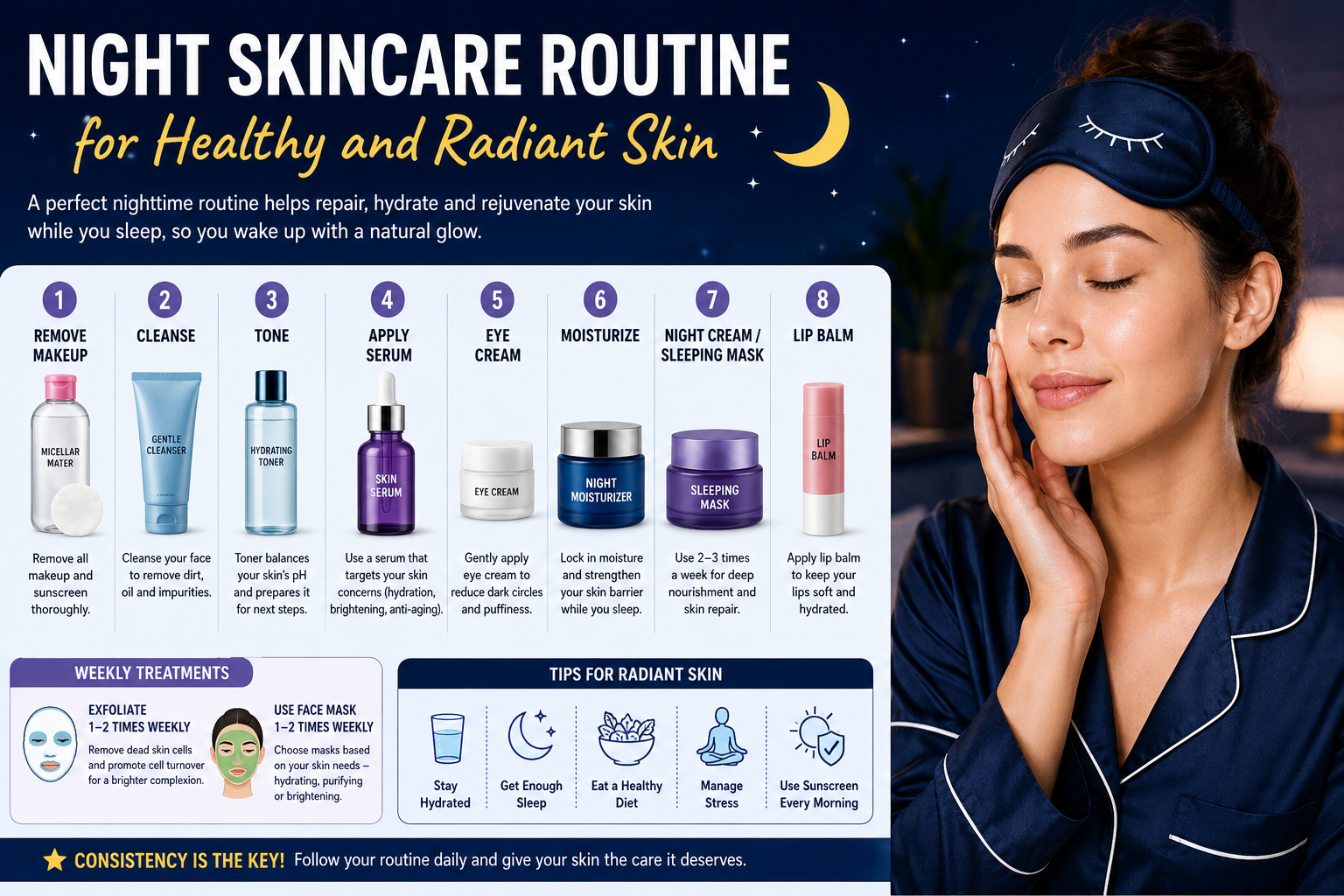
Night time Routine
Step 1: Remove Makeup and Sunscreen
If you wear makeup or water-resistant sunscreen, consider using an oil-based cleanser or micellar water before your regular cleanser.
Step 2: Cleanse
Wash your face to remove any remaining impurities.
Step 3: Apply Treatment Products
Nighttime is often when active ingredients such as retinoids or exfoliating acids are used, depending on your skin’s tolerance and the product instructions.
Introduce new active ingredients gradually to minimize irritation.
Step 4: Moisturize
A nourishing moisturizer supports overnight skin recovery and helps maintain the skin barrier.
Weekly Skincare Routine
In addition to your daily routine, you may choose to include:
- Gentle exfoliation (1–2 times per week, depending on your skin type and product)
- Hydrating face masks
- Clay masks for oily skin
- Lip care
- Neck and chest skincare
- Hand care, especially after frequent washing
Avoid over-exfoliating, as it can weaken the skin barrier and increase sensitivity.
Quick Routine by Skin Type
| Skin Type | Morning Routine | Night Routine |
|---|---|---|
| Oily | Cleanser → Niacinamide Serum → Gel Moisturizer → Sunscreen | Double Cleanse → Salicylic Acid (if needed) → Moisturizer |
| Dry | Hydrating Cleanser → Hyaluronic Acid → Rich Moisturizer → Sunscreen | Cleanser → Ceramide Cream → Moisturizer |
| Combination | Gentle Cleanser → Vitamin C → Moisturizer → Sunscreen | Cleanser → Targeted Serum → Moisturizer |
| Sensitive | Mild Cleanser → Soothing Serum → Moisturizer → Mineral Sunscreen | Gentle Cleanser → Barrier Repair Cream |
Real-Life Examples of Effective Skincare Routines
The best skincare routine is one that matches your skin type, lifestyle, and concerns. Below are sample routines that can help you understand how different products work together.
Example 1: Beginner Skincare Routine
Ideal for someone new to skincare.
Morning
- Gentle Cleanser
- Moisturizer
- Broad-Spectrum SPF 30+ Sunscreen
Night
- Gentle Cleanser
- Moisturizer
This simple routine focuses on maintaining skin health without overwhelming the skin with too many products.
Example 2: Oily & Acne-Prone Skin
Morning
- Foaming Cleanser
- Niacinamide Serum
- Oil-Free Moisturizer
- Sunscreen
Night
- Cleanser
- Salicylic Acid Treatment (2–3 times per week)
- Lightweight Moisturizer
Goal
- Reduce excess oil
- Prevent clogged pores
- Minimize breakouts
- Support skin barrier
Example 3: Dry Skin Routine
Morning
- Hydrating Cleanser
- Hyaluronic Acid Serum
- Rich Moisturizer
- Sunscreen
Night
- Cream Cleanser
- Ceramide Moisturizer
- Facial Oil (optional)
Goal
- Restore moisture
- Repair skin barrier
- Prevent flaking
Example 4: Combination Skin
Morning
- Gentle Cleanser
- Vitamin C Serum
- Moisturizer
- Sunscreen
Night
- Cleanser
- Niacinamide Serum
- Moisturizer
Goal
Balance oily and dry areas without over-treating either.
Example 5: Mature Skin
Morning
- Hydrating Cleanser
- Vitamin C Serum
- Peptide Moisturizer
- Sunscreen
Night
- Gentle Cleanser
- Retinol (as tolerated)
- Ceramide Moisturizer
Goal
Improve skin texture, support collagen, and maintain hydration.
Understanding Popular Skincare Ingredients
Knowing what common skincare ingredients do can help you choose products that match your goals.
| Ingredient | Best For | How Often | Beginner Friendly |
|---|---|---|---|
| Hyaluronic Acid | Hydration | Daily | ✅ Yes |
| Niacinamide | Oil control, pores, redness | Daily | ✅ Yes |
| Vitamin C | Brightening, dark spots | Morning | ✅ Yes |
| Ceramides | Skin barrier repair | Daily | ✅ Yes |
| Salicylic Acid | Acne, oily skin | 2–4 times/week | ⚠ Start Slowly |
| Retinol | Fine lines, acne | Night | ⚠ Introduce Gradually |
| Peptides | Firmness | Daily | ✅ Yes |
| Azelaic Acid | Acne marks, redness | Daily or Alternate Days | ✅ Yes |
| Glycolic Acid | Exfoliation | Weekly | ⚠ Use Carefully |
| Lactic Acid | Gentle exfoliation | Weekly | ✅ Better for beginners |
Signs Your Routine Is Working
Many people expect overnight results, but healthy skin improves gradually.
Positive signs include:
- Softer skin
- Improved hydration
- Reduced redness
- Fewer breakouts
- Smaller-looking pores
- More even skin tone
- Better makeup application
- Healthier skin texture
Visible improvements often take several weeks, depending on the concern being addressed and the products used consistently.
Pros of Following a Skincare Routine
1. Supports Long-Term Skin Health
Healthy habits today may help maintain skin comfort and appearance over time.
2. Reduces Common Skin Problems
Consistent cleansing and moisturizing can help reduce dryness, clogged pores, and irritation.
3. Helps Products Perform Better
Applying products in the correct order allows active ingredients to work more effectively.
4. Saves Money Over Time
A consistent routine focused on essential products may reduce impulse purchases and unnecessary experimentation.
5. Builds Healthy Daily Habits
Morning and evening skincare routines encourage consistency and self-care.
6. Improves Confidence
Healthy-looking skin often contributes to greater confidence in personal and professional settings.
7. Protects Against Environmental Damage
Daily sunscreen helps protect the skin from ultraviolet (UV) exposure, one of the primary contributors to premature skin aging.
Cons of Following a Skincare Routine
Although skincare offers many benefits, there are some considerations.
Initial Cost
Quality products may require an upfront investment.
Requires Consistency
Skipping your routine frequently may reduce its effectiveness.
Trial and Error
Finding products that suit your skin may take time.
Possible Irritation
Introducing too many active ingredients at once can increase the risk of irritation, especially for sensitive skin.
Results Take Time
Most skincare improvements happen gradually rather than overnight.
Comparison Table: Basic vs Advanced Skincare Routine
| Feature | Basic Routine | Advanced Routine |
|---|---|---|
| Cleanser | ✅ | ✅ |
| Serum | Optional | ✅ |
| Moisturizer | ✅ | ✅ |
| Sunscreen | ✅ | ✅ |
| Exfoliation | Weekly | Customized |
| Eye Cream | Optional | Often Included |
| Face Mask | Occasionally | Weekly |
| Active Ingredients | Minimal | Multiple |
| Time Required | 5 Minutes | 15–20 Minutes |
| Best For | Beginners | Experienced Users |
Common Skincare Mistakes to Avoid
1. Skipping Sunscreen
One of the most common skincare mistakes is applying sunscreen only during sunny weather.
Ultraviolet rays can affect the skin even on cloudy days.
2. Over-Exfoliating
Using exfoliating products too frequently may weaken the skin barrier and increase sensitivity.
3. Changing Products Too Often
Switching products every few days makes it difficult to determine what is or isn’t working.
4. Sleeping with Makeup On
Leaving makeup on overnight may contribute to clogged pores and skin irritation.
5. Using Products Not Meant for Your Skin Type
Products designed for oily skin may be too drying for dry skin, while richer formulas may feel heavy on oily skin.
6. Ignoring the Neck
The neck and upper chest are also exposed to the sun and benefit from the same skincare routine as the face.
7. Using Too Many Active Ingredients Together
Combining multiple strong active ingredients without guidance may increase irritation.
8. Applying Products in the Wrong Order
A general rule is to apply products from the thinnest consistency to the thickest, finishing with sunscreen in the morning.
9. Expecting Overnight Results
Skin renewal is gradual, and many products require several weeks of consistent use before noticeable improvements appear.
10. Neglecting Patch Testing
Before introducing a new product, consider patch testing it on a small area of skin according to the manufacturer’s instructions to check for irritation.
Expert Tips for Healthier Skin
✔ Keep Your Routine Simple
Start with cleanser, moisturizer, and sunscreen before adding specialty products.
✔ Introduce One New Product at a Time
This makes it easier to identify how your skin responds.
✔ Drink Enough Water
Hydration supports overall health and complements topical skincare.
✔ Get Enough Sleep
Adequate sleep allows your body to carry out normal repair processes that support healthy-looking skin.
✔ Eat a Balanced Diet
Foods rich in vitamins, antioxidants, and healthy fats may support overall skin health.
✔ Clean Makeup Brushes Regularly
Dirty brushes can collect oil, product buildup, and bacteria.
✔ Wash Pillowcases Frequently
Changing pillowcases regularly may help reduce the transfer of oil and residue back onto the skin.
✔ Manage Stress
Stress can influence skin conditions in some people, making stress-management habits a helpful part of overall wellness.
✔ Stay Consistent
Daily consistency often matters more than having an elaborate routine.
Frequently Asked Questions
1. What is the correct order of a skincare routine?
A basic morning routine is:
- Cleanser
- Serum
- Moisturizer
- Sunscreen
At night, replace sunscreen with any nighttime treatment product recommended for your skin concerns, followed by moisturizer.
2. How long does it take to see skincare results?
Hydration may improve within days, while concerns such as acne, pigmentation, or fine lines often require several weeks of consistent use. Results vary depending on the products used and individual skin characteristics.
3. Do I really need sunscreen every day?
Daily broad-spectrum sunscreen is widely recommended to help protect the skin from UV exposure, even when it’s cloudy or you’re indoors near windows.
4. Can I skip moisturizer if I have oily skin?
No. Oily skin still needs hydration. Choosing a lightweight, non-comedogenic moisturizer can help maintain the skin barrier without feeling greasy.
5. How often should I exfoliate?
The ideal frequency depends on your skin type and the product used. Many people benefit from gentle exfoliation once or twice a week, while over-exfoliation may lead to irritation.
6. What ingredients should beginners start with?
Beginner-friendly ingredients include:
- Hyaluronic Acid
- Niacinamide
- Ceramides
- Vitamin C (introduced gradually)
- Gentle moisturizers
- Broad-spectrum sunscreen
7. Can I use Vitamin C and Retinol together?
Many people use Vitamin C in the morning and Retinol at night to reduce the chance of irritation. If you’re unsure how to combine active ingredients, consult a dermatologist or follow product-specific guidance.
8. Is expensive skincare always better?
Not necessarily. Product effectiveness depends more on suitable ingredients, formulation, and consistency than on price alone.
9. What is the most important skincare product?
If choosing just one product, daily sunscreen is often considered one of the most important steps because it helps protect against UV-related skin damage.
10. Can teenagers follow a skincare routine?
Yes. A simple routine with a gentle cleanser, moisturizer, and sunscreen is appropriate for many teenagers. Additional treatments should be chosen based on individual skin concerns and, when needed, with advice from a healthcare professional.
Conclusion
A healthy skincare routine is one of the best long-term investments you can make for your skin. While there is no universal routine that works for everyone, understanding your skin type and choosing products with suitable ingredients can help you build an effective regimen that supports your skin’s natural barrier.
Remember that consistency is more important than complexity. You don’t need a cabinet full of products to achieve healthy-looking skin. A simple routine consisting of a gentle cleanser, moisturizer, targeted treatments when needed, and daily sunscreen can make a noticeable difference over time.
Healthy skin isn’t achieved overnight. Most skincare products require several weeks—or even months—of regular use before significant improvements become visible. Stay patient, introduce new products gradually, and pay attention to how your skin responds.
Lifestyle habits also play a major role in skin health. Adequate sleep, a balanced diet, stress management, hydration, and sun protection all work together with your skincare routine to support healthy skin.
Whether you’re just starting your skincare journey or refining an existing routine, focus on consistency, simplicity, and evidence-based skincare practices. By understanding your skin’s unique needs and following a well-structured routine, you can improve your skin’s health, comfort, and appearance for years to come.
Key Takeaways
- Identify your skin type before buying skincare products.
- Cleanse gently twice a day unless otherwise advised by a healthcare professional.
- Moisturize every day, regardless of skin type.
- Wear broad-spectrum SPF 30+ sunscreen every morning.
- Introduce active ingredients slowly.
- Avoid over-exfoliating.
- Be consistent—results take time.
- Healthy lifestyle habits support healthier skin.
- Patch-test new products whenever possible.
- Build a routine that you can realistically maintain.
Quick Reference Cheat Sheet
| Morning Routine | Night Routine |
|---|---|
| Gentle Cleanser | Double Cleanse (if wearing makeup/sunscreen) |
| Serum (Vitamin C / Niacinamide) | Treatment (Retinol, Azelaic Acid, etc., if appropriate) |
| Moisturizer | Moisturizer |
| Sunscreen SPF 30+ | Overnight Barrier Repair |
Also read:







Leave a Reply