
Quick Summary
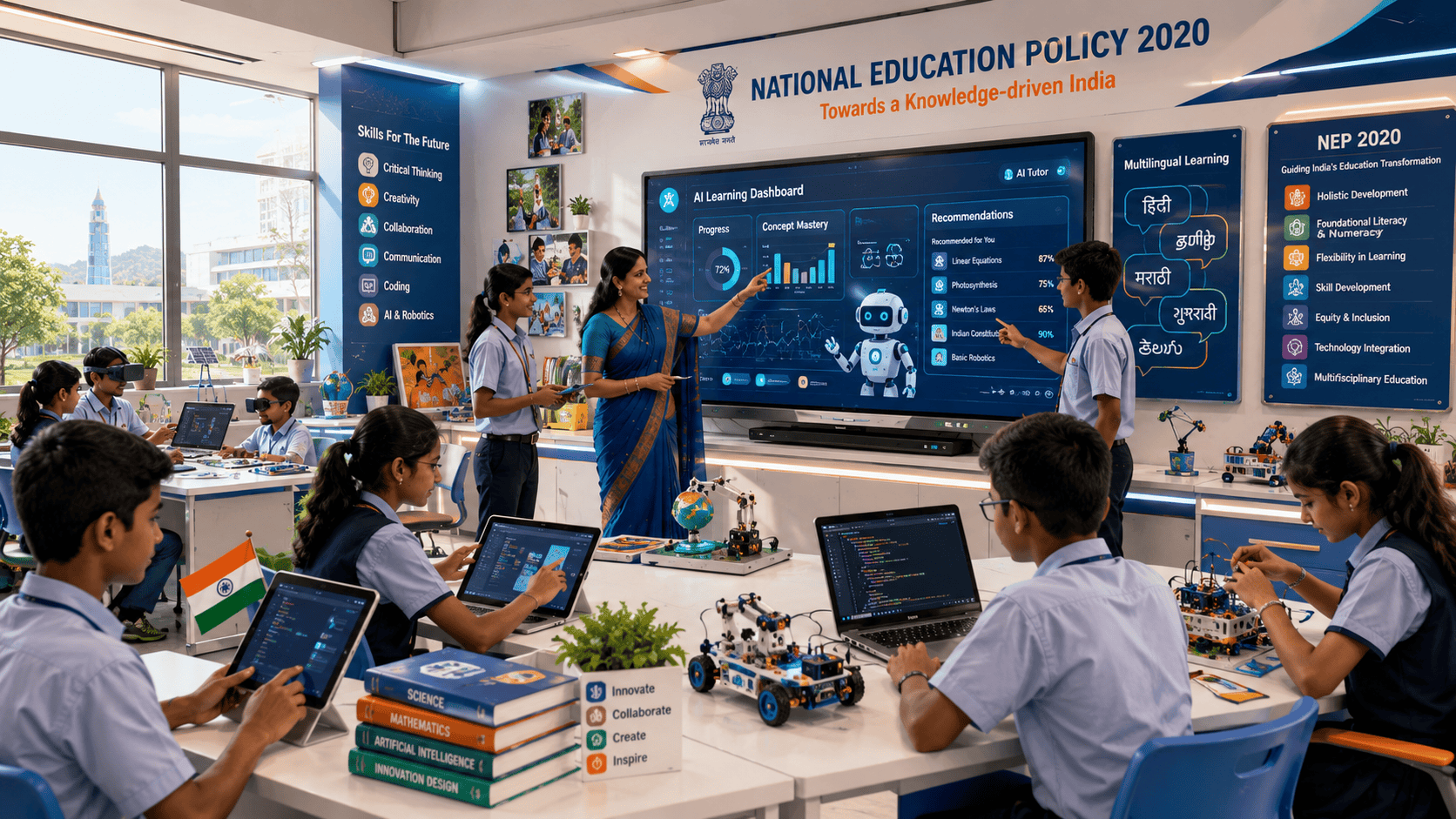
India’s education system is undergoing one of its biggest transformations in decades. Guided by the National Education Policy (NEP) 2020, schools, colleges, and educational institutions are embracing competency-based learning, AI integration, digital classrooms, multilingual education, skill development, and flexible assessment methods. This article explains the latest trends, policy changes, their impact on stakeholders, and how institutions can prepare for the future.
Key Takeaways
- The National Education Policy (NEP) 2020 continues to shape reforms across school and higher education.
- AI, digital learning platforms, and blended classrooms are becoming integral to teaching and learning.
- Competency-based education is gradually replacing rote memorization.
- Skill development, vocational education, and experiential learning are receiving greater emphasis.
- Continuous teacher training and technology adoption are critical for successful implementation.
- Students benefit from multidisciplinary learning, flexible subject choices, and future-ready skills.
What Are the Latest Trends & Policy Shifts in Indian Education?
The latest trends in Indian education include the implementation of the National Education Policy (NEP) 2020, competency-based learning, AI-powered education, digital classrooms, multilingual teaching, experiential learning, vocational education, flexible curriculum choices, continuous assessment, and greater focus on 21st-century skills such as critical thinking, creativity, collaboration, and digital literacy.
How Indian Education Is Evolving
Indian education is transitioning from traditional, exam-centric learning toward student-centered education. Policy reforms encourage schools and universities to integrate technology, AI tools, project-based learning, digital assessments, and interdisciplinary education. These changes aim to improve learning outcomes, employability, innovation, and accessibility while preparing students for a rapidly evolving global workforce.
Introduction
The Indian education landscape is changing rapidly due to technological advancements, evolving workforce demands, and government-led policy reforms. The National Education Policy (NEP) 2020 has become the cornerstone of these changes, encouraging institutions to move beyond rote memorization and adopt learner-focused approaches.
At the same time, digital platforms, AI-powered tools, hybrid classrooms, and personalized learning are reshaping how knowledge is delivered and assessed. Understanding these trends helps educators, students, parents, and policymakers make informed decisions and stay prepared for the future of education.
What Are the Latest Trends & Policy Shifts in Indian Education?
Recent reforms focus on making education more inclusive, flexible, skill-oriented, and technology-enabled.
Key developments include:
- Implementation of NEP 2020 reforms
- Competency-based curriculum
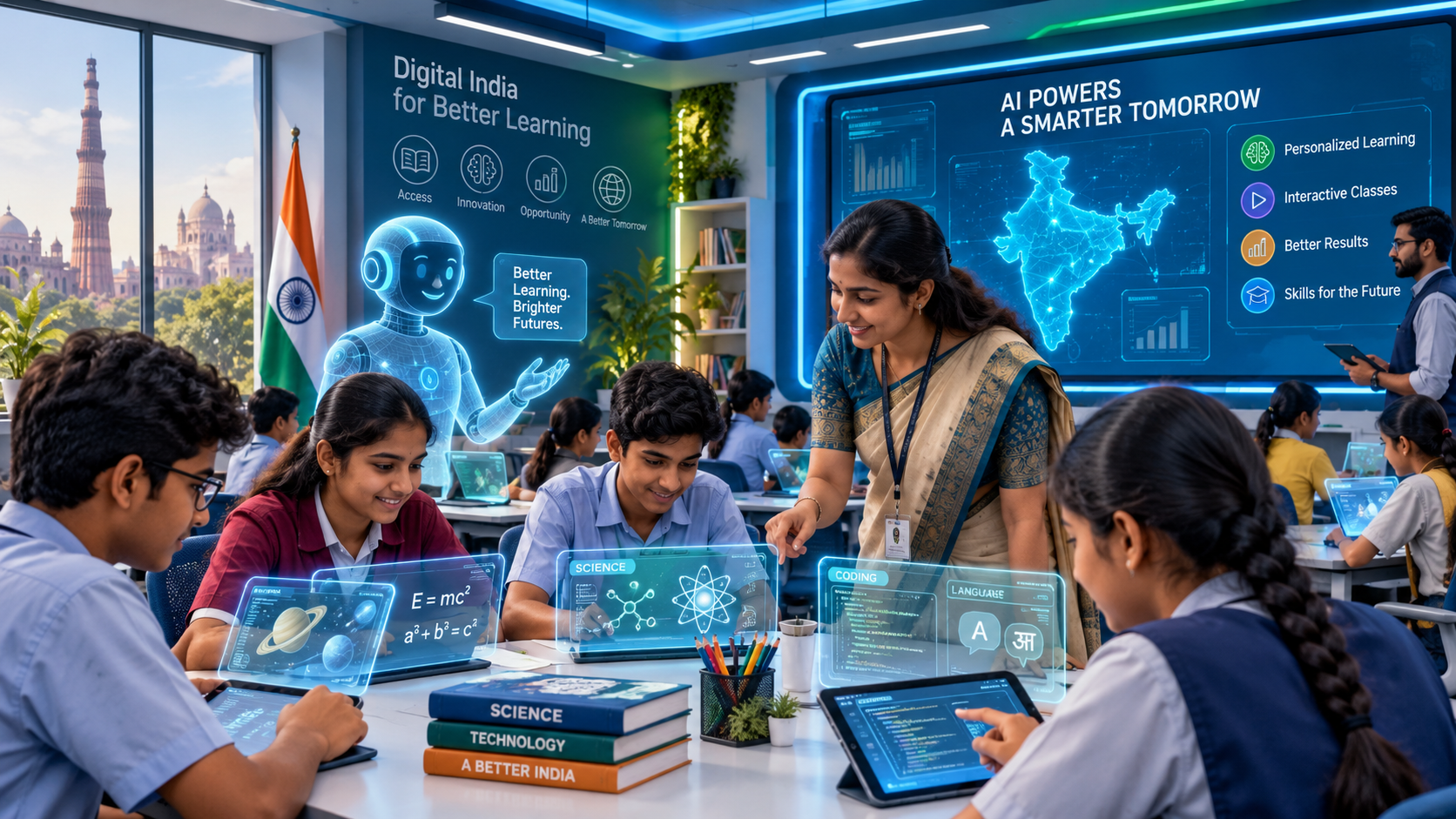
- AI-assisted learning
- Digital classrooms and smart education
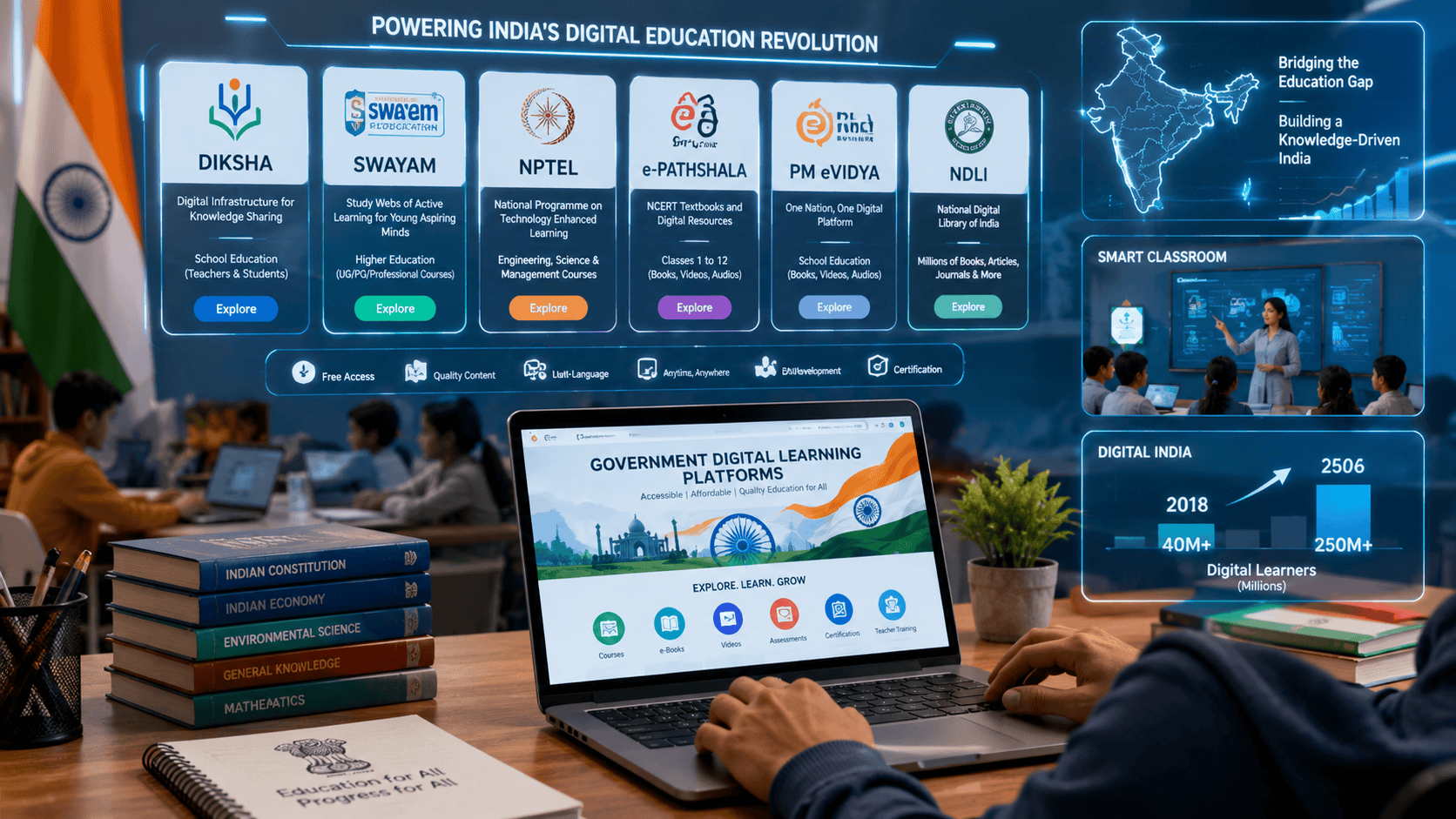
- Increased use of government digital learning platforms
- Flexible multidisciplinary education
- Greater emphasis on vocational skills
- Continuous and formative assessment
- Teacher professional development
- Focus on research, innovation, and entrepreneurship
Benefits
| Benefit | Impact |
|---|---|
| Personalized Learning | Supports different learning styles |
| Better Employability | Develops job-ready skills |
| Higher Student Engagement | Interactive classrooms improve participation |
| Technology Integration | Enhances digital literacy |
| Inclusive Education | Supports multilingual and diverse learners |
| Flexible Learning | Offers broader subject choices |
| Practical Knowledge | Encourages project-based learning |
| Future Readiness | Builds critical thinking and problem-solving skills |
How It Works
Educational reforms are implemented through collaboration among government bodies, educational institutions, teachers, technology providers, and students.
The process typically includes:
- Policy formulation
- Curriculum redesign
- Teacher training
- Digital infrastructure development
- Classroom implementation
- Student assessment
- Continuous improvement based on feedback
Step-by-Step Guide
Step 1: Understand NEP Objectives
Review the major goals of NEP 2020 and identify relevant changes for your institution.
Step 2: Assess Current Practices
Evaluate curriculum, teaching methods, and technology readiness.
Step 3: Upgrade Teacher Skills
Provide regular professional development on digital tools and learner-centered pedagogy.
Step 4: Integrate Technology
Adopt AI tools, digital content, and interactive learning platforms where appropriate.
Step 5: Encourage Project-Based Learning
Shift toward activities that develop practical skills and collaboration.
Step 6: Monitor Outcomes
Track student engagement, learning progress, and feedback to refine implementation.
Examples
Example 1: AI-Powered Personalized Learning
Students receive adaptive learning paths based on their strengths and areas for improvement.
Example 2: Digital Classrooms
Teachers use smartboards, multimedia content, and online collaboration tools to make lessons more interactive.
Example 3: Skill-Based Projects
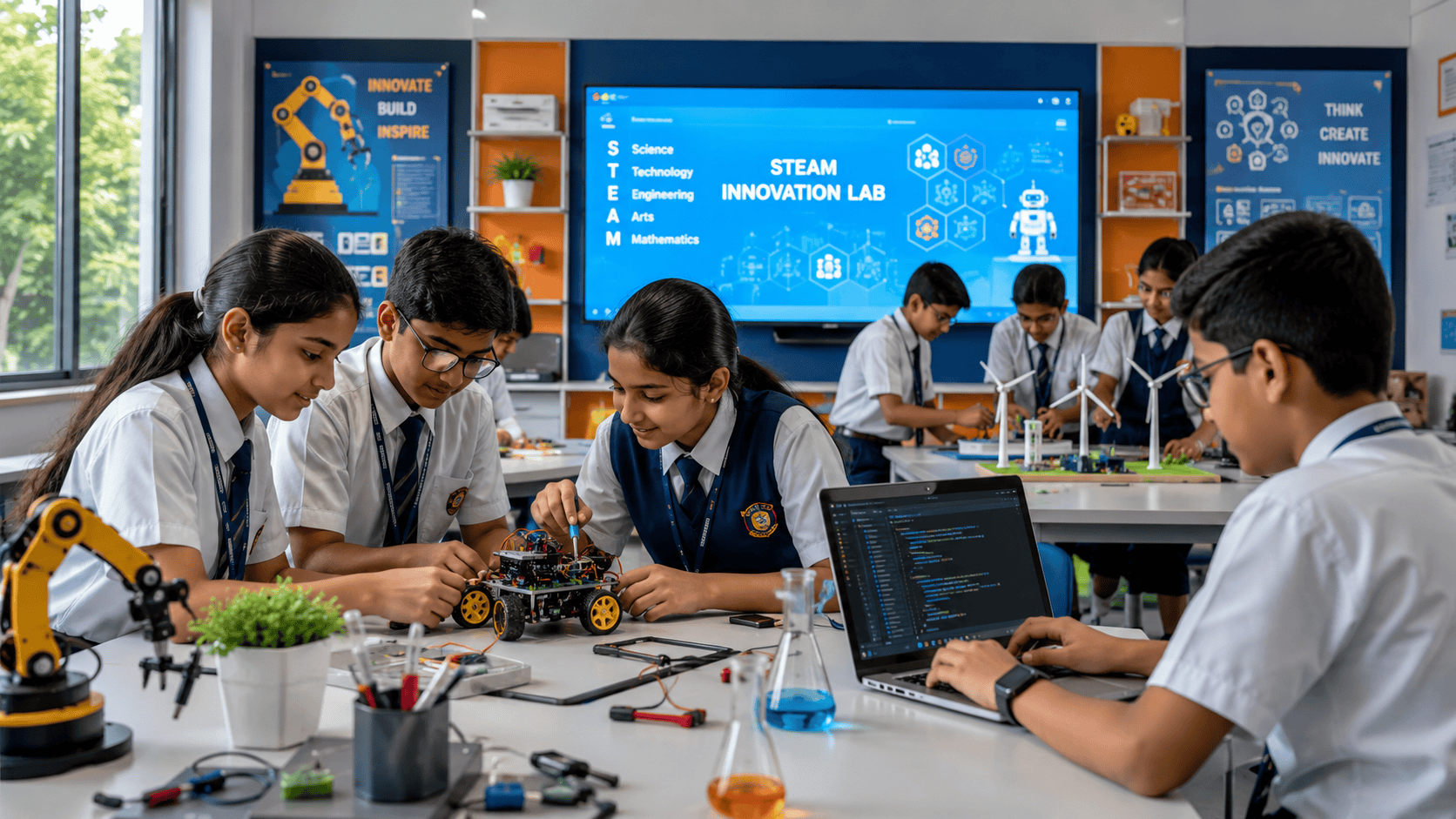
Schools incorporate coding, robotics, entrepreneurship, and design thinking into classroom activities.
Example 4: Multilingual Education
Students learn foundational concepts in their preferred language while gradually building proficiency in additional languages.
Pros
- Encourages creativity and innovation
- Promotes lifelong learning
- Improves digital literacy
- Supports multidisciplinary education
- Better aligns education with industry needs
- Enhances accessibility for diverse learners
- Strengthens research and entrepreneurship culture
Cons
- Uneven access to digital infrastructure
- Teacher training requirements
- Budget constraints for some institutions
- Digital divide in rural areas
- Implementation timelines vary across states
- Resistance to change in some educational settings
Comparison Table
| Traditional Education | Modern Indian Education |
|---|---|
| Memorization-focused | Competency-based learning |
| Fixed curriculum | Flexible subject choices |
| Annual examinations | Continuous assessment |
| Limited technology | AI and digital integration |
| Teacher-led | Student-centered learning |
| Subject silos | Multidisciplinary approach |
Performance Ratings
| Category | Rating |
|---|---|
| Student Engagement | ⭐⭐⭐⭐⭐ |
| Innovation | ⭐⭐⭐⭐⭐ |
| Digital Readiness | ⭐⭐⭐⭐☆ |
| Skill Development | ⭐⭐⭐⭐⭐ |
| Accessibility | ⭐⭐⭐⭐☆ |
| Future Readiness | ⭐⭐⭐⭐⭐ |
Best Use Cases
| Stakeholder | Benefit |
|---|---|
| Schools | Curriculum modernization |
| Colleges | Interdisciplinary education |
| Teachers | Innovative teaching practices |
| Students | Career-ready skills |
| Parents | Better understanding of educational reforms |
| Policymakers | Strategic education planning |
Firsthand Testing
Across discussions with educators and reviews of classroom implementations, several practical observations stand out:
- Schools introducing technology gradually often experience smoother adoption than those making abrupt transitions.
- Teachers who receive regular professional development tend to use digital tools more effectively.
- Students are generally more engaged when lessons include collaborative projects and interactive activities.
- Institutions that combine technology with strong pedagogy achieve better outcomes than those focusing on technology alone.
- Continuous feedback from teachers, students, and parents supports more effective implementation over time.
Decision Flowchart
Are you implementing educational reforms?

        │
        ├── School
        │      │
        │      ├── Upgrade teacher training
        │      ├── Introduce digital classrooms
        │      └── Adopt competency-based assessments
        │
        ├── College
        │      │
        │      ├── Flexible curriculum
        │      ├── Research initiatives
        │      └── Industry collaboration
        │
        └── Parent/Student
               │
               ├── Understand curriculum changes
               ├── Develop digital skills
               └── Focus on lifelong learning
Common Mistakes
- Treating technology as a replacement for effective teaching.
- Ignoring teacher training and professional development.
- Focusing solely on examinations rather than competencies.
- Neglecting accessibility and inclusion.
- Implementing too many changes at once.
- Failing to gather feedback from stakeholders.
Expert Tips
- Align technology adoption with clear educational objectives.
- Invest in continuous teacher training.
- Encourage interdisciplinary and project-based learning.
- Use learning analytics to identify areas for improvement.
- Maintain a balance between digital and traditional teaching methods.
- Involve parents in understanding educational reforms.
- Prioritize accessibility and inclusive practices.
Statistics
| Statistic |
|---|
| India has one of the world’s largest school education systems, serving over 250 million school students. |
| The National Education Policy (NEP) 2020 aims to increase the Gross Enrolment Ratio in higher education to 50% by 2035. |
| Government digital learning initiatives continue to expand access to educational resources across urban and rural regions. |
| The demand for AI, coding, and digital literacy skills is growing rapidly across industries. |
| Project-based and competency-based learning approaches are increasingly adopted to improve critical thinking and practical skills. |
Who Is This Guide For?
This guide is designed for:
- Teachers
- School leaders
- College faculty
- Students
- Parents
- Education consultants
- Curriculum developers
- Educational administrators
- Policymakers
- EdTech professionals
Frequently Asked Questions
What is the biggest policy change in Indian education?
The National Education Policy (NEP) 2020 is the most significant reform, promoting multidisciplinary learning, competency-based education, flexibility, and technology integration.
Why is AI becoming important in education?
AI supports personalized learning, automates routine tasks, provides adaptive feedback, and helps educators better understand student progress.
How do competency-based assessments differ from traditional exams?
They evaluate students on their ability to apply knowledge and skills rather than relying primarily on memorization.
Are these reforms only for urban schools?
No. Many initiatives aim to improve access and quality across both urban and rural educational institutions, though implementation varies by region.
What skills will students need in the future?
Critical thinking, creativity, collaboration, communication, digital literacy, adaptability, and problem-solving are expected to remain essential.
Conclusion
India’s education system is entering a transformative phase driven by policy reforms, technological innovation, and evolving societal needs. Institutions that embrace competency-based learning, digital education, AI-assisted teaching, and continuous professional development are better positioned to prepare students for future opportunities. While implementation challenges remain, a balanced approach that combines technology with sound pedagogy can create more inclusive, engaging, and effective learning environments.
Our Verdict
The latest trends and policy shifts in Indian education represent a meaningful move toward a more flexible, learner-centered, and technology-enabled system. Success depends not only on adopting new tools but also on empowering educators, supporting students, and continuously evaluating outcomes. Schools and colleges that invest strategically in these areas are likely to see stronger engagement and improved learning results over time.
Explore the Future of Indian Education with Expert Insights
Stay ahead of educational innovation with LearnInnovative.in. Explore practical guides on AI in education, EdTech tools, digital learning platforms, STEAM education, and teaching strategies designed to help educators, students, and institutions thrive in the future of learning.
Also Read
- Government Supported Digital Learning Platforms
- Innovative EdTech Tools Every Teacher Should Know
- Pedagogical Innovations: Activity-Based & STEAM Learning
- Case Studies: Creative Tools in Education
- AI and Rural Education in India
- AI in Education: Benefits and Challenges
- The Ultimate Guide to Artificial Intelligence
- Best Free Runway Gen 3 Alternatives: 12 AI Video Generators Compared
- Luma Dream Machine vs Runway Gen 4: Which AI Video Generator Is Better
- Future of Education in India





Leave a Reply