

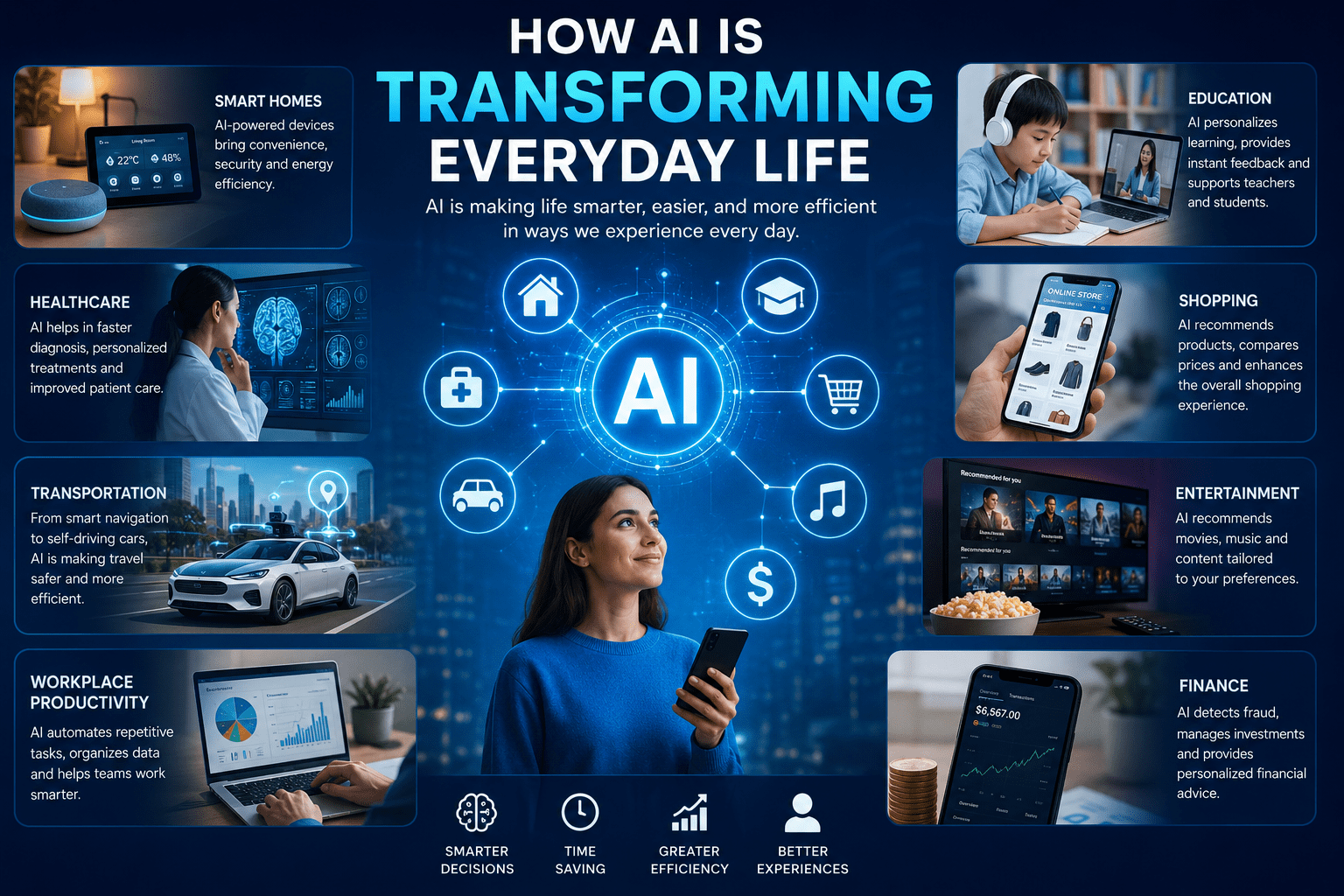
Artificial Intelligence (AI) is no longer a futuristic concept seen only in science fiction movies. Today, AI has become an integral part of our daily lives, influencing how we work, communicate, shop, learn, and even manage our health. From voice assistants and personalized recommendations to smart home devices and self-driving technology, AI is revolutionizing the way people interact with technology.
As AI continues to evolve, its impact on everyday life becomes more significant. Businesses, governments, and individuals are increasingly relying on AI-powered solutions to improve efficiency, reduce costs, and enhance user experiences. In this article, we will explore how AI is transforming everyday life and shaping the future of society.
What Is Artificial Intelligence?
Artificial Intelligence refers to computer systems designed to perform tasks that typically require human intelligence. These tasks include learning, reasoning, problem-solving, understanding language, recognizing patterns, and making decisions.
AI systems use technologies such as:
- Machine Learning (ML)
- Natural Language Processing (NLP)
- Computer Vision
- Deep Learning
- Predictive Analytics
These technologies enable machines to analyze vast amounts of data and provide intelligent solutions in real time.
AI in Smartphones and Personal Devices
One of the most common ways people interact with AI is through smartphones and personal gadgets. Modern smartphones use AI to enhance user experiences in various ways.
Voice Assistants
Virtual assistants such as Siri, Google Assistant, and Alexa use AI to understand voice commands and perform tasks like:
- Setting reminders
- Sending messages
- Playing music
- Providing weather updates
- Answering questions
Smart Photography
AI-powered cameras automatically adjust settings, recognize faces, improve image quality, and optimize lighting conditions for better photos.
Predictive Text and Autocorrect
AI helps users type faster by predicting words and correcting spelling mistakes based on usage patterns and context.
AI in Healthcare
Healthcare is one of the industries experiencing the most significant transformation through AI.
Faster Disease Diagnosis
AI systems can analyze medical images such as X-rays, MRIs, and CT scans with remarkable accuracy, helping doctors detect diseases earlier.
Personalized Treatment Plans
AI can analyze patient data and recommend customized treatment options based on medical history and health conditions.
Virtual Health Assistants
AI-powered chatbots and health assistants provide basic medical guidance, appointment scheduling, and medication reminders.
Drug Discovery
Researchers use AI to identify potential drug candidates and accelerate the development of new medicines.
AI in Education
Artificial Intelligence is changing how students learn and how teachers deliver education.
Personalized Learning
AI-powered learning platforms adapt educational content according to a student’s strengths and weaknesses.
Intelligent Tutoring Systems
Virtual tutors provide instant feedback and personalized support, helping students improve their understanding of complex subjects.
Automated Administrative Tasks
Schools and universities use AI to automate grading, attendance tracking, and administrative processes, allowing educators to focus more on teaching.
Language Learning
AI-driven language apps help learners improve pronunciation, vocabulary, and grammar through interactive exercises.
AI in Transportation
Transportation systems are becoming smarter and more efficient thanks to AI technologies.
Navigation and Traffic Management
Apps like Google Maps use AI to analyze traffic patterns and recommend the fastest routes.
Ride-Sharing Services
Companies use AI algorithms to match drivers with passengers, optimize routes, and reduce waiting times.
Autonomous Vehicles
Self-driving cars rely on AI to interpret road conditions, recognize obstacles, and make driving decisions.
Predictive Maintenance
AI helps transportation companies monitor vehicle performance and predict maintenance needs before breakdowns occur.
AI in Shopping and E-Commerce
Online shopping experiences have become more personalized due to AI innovations.
Personalized Recommendations
E-commerce platforms analyze browsing history and purchase behavior to suggest products tailored to individual preferences.
Chatbots and Customer Support
AI-powered chatbots provide instant customer assistance, answer common questions, and improve user satisfaction.
Dynamic Pricing
Retailers use AI to adjust product prices based on demand, competition, and market trends.
Inventory Management
AI helps businesses forecast demand and manage stock levels efficiently.
AI in Smart Homes
Smart home technology has made daily life more convenient and energy-efficient.
Smart Speakers
Devices like Amazon Echo and Google Nest use AI to control home appliances, play music, and answer questions.
Smart Thermostats
AI learns user preferences and automatically adjusts temperature settings to save energy.
Security Systems
AI-powered security cameras can detect unusual activities, recognize faces, and send real-time alerts.
Smart Lighting
AI enables lighting systems to adjust brightness and schedules based on user behavior.
AI in Entertainment
The entertainment industry heavily relies on AI to improve user experiences.
Content Recommendations
Streaming services use AI to recommend movies, TV shows, and music based on viewing habits.
Gaming
AI enhances gaming experiences by creating intelligent opponents and realistic environments.
Content Creation
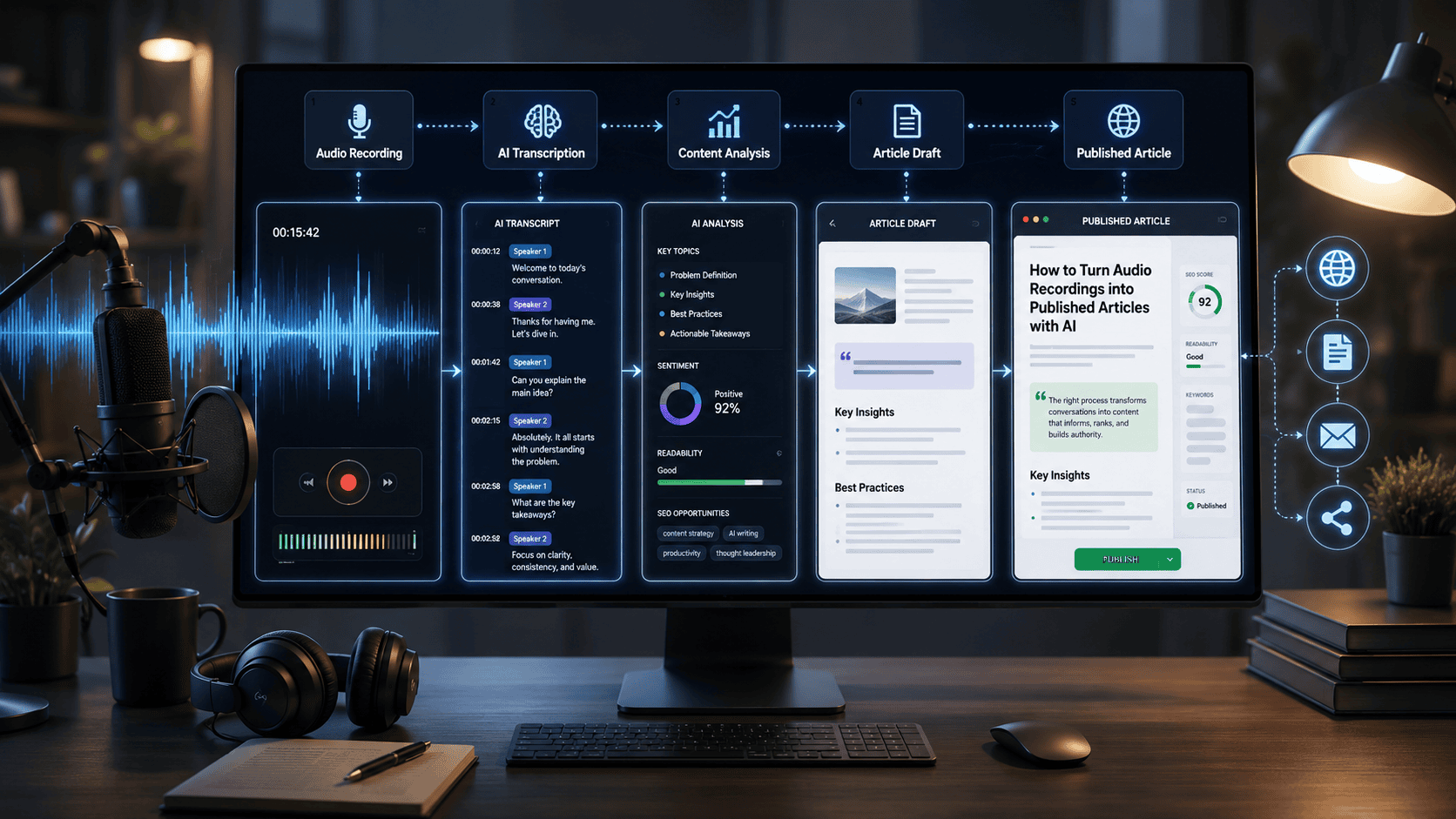
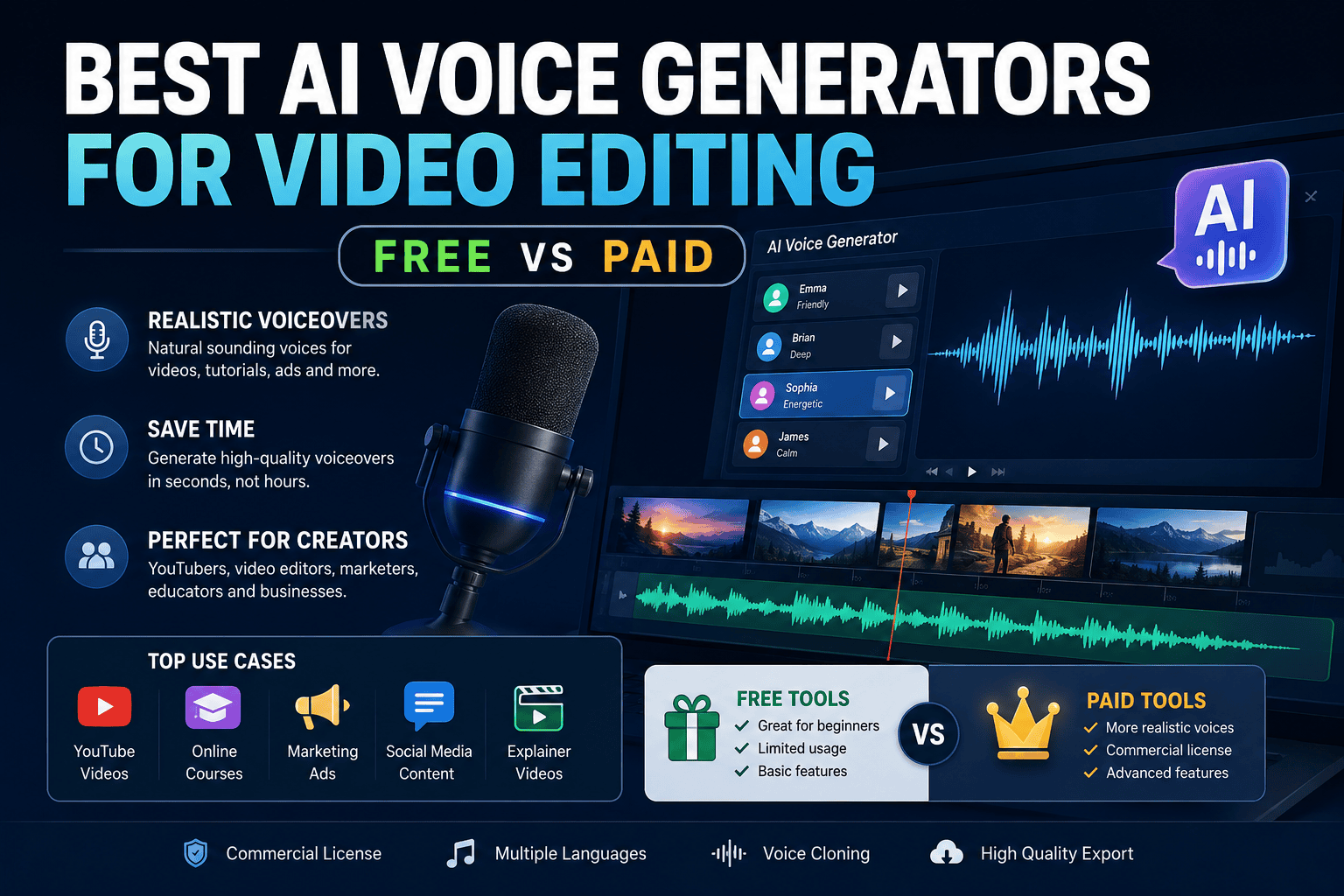
AI tools can generate music, videos, graphics, and written content, helping creators save time and increase productivity.
AI in Banking and Finance
Financial institutions are using AI to improve services and security.
Fraud Detection
AI monitors transactions and identifies suspicious activities in real time.
Personalized Financial Advice
AI-powered applications help users manage budgets, investments, and savings goals.
Automated Trading
Financial markets use AI algorithms to analyze trends and execute trades faster than humans.
Loan Approval
Banks use AI to evaluate creditworthiness and streamline loan approval processes.
AI in Workplace Productivity
Businesses are increasingly adopting AI to improve operational efficiency.
Automation of Repetitive Tasks
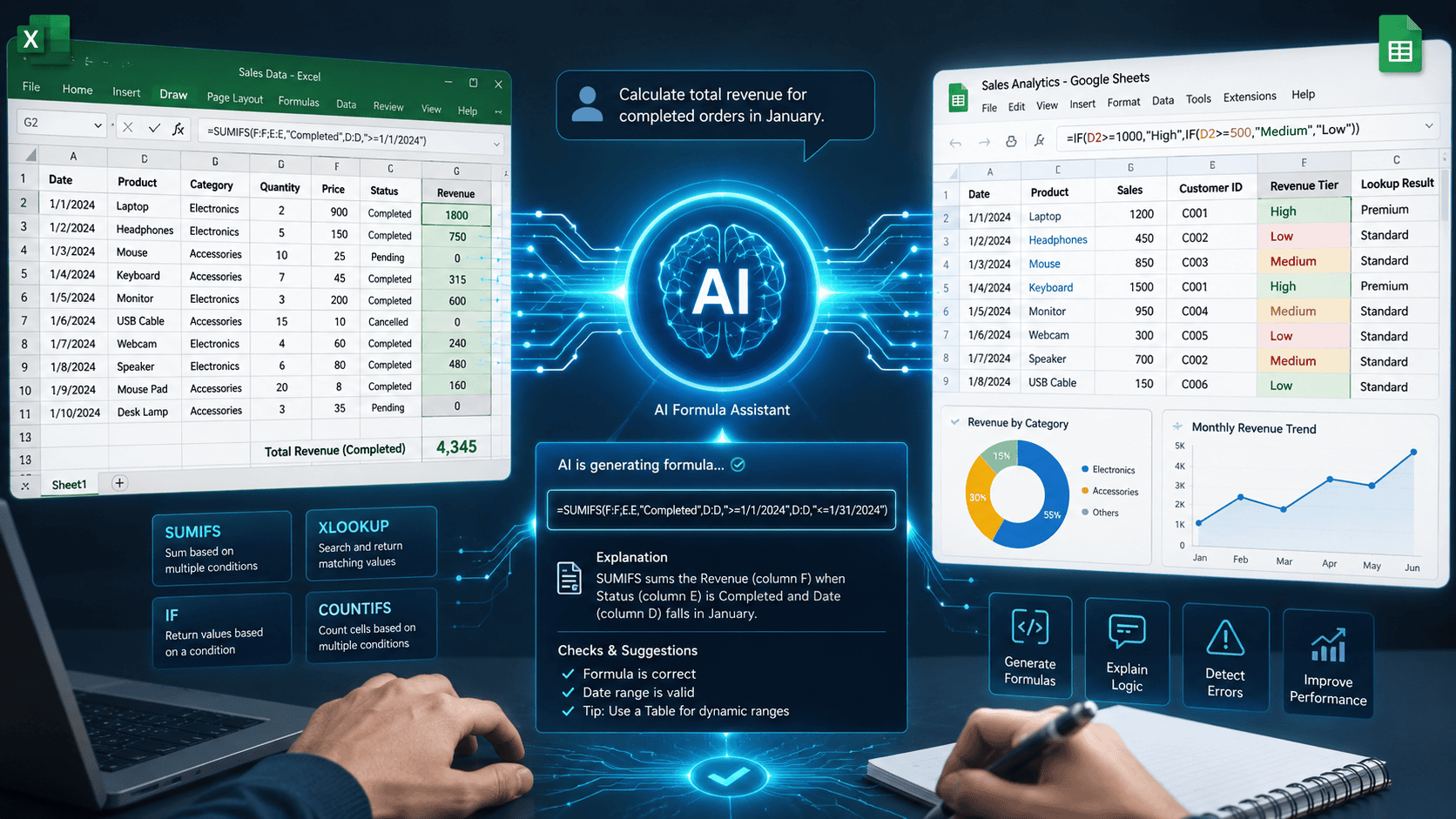
AI can automate data entry, scheduling, reporting, and customer support activities.
Enhanced Decision-Making
AI analyzes large datasets and provides insights that help businesses make informed decisions.
Collaboration Tools
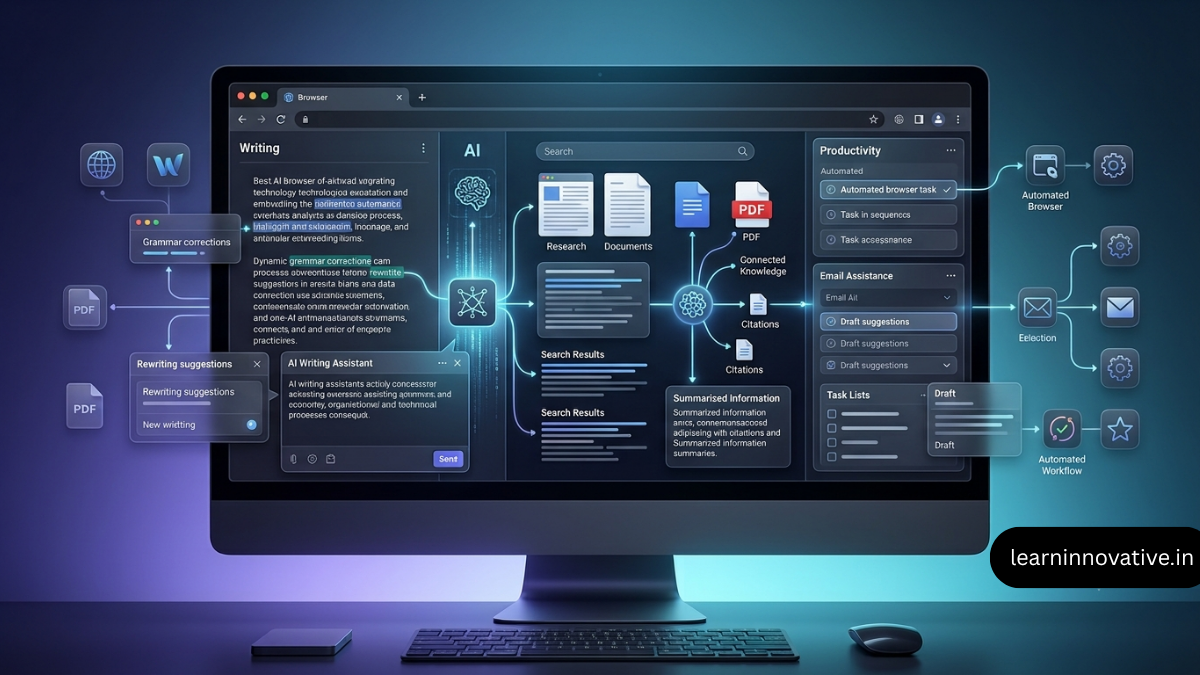
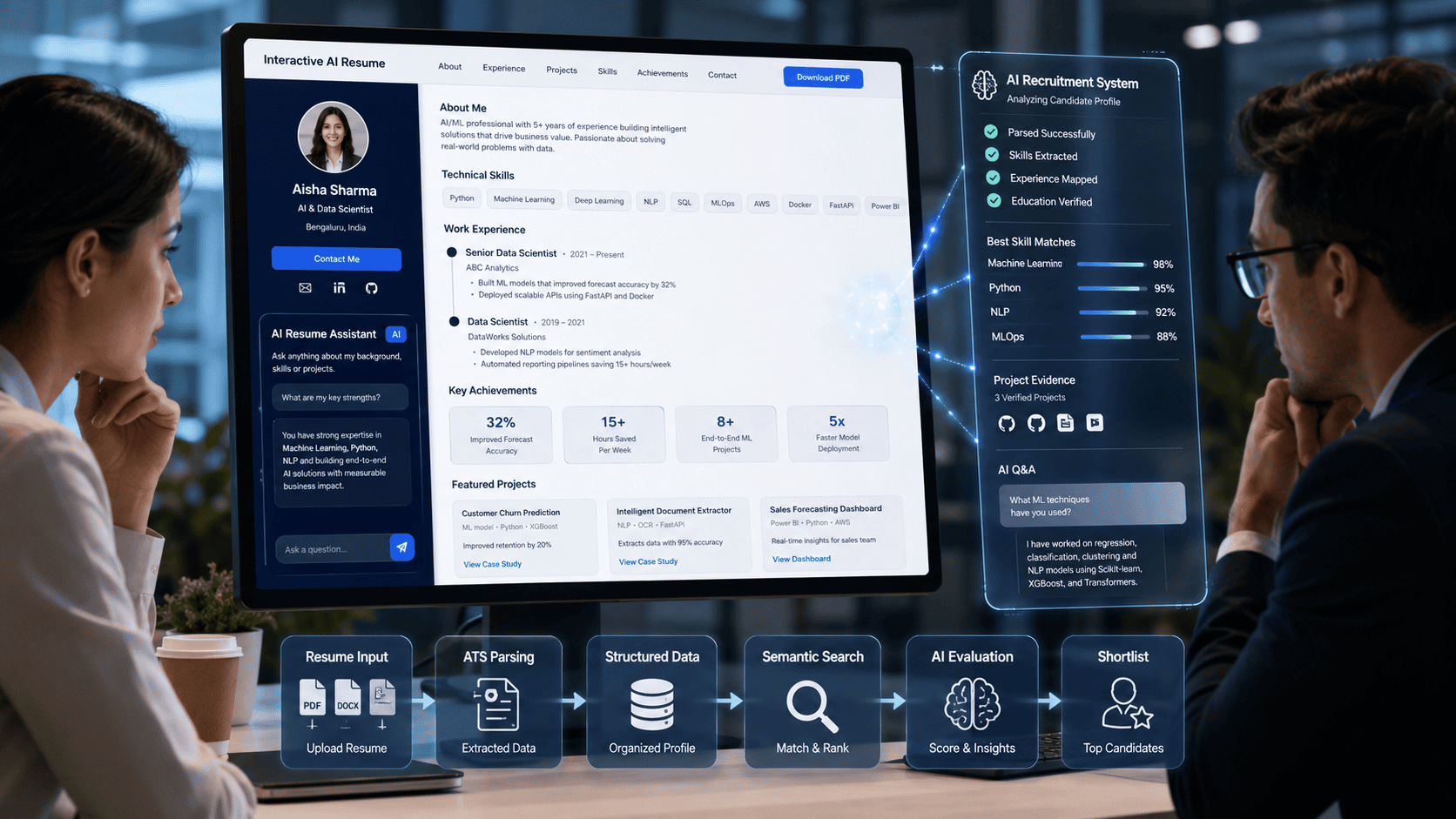
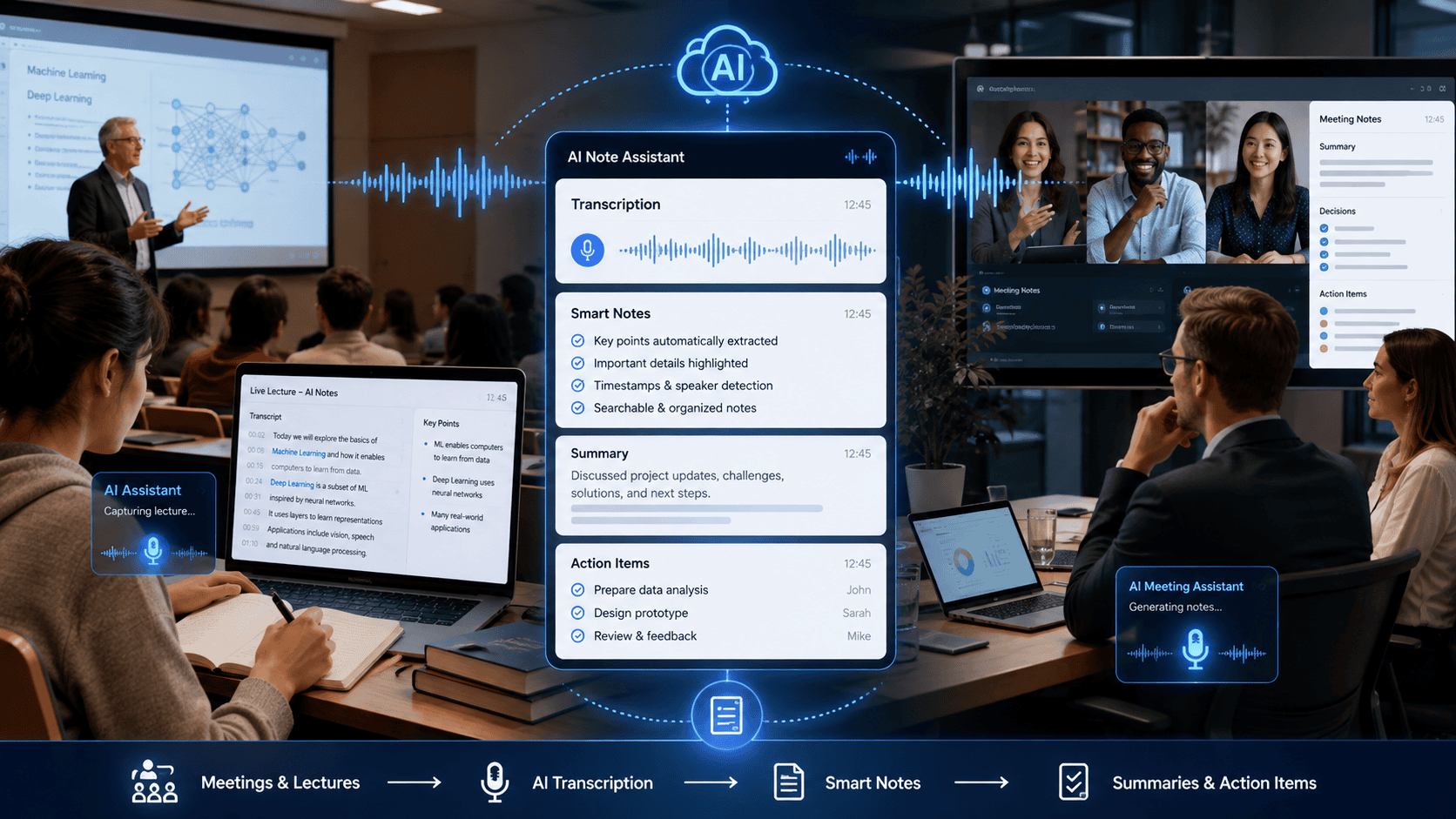
AI-powered productivity tools assist with meeting summaries, task management, and workflow optimization.
Recruitment and Hiring
Companies use AI to screen resumes, identify qualified candidates, and streamline hiring processes.
Benefits of AI in Everyday Life
AI offers numerous advantages that improve convenience and productivity:
Increased Efficiency
AI automates repetitive tasks, allowing people to focus on more important activities.
Better Personalization
AI delivers customized experiences based on user preferences and behavior.
Improved Accuracy
AI systems can process large amounts of data and reduce human errors.
Enhanced Accessibility
AI-powered tools help individuals with disabilities through speech recognition, text-to-speech, and assistive technologies.
Time Savings
Many daily tasks can be completed faster with AI-powered solutions.
Challenges and Concerns of AI
Despite its benefits, AI also presents several challenges.
Privacy Issues
AI systems often rely on collecting large amounts of personal data, raising privacy concerns.
Job Displacement
Automation may replace certain jobs, requiring workers to develop new skills.
Bias and Fairness
AI algorithms can inherit biases from training data, potentially leading to unfair outcomes.
Security Risks
AI systems may become targets for cyberattacks and misuse.
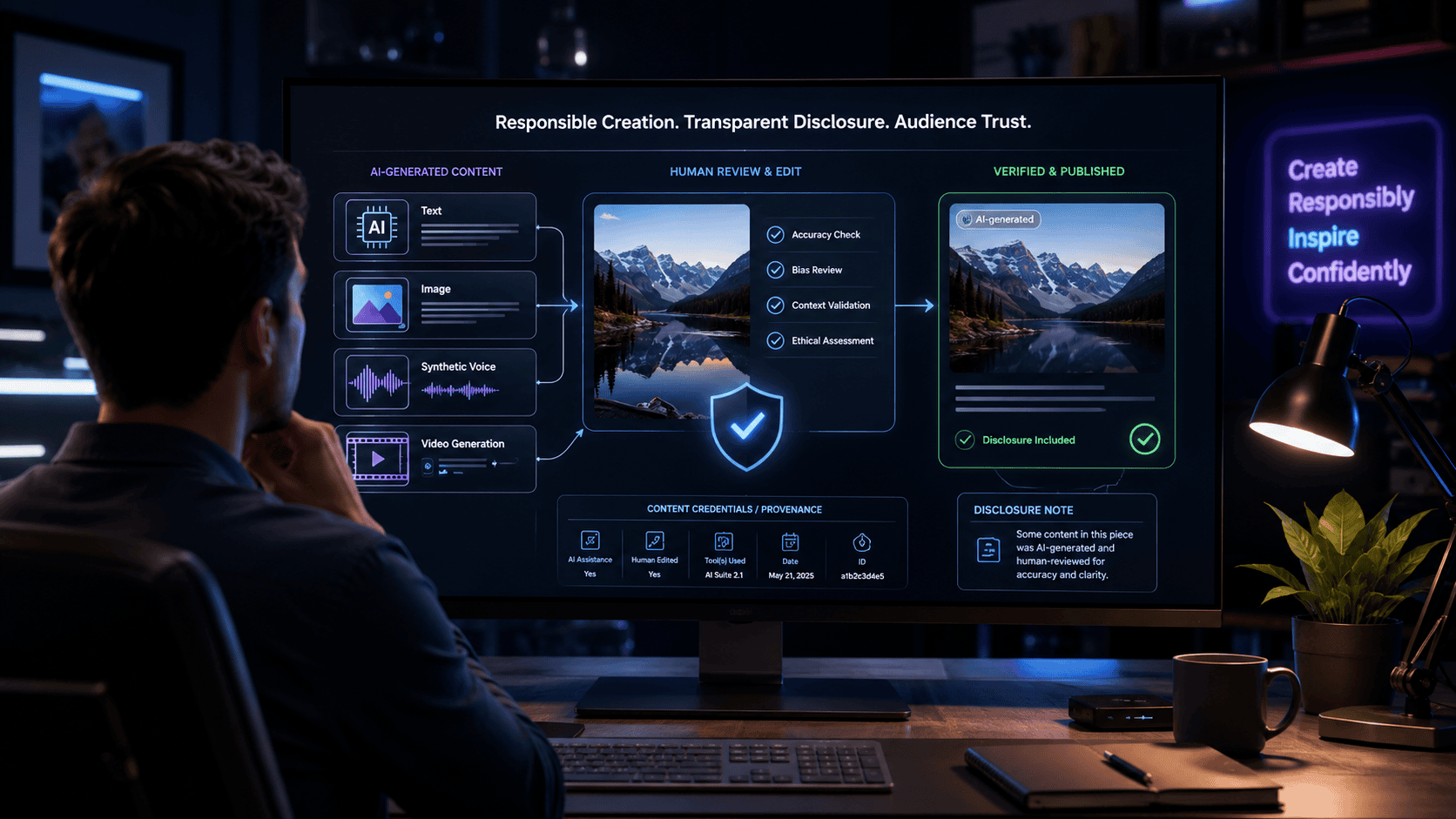
Ethical Considerations
Society must establish guidelines to ensure responsible AI development and usage.
The Future of AI in Daily Life
The future of AI looks promising, with innovations expected across various sectors. We can anticipate:
- Smarter virtual assistants
- More advanced healthcare diagnostics
- Improved autonomous transportation
- Enhanced smart cities
- Greater workplace automation
- More personalized digital experiences
As AI technologies continue to mature, they will become even more integrated into everyday activities, making life more convenient, efficient, and connected.
Conclusion
Artificial Intelligence is transforming everyday life in ways that were unimaginable just a few years ago. From healthcare and education to transportation, entertainment, and smart homes, AI is helping people work smarter, make better decisions, and enjoy more personalized experiences. While challenges related to privacy, ethics, and employment remain important considerations, the benefits of AI are undeniable.
As technology advances, understanding AI and its applications will become increasingly important for individuals and businesses alike. Embracing AI responsibly can unlock new opportunities and improve quality of life for people around the world.

Leave a Reply