
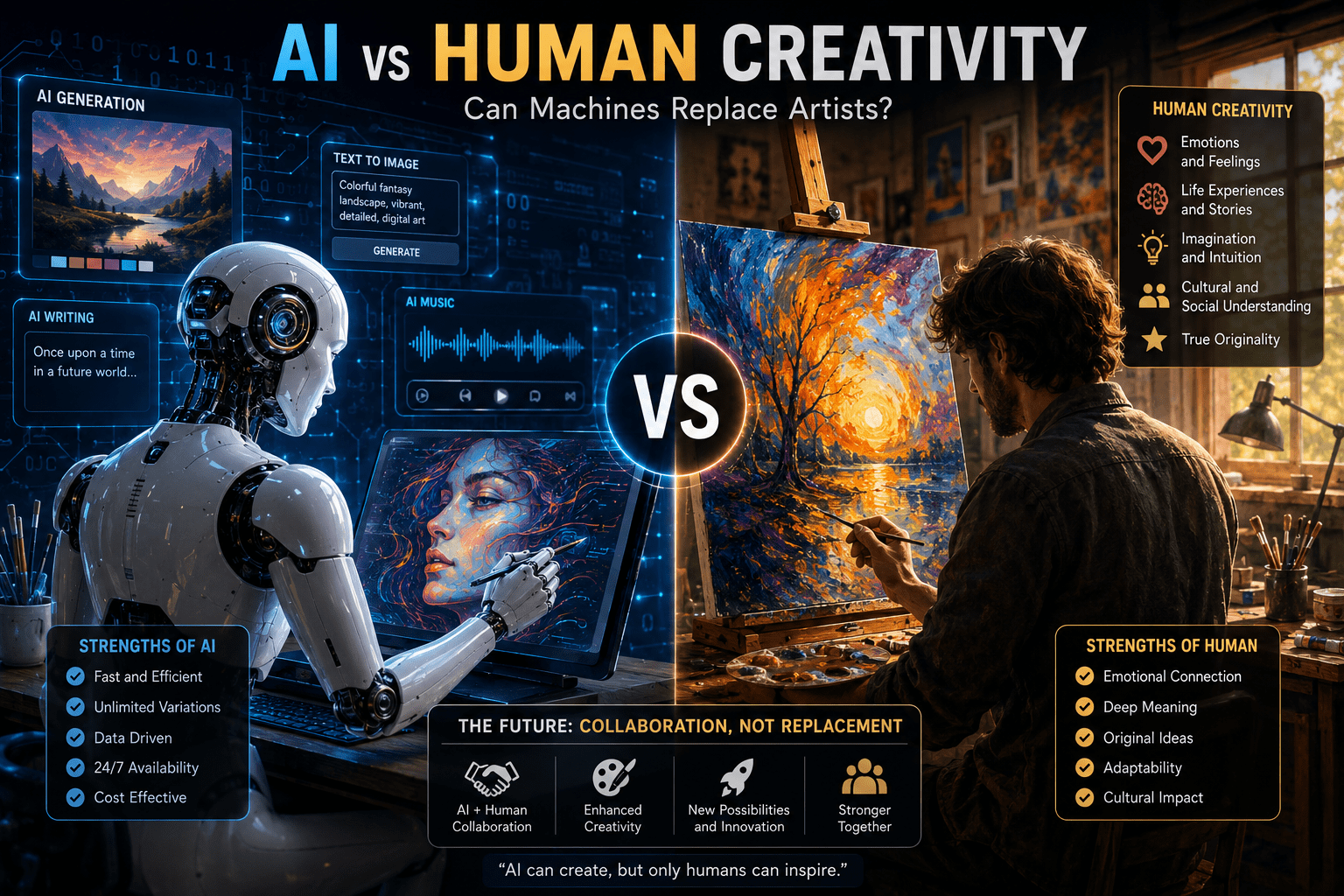
Artificial Intelligence (AI) has made remarkable progress in recent years, transforming industries ranging from healthcare and finance to education and entertainment. One area that has sparked intense debate is creativity. AI-powered tools can now generate paintings, music, poems, videos, and even complete stories within seconds. As these technologies become more sophisticated, many people are asking an important question: Can machines replace artists?
The rise of AI-generated content has challenged traditional ideas about creativity and artistic expression. While AI can produce impressive works of art, many argue that true creativity remains uniquely human. This article explores the relationship between AI and human creativity, examines the strengths and limitations of both, and discusses whether machines can truly replace artists.
Understanding Creativity
Creativity is the ability to produce original ideas, concepts, or works that have value and meaning. Human creativity often stems from:
- Personal experiences
- Emotions
- Imagination
- Cultural influences
- Intuition
- Social interactions
Artists use creativity to communicate feelings, tell stories, challenge perspectives, and inspire others. Creativity is not merely about producing something new; it is also about expressing human experiences and emotions.
What Is AI Creativity?
AI creativity refers to the ability of artificial intelligence systems to generate creative outputs such as:
- Digital artwork
- Music compositions
- Poems and stories
- Graphic designs
- Video content
- Marketing materials
AI achieves this through machine learning algorithms trained on massive datasets containing existing artistic works. By analyzing patterns, styles, colors, structures, and themes, AI can create content that resembles human-made creations.
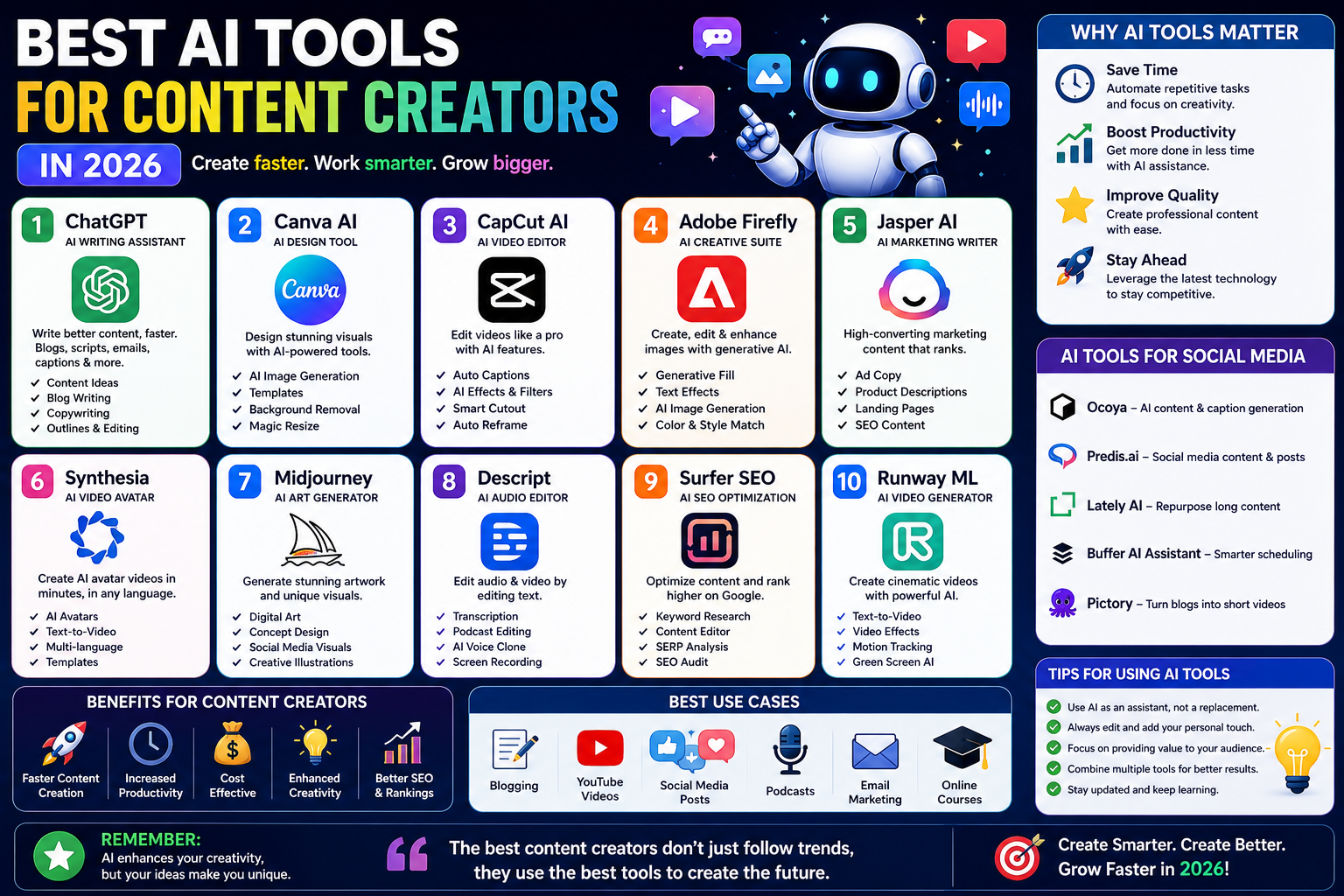
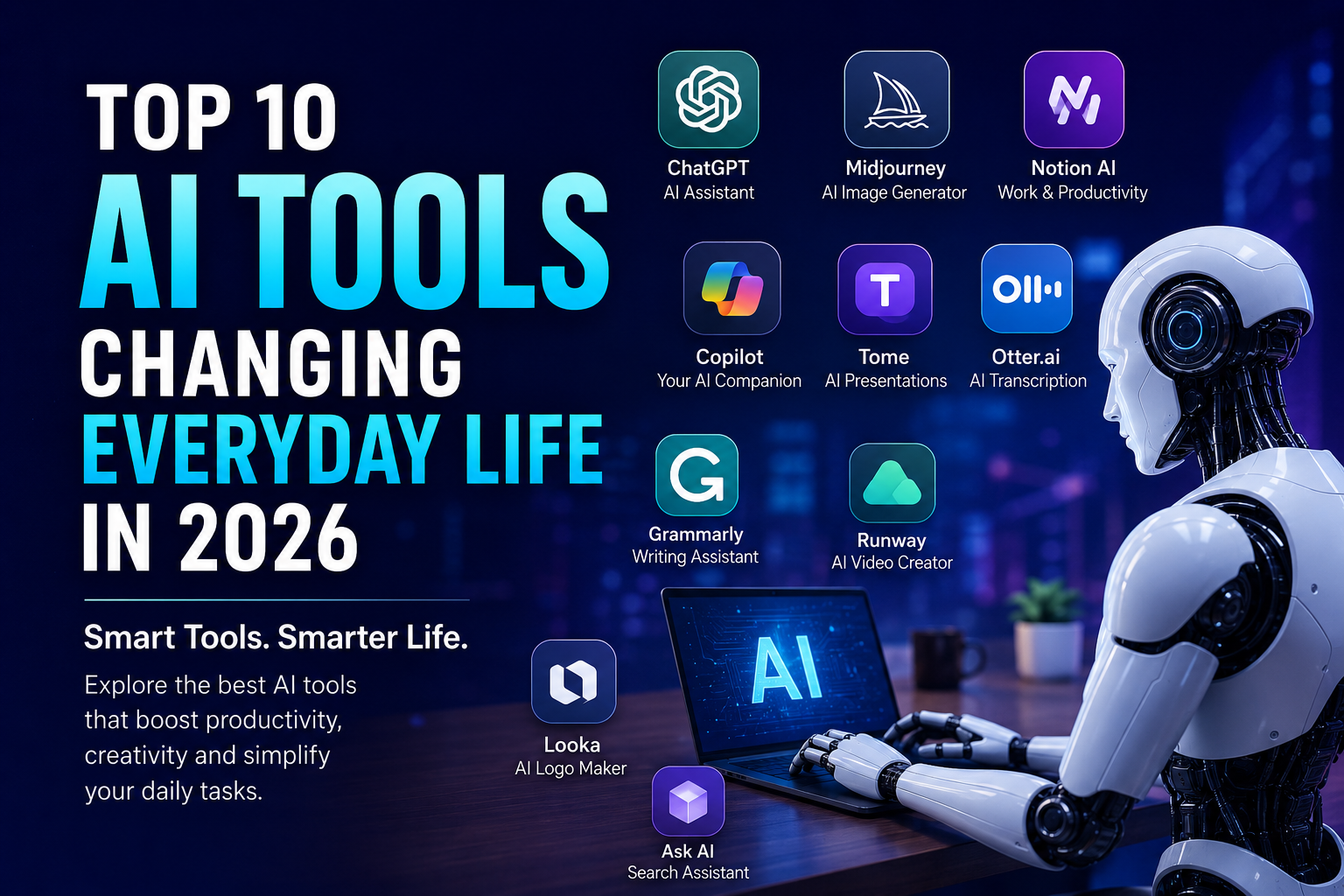
Popular AI creative tools include image generators, music composition software, writing assistants, and design platforms that help users create content more efficiently.
How AI Creates Art
Unlike humans, AI does not create from emotions or personal experiences. Instead, it follows a process based on data and algorithms.
Data Collection
AI systems are trained using millions of examples, including paintings, songs, books, photographs, and videos.
Pattern Recognition
Machine learning models identify patterns, styles, and relationships within the training data.
Content Generation
Based on user prompts or instructions, AI generates new content by combining learned patterns in unique ways.
Continuous Improvement
AI models improve over time as they receive additional data and feedback.
Although AI-generated content may appear creative, it is fundamentally based on statistical analysis rather than genuine inspiration.
Strengths of AI in Creative Work
AI offers several advantages that make it a powerful creative tool.
Speed and Efficiency
AI can generate artwork, articles, or music within seconds, significantly reducing production time.
Unlimited Variations
Artists and designers can quickly explore multiple concepts and creative directions.
Accessibility
People without formal artistic training can use AI tools to create visually appealing designs and content.
Enhanced Productivity
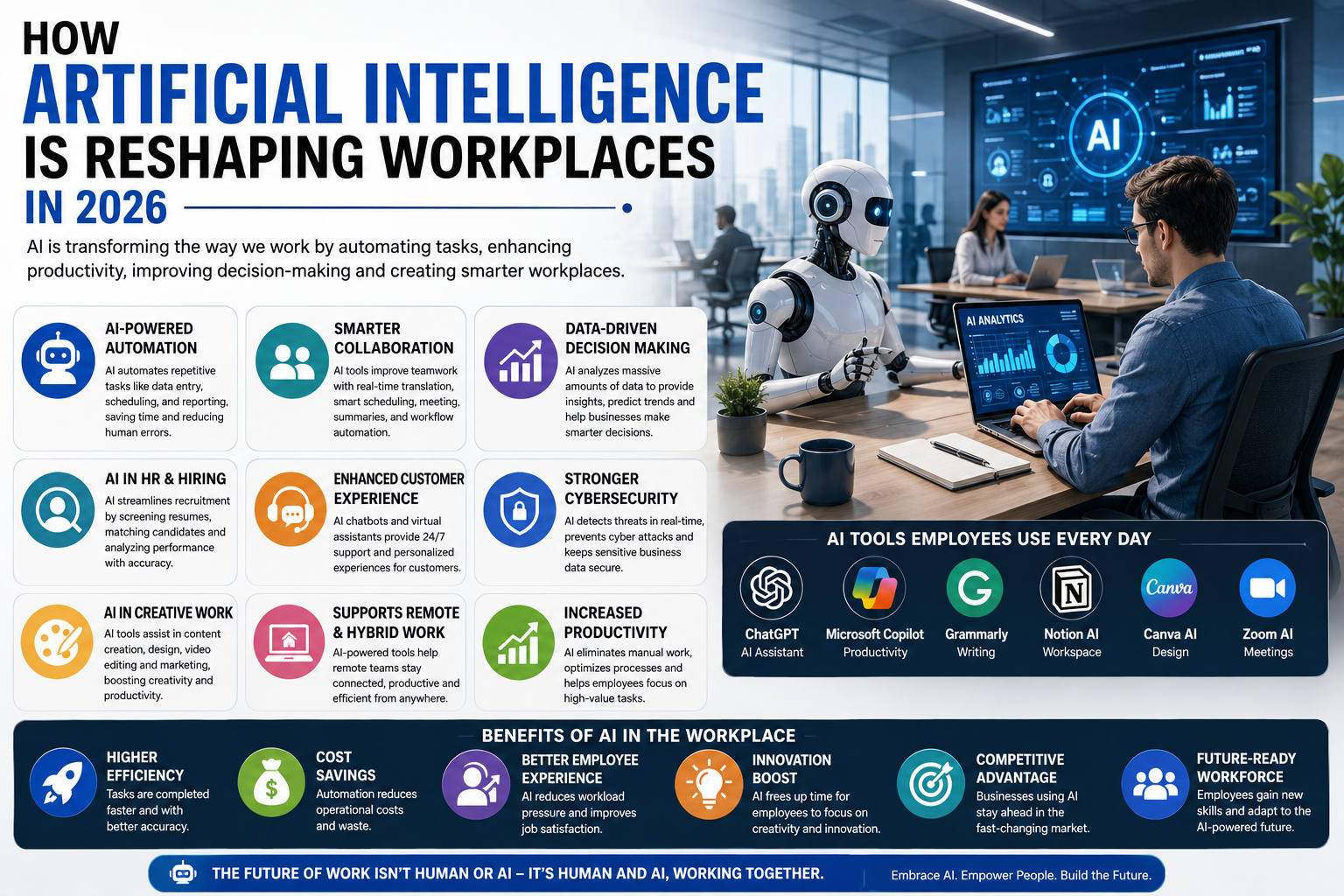
AI assists professionals by automating repetitive tasks, allowing creators to focus on higher-level ideas.
Cost Reduction
Businesses can generate marketing materials, graphics, and content more affordably using AI-powered solutions.
Limitations of AI Creativity
Despite its capabilities, AI still faces significant limitations.
Lack of Emotion
AI cannot genuinely feel joy, sadness, love, fear, or inspiration. Human emotions play a crucial role in meaningful artistic expression.
No Personal Experience
Artists draw from life experiences, memories, and personal struggles. AI lacks these experiences and cannot create from lived reality.
Limited Originality
AI generates content based on existing patterns and data. It does not invent entirely new concepts in the same way humans can.
Context Challenges
Human artists understand cultural, historical, and social contexts more deeply than AI systems.
Ethical and Copyright Issues
AI-generated content raises concerns regarding ownership, copyright infringement, and the use of training data.
Why Human Creativity Remains Unique
Human creativity involves more than producing visually appealing or technically impressive work.
Emotional Connection
People often connect with art because it reflects human emotions and experiences. A painting, song, or novel can resonate deeply because it captures feelings that others share.
Storytelling Ability
Humans excel at creating narratives that inspire, educate, and entertain. Stories often emerge from personal journeys and cultural traditions.
Innovation Through Imagination
Many groundbreaking artistic movements emerged because artists challenged conventional thinking. Humans can intentionally break rules and redefine artistic standards.
Cultural Influence
Art often reflects social values, historical events, and cultural identity. Human artists contribute to cultural evolution in ways AI cannot fully replicate.
AI as a Creative Partner
Rather than replacing artists, AI is increasingly becoming a powerful creative assistant.
Assisting Designers
Graphic designers use AI to generate concepts, color palettes, and layouts quickly.
Supporting Writers
AI writing tools help brainstorm ideas, improve grammar, and generate content drafts.
Enhancing Music Production
Musicians use AI to create melodies, experiment with sounds, and streamline production processes.
Accelerating Video Creation
Content creators leverage AI for editing, subtitles, effects, and animation.
In these cases, AI serves as a tool that enhances human creativity rather than replacing it.
Industries Being Transformed by AI Creativity
Advertising and Marketing
AI generates social media content, ad copy, and visual campaigns at scale.
Entertainment
Film studios and game developers use AI to create characters, environments, and special effects.
Publishing
AI assists with content creation, editing, and personalized reading experiences.
Fashion Design
Designers use AI to analyze trends and generate innovative clothing concepts.
Architecture
AI helps architects visualize structures and optimize building designs.
Challenges Facing Creative Professionals
As AI becomes more capable, artists face new challenges.
Increased Competition
AI-generated content can be produced rapidly, increasing competition in creative markets.
Changing Skill Requirements
Creative professionals must learn how to integrate AI tools into their workflows.
Intellectual Property Concerns
Questions about ownership and copyright continue to evolve as AI-generated content becomes more common.
Economic Impact
Some routine creative tasks may become automated, potentially affecting employment opportunities.
The Future of Creativity
The future is unlikely to be a battle between humans and machines. Instead, it will involve collaboration.
Experts predict that:
- AI will become a standard creative tool.
- Artists will use AI to enhance productivity.
- Human creativity will remain essential for innovation and emotional storytelling.
- New creative professions focused on AI collaboration will emerge.
- Ethical guidelines will shape responsible AI use in creative industries.
The most successful creators may be those who combine human imagination with AI-powered capabilities.
Can Machines Truly Replace Artists?
The answer depends on how we define creativity.
If creativity is simply generating content, AI can already produce impressive results. However, if creativity involves emotion, intention, personal experience, cultural understanding, and human expression, AI still falls short.
Machines can imitate artistic styles and create original-looking works, but they do not possess consciousness, emotions, or lived experiences. These qualities remain at the heart of meaningful artistic expression.
Rather than replacing artists, AI is more likely to transform the creative process by providing new tools and opportunities for innovation.
Conclusion
The debate between AI and human creativity continues to evolve as technology advances. AI has demonstrated remarkable capabilities in generating art, music, writing, and design, making creative work faster and more accessible. However, human creativity remains unique because it is rooted in emotions, experiences, imagination, and cultural understanding.
Instead of viewing AI as a replacement for artists, it is more accurate to see it as a powerful creative partner. The future of art and creativity will likely be shaped by collaboration between humans and intelligent machines, combining the efficiency of AI with the emotional depth and originality of human expression.
Ultimately, while AI can assist artists and even create impressive works on its own, the human spirit of creativity remains irreplaceable.
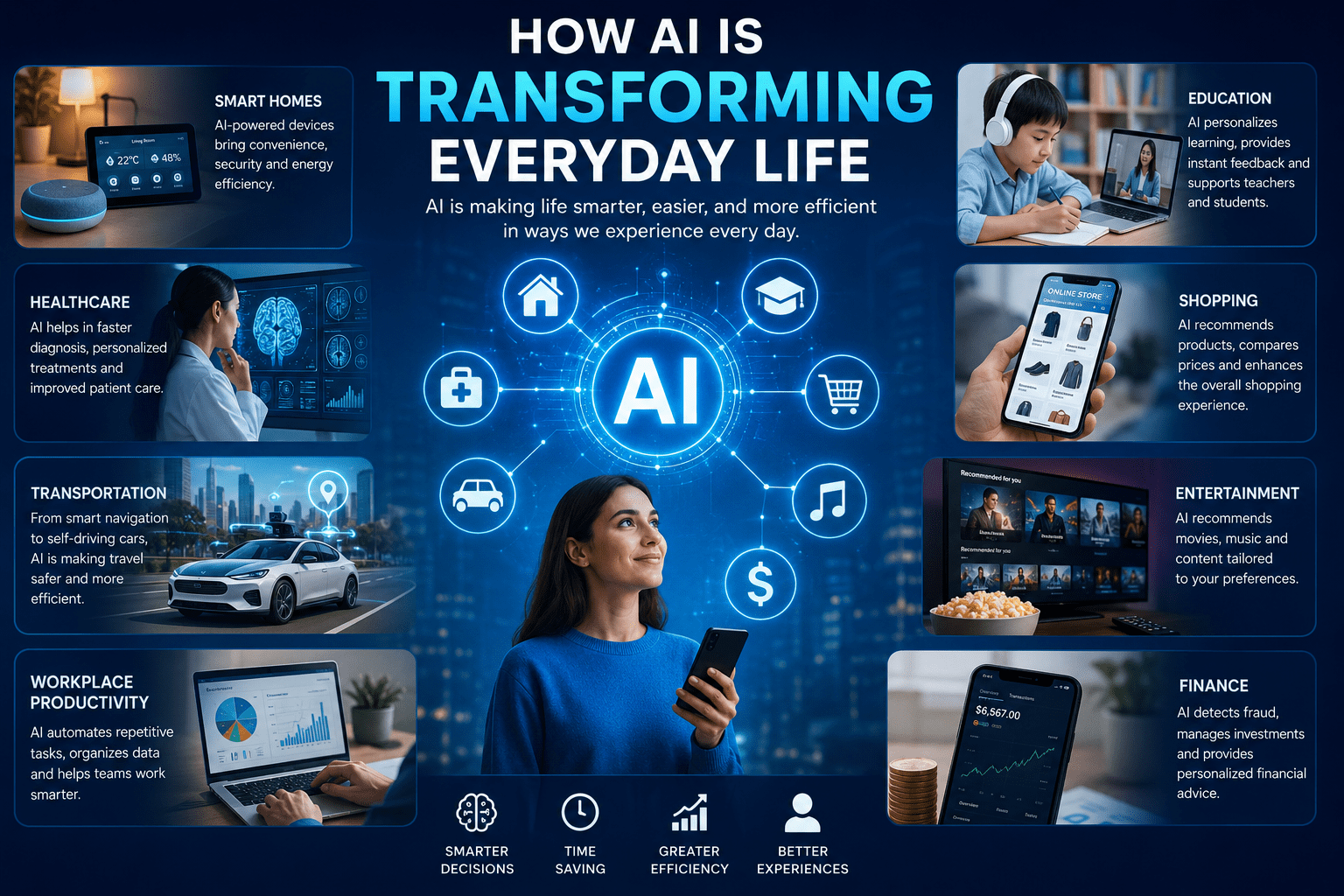
Also read How AI Is Transforming Everyday Life





Leave a Reply